


In today’s retail landscape, store audits are crucial for ensuring that stores are meeting brand standards and providing a positive customer experience. Traditional store audits can be time-consuming, inefficient, and prone to human error. However, with the advancement of image recognition technology, store audits are being revolutionized. In this blog post, we will explore the importance of store audits, the drawbacks of traditional methods, and how image recognition technology can be used to streamline and optimize the process. We will also discuss the benefits of implementing image recognition in store audits, the best practices for doing so, and future trends in the industry. Stay tuned for an in-depth look at how image recognition is transforming the world of store audits.
What Is Store Audit And Why Is It Important?
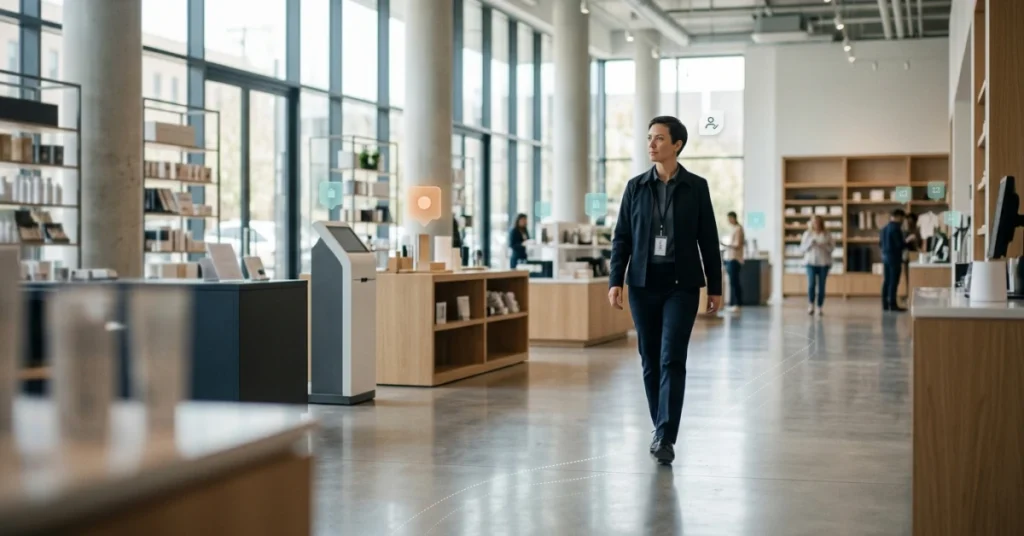
Store audit is a systematic inspection and evaluation of a retail store’s performance, operations, and compliance with company standards. It involves assessing various aspects such as inventory management, customer service, cleanliness, merchandising, and adherence to brand guidelines. Store audit is crucial for a retail business as it helps in identifying areas for improvement, ensuring consistency across multiple locations, and maintaining brand integrity.
One of the key reasons why store audit is important is that it helps in maintaining a consistent brand image and customer experience. By regularly conducting audits, retailers can ensure that their stores are upholding the brand’s values and standards, which is essential for building customer trust and loyalty. Additionally, store audits can also uncover operational inefficiencies, inventory discrepancies, and compliance issues, allowing for timely corrective actions to be taken.
Moreover, store audits play a vital role in enhancing the overall performance and profitability of a retail business. By identifying areas for improvement and best practices, store audits enable retailers to optimize their operations, reduce costs, and ultimately drive sales. Furthermore, it also helps in identifying training needs for store staff, ensuring that they are equipped to deliver exceptional customer service and uphold the brand’s reputation.
The Drawbacks Of Traditional Store Audits
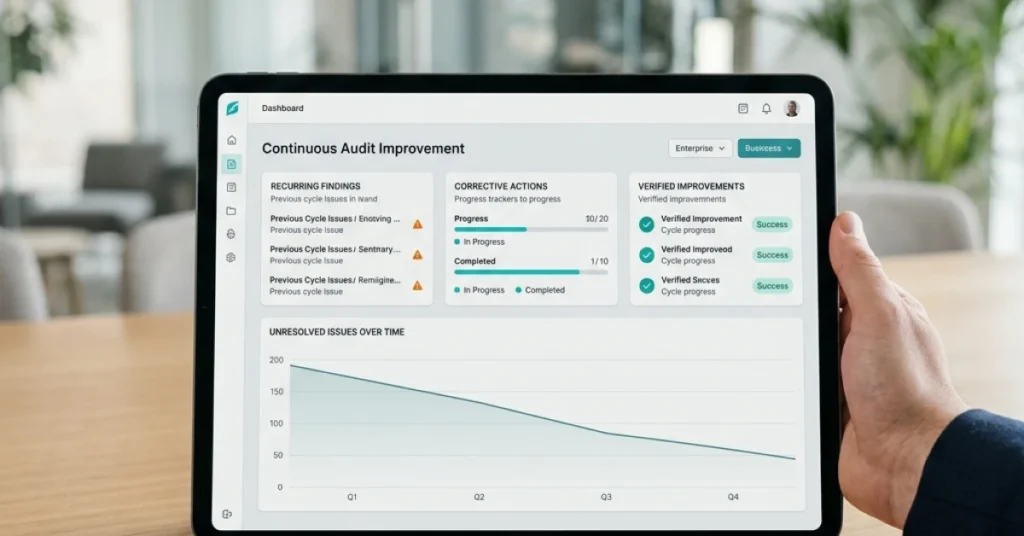
Traditional store audits have long been a part of the retail industry, but they come with a number of drawbacks that can hinder a store’s performance. These traditional methods often involve manual processes, which can be time-consuming and prone to human error. In addition, the data collected during these audits may not always be accurate or up-to-date, leading to inefficiencies and missed opportunities for improvement.
One of the main issues with traditional store audits is the lack of real-time data. Store managers and executives may not have access to the most current information on sales, inventory levels, or customer behavior, making it difficult to make informed decisions. This can result in missed sales opportunities, overstocked inventory, and a poor customer experience.
Moreover, traditional store audits can be a drain on resources, requiring extensive manpower and time to complete. This can take employees away from other important tasks and lead to a loss in productivity. Overall, the drawbacks of traditional store audits can have a significant impact on a retailer’s bottom line and long-term success. It’s clear that a more efficient and accurate solution is needed to overcome these challenges and drive improved store performance.

How Image Recognition Technology Can Revolutionize Store Audits
Store audits are an essential part of maintaining the integrity and performance of retail stores. Traditionally, store audits have been a time-consuming and labor-intensive process, often relying on manual data entry and subjective evaluations. However, with the advent of image recognition technology, store audits are undergoing a revolutionary transformation.
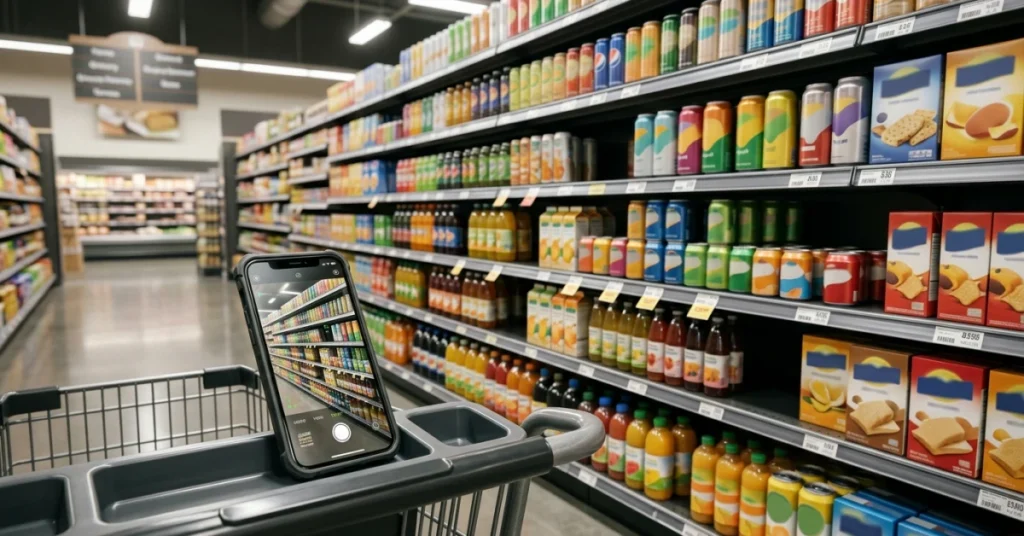
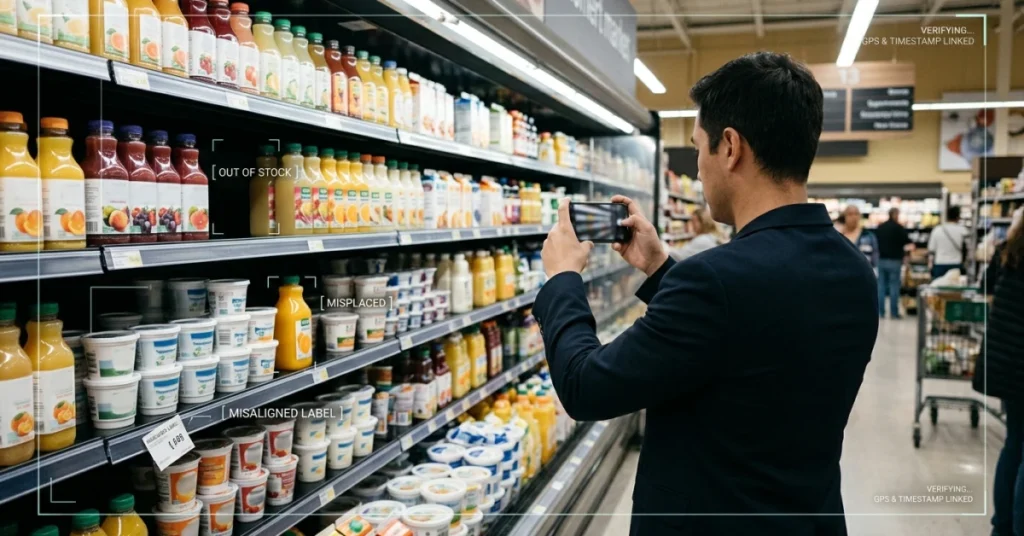
Image recognition technology utilizes advanced algorithms to analyze and identify objects within images or videos. When applied to store audits, this technology can automatically capture and analyze store conditions, product placement, and promotional displays. This not only reduces the need for human intervention but also provides more accurate and real-time data for store management.
Implementing image recognition technology in store audits offers a multitude of benefits. It enhances the efficiency of the audit process, reduces human error, and provides detailed insights into store performance. Additionally, image recognition technology can aid in detecting out-of-stock items, planogram compliance, and shelf share, ultimately leading to improved customer satisfaction and increased sales.
Benefits Of Using Image Recognition For Store Audits
One of the most significant advancements in store audits in recent years has been the use of image recognition technology. This cutting-edge tool has revolutionized the way audits are conducted, offering a wide range of benefits for both retailers and auditors.
First and foremost, image recognition technology allows for greater accuracy and efficiency in store audits. With the ability to quickly and accurately identify products, displays, and other elements within a store, auditors can ensure that their assessments are thorough and precise. This ultimately leads to more reliable data and insights for retailers, helping them make more informed decisions about their operations.
Another key benefit of using image recognition for store audits is the ability to streamline the auditing process. By automating the task of capturing and analyzing visual data, auditors can save valuable time and resources, allowing them to focus on higher-value activities. This not only improves efficiency, but also reduces the potential for human error, leading to more consistent and reliable audit results.
Implementing Image Recognition Technology In Store Audits
Implementing image recognition technology in store audits can revolutionize the way businesses track and analyze their retail performance. This innovative technology has the potential to streamline the audit process, improve accuracy, and provide valuable insights into consumer behavior and store operations.
With traditional store audits, the process can be time-consuming and prone to human error. However, by incorporating image recognition technology, businesses can automate the data collection process and eliminate the need for manual input. This not only saves time but also ensures more accurate and reliable data, leading to better-informed decision-making.
Furthermore, the use of image recognition can provide businesses with a deeper understanding of consumer behavior and preferences. By analyzing visual data such as product placement, shelf display, and customer traffic patterns, companies can gain valuable insights into how to optimize their retail operations for maximum efficiency and profitability.

Best Practices For Optimizing Image Recognition In Store Audits
When it comes to implementing image recognition technology in store audits, it’s essential to follow the best practices in order to optimize the process and ensure accurate results. Image recognition technology has revolutionized the way store audits are conducted, providing businesses with a more efficient and reliable method for monitoring and managing their retail operations. By adhering to the best practices for optimizing image recognition in store audits, businesses can maximize the benefits of this innovative technology and drive greater success in their retail strategies.
One of the key best practices for optimizing image recognition in store audits is to ensure that high-quality images are captured and analyzed. This involves using advanced cameras and equipment to capture clear and detailed images of store shelves, products, and displays. Clear images are essential for accurate image recognition, as they enable the technology to identify and analyze relevant data with greater precision. By ensuring that high-quality images are captured, businesses can enhance the accuracy and reliability of their store audits, leading to more informed decision-making and improved retail performance.
Another best practice for optimizing image recognition in store audits is to regularly update and refine the image recognition algorithms and software. As new products are introduced, promotional displays are changed, and customer preferences evolve, it’s important to continuously update and refine the image recognition technology to ensure that it can effectively identify and analyze the latest retail data. By staying current with the latest developments in image recognition technology and regularly updating the algorithms and software, businesses can ensure that their store audits are always aligned with the most up-to-date retail trends and insights.
Future Trends In Streamlining Store Audits With Image Recognition
The future of store audits is an exciting one, with the emergence of image recognition technology promising to revolutionize the way audits are conducted. This technology has the potential to streamline and simplify the auditing process, making it more efficient and accurate than ever before. As we look ahead to the future, it’s important to consider the potential trends and developments that will shape the use of image recognition in store audits.
One of the key future trends in streamlining store audits with image recognition is the integration of artificial intelligence (AI) and machine learning. These technologies will enable image recognition systems to continuously improve and adapt to new challenges, ultimately leading to greater accuracy and efficiency in audits. AI-powered image recognition will also be able to identify and categorize a wider range of products, including those with unique shapes, colors, or packaging, making audits more comprehensive and reliable.
Another future trend to consider is the incorporation of real-time analytics and reporting into image recognition systems. This will allow auditors to access and analyze audit data instantly, providing valuable insights into store performance and compliance. Real-time reporting will also enable quick identification and resolution of any issues or discrepancies, helping businesses to maintain a high standard of quality and consistency across their stores.