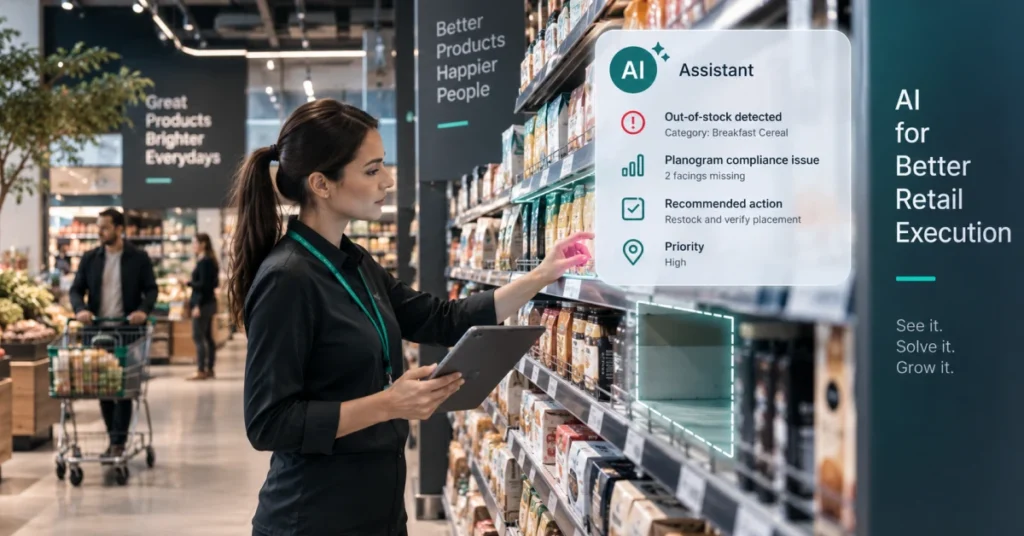




In today’s competitive business environment, providing exceptional customer service is crucial for retaining and attracting new clients. One of the key aspects of achieving this is through efficient field service management. By understanding customer needs and expectations, implementing real-time appointment scheduling, optimizing routes for efficient service delivery, leveraging mobile technology for better communication, and utilizing analytics to improve service quality, businesses can greatly enhance customer satisfaction. In this blog post, we will explore the various strategies and technologies that can be utilized to streamline field service management and ultimately provide a better experience for customers. Whether you’re in the field service industry or simply looking to improve the service aspect of your business, this post will provide valuable insights and practical tips for delivering top-notch customer satisfaction. Let’s dive in and discover how to take your customer service to the next level through efficient field service management.
Understanding Customer Needs and Expectations
Understanding customers’ needs and expectations is crucial for the success of any business. It involves knowing what customers want, what they expect, and how they perceive the products or services being offered. By gaining a deep understanding of customer needs and expectations, businesses can tailor their offerings to better meet those needs and exceed customer expectations.
One way to understand customer needs and expectations is to actively listen to their feedback. This can be done through surveys, customer reviews, or direct communication. By paying attention to what customers are saying, businesses can gain insights into their preferences, pain points, and areas for improvement.
Another important aspect of understanding customer needs and expectations is empathy. It’s crucial for businesses to put themselves in their customers’ shoes and understand the challenges and frustrations they might be facing. This can help in developing products and services that truly address customer needs in a meaningful way.
Ultimately, understanding customer needs and expectations is a continuous process. It’s important for businesses to stay agile and responsive to evolving customer needs, as well as to continuously seek feedback and make improvements based on that feedback.
Implementing Real-time Appointment Scheduling
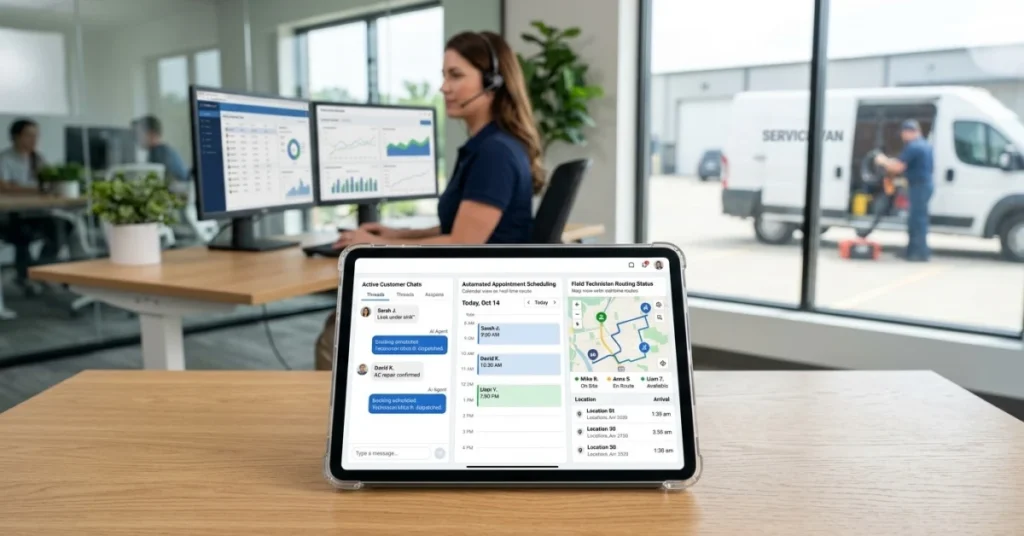
Implementing real-time appointment scheduling can have a significant impact on the efficiency and effectiveness of a business. By allowing customers to schedule appointments online and in real-time, businesses can reduce the time and resources spent on manual scheduling processes. This not only improves customer satisfaction, but also frees up valuable staff time to focus on other tasks.
Real-time appointment scheduling also allows businesses to better manage their resources. By having a clear view of upcoming appointments and availability, businesses can optimize their staff and equipment to ensure that they are being used to their fullest potential. This can result in cost savings and improved operational efficiency.
Furthermore, real-time scheduling can improve customer satisfaction by providing them with the convenience of scheduling appointments at their own convenience. This can lead to a better overall customer experience and increase the likelihood of repeat business and positive referrals.
Additionally, real-time appointment scheduling can also help businesses to reduce the likelihood of no-shows. By sending out automated reminders and confirmations, businesses can reduce the number of missed appointments and keep their schedule organized and on track.

Optimizing Routes for Efficient Service Delivery
When it comes to efficient service delivery, one of the key factors that can make a significant impact is the optimization of routes. By optimizing routes, businesses can not only save time and resources but also improve customer satisfaction. This is especially important for companies with delivery services or field service operations, as it directly affects their productivity and bottom line.
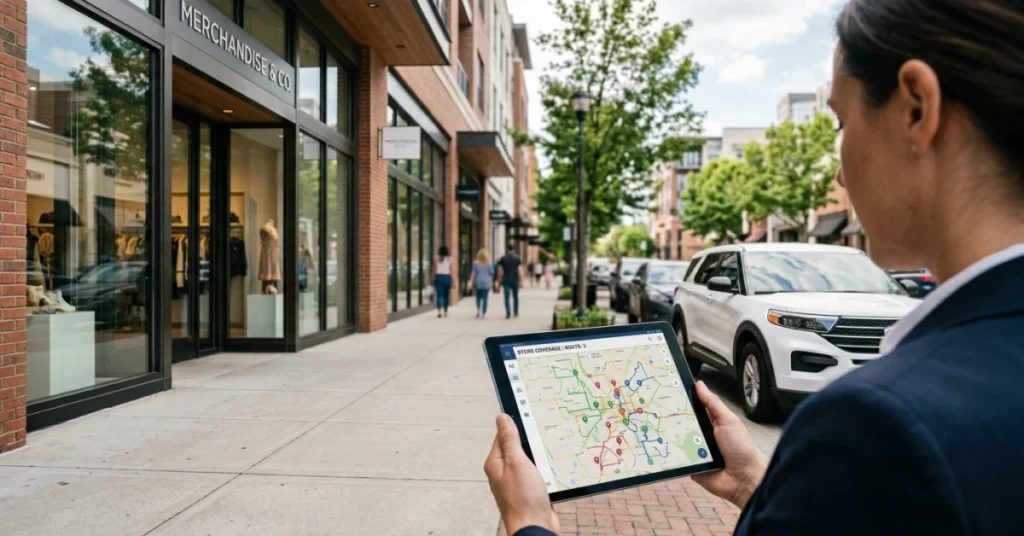
One way to optimize routes is by leveraging GPS technology and route planning software. These tools can help businesses identify the most efficient routes based on factors such as traffic, distance, and delivery windows. By using real-time data and algorithms, companies can ensure that their vehicles are taking the best possible routes to reach their destinations.
In addition to using technology, businesses can also optimize routes by considering factors such as delivery frequency, vehicle capacity, and driver schedules. By analyzing these variables, companies can create more efficient routes that minimize backtracking and unnecessary stops, ultimately leading to cost savings and improved service quality.
Overall, optimizing routes for efficient service delivery is essential for businesses looking to streamline their operations and provide better customer experiences. By leveraging technology and analyzing key variables, companies can ensure that their vehicles are taking the most efficient routes, ultimately leading to greater productivity and customer satisfaction.
Leveraging Mobile Technology for Better Communication
Communication is essential for businesses to succeed in today’s fast-paced and highly competitive market. Leveraging mobile technology can greatly improve communication between a company and its customers, as well as within the organization itself. Mobile technology provides the flexibility and convenience that traditional methods may lack, allowing for more efficient and effective communication.
One of the key benefits of using mobile technology for communication is the ability to reach customers wherever they are. With the widespread use of smartphones and other mobile devices, businesses can easily connect with their customers through various channels such as text messages, social media, and mobile apps. This allows for more personalized and targeted communication, leading to better customer engagement and satisfaction.
In addition to customer communication, mobile technology also enhances internal communication within an organization. Mobile devices enable employees to stay connected and collaborate in real-time, regardless of their location. This can improve productivity and decision-making processes, as well as overall efficiency within the company.
Furthermore, leveraging mobile technology for communication can provide valuable insights and data. By using mobile analytics and tracking tools, businesses can gain a better understanding of customer behavior and preferences. This information can be used to tailor communication strategies and improve the overall customer experience, ultimately leading to increased loyalty and retention.

Leveraging Analytics to Improve Service Quality
Analytics play a crucial role in improving service quality for businesses across various industries. By leveraging analytics tools, companies can gain valuable insights into customer behavior, market trends, and operational performance. These insights can be used to make data-driven decisions that ultimately lead to improved service quality and customer satisfaction.
One way businesses can leverage analytics to improve service quality is by analyzing customer feedback and sentiment. By using text analytics tools, companies can gain a deeper understanding of customer needs, preferences, and pain points. This information can then be used to make targeted improvements to products, services, or processes to better meet customer expectations.
Another way analytics can be used to improve service quality is by identifying and addressing operational inefficiencies. By analyzing data on service delivery, companies can identify bottlenecks, resource constraints, or other issues that may be impacting service quality. This insight can then be used to optimize processes, allocate resources more effectively, and ultimately improve the overall customer experience.
Furthermore, analytics can also be used to track and measure key performance indicators (KPIs) related to service quality. By monitoring KPIs such as response times, resolution rates, and customer satisfaction scores, companies can gain real-time visibility into service performance and take proactive measures to address any issues that may arise.
Frequently Asked Questions
How does understanding customer needs and expectations contribute to enhancing customer satisfaction?
Understanding customer needs allows field service management to provide tailored solutions, leading to improved customer satisfaction.
What are the benefits of implementing real-time appointment scheduling in field service management?
Real-time appointment scheduling allows for better coordination and reduced waiting times, leading to improved customer satisfaction and operational efficiency.
How can optimizing routes for efficient service delivery impact customer satisfaction?
Optimizing routes reduces service delivery times, leading to faster response to customer needs and ultimately improving customer satisfaction.
What role does leveraging mobile technology play in improving communication and customer satisfaction?
Leveraging mobile technology enables real-time communication and updates, leading to better customer engagement and ultimately improving customer satisfaction.
How can leveraging analytics help improve service quality and customer satisfaction?
Analyzing data from field service management helps in identifying areas for improvement, leading to better service quality and ultimately improving customer satisfaction.
How can field service management contribute to enhancing customer satisfaction?
Field service management plays a crucial role in understanding and meeting customer needs, optimizing operations, and leveraging technology to improve communication and service quality, ultimately leading to enhanced customer satisfaction.
What are the key factors in enhancing customer satisfaction through efficient field service management?
Understanding customer needs, real-time appointment scheduling, route optimization, mobile technology, and analytics are key factors in enhancing customer satisfaction through efficient field service management.