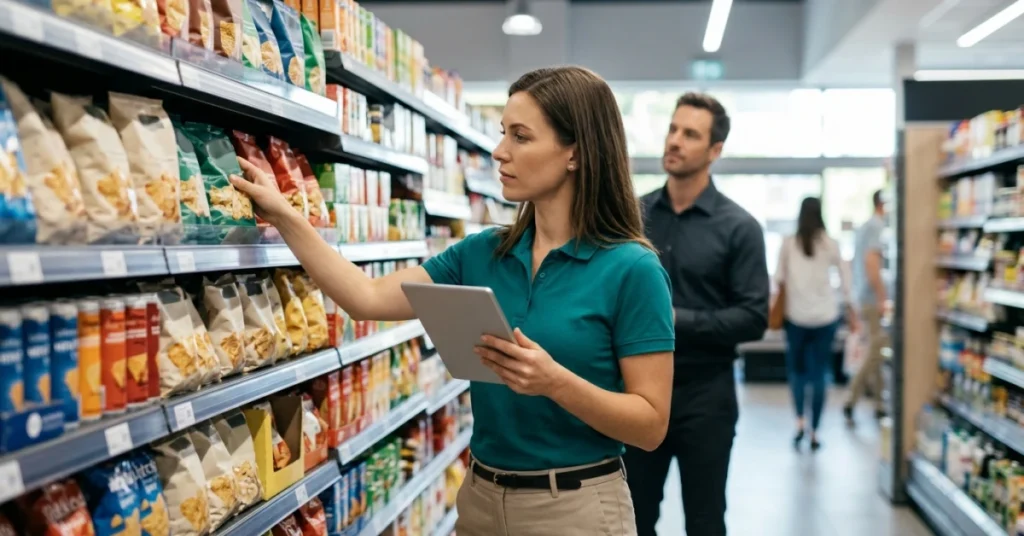




One of the most transformative innovations in recent years is image recognition in retail. Powered by artificial intelligence, this technology enables retailers to analyze visual data from store shelves, displays, and stockrooms.
By using image recognition in retail, businesses can:
-
Automate retail audits
-
Improve merchandising compliance
-
Monitor shelf availability
-
Optimize inventory management
-
Gain real-time insights from store images
As a result, retailers can move from manual store checks to data-driven retail operations.
In this article, we explore how image recognition in retail improves execution, automates audits, enhances compliance, and optimizes inventory management.
What Is Image Recognition in Retail?
Image recognition in retail refers to the use of artificial intelligence to analyze photos or videos from stores and identify products, shelf conditions, and merchandising compliance.
AI-powered algorithms process visual data and detect patterns, allowing retailers to understand what is happening in stores without manual inspection.
This technology enables systems to:
-
Identify products on shelves
-
Detect out-of-stock items
-
Recognize misplaced products
-
Check planogram compliance
-
Monitor promotional displays
By turning visual data into actionable insights, image recognition in retail helps retailers improve operational efficiency and decision-making.
Improving Retail Execution with Image Recognition
Retail execution is built on a simple principle: the right product must be available in the right place at the right time. If shelves are empty, products are misplaced, or promotions are not displayed correctly, retailers lose both sales and customer trust.
Traditionally, store teams rely on manual checks, spreadsheets, and periodic audits to monitor shelf conditions. However, these methods are slow, inconsistent, and often fail to provide real-time visibility across multiple stores.
This is where image recognition in retail transforms store execution.
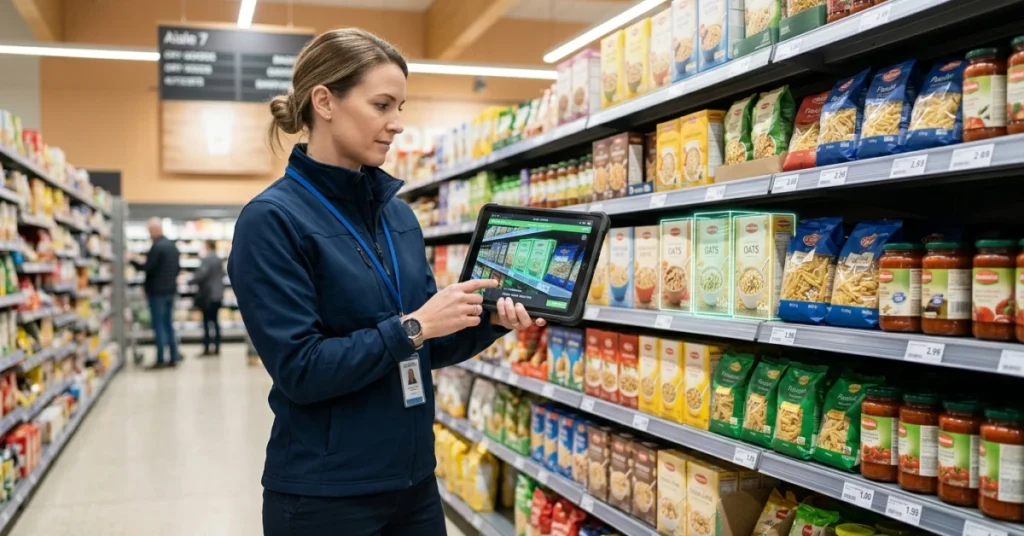
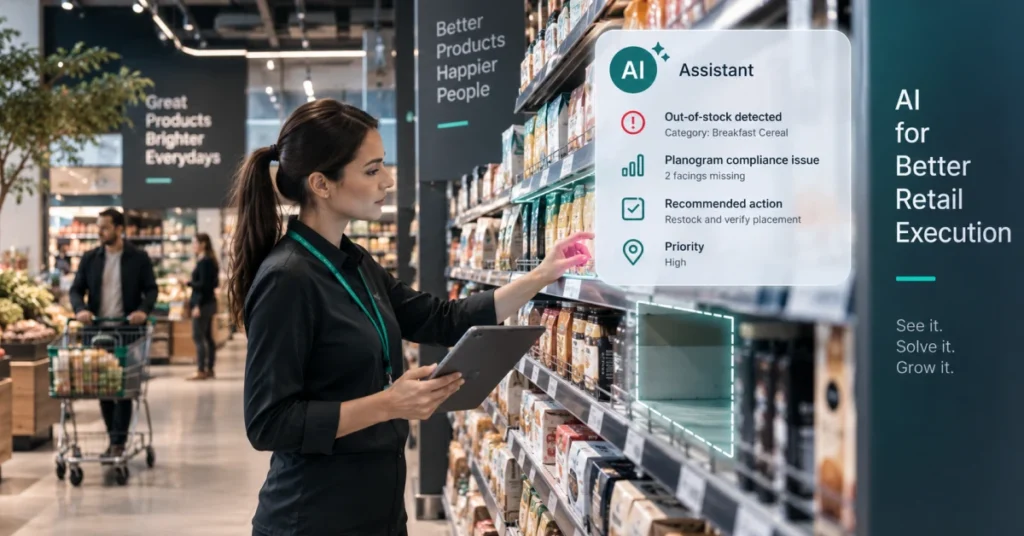
By analyzing shelf images captured through mobile devices or in-store cameras, AI systems can automatically detect product placement, stock levels, and compliance issues.
How Image Recognition Improves Retail Execution
Using image recognition in retail, companies can automate many operational tasks that previously required manual inspection.
Retailers can:
-
Automatically detect out-of-stock products
-
Monitor planogram compliance
-
Identify misplaced items on shelves
-
Verify promotional displays
-
Track shelf availability across stores
Because AI processes images instantly, retailers gain real-time insights into store conditions without relying on manual reporting.
Key Benefits for Retail Operations
Implementing image recognition in retail helps companies improve both store performance and operational efficiency.
Major benefits include:
-
Faster shelf inspections across multiple locations
-
Reduced manual retail audits and reporting tasks
-
Real-time visibility into store execution
-
Improved on-shelf availability and product placement
-
More accurate operational data for decision-making
These insights allow managers to identify problems early and take corrective action before they impact sales.
Better Customer Experience and Sales Performance
When shelves are properly stocked and organized, customers can easily find the products they want. This directly improves the shopping experience and increases conversion rates.
By using image recognition in retail, businesses ensure that products are consistently available and displayed according to merchandising standards.
At the same time, store teams benefit from reduced manual workload, allowing them to focus more on customer service and sales rather than repetitive shelf checks.
As a result, retailers achieve stronger store execution, higher operational efficiency, and improved sales performance.
Automating Retail Audits with Image Recognition
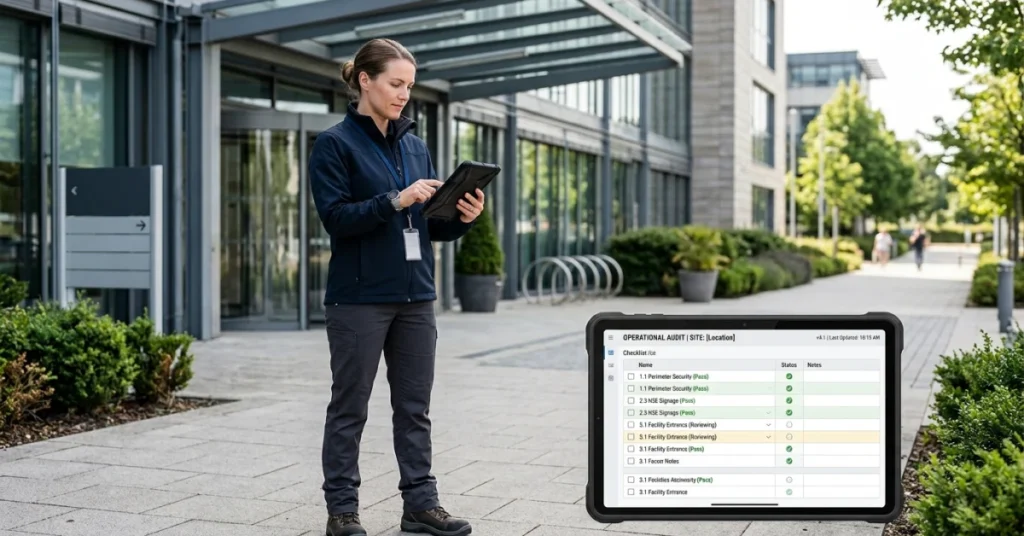
Retail audits traditionally require employees to inspect shelves manually and record findings.
This process is time-consuming and prone to human error.
With image recognition in retail, audits can be automated.
Retailers can:
-
Capture shelf photos with mobile devices
-
Automatically detect compliance issues
-
Identify missing products
-
Verify promotional displays
The result is a faster, more consistent audit process.
Retail managers gain instant reports that show which stores meet merchandising standards and which require corrective action.
Enhancing Merchandising Compliance
Maintaining consistent merchandising across stores is a major challenge for large retail networks.
Even small deviations in product placement can impact brand visibility and sales.
Image recognition in retail helps brands ensure merchandising standards are followed.
The technology can detect:
-
Incorrect product placement
-
Missing promotional materials
-
Planogram violations
-
Shelf layout inconsistencies
By identifying these issues early, retailers can take corrective action and maintain consistent in-store brand representation.
Optimizing Inventory Management
Inventory management is another area where image recognition in retail delivers major value.
Traditional inventory checks rely on manual counting or barcode scanning.
These methods are slow and often inaccurate.
Using visual analysis, retailers can:
-
Monitor shelf stock levels in real time
-
Detect out-of-stock items instantly
-
Identify low-stock situations
-
Track product availability across stores
This helps businesses reduce both stockouts and overstocks.
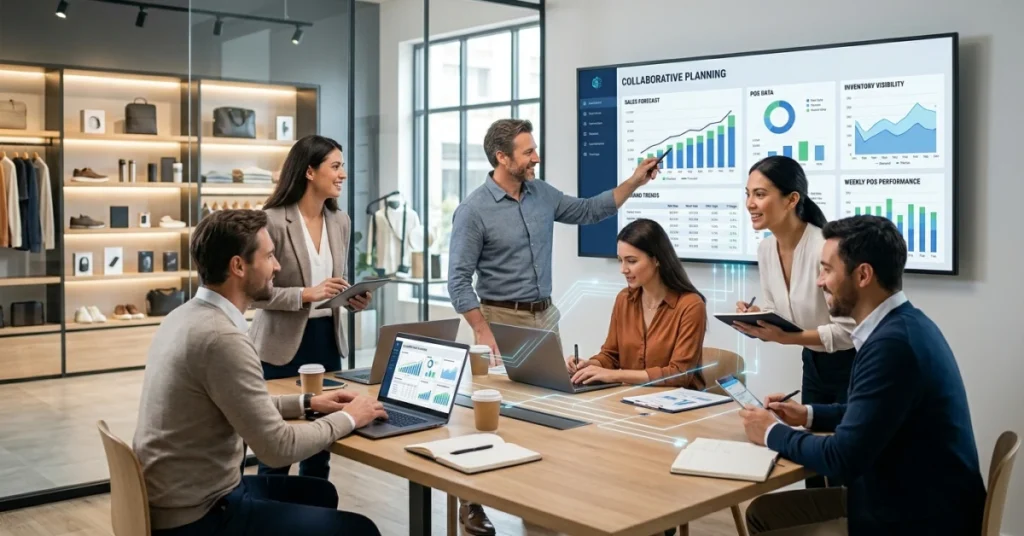
Retailers can also combine image data with analytics to forecast demand and improve replenishment decisions.
Key Benefits of Image Recognition in Retail
Retailers implementing image recognition in retail typically experience significant operational improvements.
Major benefits include:
-
Automated store audits
-
Improved merchandising compliance
-
Real-time shelf visibility
-
Better inventory accuracy
-
Faster operational decision-making
-
Higher customer satisfaction
Ultimately, the technology helps retailers bridge the gap between strategy and store-level execution.
What are the challenges of implementing image recognition?
Some retailers may face challenges such as:
-
Initial technology investment
-
Training AI models with product images
-
Data privacy considerations
-
System integration with existing retail software
However, the long-term operational benefits typically outweigh these challenges.

Frequently Asked Questions
What is image recognition in retail?
Image recognition in retail is an AI technology that analyzes store images to detect products, shelf conditions, and merchandising compliance.
How does image recognition improve retail execution?
It enables retailers to automatically monitor shelves, detect out-of-stock products, and ensure planogram compliance across stores.
Can image recognition automate retail audits?
Yes. Retailers can capture store images with mobile devices and automatically generate audit reports using AI.
How does image recognition help inventory management?
The technology monitors shelf stock levels, detects missing products, and provides real-time insights into product availability.
Is image recognition scalable for large retail operations?
Yes. Modern AI systems can process thousands of store images daily, making image recognition in retail scalable for global retail networks.
Conclusion
In today’s fast-moving retail environment, manual store checks are no longer enough. Image recognition in retail enables companies to monitor shelves, detect compliance issues, and manage inventory with real-time insights. By turning store images into actionable data, retailers can improve execution, maintain product availability, and deliver a better shopping experience.
Discover how image recognition in retail can help your team automate audits, improve merchandising compliance, and gain real-time shelf visibility.
👉 Explore how FieldPie supports smarter retail execution with AI-powered image recognition.