


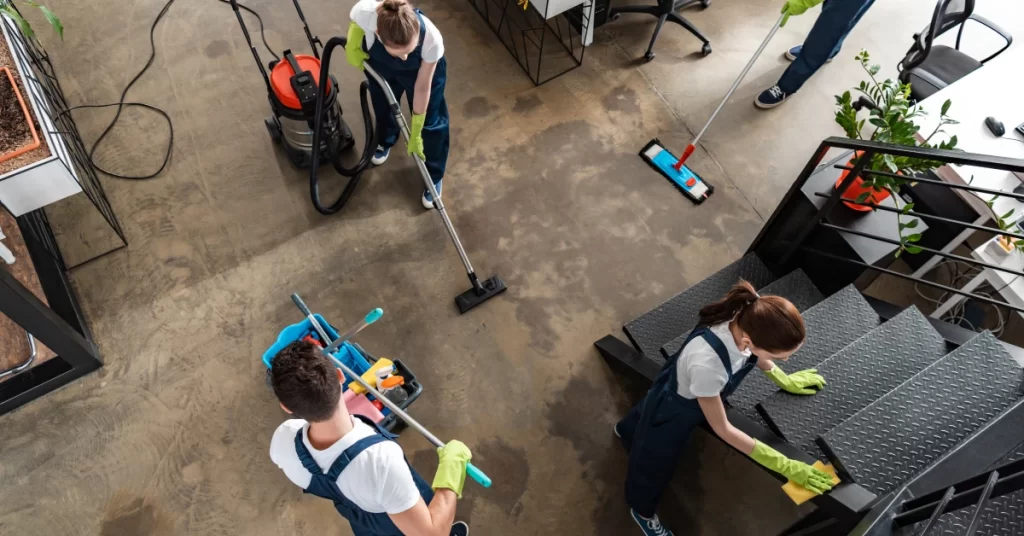
A well-executed cleaning audit checklist is an essential tool for any business. Cleaning is not just a visual concern; it also affects your business’s professionalism, safety, and compliance.
In this article, we’ll explore why a cleaning audit checklist is so important, how often you should perform them, and how to implement the most effective audit process for your business.
Why a Commercial Cleaning Audit Checklist Is Essential?
A thorough cleaning audit checklist offers several key benefits for any business:
- Consistency & Efficiency: Regular audits ensure all cleaning tasks from daily trash removal to monthly deep carpet cleaning are completed properly and on time.
- Compliance & Safety: Audits help verify that restrooms, kitchens, and common areas meet health and safety regulations, minimizing risks.
- Professionalism: Maintaining clean entryways, lobbies, and meeting rooms reinforces a positive image for clients, visitors, and employees.
How Often Should You Conduct a Cleaning Audit?
Determining the right frequency for your audits is crucial to maintaining high cleaning standards.High-traffic areas like restrooms, kitchens, and reception zones should be audited weekly, ensuring that hygiene risks are caught early.
Office spaces and meeting rooms can often be reviewed monthly, while full facility-wide audits should be conducted at least quarterly to spot trends and address deeper cleaning needs.
The frequency can also be adapted seasonally or during special events when higher foot traffic demands even stricter control.
Get Started Quickly
Download Our Free Commercial Cleaning Audit Checklist (PDF)!
Jumpstart your audit process with our easy-to-use template and ensure your facility stays clean, safe, and compliant.
[elementor-template id=”6878″]
Your Commercial Cleaning Audit Structure
A strong cleaning audit covers tasks on a daily, weekly, and monthly basis, adapted to each specific area of your facility.
Here’s a streamlined breakdown to guide your audit process:
Daily Commercial Cleaning Tasks
General Areas:
- Empty all trash bins and replace liners; sanitize bins as needed.
- Vacuum carpets in offices, corridors, and meeting rooms.
- Wipe and disinfect high-touch surfaces like door handles, telephones, and desks.
- Dust horizontal surfaces, including windowsills and filing cabinets.
- Sweep or mop hard floors, paying extra attention to entrances and common areas.
- Clean and polish drinking fountains or water coolers.
Reception, Lobbies, and Meeting Rooms:
- Dust and disinfect surfaces (counters, tables, chairs).
- Wipe glass doors and partition glass to remove fingerprints.
- Disinfect shared technology in meeting spaces (projectors, screens, whiteboards).
Restrooms:
- Stock toilet paper, towels, and soap dispensers.
- Clean and disinfect toilets, sinks, urinals, and mirrors.
- Mop floors with disinfectant and wipe down walls around sinks.
- Empty sanitary bins and trash bins, disinfecting exteriors.
Kitchen/Coffee Areas:
- Clean countertops, sinks, tables, and chairs.
- Wipe down the exterior of microwaves, refrigerators, and other appliances.
- Empty and sanitize trash bins; clean surrounding wall areas.
Corridors/Walkways and Elevators:
- Sweep, mop, or vacuum corridor floors.
- Dust handrails, walls, light switches, and clean elevator buttons and mirrors.
Outdoor Entrances:
- Collect trash and debris around entrances.
- Clean glass doors and disinfect push bars.
- Sweep sidewalks and entryways.
Weekly Commercial Cleaning Tasks
Each week, your cleaning audit should include:
- Deep carpet vacuuming in high-traffic areas.
- Furniture cleaning (dusting and polishing desks, chairs, and other surfaces).
- Window cleaning (inside and outside).
- Detailed kitchen appliance cleaning (microwaves, coffee machines, refrigerators).
- Restroom deep cleaning, including partitions and air ducts.
- Corridor and handrail deep cleaning.
- Outdoor maintenance such as pressure washing walkways and cleaning signage.
Monthly Commercial Cleaning Tasks
On a monthly basis, audits should check for:
- Furniture deep cleaning (underneath and behind desks and cabinets).
- Carpet shampooing or arranging professional carpet cleaning.
- Restroom wall and exhaust fan cleaning, including descaling toilets and urinals.
- Appliance deep cleaning (inside and outside of fridges, microwaves, coffee machines).
- Deep window cleaning both internally and externally.
- Elevator full technology and wall cleaning.
- Outdoor pressure washing and outdoor furniture cleaning.
Create Invoices in Seconds
Use Our Free Invoice Generator Tool!
Generate professional invoices effortlessly with our easy-to-use, free tool. Create invoices immediately after your commercial cleaning jobs, saving time, staying organized, and getting paid faster!
Click Here to Use Our Free Invoice Generator Tool
Benefits of a Thorough Cleaning Audit for Your Business
A meticulous field audit process offers far more than just surface-level benefits. It impacts several key business metrics, helping businesses become safer, smarter, and more profitable.
- Customer Satisfaction: A clean environment directly influences customer satisfaction, enhancing how customers perceive a brand and leading to repeat business and referrals.
- Employee Morale and Productivity: Regular field audits improve employee morale and productivity by maintaining a clean, safe workspace, reducing turnover and saving on hiring and training costs.
- Safety and Compliance: Ensuring compliance with health and safety standards through regular audit processes minimizes the risk of workplace accidents and illnesses, helping businesses avoid penalties and legal issues.
- Brand Reputation: A commitment to cleanliness, demonstrated through a structured audit process, elevates your company’s professional image, attracting clients and fostering loyalty, which in turn drives revenue growth.
- Operational Efficiency and Cost Savings: Regular audits reveal opportunities to optimize resources and reduce costs, contributing to better operational efficiency and increased profitability.
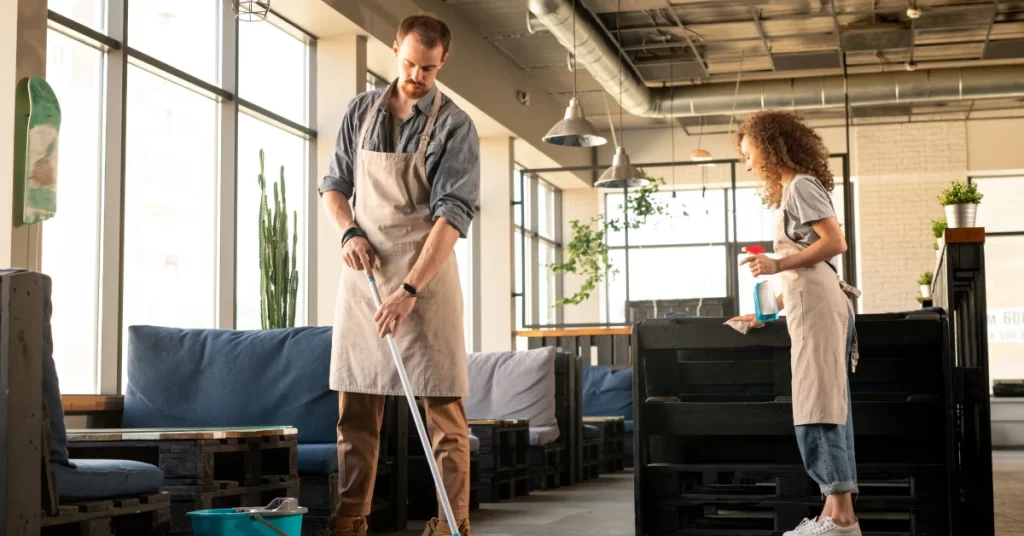
How to Implement Your Commercial Cleaning Audit?
To make your cleaning audit effective:
- Use Digital Tools
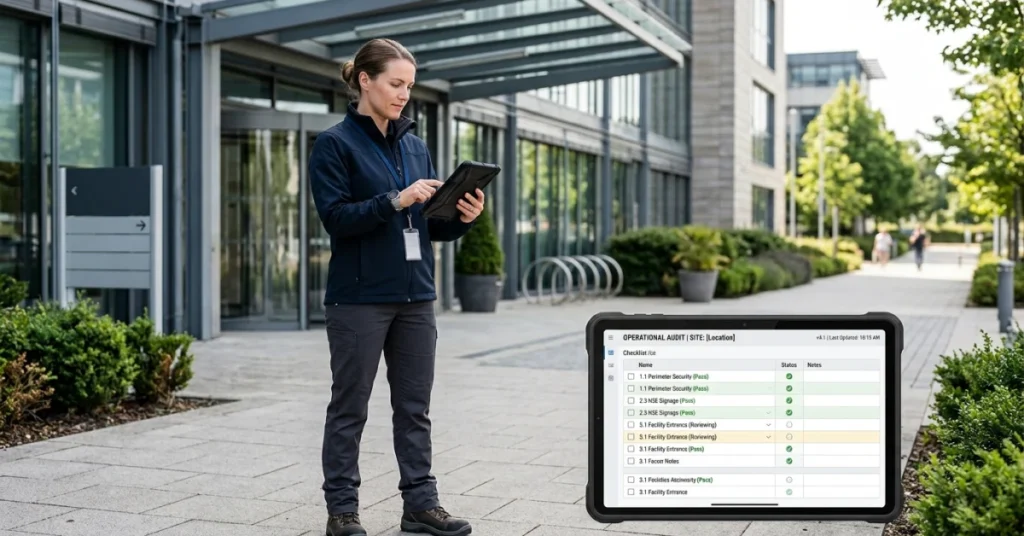
Simplify your cleaning audit process with FieldPie’s field audit software. Track daily, weekly, and monthly tasks easily through a digital checklist, and update progress in real-time. Assign responsibilities efficiently and ensure every task is completed on schedule, helping you stay organized and on top of your cleaning needs.
- Ensure Compliance
Record audit results and keep a history of inspections for easy reporting. This ensures your cleaning program meets safety standards and stays compliant with regulations.
- Stay Organized
Automate reminders for scheduled deep cleans and maintenance activities, ensuring nothing gets overlooked.
Conclusion
Regular cleaning audit checklists are essential for maintaining a safe, professional, and compliant workplace. By organizing tasks into clear checklists and leveraging digital tools, you can streamline your cleaning processes for sustained success.
Ready to elevate your cleaning audits? FieldPie’s field audit software streamlines management with real-time tracking and optimization for a safer, cleaner workplace. Request a demo and see how it can transform your operations!