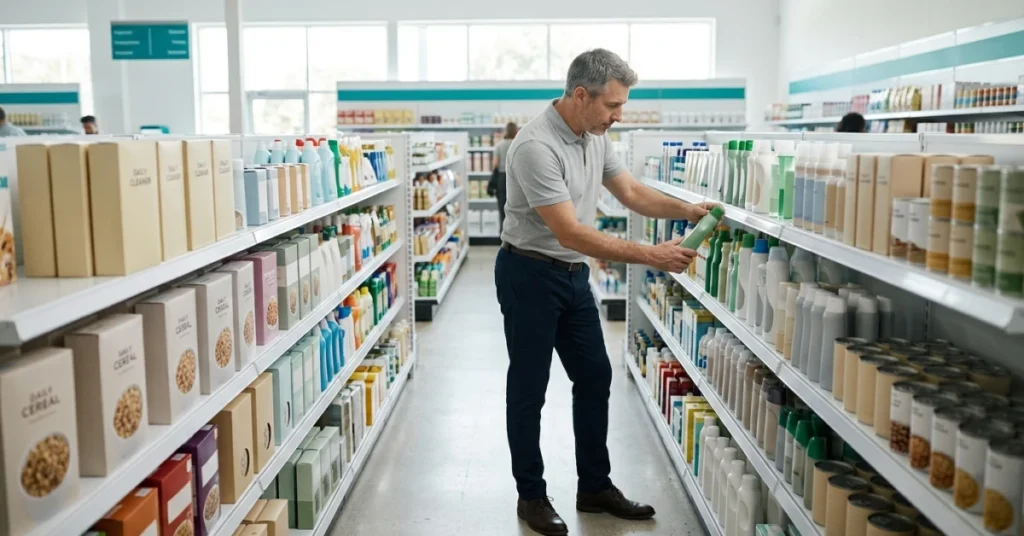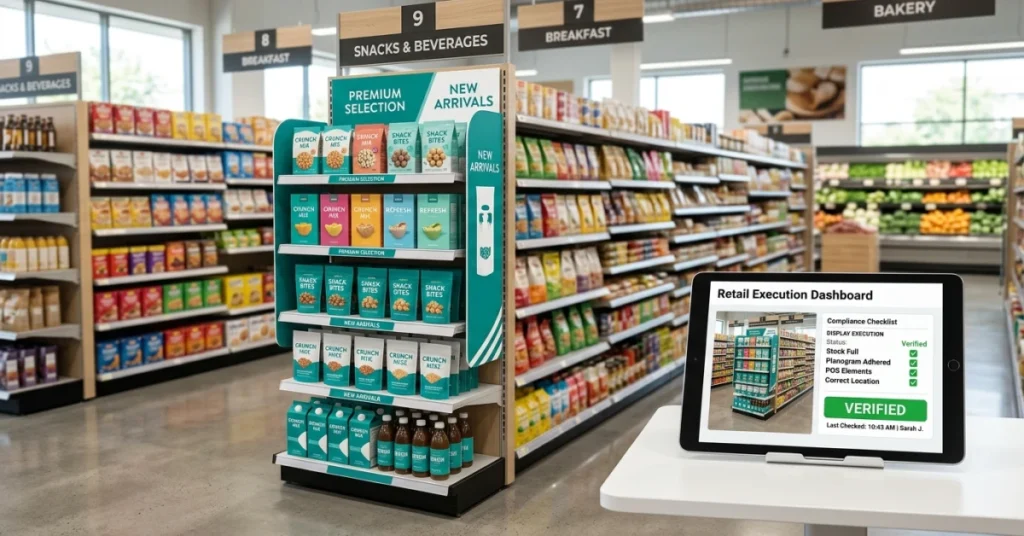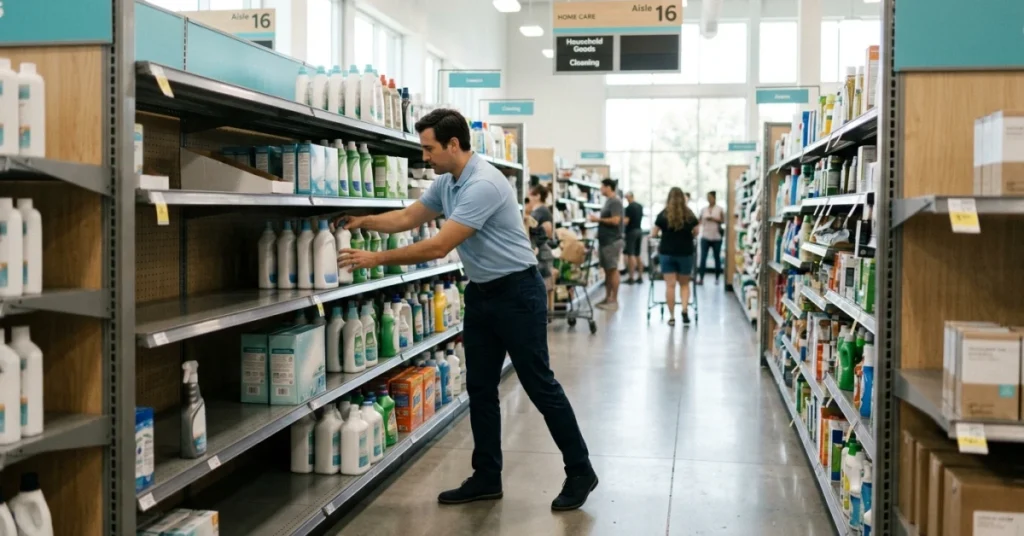




Retail displays do more than just hold products—they shape shopper behavior. They grab attention and influence purchase decisions, so the right display can have a direct impact on sales. Understanding which display types work best helps retailers turn in-store space into a powerful sales tool.
Why Retail Displays Matter
- Influence impulse purchases: Many in-store purchases are unplanned – roughly 6 out of 10 retail buys happen on impulse. Strategic displays trigger these spur-of-the-moment buys by putting tempting products in shoppers’ sightlines at the right time.
- Improve product visibility: A well-placed display makes products stand out. End-of-aisle “end cap” placements can increase a product’s exposure by as much as 93% compared to a standard shelf. Greater visibility means more shoppers notice the item.
- Reinforce brand perception: Consistent, well-branded signage and fixtures can boost revenue by up to 23%frankmayer.com by strengthening customer recognition and trust at the point of purchase.
Support promotions and seasonal campaigns: Retail displays can be quickly customized or swapped out for new themes. Retailers use them to roll out holiday promotions or limited-time campaigns and ensure these offers catch shoppers’ eyes.
The Most Effective Types of Retail Displays
Below are some of the most effective display types and why they work:
End Cap Displays
End cap displays sit at the ends of store aisles, making them highly visible to every shopper. Retailers often use these prime spots for promotions or bestsellers, as end caps frequently spark impulse buys.
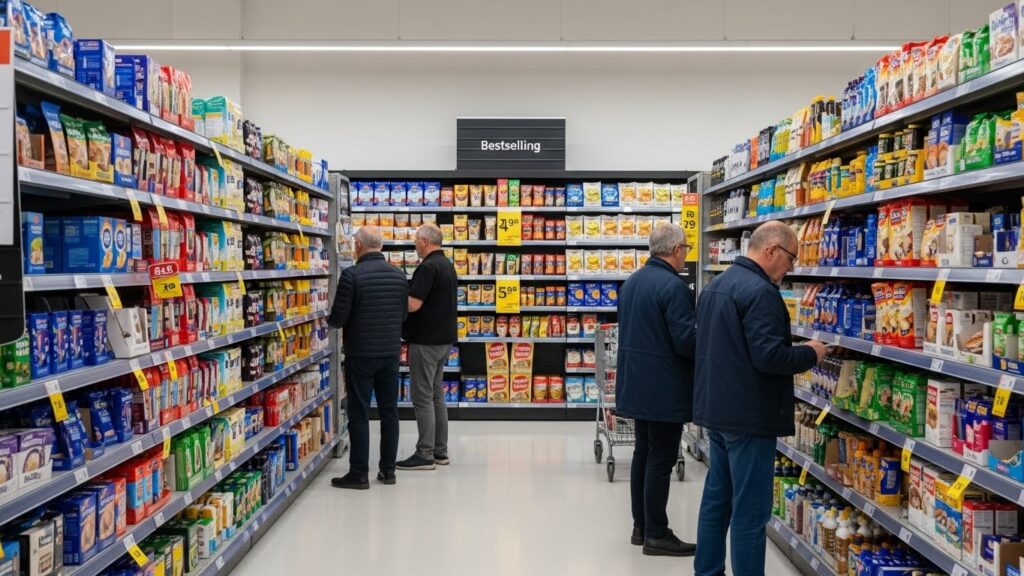
Industry Insight: End-of-aisle displays deliver outsized results. One analysis linked end caps with a 93% boost in product visibility and a 32% increase in sales for the featured products. It’s no surprise these fixtures are known to capture many impulse purchases.
Point-of-Purchase (POP) Displays
POP displays by the checkout counter target shoppers at the final stage of their shopping trip. They usually feature small, easy-grab items (like candy or travel minis) to encourage last-minute additions to the purchase.
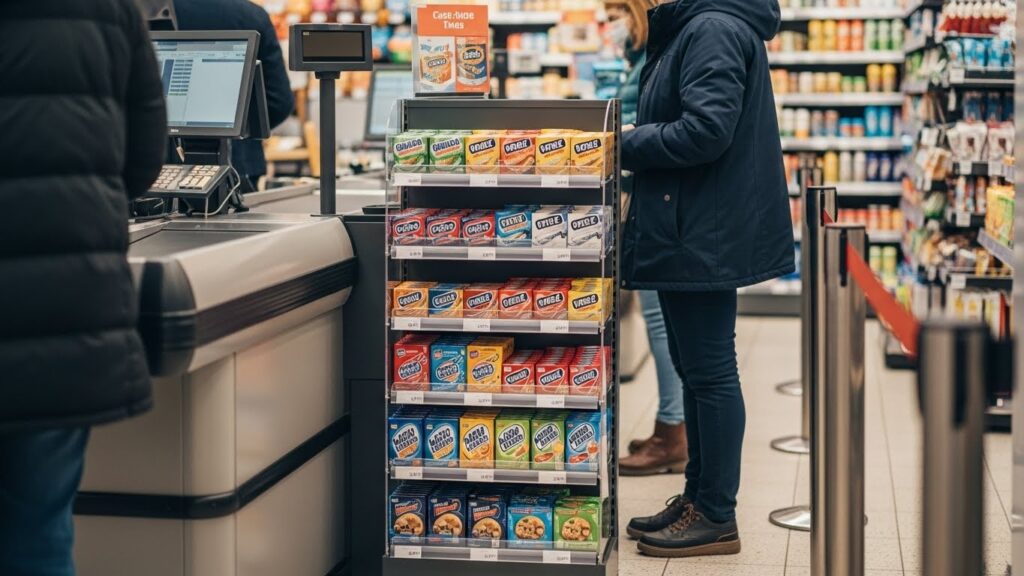
Industry Insight: In-store shoppers are about three times more likely to add impulse items to their cart than online shoppers. That’s why checkout lane displays are so effective – they capitalize on this tendency, turning idle wait time into additional sales.
Freestanding Display Units (FSDUs)
FSDUs are standalone floor displays that can go in high-traffic areas anywhere in the store. They catch shopper attention outside regular shelf aisles and offer ample branding space – great for new launches, promotions, or seasonal campaigns.
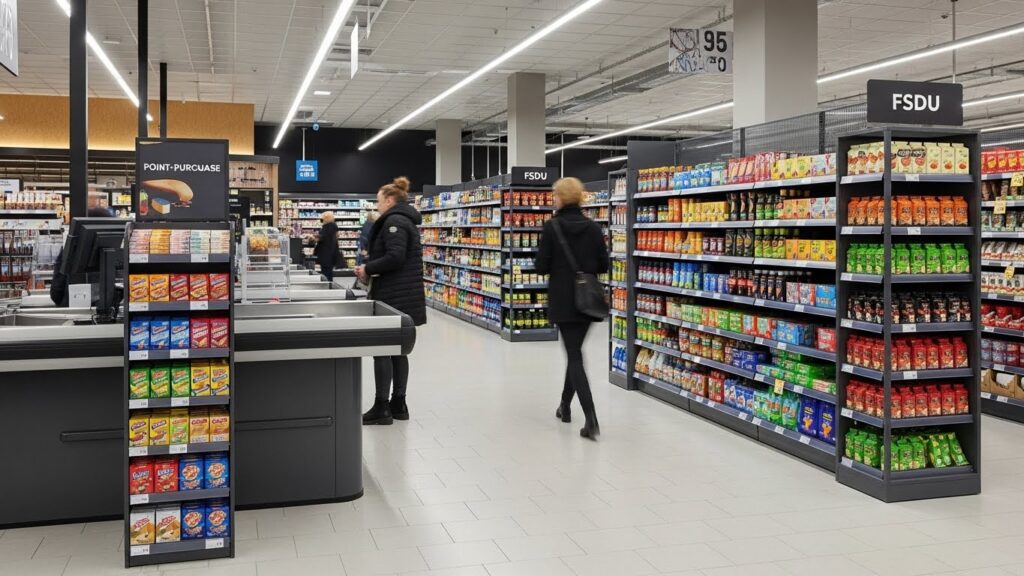
Industry Insight: Well-executed off-shelf displays like FSDUs can deliver a tangible sales lift. One study found that adding merchandising displays in stores led to roughly a 30% increase in product sales on average. This highlights how grabbing shoppers’ attention with a prominent FSDU can directly boost revenue.
Shelf-Ready Displays
Shelf-ready displays (retail-ready packaging) are products pre-packed in a tray or case that goes straight onto the shelf. This makes restocking faster and ensures a consistent presentation in every store, improving compliance with planograms.
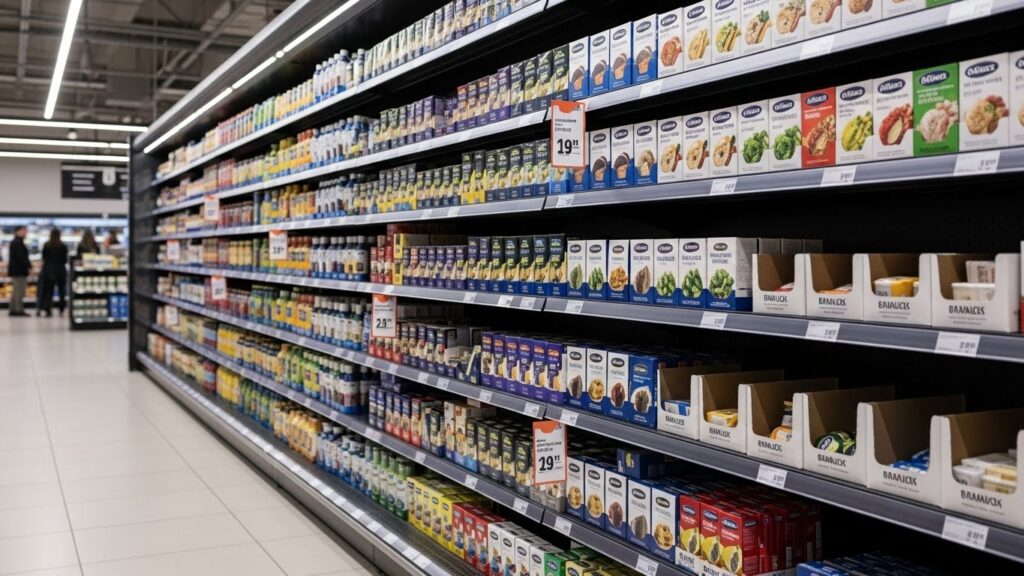
Industry Insight: Major retailers favor shelf-ready packaging because it reduces labor and keeps shelves looking full. Studies show that using shelf-ready displays can cut restocking time by around 50% (sometimes more) compared to traditional stocking methodsinsights.fetchingpack.com. This efficiency means products stay available and neat with less staff effort.
Window Displays
Window displays are the themed product arrangements showcased in a store’s front window. An eye-catching window can draw passersby into the store and set a seasonal or story-driven theme that intrigues shoppers.
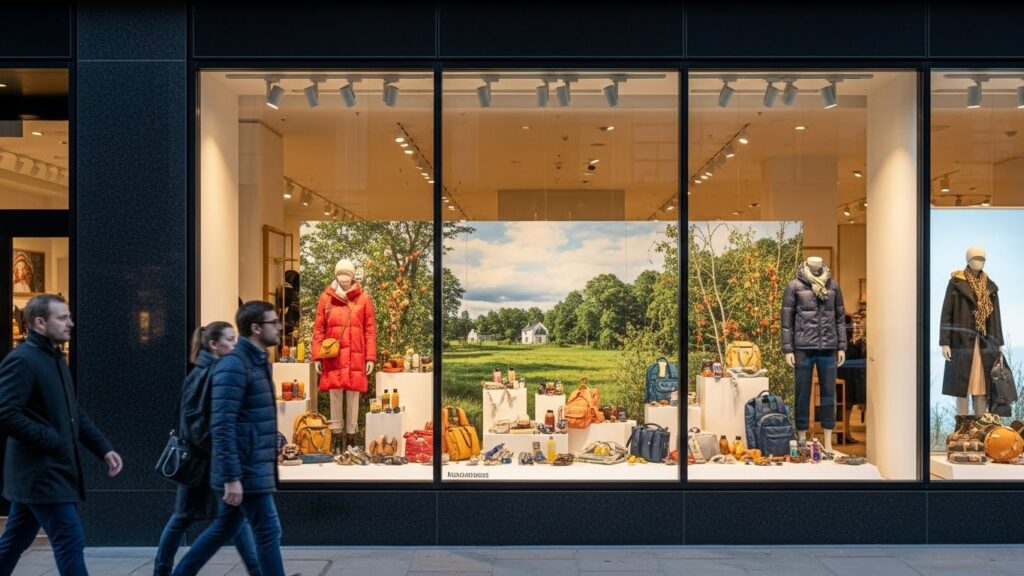
Industry Insight: An attractive window can significantly increase store visits. Industry benchmarks indicate that well-designed window displays can boost foot traffic by about 23%, as more passersby stop and decide to enter the shop.
Interactive & Digital Displays
Interactive and digital displays use screens or devices (like video walls, touch kiosks, or tablets) to engage customers with dynamic content. They provide product information or experiences that hold shopper attention longer, which is especially useful for complex or high-end products.
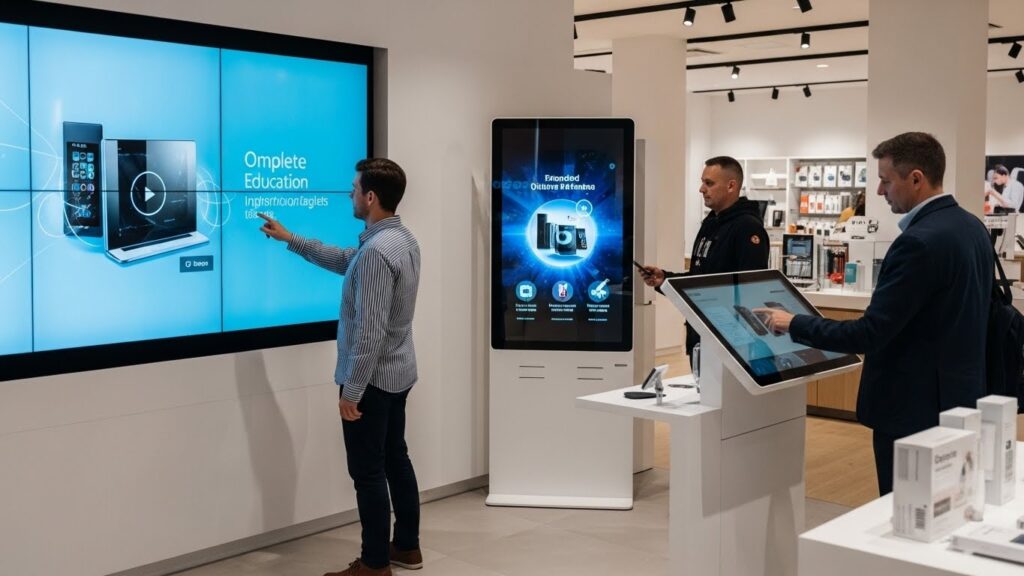
Industry Insight: Digital signage and interactive kiosks don’t just look cool – they drive results. Retailers who add digital displays have seen average sales increases around 30% in-store.
Choosing the Right Display for Your Goal
Selecting the right display depends on your goal and product. If you want to build awareness, choose options with maximum visibility (e.g. window displays or large in-aisle setups). If you need to drive quick conversions, use displays at the point of purchase (end caps or checkout POP).
Short-term promotions benefit from temporary displays, while long-term visibility calls for permanent fixtures. Also adapt to the product – high-value items may need informative or interactive displays, whereas low-cost impulse goods thrive on simple, convenient placements.
Common Mistakes to Avoid
Even a great display concept can falter due to poor execution. Watch out for these mistakes:
- Overcrowding: Cramming too many products or messages in one display can overwhelm shoppers. A cluttered display reduces impact – it’s better to keep it focused.
- Poor placement: A display in a low-traffic or hidden spot won’t get results. Avoid tucking displays in corners or behind obstructions; high visibility is critical.
- Inconsistent execution: Every store needs to set up the display correctly. One analysis found 42% of planned displays were never implemented properly – an inconsistent rollout means many shoppers never see the promotion.
- Ignoring shopper flow: Displays should enhance, not block, the shopping path. Don’t create aisle bottlenecks or force detours. Place fixtures along natural traffic patterns so they invite shoppers in rather than frustrate them.
Measuring Retail Display Effectiveness
To gauge if a retail display is working, track these metrics:
- Sales lift: The increase in product sales with the display in place (versus without it).
- Conversion rate: The percentage of shoppers who see the display that actually buy the product.
- Dwell time: How long shoppers spend at the display (longer usually means higher interest).
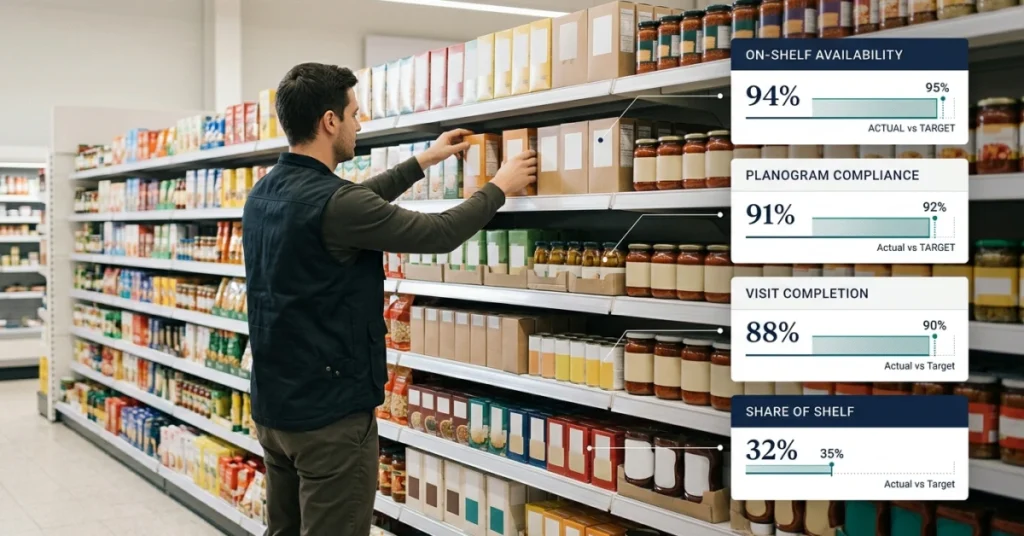
- Compliance: Whether the display was executed properly in all intended stores (a display can’t drive sales if it isn’t actually in place).

Conclusion
Effective retail displays combine visibility, strategy, and solid execution. When a display aligns with shopper behavior and your goals, it can significantly boost in-store engagement and sales. By choosing the right format for your needs – and avoiding common pitfalls – you can turn retail displays into reliable sales drivers.
Turn display strategy into measurable results.
Track execution, monitor compliance, and see what’s really happening on the shelf with FieldPie.
👉 Book a demo and turn in-store execution into sales impact.