


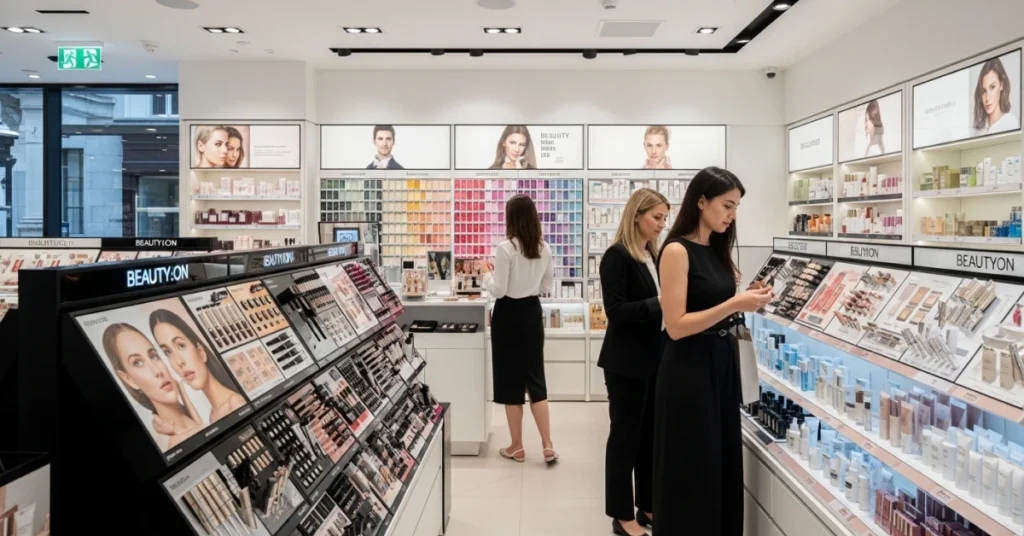
Beauty merchandising is the strategic presentation of cosmetics and skincare products to influence purchase decisions, strengthen brand perception, and create memorable shopping experiences. It combines visual storytelling, consumer psychology, and retail execution to guide shoppers through discovery, comparison, and purchase.
With the global beauty market exceeding $500 billion, merchandising must reflect the category’s core value — selling aspiration, transformation, and self-expression, not just products.
Effective beauty merchandising includes:
- Highlighting new launches and hero products
- Cross-merchandising routines (cleanser → serum → moisturizer)
- Seasonal and trend-driven displays
- Shade walls and tester-driven discovery zones
- Social-media-inspired, shareable visual setups
The objective is simple: convert browsers into buyers and customers into loyal brand advocates.
Why Beauty Merchandising Matters
With beauty sales projected to reach $580 billion by 2027, passive shelf placement is no longer enough. Brands need active, data-driven merchandising to stand out in a crowded market.
Strong beauty merchandising:
- Improves product visibility and discovery
- Increases conversion through interactive and experiential displays
- Reduces decision friction with clear routine-based organization
- Enhances purchase confidence through testers and digital try-on
Modern beauty consumers expect:
- Instant gratification
- Personalization
- Authentic brand connection
Retailers who deliver these through structured merchandising consistently outperform passive retail environments.
How Beauty Merchandising Drives Retail Performance
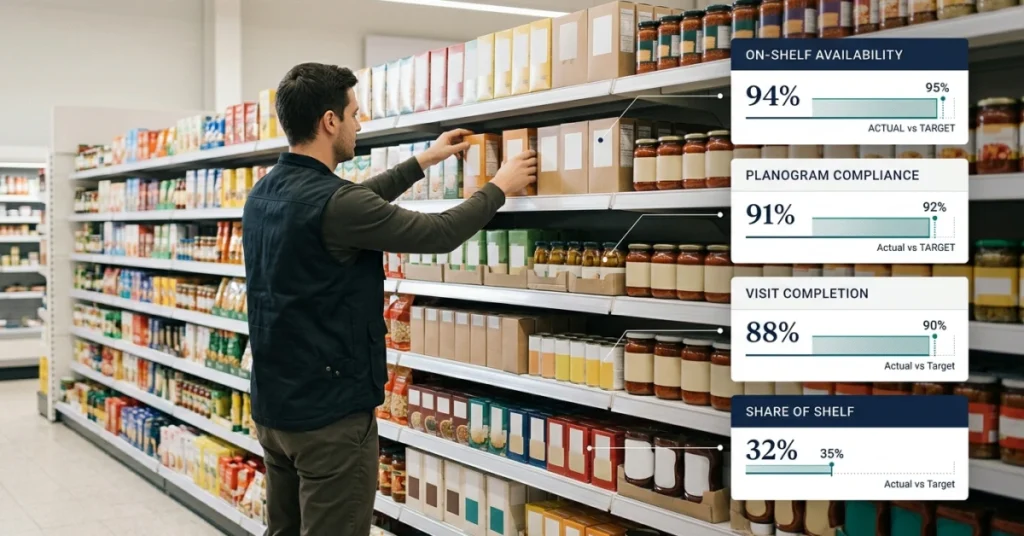
Beauty merchandising is not just visual — it is measurable. High-performing brands manage merchandising through execution KPIs and in-store analytics.
Key performance drivers include:
- Conversion rate uplift from improved visibility and tester usage
- Increased basket size through cross-merchandising routines
- Higher dwell time in interactive display zones
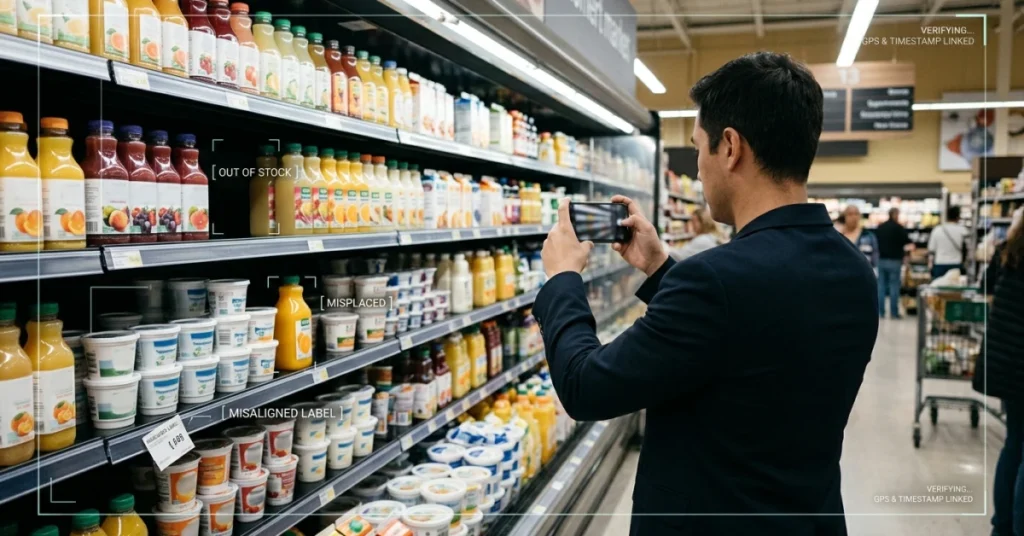
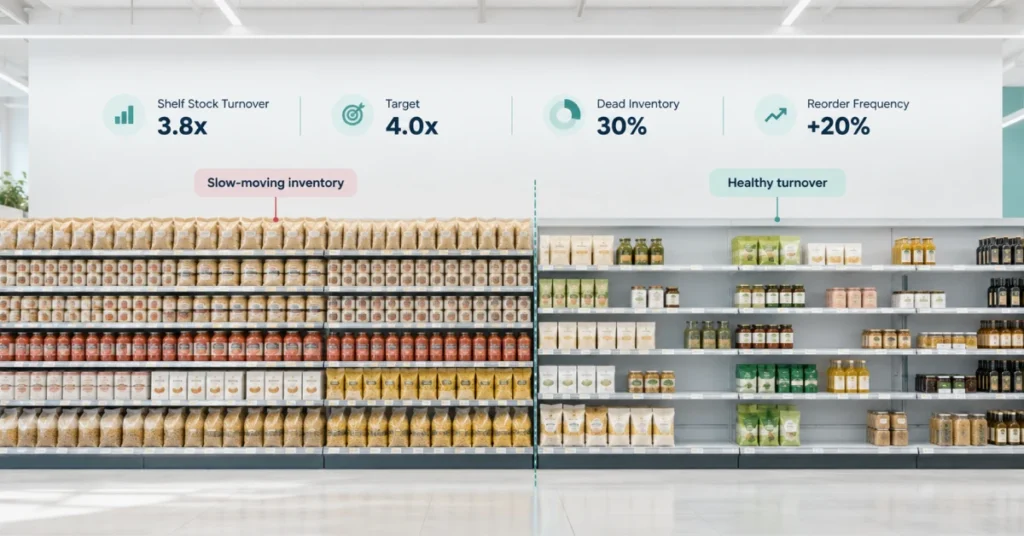
- Reduced out-of-stocks improving on-shelf availability (OSA)
- Planogram compliance ensuring consistent execution
Retailers increasingly track:
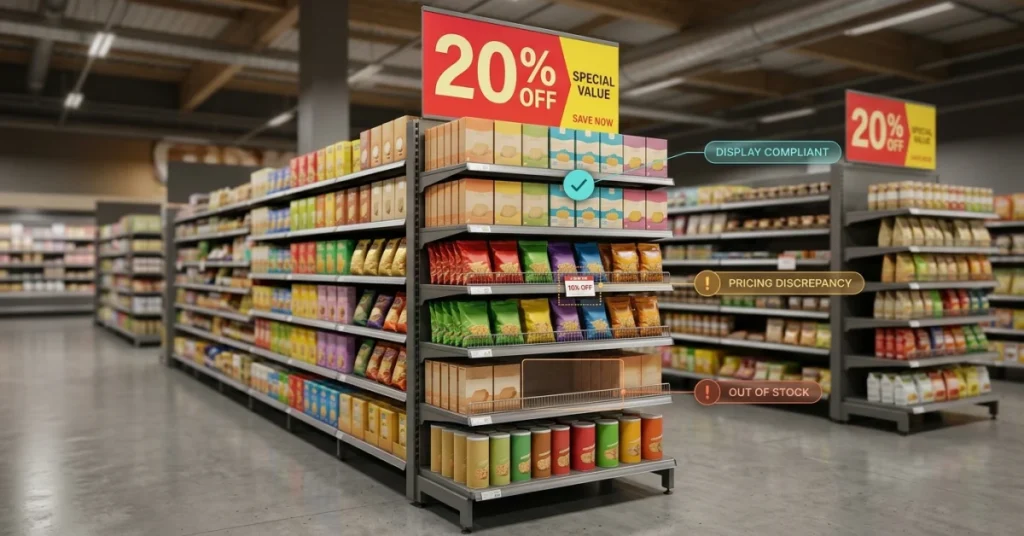
- Display compliance
- Shelf share and product visibility
- Execution consistency across stores
- Shopper interaction with testers and displays
Execution-focused merchandising turns visual strategy into measurable revenue impact.

Step-by-Step: How to Execute Beauty Merchandising in Store
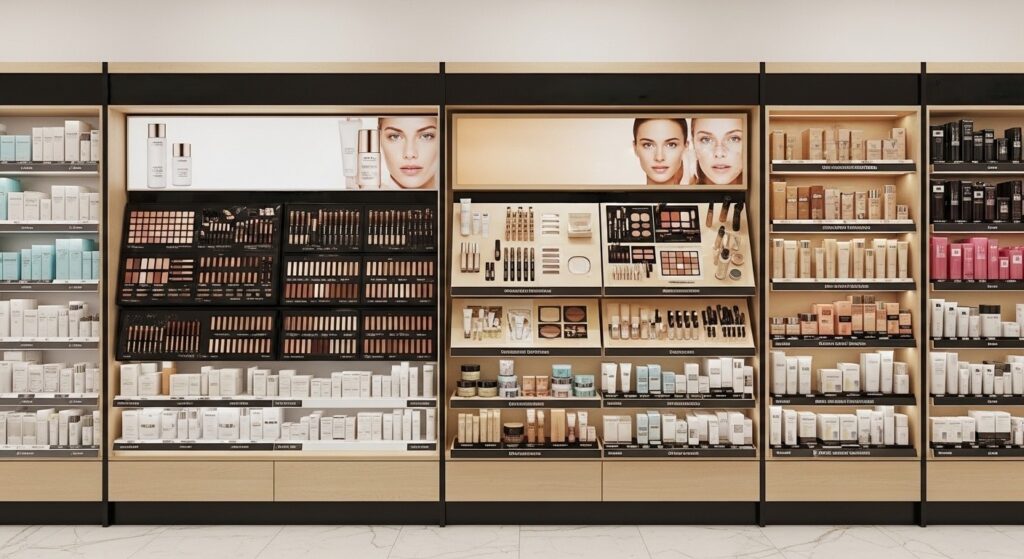
Executing beauty merchandising effectively requires a structured, repeatable approach. In high-traffic beauty environments, even small execution details can impact conversion, basket size, and shopper behavior. Follow these six steps to turn merchandising strategy into measurable in-store performance.
Step 1: Define Category Zones (Make Navigation Effortless)
Start by clearly separating core categories such as skincare, makeup, and fragrance. Within each category, organize products by function — for example: cleanse → treat → hydrate in skincare.
Use clear visual breaks (shelving, color blocks, signage) to avoid shopper confusion.
Execution tips:
- Keep each category visually distinct from 1–2 meters away
- Limit each shelf section to a single routine or product logic
- Avoid mixing unrelated SKUs (common mistake in crowded stores)
Why it matters:
Well-structured zoning reduces decision fatigue and can improve conversion rates by making product discovery faster and more intuitive.
Step 2: Build a Shade Wall or Hero Display (Drive Comparison & Discovery)
For makeup, create a shade wall where products are arranged from light to dark tones horizontally. This allows shoppers to compare options in seconds — a critical factor in purchase decisions.
For skincare, create a hero zone highlighting bestsellers or high-margin products at eye level (typically 120–160 cm).
Execution tips:
- Align testers directly under or in front of each SKU
- Ensure full shade availability — missing shades break trust
- Use vertical blocking for brands, horizontal flow for shades
Common mistakes to avoid:
- Random shade placement
- Missing testers
- Inconsistent lighting that distorts color perception
Impact:
A well-executed shade wall can significantly increase engagement and reduce hesitation at the shelf.
Step 3: Optimize Tester Placement (Maximize Interaction & Conversion)
Testers are one of the strongest conversion drivers in beauty retail. Poor tester execution is also one of the most common failure points.
Execution standards:
- Place testers within arm’s reach (no bending or stretching required)
- Clean and sanitize daily
- Ensure 1:1 match between tester and sellable SKU
Quick win (5-minute fix in-store):
- Remove broken or empty testers
- Clean visible residue
- Re-align misplaced testers
Why it matters:
Shoppers who interact with testers are significantly more likely to purchase, as it builds confidence and reduces perceived risk.
Step 4: Set Up Cross-Merchandising Flows (Increase Basket Size)
Instead of displaying products in isolation, guide shoppers through complete routines.
Example:
- Cleanser → Serum → Moisturizer → SPF
Place these products side-by-side or in vertical sequences to create a natural flow.
Execution tips:
- Keep routines within a single visual frame (no more than 60–80 cm width)
- Use subtle signage like “Step 1 / Step 2 / Step 3”
- Position complementary products within immediate reach
Common mistake:
Separating routine products across different shelves — this breaks the purchase journey.
Impact:
Effective cross-merchandising can increase average basket size by encouraging multi-product purchases.
Step 5: Apply Visual Merchandising Principles (Control Attention & Perception)
Visual execution determines whether a shopper stops or walks past.
Key standards:
- Eye-level zone (120–160 cm): place bestsellers and high-margin items
- Use warm, natural lighting to avoid shade distortion
- Apply the “Rule of Three” for balanced product grouping
- Maintain height variation to create visual depth
Avoid:
- Overcrowded shelves (reduces perceived value)
- Inconsistent lighting (damages trust in color products)
- Visual clutter without clear focal points
Before vs After effect:
- Cluttered shelf → low engagement
- Structured display → higher dwell time and interaction
Step 6: Monitor, Measure, and Refresh (Turn Execution into Performance)
Merchandising is not static — it requires constant optimization based on real data.
Track key metrics:
- Conversion rate
- Product sell-through
- Out-of-stock (OOS) levels
- Display compliance
Execution routine:
- Weekly: check stock levels and tester condition
- Monthly: refresh displays based on trends and performance
- Seasonal: update campaigns and visual themes
Field reality tip:
If a display looks “the same” for too long, shoppers stop noticing it — even if it’s well designed.
Planogram and Layout Strategy
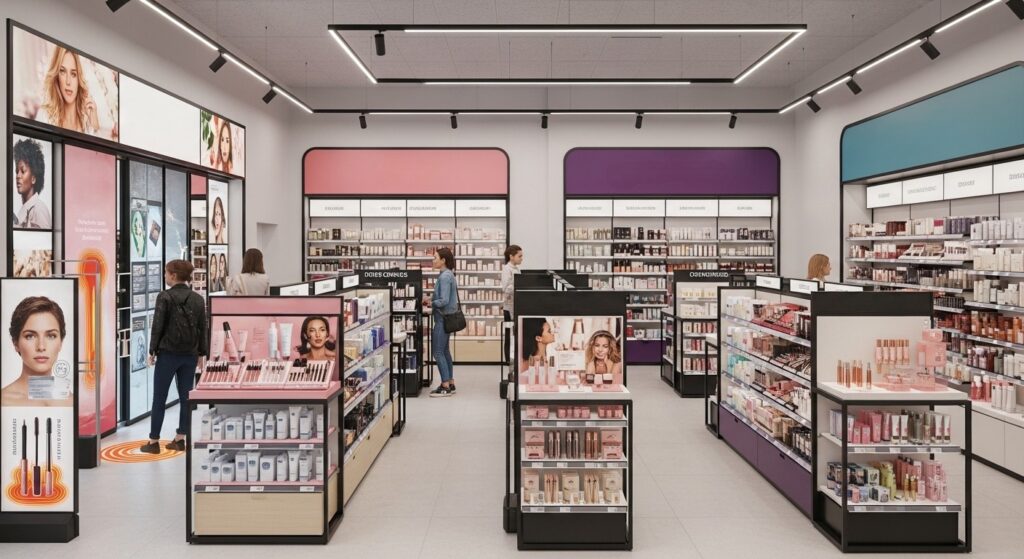
Strategic planograms are a crucial part of beauty merchandising, turning beauty stores into high-performance retail environments by guiding shoppers intuitively while maximizing sales opportunities.
Key Layout Principles
Category Zoning
- Separate core categories like skincare, makeup, and fragrance.
- Within each category, organize products by routine or function (e.g., cleanse → treat → hydrate for skincare).
- Tip: Use clear signage and color-coded sections to reduce decision fatigue.
Eye-Level Placement
- Place high-velocity and high-margin products at eye level (typically 120–160 cm).
- Why it matters: Shoppers are 3x more likely to notice and pick products at eye level.
Adjacent Placement for Complementary Items
- Position related items together to encourage multi-product purchases.
- Example: Cleanser next to serum and moisturizer to guide complete skincare routines.
- Quick win: Label sequences as Step 1 → Step 2 → Step 3 for easier navigation.
Trend-Driven Displays Near Entrance
- Highlight seasonal launches, influencer favorites, or limited-edition items at the store entrance.
- Impact: Captures attention immediately and creates excitement.
Impulse Purchases Near Checkout
- Place small, high-margin items (lip balms, mini mascaras, travel sizes) near the register.
- Benefit: Boosts basket size with minimal shopper effort.
Advanced Optimization Techniques
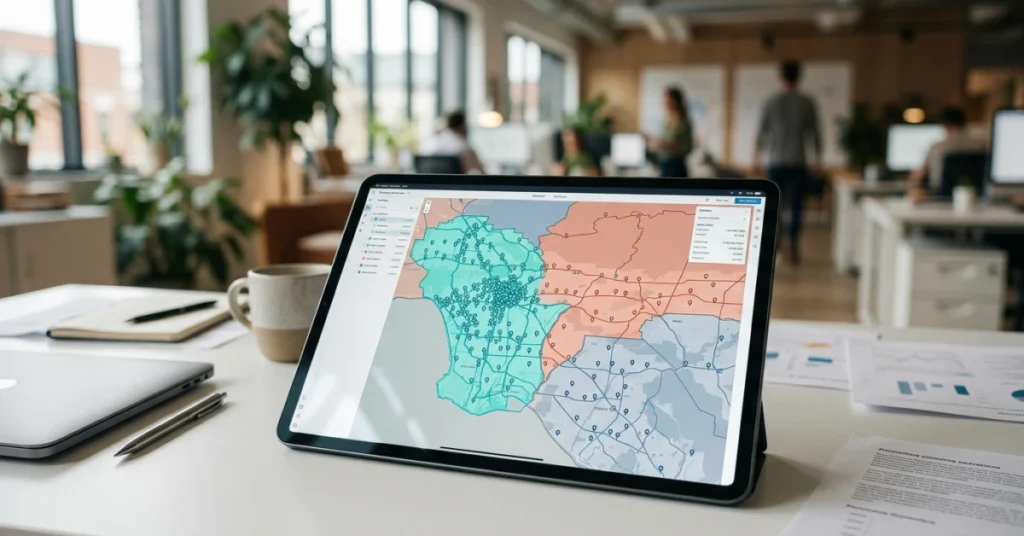
- Heat Mapping & Traffic Flow Analysis: Identify high-traffic zones and adjust displays to maximize exposure.
- Shopper Behavior Analytics: Track which sections drive dwell time and conversions.
- Layout Performance Tracking: Measure planogram compliance, cross-sell success, and category performance to refine future layouts.
Goal: The ultimate objective is to balance easy navigation with continuous discovery: shoppers should move effortlessly through categories while noticing new or complementary products that drive incremental sales. Effective beauty merchandising ensures that every display, flow, and planogram contributes to a seamless and profitable shopping experience.
Technology in Beauty Merchandising
Technology enables personalized, data-driven beauty retail.
Key innovations include:
- AR mirrors improving purchase confidence and reducing returns
- AI-driven inventory and placement optimization
- Smart shelves tracking shopper interaction
- QR codes connecting physical and digital product journeys
- Location-based personalization via in-store beacons
Future-ready beauty brands combine digital intelligence with strong visual execution to increase performance.

The Role of the Beauty Merchandiser
Beauty merchandisers translate strategy into execution.
Core responsibilities:
- Analyze shopper behavior and sales performance
- Optimize assortment, placement, and visibility
- Maintain planogram and display compliance
- Prevent out-of-stocks and manage inventory rotation
- Coordinate promotional and seasonal displays
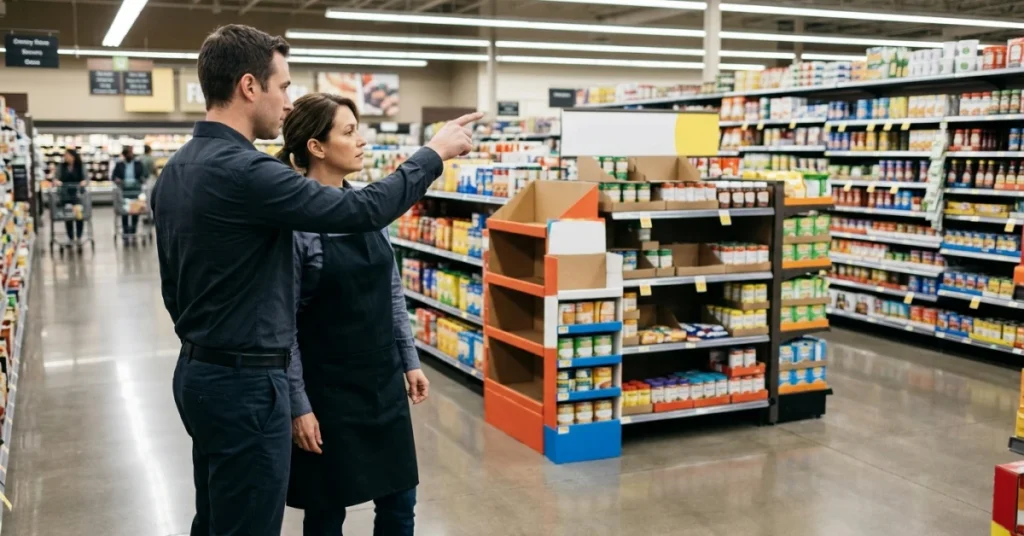
- Train store teams on product positioning
They combine creative visual design with analytical retail execution to deliver consistent in-store performance.
Conclusion
Beauty merchandising is a strategic growth engine that combines visual execution, consumer psychology, and data-driven technology to increase conversion and strengthen brand loyalty. In a beauty market projected to reach $580 billion by 2027, brands that execute consistently outperform passive retail environments.
FieldPie helps beauty brands standardize merchandising, monitor in-store execution, and turn real-time insights into measurable retail performance.
- Standardize beauty merchandising across all stores
- Monitor planogram and display compliance in real time
- Track execution, shelf performance, and store KPIs
- Turn field insights into instant corrective actions
- Improve conversion, consistency, and retail visibility