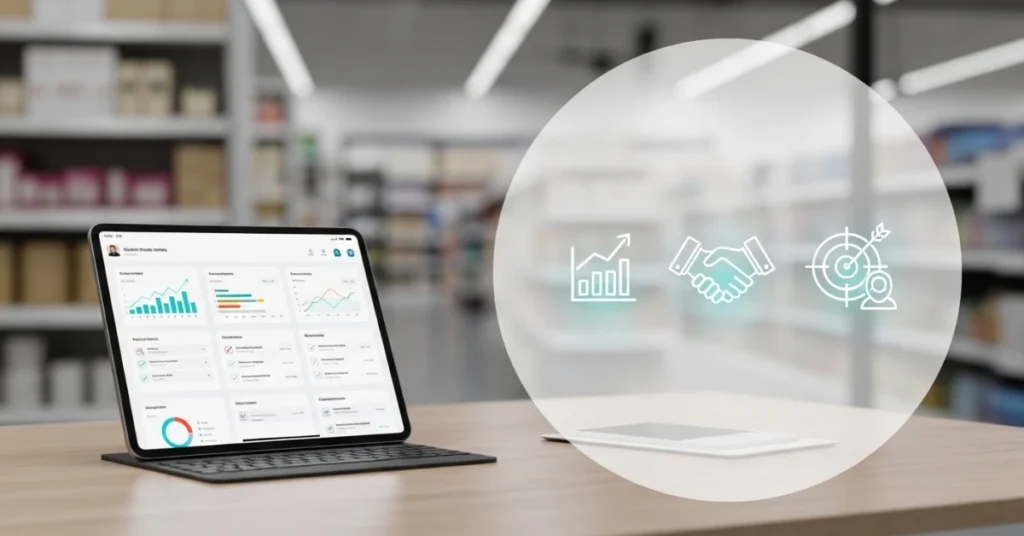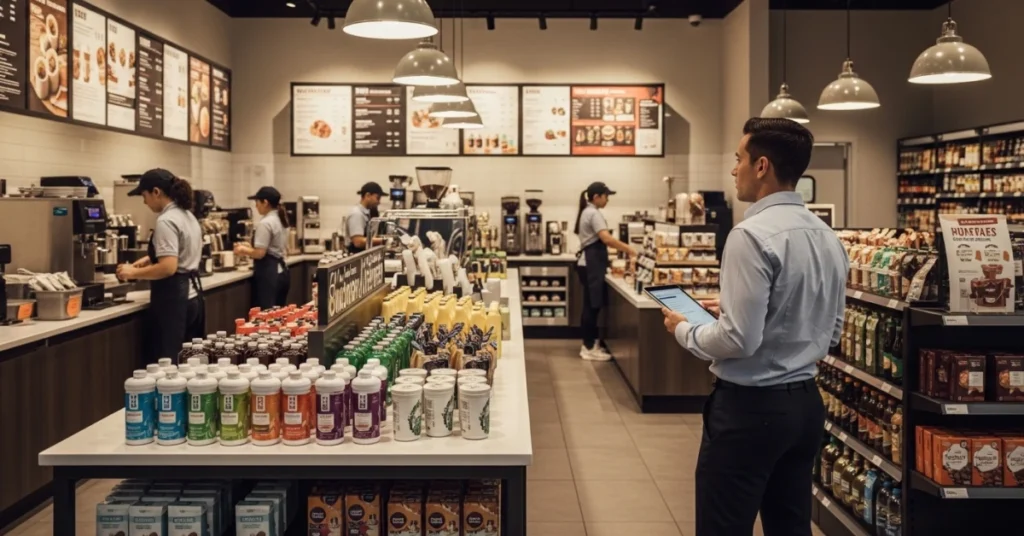




Artificial intelligence is no longer an emerging technology for consumer goods companies—it is a core driver of execution quality and performance. Among AI applications, image recognition stands out as one of the most transformative tools for CPG brands, directly impacting how products are managed, promoted, stocked, and experienced in real-world environments.
From shelf visibility to campaign effectiveness, AI image recognition enables brands to move beyond assumptions and operate with verified, visual data. This article explores how the technology reshapes key CPG functions and turns everyday field data into measurable business outcomes.
What Is AI Image Recognition—and Why It Matters Now
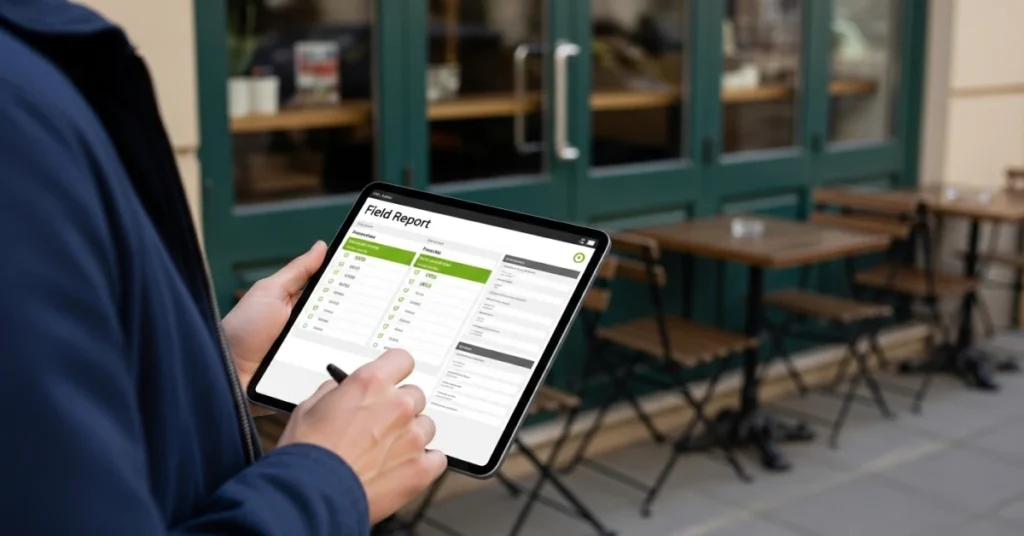
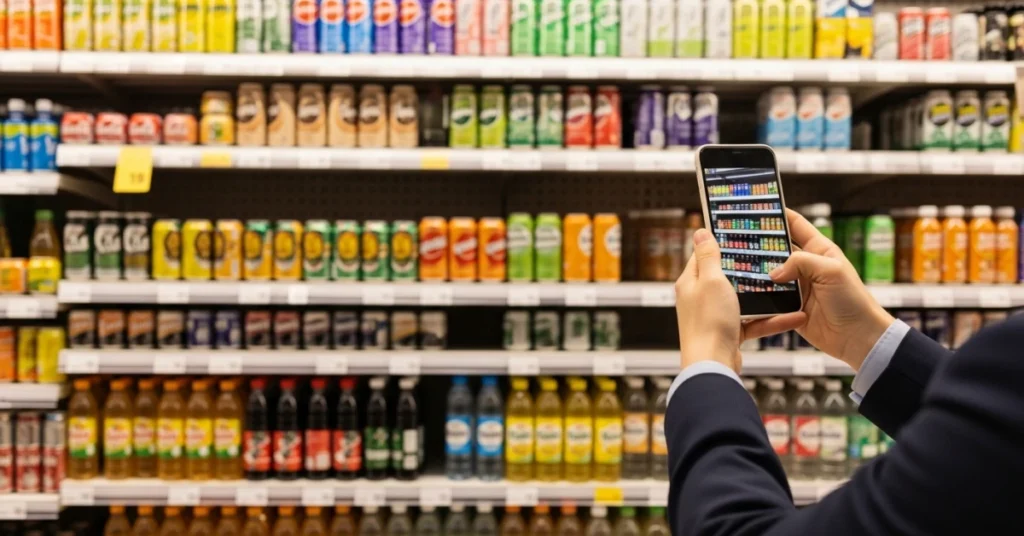
AI image recognition allows systems to analyze visual inputs such as photos and videos, identify objects and patterns, and translate them into structured data. Powered by deep learning and machine learning models, these systems continuously improve as they process more images—making recognition faster, more accurate, and more scalable over time.
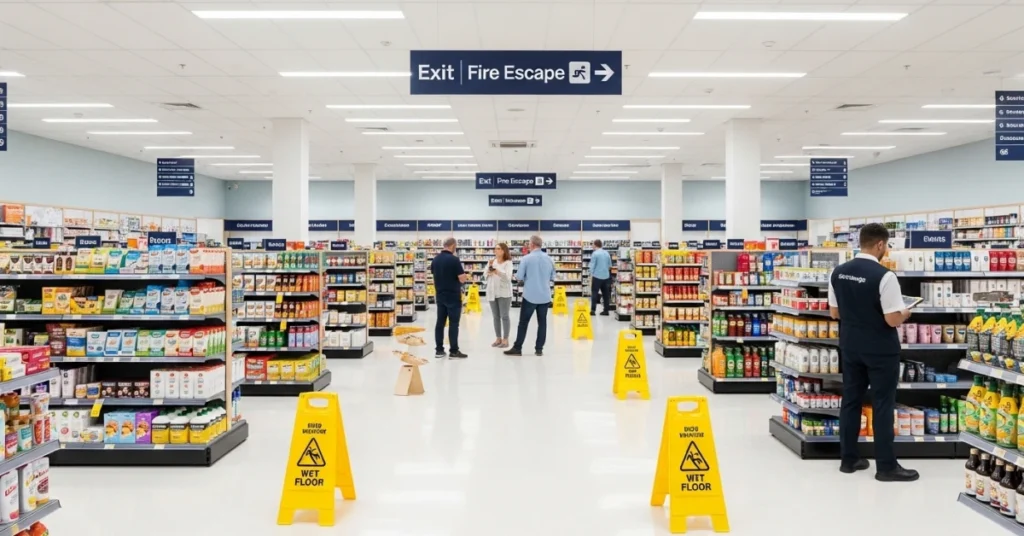
For CPG organizations, this capability closes a long-standing gap: the disconnect between headquarters decisions and in-store reality. Shelves, displays, promotions, and availability can now be verified visually and consistently, without manual audits or delayed reporting.
As a result, image recognition has become a practical execution layer—not just a technical feature.
Smarter Product Data Management Through Visual Intelligence
Product data is only as valuable as its accuracy in the field. AI image recognition enriches product data management by validating how products actually appear on shelves, not just how they are planned in systems.
By analyzing shelf images, AI can:
-
Verify product presence and placement
-
Detect planogram compliance issues
-
Identify missing or misplaced SKUs
-
Flag outdated packaging or pricing mismatches
This transforms product data from static records into living, continuously updated insights—supporting faster decisions and higher execution quality across markets.
Reinventing CPG Advertising With Image-Based Insights
Traditional CPG advertising relies heavily on assumptions about visibility and exposure. AI image recognition replaces guesswork with evidence.
By detecting products, displays, and promotional materials in real store images, brands can measure:
-
Whether campaigns are executed as planned
-
Which displays actually gain visibility
-
How shelf context affects brand presence
Combined with visual search technologies, consumers can also interact with products more intuitively—scanning items to access product details, reviews, or offers. This bridges physical retail with digital engagement, improving both brand insight and customer experience.
Inventory Management That Reflects Shelf Reality
Inventory accuracy has long been one of the biggest pain points in CPG operations. AI image recognition strengthens inventory management by revealing what systems often miss: what is actually on the shelf.
When combined with demand forecasting, AI enables:
-
Early detection of out-of-stock risks
-
Validation of on-shelf availability
-
Reduced phantom inventory issues
-
Better coordination across the supply chain
Instead of reacting to stock issues after sales are lost, brands can act proactively—using visual signals from the field.
Elevating Customer Experience With AI-Powered Visual Search
Visual search powered by AI allows customers to find products using images instead of text. A simple photo can lead to instant product matches, alternatives, or recommendations—removing friction from the shopping journey.
For brands, this technology also delivers deeper insight into:
-
Customer preferences and visual intent
-
Popular product attributes and formats
-
Emerging trends reflected in real searches
The result is a more personalized, intuitive experience that increases satisfaction and loyalty—while feeding valuable data back into merchandising and marketing strategies.
From Technology to Performance Advantage
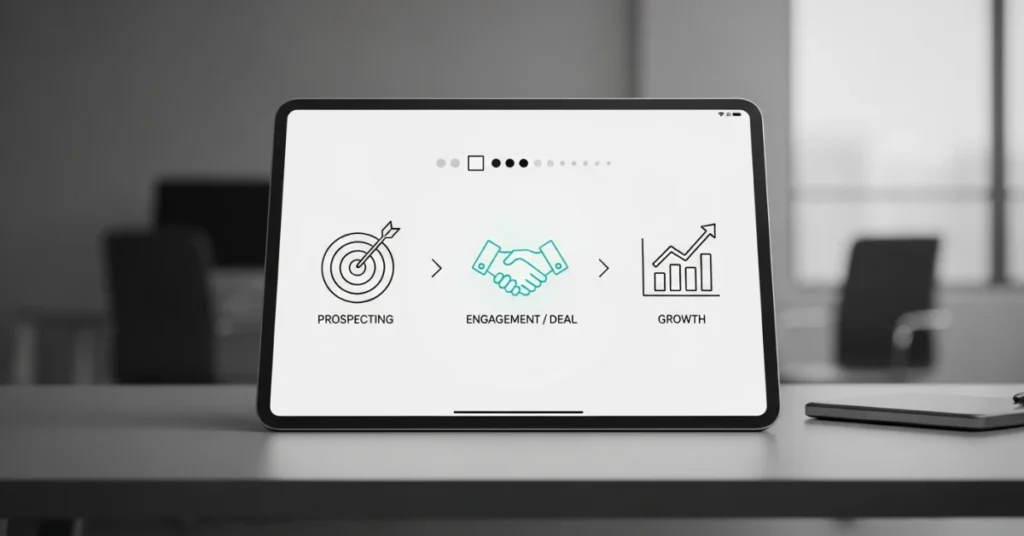
AI image recognition is no longer about automation alone. For CPG companies, it represents a shift toward verified execution, faster decisions, and measurable performance improvement.
By turning images into actionable data, brands gain a clearer view of what truly happens in stores—and the ability to act on it at scale.
In an industry where execution defines success, visual intelligence is becoming a competitive necessity, not a differentiator.