How AI-Powered Photo Audits Boosted Sales & Visibility
This case study explores how a leading FMCG brand used FieldPie to transform grocery merchandising by tackling shelf visibility challenges, enhancing compliance, and achieving measurable sales growth across thousands of stores.
How Do Perfect Plans Fail in the Aisle?
On paper, retail plans can look flawless — but in practice, execution often tells a very different story. Industry data backs this up: research shows that one in four planned product placements in grocery stores fails to meet execution standards, leading to significant lost sales opportunities (Source: NielsenIQ, Finding Harmony on the Shelf, 2025).
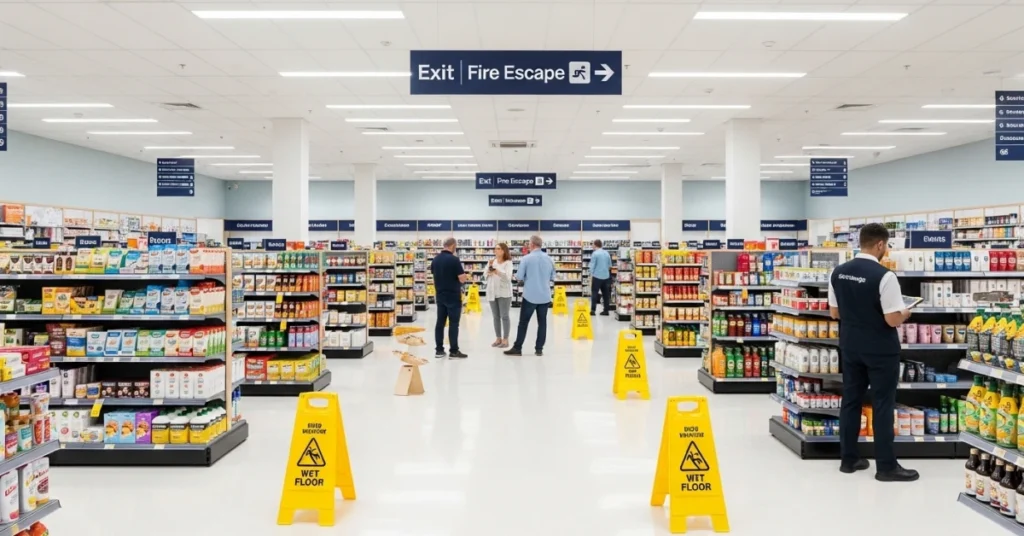
A U.S.-based FMCG company operating in thousands of grocery stores was confident in its grocery store merchandising approach — standardized assortments, approved planograms, crystal-clear guidelines.
Sales data revealed a 20+ point market share gap between top- and bottom-performing stores, exposing issues on the shelf that headquarters simply couldn’t see.
This lack of visibility wasn’t just a missed insight — it was a direct threat to sales performance. Closing the gap required one thing above all: turning better shelf visibility into decisive, store-level action.
1. Problem: What Causes the Visibility Gap in FMCG Merchandising?
At this FMCG company with over 5,000 grocery stores, standardized assortments and planograms created a false sense of Sales data revealed a 20+ point gap in market share — a red flag for execution issues and a clear risk of lost revenue and missed promotional opportunities in grocery store merchandising.
Field reps were stretched thin. Store visits were limited, audits inconsistent, and shelf photos reached HQ too late to act.
Unanswered questions:
- Availability – Were key SKUs in stock?
- Placement – Were they in the right positions?
- Compliance – Was the planogram followed?
- Competition – Had rivals taken prime spots?
Regular inventory audits can boost grocery store sales by 11%, especially when system records overstate actual stock (Source: Rekik et al., 2025).
Without store-level, photo-tied data, grocery store merchandising execution management was just guesswork.
2. Solution: How Can Shelf Photos Become AI Insights?
Instead of expanding the field team, the brand made one strategic move:
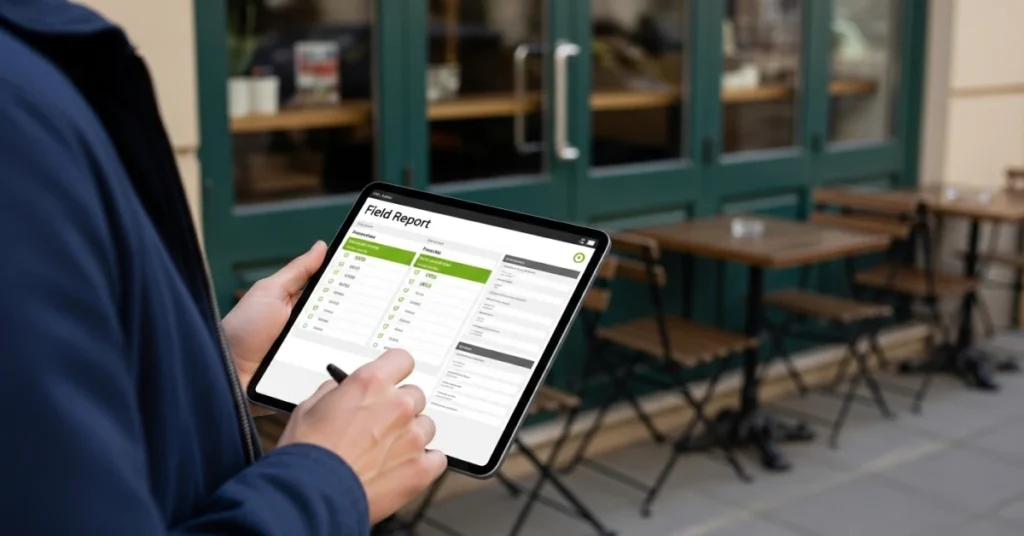
During every store visit, reps captured a few shelf photos.
Using FieldPie’s AI-powered image recognition, each photo was immediately transformed into structured, actionable insights — within minutes, not days:
| Insight Type | Purpose |
| SKU Availability | Detect missing or low-stock items |
| Shelf Share | Quantify brand presence on the shelf |
| Planogram Compliance | Verify correct product placement |
| Competitor Visibility | Identify rival products in key positions |
Impact of the change:
- Audit time halved: AI-enabled image recognition tools like Repsly’s ShelfScan reduce in-store audit labor by up to 50% (Source: Repsly, 2025).
- Higher audit accuracy: AI-driven systems surpass 95% accuracy, compared to ~90% in manual audits.
- Revenue gains: Even a modest 3% increase in on-shelf availability can yield a 1–5% sales uplift for CPG brands.
3. Results: How Did We Achieve +38% Visibility Without More Staff?
In retail shelf management, identifying issues is rarely just about anecdotal observations — it’s about measurable, data-driven analysis.
For this FMCG brand, photo-based audits brought crystal-clear visibility into each store, revealing exactly where execution was breaking down — and enabling quick, targeted fixes.
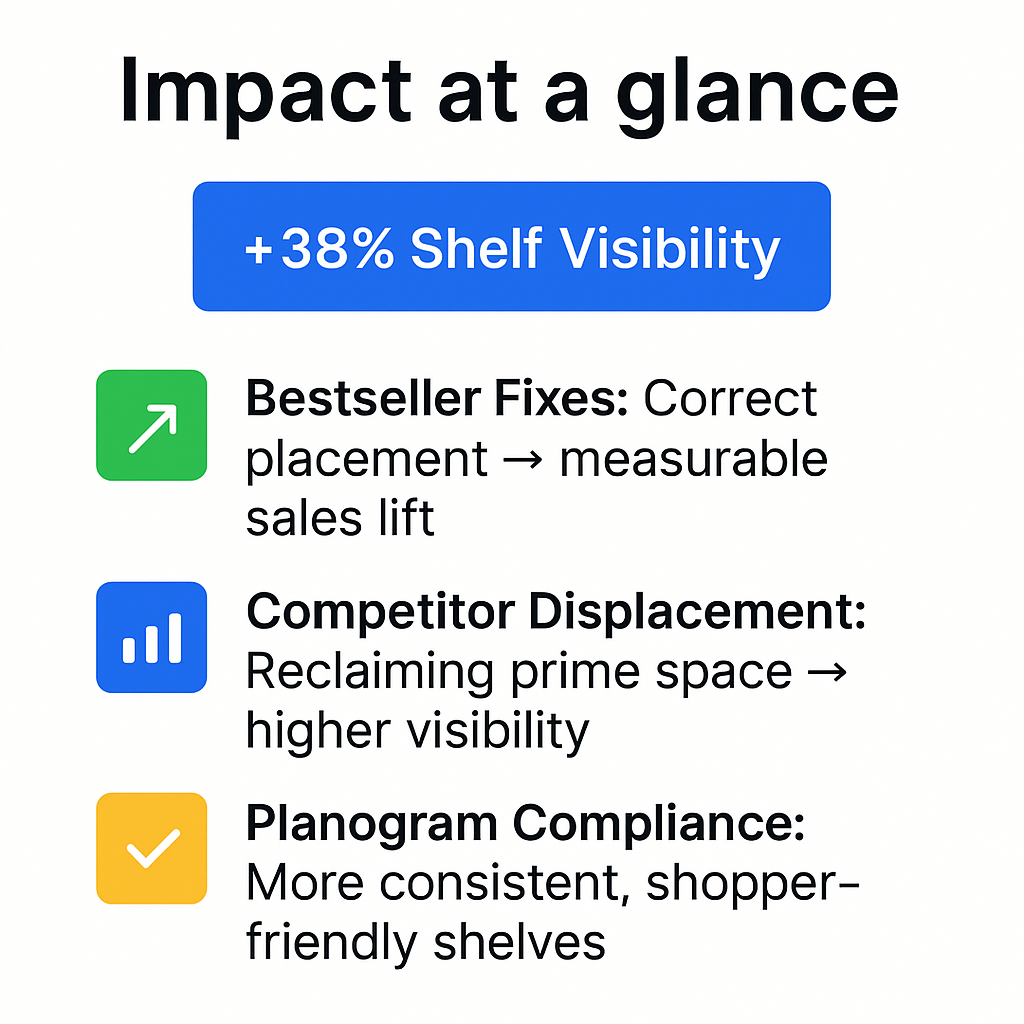
Additionally, when planogram compliance exceeds 90%, promotional ROI can increase by 20–30% on average (Source: IRI, Shelf Optimization Report, 2025).
4. Why It Worked: How Did Visibility Drive Action?
In grocery store merchandising, improvement comes from visibility — not guesswork.
This approach:
- Turned field visits into data-rich audits
- Prioritized SKUs and layouts that mattered most
- Strengthened retail relationships with tangible proof
The brand didn’t need more people in stores — just better visibility into the ones they already visited. And with the right tools, that visibility became their competitive advantage.
5. Final Outcomes: What Wins Did AI Shelf Audits Deliver?
With FieldPie:
- Small process changes delivered big performance gains
- AI analysis turned detection into action in minutes
- Data transformed retailer meetings into decision-making sessions
By transforming shelf photos into actionable insights, the brand achieved consistent, measurable improvements in grocery store merchandising — all without hiring more staff.
See it Own it Win it
Book your demo today and start seeing measurable shelf execution gains.