


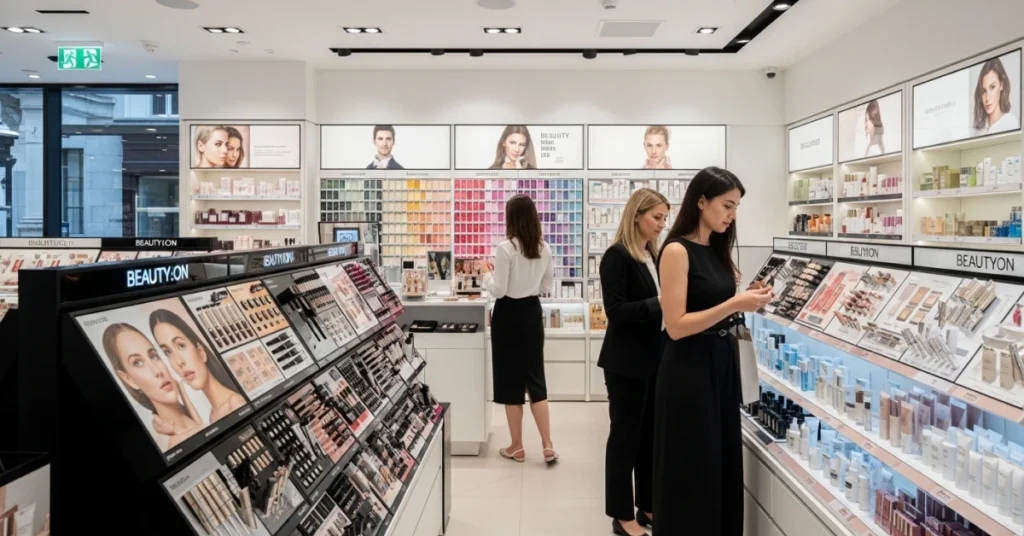
What Is Beauty Merchandising?
Beauty merchandising is the strategic presentation of cosmetics and skincare products to influence purchase decisions, strengthen brand perception, and create memorable shopping experiences. It combines visual storytelling, consumer psychology, and retail execution to guide shoppers through discovery, comparison, and purchase.
With the global beauty market exceeding $500 billion, merchandising must reflect the category’s core value — selling aspiration, transformation, and self-expression, not just products.
Effective beauty merchandising includes:
- Highlighting new launches and hero products
- Cross-merchandising routines (cleanser → serum → moisturizer)
- Seasonal and trend-driven displays
- Shade walls and tester-driven discovery zones
- Social-media-inspired, shareable visual setups
The objective is simple: convert browsers into buyers and customers into loyal brand advocates.
Why Beauty Merchandising Matters
With beauty sales projected to reach $580 billion by 2027, passive shelf placement is no longer enough. Brands need active, data-driven merchandising to stand out in a crowded market.
Strong beauty merchandising:
- Improves product visibility and discovery
- Increases conversion through interactive and experiential displays
- Reduces decision friction with clear routine-based organization
- Enhances purchase confidence through testers and digital try-on
Modern beauty consumers expect:
- Instant gratification
- Personalization
- Authentic brand connection
Retailers who deliver these through structured merchandising consistently outperform passive retail environments.
How Beauty Merchandising Drives Retail Performance
Beauty merchandising is not just visual — it is measurable. High-performing brands manage merchandising through execution KPIs and in-store analytics.
Key performance drivers include:
- Conversion rate uplift from improved visibility and tester usage
- Increased basket size through cross-merchandising routines
- Higher dwell time in interactive display zones
- Reduced out-of-stocks improving on-shelf availability (OSA)
- Planogram compliance ensuring consistent execution
Retailers increasingly track:
- Display compliance
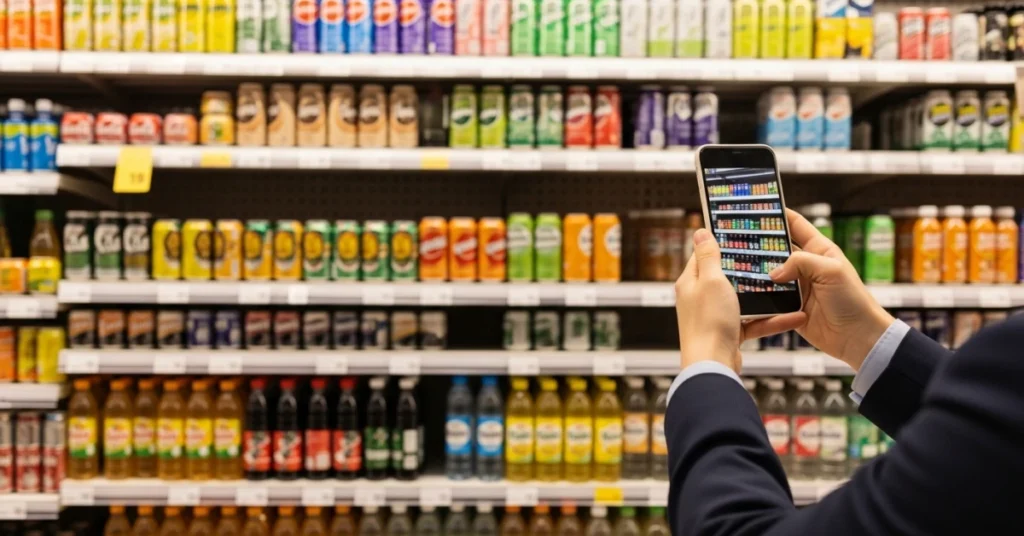
- Shelf share and product visibility
- Execution consistency across stores
- Shopper interaction with testers and displays
Execution-focused merchandising turns visual strategy into measurable revenue impact.
Visual Merchandising Principles for Beauty Stores
Visual merchandising shapes perception and drives emotional engagement in beauty retail.
Core principles:
- Strategic color coordination to guide shoppers and reinforce brand identity
- Natural-tone LED lighting to prevent shade distortion in makeup products
- The Rule of Three for balanced and natural-looking displays
- Height variation to create visual depth and discovery
Beauty-specific visual tactics include:
- Shade walls enabling easy color matching
- Routine-based product zoning (cleanse → treat → hydrate)
- Premium vs mass segmentation for brand positioning
Seasonal updates maintain relevance while supporting inventory turnover and product rotation.
Planogram and Layout Strategy
Strategic planograms transform beauty stores into high-performance retail environments.
Effective layout principles:
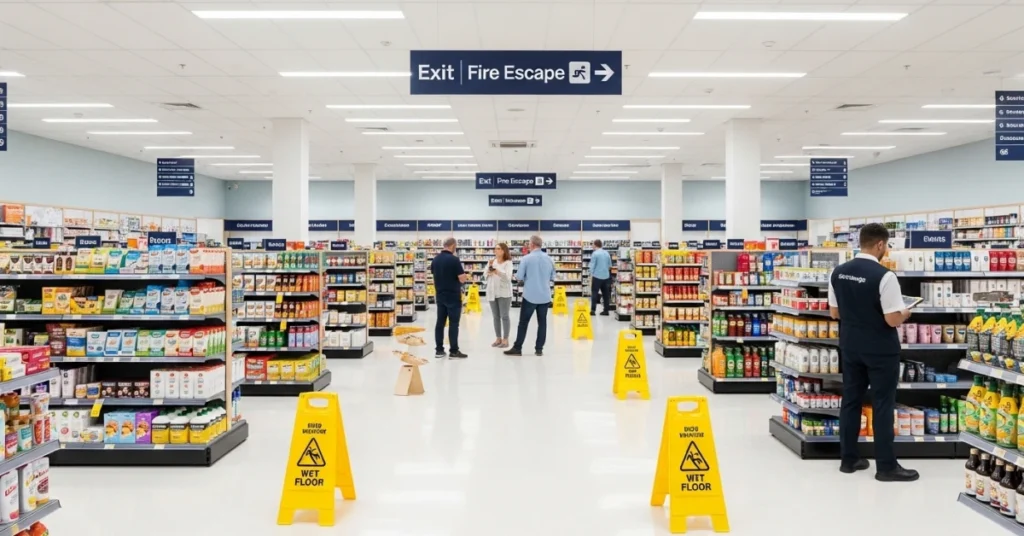
- Category zoning (skincare, makeup, fragrance)
- Eye-level placement for high-velocity and high-margin products
- Adjacent placement for complementary items to drive cross-sell
- Trend-driven displays near entrance
- Impulse purchases near checkout
Advanced retailers optimize layouts using:
- Heat mapping and traffic flow analysis
- Shopper behavior analytics
- Layout performance tracking
The goal is balancing easy navigation with continuous discovery.
The Psychology Behind Beauty Merchandising
Consumer psychology converts merchandising into purchase influence.
Key psychological drivers:
- Color psychology: warm tones signal luxury and confidence, cool tones suggest purity and wellness
- Eye-level placement (4.5–5.5 ft) maximizes attention and conversion
- Sensory interaction through testers increases emotional engagement
- Social proof (reviews, before-after visuals, influencers) builds trust
- Scarcity and urgency messaging accelerate purchase decisions
Understanding these triggers helps brands design emotionally persuasive retail environments.
Technology in Beauty Merchandising
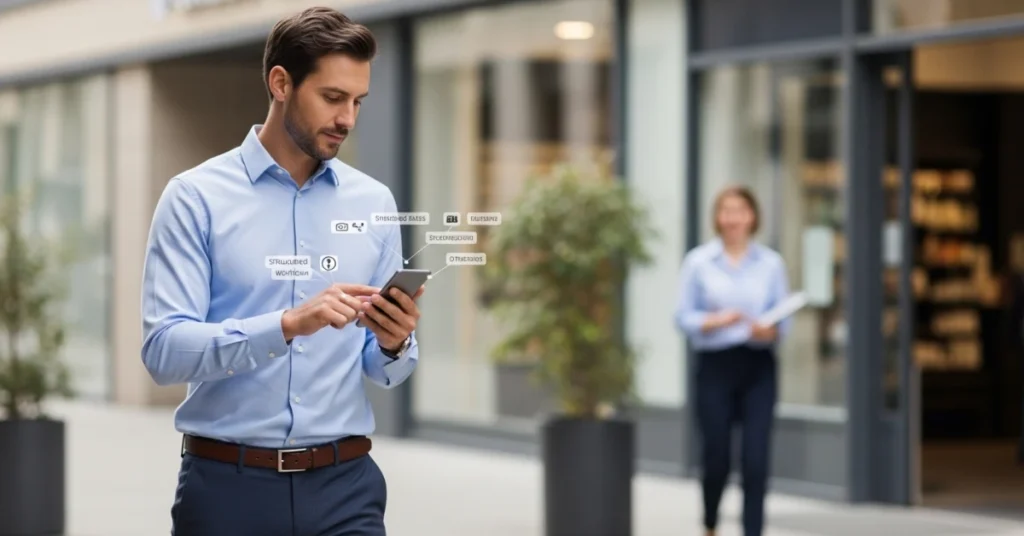
Technology enables personalized, data-driven beauty retail.
Key innovations include:
- AR mirrors improving purchase confidence and reducing returns
- AI-driven inventory and placement optimization
- Smart shelves tracking shopper interaction
- QR codes connecting physical and digital product journeys
- Location-based personalization via in-store beacons
Future-ready beauty brands combine digital intelligence with strong visual execution to increase performance.
The Role of the Beauty Merchandiser
Beauty merchandisers translate strategy into execution.
Core responsibilities:
- Analyze shopper behavior and sales performance
- Optimize assortment, placement, and visibility
- Maintain planogram and display compliance
- Prevent out-of-stocks and manage inventory rotation
- Coordinate promotional and seasonal displays
- Train store teams on product positioning
They combine creative visual design with analytical retail execution to deliver consistent in-store performance.
Practical Beauty Merchandising Tactics
Effective merchandising begins with understanding the shopper journey.
Proven tactics:
- Place high-demand products at eye level
- Cross-merchandise routines and complementary products
- Use color grouping and gradient displays
- Refresh displays seasonally based on trends
- Continuously track performance and optimize execution
Because beauty trends evolve rapidly, successful merchandising requires constant testing, data monitoring, and agile adaptation.
Conclusion
Beauty merchandising is a strategic growth engine that combines visual execution, consumer psychology, and data-driven technology to increase conversion and strengthen brand loyalty. In a beauty market projected to reach $580 billion by 2027, brands that execute consistently outperform passive retail environments.
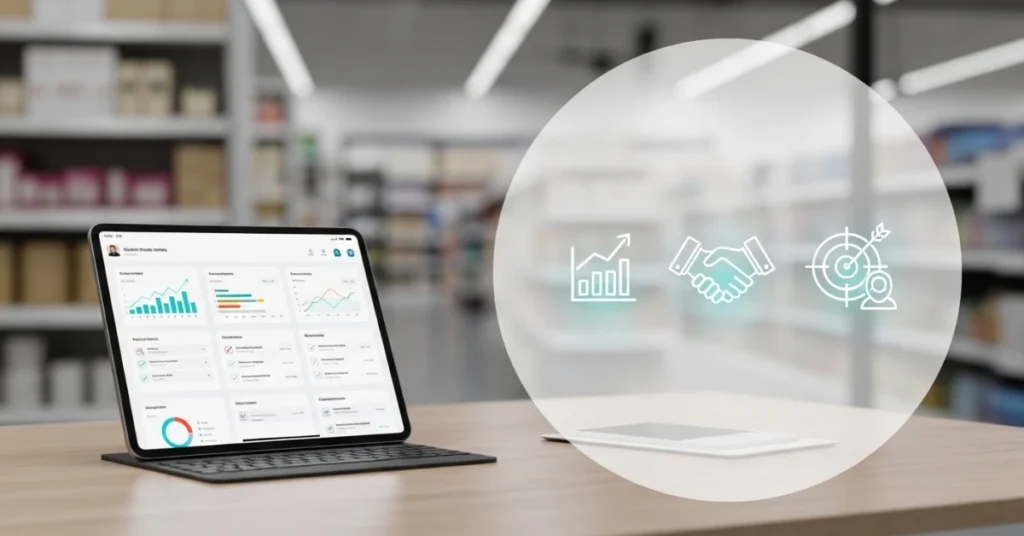
FieldPie helps beauty brands standardize merchandising, monitor in-store execution, and turn real-time insights into measurable retail performance.
- Standardize beauty merchandising across all stores
- Monitor planogram and display compliance in real time
- Track execution, shelf performance, and store KPIs
- Turn field insights into instant corrective actions
- Improve conversion, consistency, and retail visibility