


Field-Tested Strategies for Maximizing Retail Execution, Compliance, and Revenue Impact
In merchandising, real results happen when strategy meets flawless field execution. While many brands focus on visibility and materials, the true leaders set themselves apart through consistent measurement, adaptation, and insight-driven action. These four best practices are not just theory—they’re applied by top-performing brands every single week.
1. What KPIs Should You Track Beyond Sales Numbers?
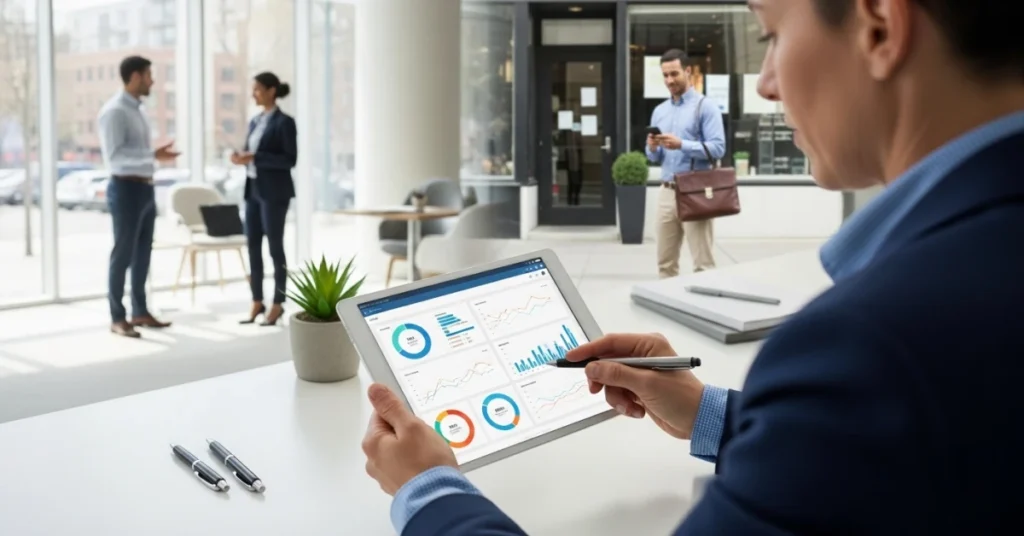
Sales reports are important, but they don’t tell the full story. Top brands measure how well execution aligns with strategy. That means going beyond revenue and tracking operational quality.
Execution-based KPIs include:
- Planogram compliance – Are products placed exactly where intended?
- Setup timing – How quickly are displays and shelves arranged after a promotion starts?
- Shelf share accuracy – Does the brand occupy the amount of shelf space it negotiated?
These KPIs offer a much clearer view of in-store effectiveness. Brands that track them can react faster, fix inconsistencies, and optimize shelf presence across different store formats.
✅ Pro Tip: Separate KPIs by region and channel. What works in a high-end store in Berlin might not work in a convenience store in Lisbon.
Supporting Data: Brands with over 90% planogram compliance report 12–15% higher sales than those below 70%.
(Source: McKinsey, 2023)
2. How Can You Close the Gap Between Planning and Real Execution?
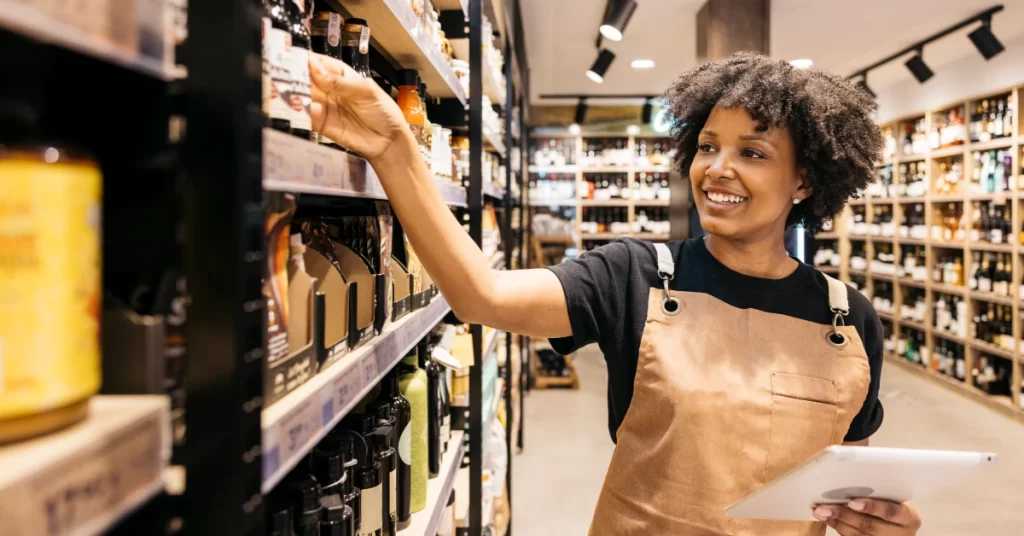
It’s one thing to create a detailed planogram—it’s another to ensure it’s followed in-store. This gap between planning and execution is where many brands fall short.
Top-performing brands don’t just verify if products are present. They measure whether they’re in the right place, order, and quantity. This means tracking facings, vertical positioning, and adherence to promotional layouts.
️ How to Close the Gap:
- Use mobile tools to capture shelf layouts and product order
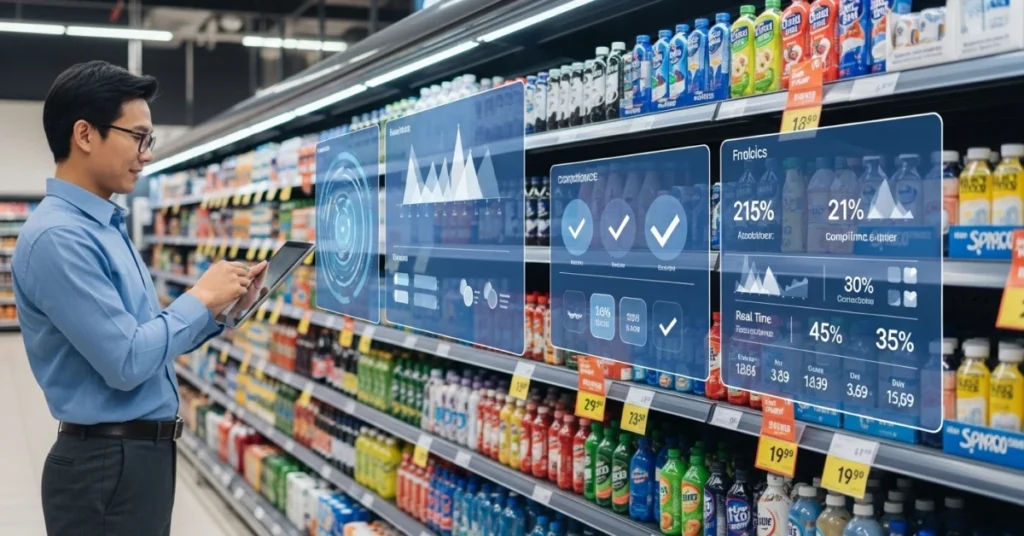
- Automate planogram audits with real-time reporting
- Build heatmaps to visualize compliance issues across territories
- Provide quick feedback to field teams to correct issues on the fly
This approach helps brands ensure execution precision—not just visibility.
3. Why Is Visit Impact More Important Than Visit Frequency?
Many brands still equate success with how often reps visit stores. But visit quality is far more important than visit quantity.
Top brands measure what happens during a visit:
- Are shelves optimized?
- Are stockouts resolved?
- Is data being captured and turned into insights?
Without structure, frequent visits can become routine and ineffective. High-performing field teams make every visit count.
Try This:
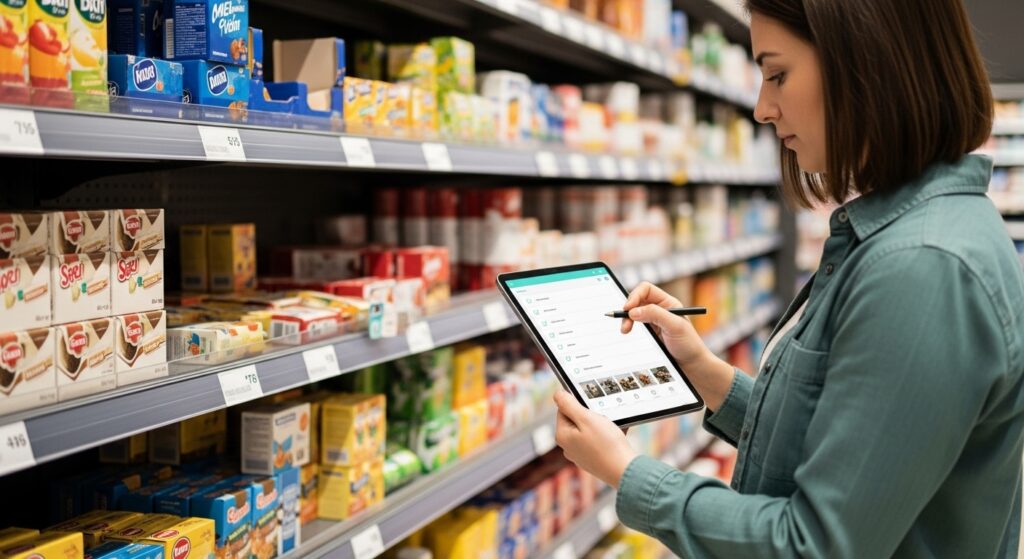
- Use structured digital checklists
- Take and review real-time shelf photos
- Log product availability and flag out-of-stock items
When done right, every store visit becomes a source of intelligence—not just a box to check.
4. How Can You Quantify the ROI of Your Merchandising Efforts?

Linking field execution to revenue can be tricky—but it’s essential. The best brands isolate what works and use those insights to optimize future campaigns.
This isn’t about guessing—it’s about testing, comparing, and refining.
| Tactic | What It Tells You |
| A/B testing with vs. without POSM | Impact of visual merchandising |
| Planogram execution scoring | Correlation between compliance & sales |
| Pre/Post promo comparison | Uplift from seasonal or campaign layouts |
| Market share tracking | Long-term strategic impact |
By combining field data with sales results, brands can calculate ROI not just in revenue, but also in:
- Basket size growth
- Promotional sell-through
- Market share gains
The key is to turn merchandising into a measurable system—not a black box of assumptions.
Final Thought: Why Is Merchandising a Strategic Growth Lever?
Too often, merchandising is seen as a logistics task—something tactical and reactive. But the brands that win treat it as a growth engine.
They engineer their shelves like digital campaigns: measured, optimized, and performance-driven.
Smart brands don’t just occupy space—they maximize every inch.
With FieldPie, retail merchandising becomes measurable, repeatable, and scalable. Gain real-time visibility and control over execution, compliance, and ROI—so every shelf delivers results.
Book your free demo today.