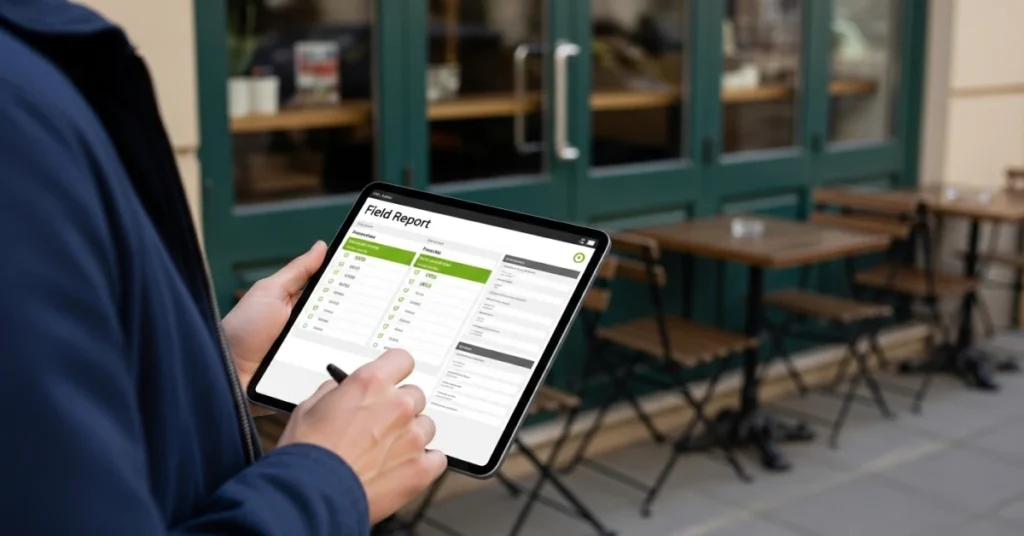




In today’s fast-paced and highly competitive business landscape, field service management has become a critical component for organizations looking to stay ahead of the game. With the advancement of technology, companies are now able to leverage mobile apps, real-time scheduling systems, and AI and machine learning for enhanced resource allocation. Additionally, the integration of IoT and remote monitoring, as well as the implementation of customer self-service portals, have revolutionized the way field service management is conducted. In this blog post, we will dive into the various ways businesses can optimize their field service operations, from route planning and GPS tracking to predictive analytics and cloud-based solutions. Whether you’re in the manufacturing, energy, or telecommunications industry, these strategies are essential for maximizing efficiency and staying competitive in today’s market.
Leveraging Mobile Apps For Field Service Management
Mobile apps have revolutionized the way businesses manage their field service operations. With the increasing dependency on mobile technology, organizations are embracing mobile apps to streamline their field service management processes. By leveraging these apps, businesses can improve communication, productivity, and customer satisfaction.
One of the key benefits of using mobile apps for field service management is the ability to access real-time information. Field technicians can easily access work orders, customer history, and product information on their mobile devices, enabling them to provide efficient and timely service to customers. This real-time access to information also helps in reducing manual errors and improving overall operational efficiency.
Moreover, mobile apps facilitate better communication between field technicians, dispatchers, and customers. With features like in-app messaging and GPS tracking, field service teams can stay connected in real-time, ensuring smooth coordination and quicker response times. This not only enhances the overall customer experience but also helps in optimizing resource utilization and improving service delivery.
Implementing Real-Time Scheduling And Dispatching Systems
Real-time scheduling and dispatching systems have become essential tools for businesses that rely on field service management. These systems enable efficient allocation of resources, timely response to customer requests, and effective management of workforce schedules. By implementing real-time scheduling and dispatching systems, businesses can improve operational efficiency and customer satisfaction.
One of the key benefits of real-time scheduling and dispatching systems is the ability to respond quickly to changing conditions. With real-time visibility into the location and status of field technicians, businesses can make rapid decisions to optimize service delivery. This dynamic approach to scheduling enables businesses to meet service level agreements and respond to urgent customer needs in a timely manner.
Furthermore, real-time scheduling and dispatching systems enhance communication and coordination among field technicians and dispatchers. By leveraging mobile technology and real-time data, businesses can streamline the assignment of tasks, monitor progress, and adjust schedules as needed. This not only improves operational efficiency but also minimizes downtime and reduces the risk of missed appointments.
Utilizing Ai And Machine Learning For Enhanced Resource Allocation
In today’s fast-paced and rapidly evolving business landscape, companies are constantly seeking innovative ways to improve their operations and enhance their service delivery. One such method that has gained widespread popularity in the field service industry is the utilization of artificial intelligence (AI) and machine learning for enhanced resource allocation.
AI and machine learning algorithms have the capability to analyze large volumes of data and identify patterns and trends that may not be immediately apparent to human operators. By harnessing the power of these advanced technologies, field service organizations can gain valuable insights into their resource allocation processes and make data-driven decisions to optimize their operations.
By utilizing AI and machine learning, field service companies can improve the efficiency of their resource allocation by accurately predicting demand, identifying potential bottlenecks, and optimizing the deployment of technicians and equipment. This not only helps organizations to deliver superior service to their customers but also enhances their overall operational performance and productivity.
Optimizing Route Planning And Gps Tracking For Efficiency
Optimizing route planning and GPS tracking is essential for businesses that rely on field service management to ensure maximum efficiency in their operations. By utilizing the latest technologies, companies can streamline their processes, reduce travel time, and improve customer satisfaction.
GPS tracking allows businesses to monitor the locations of their field technicians in real-time, ensuring that they are taking the most efficient route to their next job. This not only saves time and fuel costs but also enables companies to provide accurate ETAs to their customers, leading to improved service levels and customer experience.
Additionally, route planning software uses advanced algorithms to optimize the sequence of service calls based on factors such as location, traffic conditions, and service requirements. This enables businesses to improve productivity by ensuring that technicians can complete more jobs in less time, leading to increased profitability and customer satisfaction.
Integrating Iot And Remote Monitoring For Proactive Maintenance
The use of IoT (Internet of Things) and remote monitoring has revolutionized the way companies approach maintenance and asset management. By integrating IoT and remote monitoring into their field service operations, organizations can now proactively identify and address potential issues before they result in costly downtime. This not only helps in maximizing the lifespan of assets but also ensures a more efficient and reliable service delivery to customers.
With IoT, equipment and assets are equipped with sensors that continuously collect data on their operational status and performance. This real-time data is then transmitted to a central system where it is analyzed and used to trigger maintenance alerts and schedule preventive actions. Remote monitoring further enhances this capability by allowing technicians to monitor assets and diagnose potential issues without having to be physically present on-site.
Furthermore, the integration of IoT and remote monitoring allows for the implementation of predictive maintenance strategies. By leveraging advanced analytics and machine learning algorithms, organizations can forecast when maintenance will be required based on the asset’s usage patterns and historical performance data. This proactive approach not only reduces the likelihood of unexpected breakdowns but also helps in optimizing maintenance schedules and resource allocation.
Leveraging Augmented Reality For Remote Assistance And Training
Augmented Reality (AR) is revolutionizing the field service industry by providing innovative solutions for remote assistance and training. With the advancements in AR technology, field service technicians are now able to access real-time information and guidance from experts, no matter where they are located. This has greatly improved efficiency and accuracy in troubleshooting and maintenance tasks.
By utilizing AR for remote assistance, technicians can simply wear AR glasses or use AR apps on their mobile devices to overlay digital information onto the physical equipment they are working on. This allows them to receive step-by-step instructions, diagrams, and even virtual hands-on training, without the need for physical presence of an expert. This not only saves time and travel costs, but also reduces the risk of errors and improves the quality of service delivered to customers.
Furthermore, AR technology also enables companies to create immersive and interactive training programs for their field service technicians. These AR-based training modules simulate real-life scenarios and allow technicians to practice their skills in a safe and controlled environment. This results in quicker onboarding of new technicians and continuous skill enhancement for existing staff, ultimately leading to improved customer satisfaction and loyalty.
Implementing Customer Self-Service Portals For Efficient Support
Implementing Customer Self-Service Portals For Efficient Support
In today’s fast-paced world, customer service is an essential part of any business. Customers expect fast and efficient support, and one way to meet this demand is by implementing customer self-service portals. These portals allow customers to find answers to their questions, troubleshoot issues, and access important information on their own, without the need for direct interaction with a representative. This not only provides customers with a more seamless and convenient experience but also frees up valuable time for service agents to focus on more complex issues.
By leveraging customer self-service portals, businesses can enhance their support efficiency and effectiveness. Customers can access a knowledge base of commonly asked questions and solutions, browse through troubleshooting guides and tutorials, and even track the status of their inquiries or service requests. This level of integration and self-service empowers customers to take control of their own support needs and leaves them feeling satisfied and engaged.
Furthermore, customer self-service portals can significantly reduce the volume of incoming support calls and emails, allowing businesses to streamline their support operations and allocate their resources more effectively. This can also result in cost savings for the business, as fewer resources are required to address customer inquiries, and service agents can focus on more complex and critical support tasks. Overall, implementing customer self-service portals is a strategic approach that benefits both the business and its customers, delivering more efficient and responsive support.
Leveraging Predictive Analytics For Preventive Maintenance
Businesses today are constantly seeking ways to improve the efficiency and effectiveness of their operations. For field service management, this means embracing innovative technologies and practices that can help prevent equipment downtime and costly repairs. One such practice that has gained widespread adoption in recent years is leveraging predictive analytics for preventive maintenance.
Predictive analytics involves the use of data, statistical algorithms, and machine-learning techniques to identify the likelihood of future outcomes based on historical data. When applied to field service management, predictive analytics can help identify potential equipment failures before they occur, allowing for proactive maintenance to be scheduled, thus avoiding costly downtime and repairs.
Furthermore, by leveraging predictive analytics, field service managers can optimize their maintenance schedules, ensuring that resources are allocated efficiently and effectively. This not only saves time and money but also enhances the overall customer experience by minimizing disruptions and downtime.
Streamlining Inventory Management And Parts Fulfillment
Inventory management and parts fulfillment are critical components of any field service management operation. Efficiently managing and tracking inventory levels, as well as quickly fulfilling parts orders, is essential to keeping operations running smoothly and customers satisfied.
One of the key ways to streamline inventory management and parts fulfillment is by implementing a robust inventory management system that leverages the latest technology. This can include barcode scanning, RFID tracking, and automated replenishment systems to ensure that inventory levels are always optimized and parts are readily available when needed.
Additionally, real-time visibility into inventory levels and parts availability is crucial for efficient parts fulfillment. By integrating a real-time scheduling and dispatching system, field service technicians can quickly locate and access the parts they need, reducing downtime and improving overall service delivery.
Embracing Cloud-Based Field Service Management Solutions
In today’s fast-paced and dynamic business environment, companies are constantly seeking innovative ways to streamline their operations and improve efficiency. One area that has seen significant advancements in recent years is field service management. With the advent of cloud-based solutions, companies now have access to a wide range of tools and technologies that can revolutionize the way they manage their field service operations.
One of the key advantages of cloud-based field service management solutions is the ability to access real-time data and insights from anywhere, at any time. This provides field service teams with the visibility they need to make informed decisions and respond to customer needs more effectively. With cloud-based solutions, companies can also benefit from improved collaboration and communication between field technicians, dispatchers, and back-office staff, leading to greater efficiency and customer satisfaction.
Furthermore, embracing cloud-based field service management solutions can lead to cost savings and improved scalability. By leveraging the power of the cloud, companies can avoid hefty upfront investments in hardware and software, and instead pay for the services they need on a subscription basis. This not only reduces the financial burden on companies but also allows them to scale their operations up or down as needed, without the hassle of costly infrastructure upgrades.