



When HVAC contractors stick to a one-size-fits-all proposal, they risk losing both trust and revenue. A Good-Better-Best (GBB) proposal gives customers clear choices, control, and value—while helping your business increase conversions and profits.
What Is a Good-Better-Best (GBB) Proposal?
A Good-Better-Best (GBB) proposal is a tiered pricing strategy that offers customers three clearly defined levels of service or product options: Good (basic), Better (intermediate), and Best (premium). This approach simplifies the decision-making process, builds transparency, and helps businesses drive higher-value sales—without coming across as pushy.
According to a study published in the Harvard Business Review, tiered pricing models like GBB can result in a 15–25% increase in average purchase value, as customers tend to choose the mid-tier or premium option when benefits are clearly outlined.
Source: Gourville, J. T. “Yes, Marketers Are Manipulating You.” Harvard Business Review.
GBB is especially effective in industries where customer needs, budgets, and expectations vary widely—such as HVAC, home services, and field operations. Each tier communicates a distinct level of value, allowing customers to confidently choose what best meets their goals.
In the HVAC industry, for example, a Good-Better-Best proposal might look like this:
Good: A budget-conscious, code-compliant solution that ensures essential comfort and energy efficiency.
Better: A mid-range option with upgraded components that enhance comfort, reliability, and long-term value.
Best: A top-tier system with premium features, maximum energy savings, and advanced air quality improvements.
This tiered structure helps customers compare their options side by side, understand the added value at each level, and make informed decisions—without feeling pressured.
How to Write an HVAC Proposal That Sells
A successful GBB HVAC proposal doesn’t just list prices—it guides a decision. Here’s how to craft one that converts:
1. Start With a Solid Site Evaluation
Your proposal should be rooted in real customer needs. Evaluate:
- Property size and insulation quality
- Existing HVAC system condition and capacity
- Ductwork layout and potential airflow issues
- Indoor comfort concerns or energy bill trends
- Special needs like zoning, allergies, or humidity control
This sets the foundation for building relevant, tiered recommendations.
2. Design Each Tier with Purpose
| Tier | Features | Goals |
| Good | Standard efficiency, basic thermostat, meets code | Budget-conscious, essential comfort |
| Better | 2-stage system, smart thermostat, improved filtration (MERV 11), 10-year parts warranty | Balanced comfort and value |
| Best | Variable-speed or inverter system, full zoning, IAQ solutions (UV, HEPA), Wi-Fi controls, extended labor warranty | Premium comfort, air quality, energy savings |
Avoid simply raising the price—add real value at each level so the customer sees why it’s worth upgrading.
3. Use Plain Language, Not Tech Jargon
Don’t say: “This system has a variable-speed ECM blower motor.”
Do say: “This system adjusts automatically to keep temperatures consistent and quiet, while using less energy.”
Translate features into tangible benefits:
- “Save up to 30% on energy bills”
- “Reduce allergens and improve sleep”
- “Monitor your system from anywhere via smartphone”
4. Show a Side-by-Side Comparison Table
Visuals help customers compare easily and decide faster. Example:
| Feature | Good | Better | Best |
| SEER Rating | 14 | 16 | 20+ |
| Thermostat | Basic | Smart | Wi-Fi Smart |
| Air Quality | Standard Filter | MERV 11 | UV Light + HEPA |
| Warranty | 5-Year Parts | 10-Year Parts | 10-Year Parts + Labor |
| Estimated Savings | – | $300/year | $600+/year |
5. Highlight Long-Term ROI
Especially for higher-tier systems, show the bigger picture:
- Projected utility savings per year
- Rebates or tax incentives available
- Warranty savings over 10–12 years
- Total cost of ownership (TCO) comparisons
Help the customer see why the upfront investment pays off over time.
6. Use Professional, Branded Proposal Tools
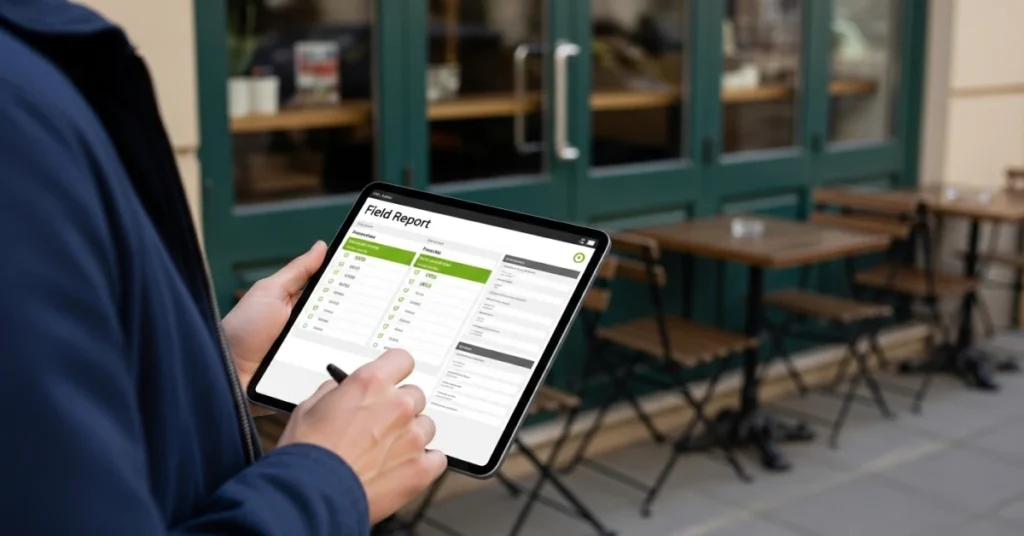
With FieldPie, you can create and deliver Good-Better-Best proposals that look polished, perform flawlessly, and close deals faster.
- Present tiered options professionally
- Auto-calculate costs, rebates, and warranties
- Send proposals instantly and track engagement
- Allow digital acceptance and payment
This modern approach builds credibility and closes more deals.
7. Offer Clear Financing Options
Customers may hesitate on higher-priced systems—financing solves this.
Break down monthly payments for each tier.
Example:
“Choose the Best system for just $129/month with approved credit.”
Removing price anxiety leads to faster, higher-value sales.
8. Guide and Follow Up
Close the deal with empathy and clarity:
- “Which option feels like the best fit for your home?”
- “Would you like to see how much more the Better option could save on your utility bills?”
Follow up within 24–48 hours to answer questions, address concerns, or sweeten the offer with a limited-time incentive.
Pro Tip: Match the Proposal to the Customer Type
| Customer | What They Care About |
| Homeowners | Comfort, cost of ownership, smart features |
| Builders | Budget, timelines, code compliance |
| Commercial Clients | Efficiency, longevity, total cost, scalability |
Tailoring your pitch improves engagement and trust.
Is a GBB HVAC Proposal Reasonable in New Construction?
Yes—and even more important.
In new construction, your HVAC proposal must be:
- Code-compliant
- Budget-conscious
- Upgrade-ready (many homebuyers want premium add-ons)
- Builder-aligned (clear allowances, timelines, and communication)
Tip: Break out allowances
Builders hate surprise costs. Separate line items for:
- Ductwork
- Controls
- Smart thermostats
- Labor/installation time
This makes your proposal predictable and professional.
Conclusion
A Good-Better-Best HVAC proposal is more than just a quote—it’s a sales tool, an education tool, and a trust builder. When done right, it empowers customers to make informed decisions and enables your business to boost sales, customer satisfaction, and long-term loyalty.
But having the right structure isn’t enough—you need the right tools to deliver it seamlessly.
That’s where FieldPie comes in.
With FieldPie, HVAC businesses can:
- Create and send professional, tiered proposals in minutes
- Digitally capture customer decisions and approvals
- Track every step—from quote to payment—in a single dashboard
- Monitor team performance and ensure consistent proposal standards in the field
Whether you’re quoting a small residential job or managing complex commercial bids, FieldPie helps you turn proposals into profit-driving conversations—anytime, anywhere.
Remember: Your proposal isn’t just a price—it’s a reflection of your professionalism, your values, and your brand. And with the right platform, it becomes a competitive advantage you can count on.