Is Starting a Cleaning Business Really Profitable?
The cleaning industry is booming. Whether it’s residential homes, commercial offices, or post-construction sites, the demand for cleaning services is growing steadily. But as a new or aspiring entrepreneur, the big question is: Is a cleaning business actually profitable?
The short answer: Yes, if it’s done right.
Let’s break down what profitability really looks like, what to watch out for, and how to build a cleaning business that brings in consistent revenue.
Low Barrier, High Opportunity
One of the biggest advantages of starting a cleaning business is the low upfront cost. You don’t need a retail location, and equipment costs are relatively minimal to get started. Many businesses begin with basic supplies, a small team, and a car.
However, low cost doesn’t mean low potential. Cleaning services, especially those that find a niche or provide exceptional quality, can scale quickly and yield strong returns.
Key profit factors include:
– Regular contracts (weekly/monthly)
– Recurring residential or commercial clients
– Efficient scheduling and route planning
– Upsell opportunities like deep cleans, window washing, or sanitation services

Common Costs in Running a Cleaning Business
While the startup is affordable, ongoing costs can eat into your profits if not managed wisely.
Here are some of the most common cost areas:
– Labor: Paying your staff is your biggest ongoing cost.
– Supplies & Equipment: Especially for specialty cleaning or eco-friendly services.
– Transportation: Time and fuel used going from one job to another.
– Insurance & Licensing: Depending on your region, liability insurance and certifications may be required.
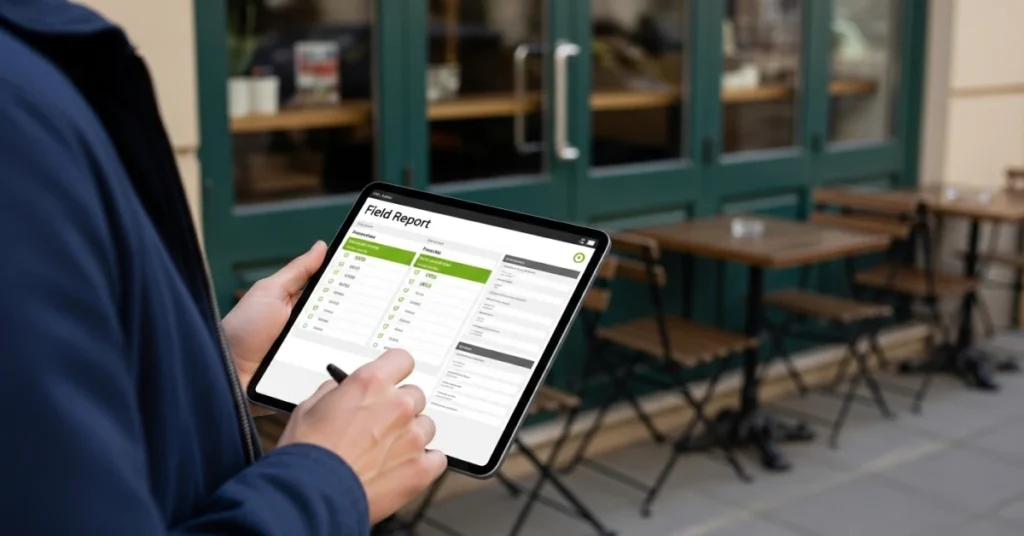
– Scheduling/Admin Tools: Investing in software like FieldPie helps automate task assignments, track hours, and reduce admin overhead.
Being aware of these helps you price your services more accurately and profitably.
Smart Scheduling = Better Margins
In the cleaning business, time is money. Inefficient scheduling, missed appointments, or last-minute rescheduling can quickly drain your earnings.
With tools like FieldPie, cleaning businesses can:
– Assign jobs to the nearest available cleaner based on location
– Track real-time job status
– Optimize daily routes to reduce fuel and time waste
– Get automatic reminders and updates
This allows for more jobs per day, fewer errors, and happier clients, all of which directly impact your bottom line.
What Makes a Cleaning Business Stand Out?
Cleaning is a competitive space, so differentiation is key. Here’s what sets profitable businesses apart:
– Specialization: Do you offer something unique? (e.g., eco-friendly cleaning, medical-grade sanitation, after-event cleanups)
– Consistency: Reliable timing and consistently clean results build trust.
– Customer Experience: Quick booking, clear communication, and follow-ups go a long way.
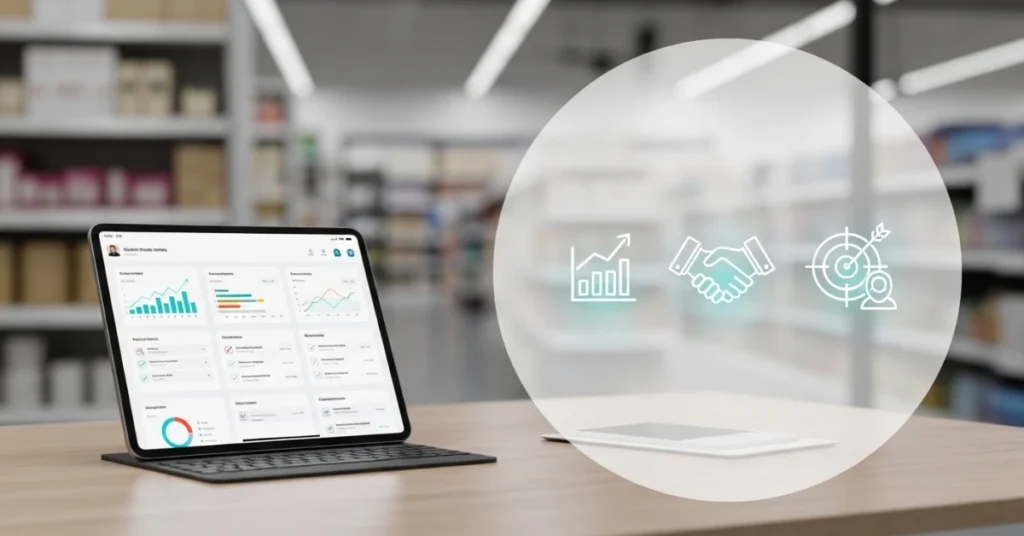
– Data-Driven Decisions: Using platforms to track job history, customer feedback, and staff performance helps you improve faster than the competition.

Real Numbers: What Profit Can Look Like
While exact earnings vary by location and scale, a small cleaning business can expect:
– Margins of 20–50%, depending on labor efficiency and job types
– $30–60/hour per cleaner in revenue for residential jobs
– Higher returns for commercial contracts and specialized cleaning services
The key is repeat business. One-time cleanings are great, but reliable monthly clients are what stabilize income and allow you to plan for growth.
Long-Term Success Is Built on Systems
Just like planogram compliance matters in retail, operational consistency is everything in cleaning. Your ability to track performance, follow a routine, and maintain customer satisfaction is what keeps clients returning.
With tools like FieldPie, you can:
– Monitor cleaner performance
– Keep digital records of past jobs
– Schedule and reschedule efficiently
– Gather client feedback to improve services
So, Is a Cleaning Business Profitable?
Absolutely, if you treat it like a business, not a side hustle.
Get the right clients, build repeatable systems, invest in the right tools, and track your numbers. When managed properly, a cleaning business offers one of the most scalable, consistent, and recession-resistant ways to generate income.
Whether you’re just starting out or looking to optimize your existing operation, the right systems make all the difference.
Sources