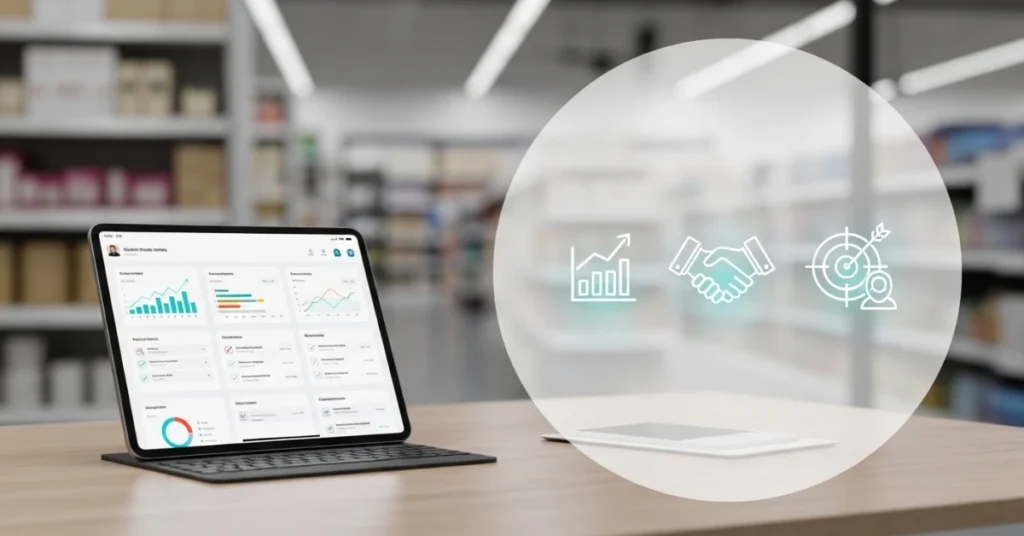




Field inspections are crucial for improving operational efficiency, and businesses can unlock greater productivity by optimizing these processes. By leveraging technology, standardizing procedures, and fostering better collaboration, companies can streamline inspections, minimize errors, and save valuable time.
In this article, we’ll explore actionable strategies and provide industry-specific insights to help you enhance the effectiveness of your field inspections. Plus, we’ll also introduce a field audit software that can support the smooth implementation of these strategies.
Effective Strategies to Optimize Field Audits
Strategies to optimize your field audits:
1. Leverage Technology for Data Collection
Using mobile apps and field inspection software streamlines data collection and enhances reliability. Auditors can capture information directly on-site, minimizing manual work and enabling immediate data sharing.
A PwC study found that mobile solutions can cut audit times by up to 50%, boosting efficiency and productivity.
Source
2. Standardize Audit Procedures
Establishing uniform audit procedures across teams and locations enhances accuracy and ensures critical steps aren’t overlooked. This approach also simplifies performance comparisons and lays the foundation for scalable operations.
3. Use Real-Time Collaboration Tools
Field audits often require teamwork across different teams. Real-time collaboration tools ensure everyone stays aligned throughout the process, minimizing delays and accelerating issue resolution.
A McKinsey report found that companies using digital collaboration tools in manufacturing can reduce waste by up to 25%, resulting in a $50 million annual revenue increase.
Source
4. Automate Reporting and Follow-Ups
Automation helps eliminate time-consuming manual tasks such as report generation and follow-ups, enabling teams to focus on higher-value activities. It also reduces the risk of delays and oversight.
According to a survey by Smartsheet, 69% of workers believe automation reduces time wasted on repetitive tasks, and 66% say it helps eliminate human errors.
Source
5. Invest in Training and Empowerment
While technology plays a crucial role, well-trained auditors are key to success. Regular training ensures that teams stay up-to-date with the latest tools and regulations, leading to more accurate and insightful inspections.
Harvard Business Review highlights that structured training programs, which focus on both skills and context, can significantly enhance audit efficiency and improve decision-making. Continuous learning also supports the adoption of audit best practices, ensuring teams stay aligned with industry standards.
Source

6. Utilize Analytics for Continuous Improvement
Analyzing audit data helps organizations identify patterns, recurring issues, and inefficiencies. This data-driven insight leads to long-term quality improvements and operational excellence.
7. Ensure Mobile Accessibility
Since inspections typically occur on-site, mobile-friendly audit tools are essential. These tools offer flexibility, ensure uninterrupted access to key features, and allow for faster response times in the field.
Field audits can be significantly improved by leveraging technology, standardizing processes, and enhancing collaboration. These strategies streamline operations, boost efficiency, and support continuous improvement, leading to better decision-making and long-term success.
Sector-Specific Strategies for Effective Audit
By leveraging technology, standardizing processes, and enhancing collaboration, field audits can be significantly improved. These strategies drive efficiency, support continuous improvement, and lead to better decision-making and long-term success. Below are sector-specific actions that can be taken to improve field audits and operational effectiveness:
CPG (Consumer Packaged Goods)
- Use on-site inspections to ensure optimal product placement and accurate stock levels.
- Implement real-time feedback to adjust product placement decisions on the spot.
- Enhance customer experience and streamline distribution processes through instant updates.
Retail
- Utilize digital shelf management tools to efficiently track product placement, pricing, and promotions.
- Quickly address pricing and placement issues to maintain consistent customer satisfaction.
- Empower store managers to act swiftly with real-time feedback, ensuring immediate responses to issues.
Telecom (Telecommunications)
- Perform site-level reviews to maintain seamless network infrastructure and service quality.
- Use real-time monitoring to detect service interruptions and resolve them promptly, improving team efficiency.
Home Services
- Centralize tracking of installations, maintenance, and service quality to boost overall operational efficiency.
- Leverage real-time mobile app reporting to speed up service processes and ensure compliance.
Energy & Utilities
- Conduct on-site evaluations to identify potential failures in infrastructure early, reducing long-term maintenance costs.
- Use real-time analytics tools for quicker field responses, minimizing operational disruptions.
Real Estate & Construction
- Conduct inspections to ensure compliance with safety and quality standards at every project stage.
- Use data to reduce construction errors and improve project tracking, increasing efficiency.
Logistics
- Carry out operational checks to improve logistics speed and ensure greater accuracy in deliveries.
- Implement real-time tracking systems to streamline delivery processes and enhance customer satisfaction.
Healthcare
- Use on-site assessments to monitor hygiene, medical equipment, and patient care standards.
- Automate reporting to reduce staff workload and speed up maintenance tasks for improved service.

Health & Safety
- Perform workplace safety inspections to detect risks early, ensuring a safer environment for employees.
- Implement automated systems to minimize risks and streamline post-inspection actions.
Facility Management
- Schedule regular reviews to track building maintenance, energy efficiency, and reduce operational costs.
- Use real-time tools to address issues swiftly, ensuring buildings operate efficiently.
Hospitality
- Conduct quality checks in hotels to improve guest services and cleanliness.
- Use instant alerts to enhance staff responsiveness and ensure quick issue resolution.
Manufacturing
- Perform operational inspections to maintain machinery and ensure safety compliance.
- Use real-time data sharing to streamline production runs and improve safety standards.
Food & Beverage
- Implement hygiene and safety checks to protect consumer health and maintain product quality.
- Use mobile apps for fast, accurate inspections to enhance operational control.
Distribution
- Perform operational checks to reduce stock and delivery errors, ensuring smoother operations.
- Implement real-time tracking to optimize delivery operations, increasing customer satisfaction.
Technical Services
- Use service inspections to improve turnaround times and client satisfaction.
- Leverage mobile reporting to enable field teams to work remotely and improve overall efficiency.
The Perfect Product for Streamlining Your Field Audits
For faster, more efficient audits, FieldPie is the perfect solution! With powerful features like online booking, real-time reporting, QuickBooks integration, and much more, FieldPie streamlines your processes. If you want to speed up audits, reduce errors, and boost customer satisfaction, FieldPie is the tool that works for you!
Conclusion
In conclusion, by leveraging technology, standardized procedures, and collaboration tools, field audits can be significantly improved, ¹saving up to 50% of audit time, ²reducing human errors by 30%, and boosting efficiency across industries. These strategies not only streamline operations but also enhance decision-making and ensure long-term success.
Start by applying one of these strategies in your next audit or reach out to explore how FieldPie can help your team work smarter.
Sources
¹ International Accounting Bulletin. (2024, April 22). Fiscalix introduces AI-powered Sarah.
² Hassan, A., & Ali, S. (2023). The impact of AI on internal auditing.