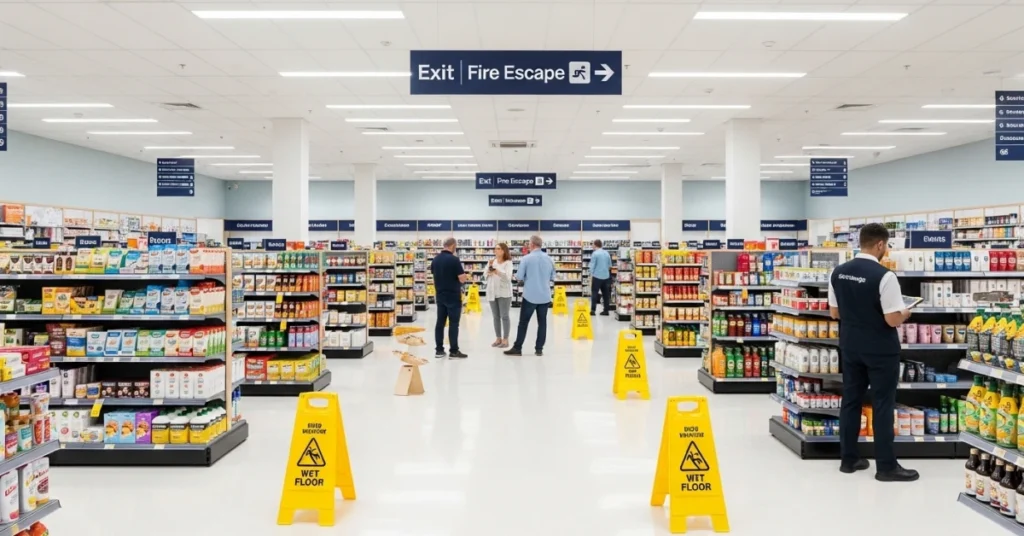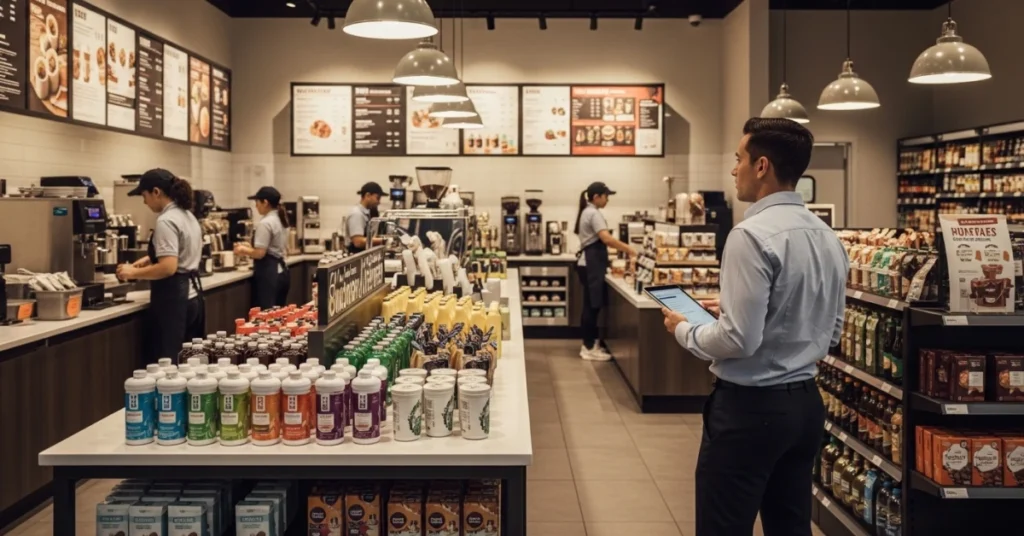



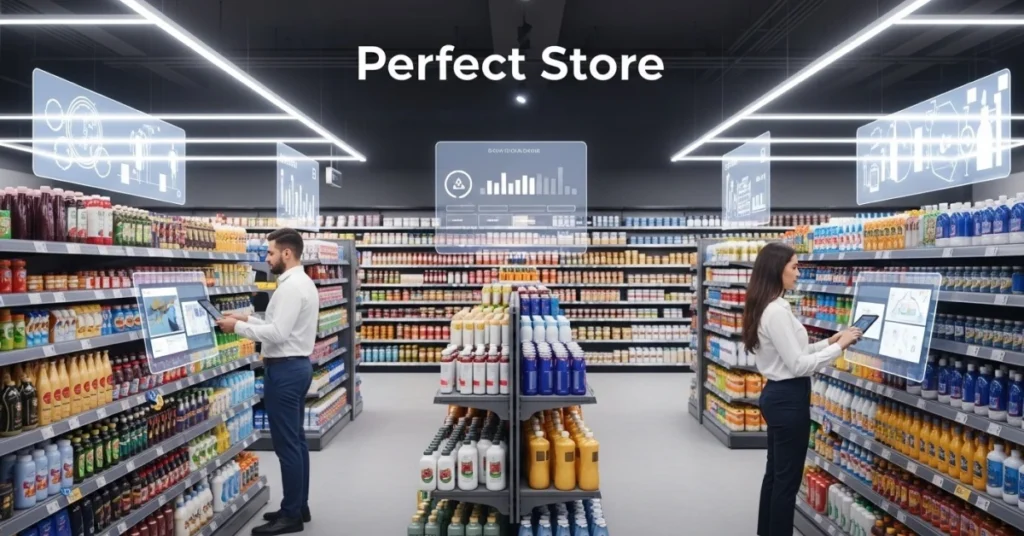
The perfect store is a retail execution model that ensures products are easy to find, shelves stay stocked, and in-store standards are consistently met. It bridges the gap between planned standards and on-shelf reality through structured, measurable execution.
Retailers using perfect store programs typically achieve 15–20% sales growth in the first year by improving availability, compliance, and speed of corrective action. By aligning placement, pricing, assortment, promotions, and inventory into a single execution standard, the perfect store increases customer satisfaction and revenue per square foot.
Why the Perfect Store Matters
Perfect store execution delivers value beyond store appearance. When products are available, correctly positioned, and competitively priced, customers buy faster, stay longer, and return more often.
Operationally, the perfect store functions as a performance framework. It enables retailers to objectively compare locations, turn top-performing stores into benchmarks, and generate actionable insights across the network.
Key outcomes include:
- Improved sales performance through reduced execution friction
- Fewer lost sales due to higher on-shelf availability
- Higher revenue per square foot through planogram compliance
- Stronger brand loyalty driven by consistent in-store experiences
- Clear, comparable performance benchmarks across locations
The Core Retail Execution Challenge
Most retailers understand what good execution looks like—but struggle to deliver it consistently. The central challenge is the persistent gap between intended standards and what actually happens on the shelf.
This gap is rarely caused by a single issue. Modern retail execution requires coordination across teams, suppliers, and locations with competing priorities. As a result:
- Promotional displays arrive damaged or are placed incorrectly
- Price labels become outdated
- Inventory levels fluctuate unpredictably
- Staff turnover disrupts routines
Perfect store execution reframes these issues as systemic challenges, not isolated store-level mistakes. Without a structured approach, consistency and brand impact are difficult to sustain.
The Perfect Store Framework
The perfect store framework turns scattered improvements into a measurable, repeatable execution strategy.
An effective model is built on four core pillars:
- Product availability
- Optimal visibility
- Brand compliance
- Operational efficiency
Execution follows a structured cycle:
- Assessment
- Standard-setting
- Execution
- Monitoring
- Continuous optimization
Baseline measurements support data-driven decisions, while real-time feedback loops enable continuous improvement.
How the Four Pillars Work in Practice
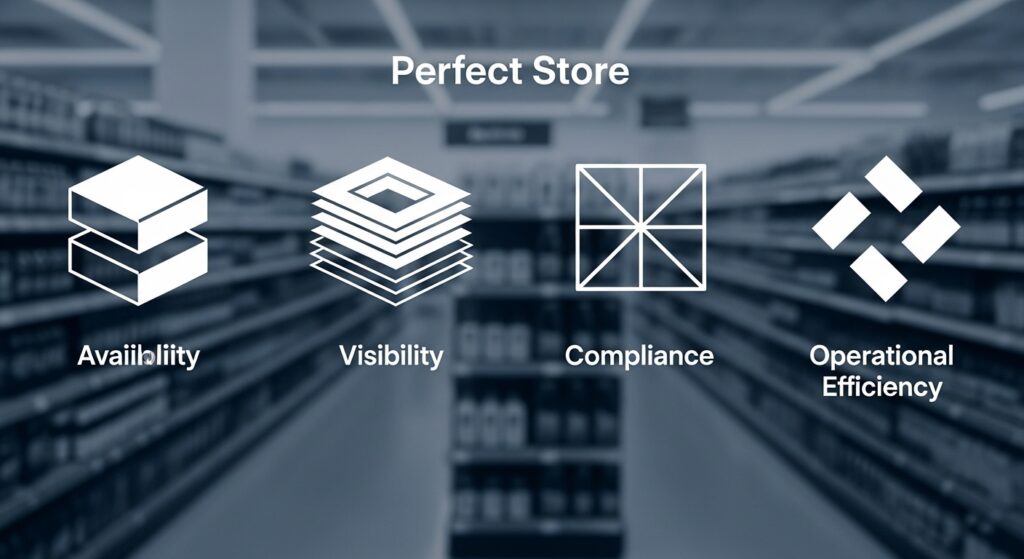
These pillars translate strategy into day-to-day store execution:
- Availability prevents empty shelves and stockouts. Industry studies show up to 43% of shoppers abandon purchases when products are unavailable.
- Visibility covers shelf placement, planogram compliance, and promotional execution. Strategic placement alone can increase sales by 20–30%.
- Compliance ensures consistent execution of brand standards, pricing, and promotions, protecting brand equity.
- Operational efficiency enables scale through audits, monitoring, corrective actions, and technology.
Together, these pillars create a seamless shopping experience that improves both customer satisfaction and business performance.
Turn Perfect Store standards into measurable execution across every store — see how in a free live demo.
Consistent Execution Across Locations
For multi-location retailers, the challenge is not defining standards—but executing them consistently. A perfect store strategy succeeds only when every location delivers the same level of execution, regardless of geography or staff turnover.
Consistency depends on clear, actionable standards supported by visual guidelines, regular audits, and continuous feedback. Technology accelerates this process by enabling real-time visibility and faster correction.
Key enablers include:
- Clear execution standards
- Mobile audit tools
- Centralized performance dashboards
- Corrective action workflows
- Empowered local teams
When teams understand both what to do and why it matters, execution becomes part of daily operations.
Data, KPIs, and Corrective Action
Without reliable data, perfect store execution remains theoretical. High-performing retailers differentiate themselves not by how much data they collect, but by how effectively they act on it.
Real-time inputs from mobile audits, digital checklists, and connected devices provide visibility into availability, planogram compliance, and promotions—allowing issues to be identified early and resolved quickly.
Core KPIs typically include:
- 98%+ on-shelf availability for priority SKUs
- 95%+ planogram compliance
- 20–30% higher inventory turns than category averages
- 85%+ customer satisfaction or NPS
The real value emerges when insights lead to action. Retailers responding within 24–48 hours consistently maintain higher compliance than those relying on slower review cycles. Effective corrective action requires clear ownership, prioritization based on business impact, and follow-up verification.
Technology Enabling the Perfect Store
Technology enables perfect store execution at scale. AI-powered image recognition identifies out-of-stocks, planogram violations, and pricing errors. Mobile tools capture store conditions in real time, while cloud dashboards deliver instant visibility.
Predictive analytics further supports preventive execution by combining historical data, seasonal patterns, and local insights. Technology delivers results only when paired with strong implementation and user adoption.
Overcoming Common Perfect Store Challenges
Perfect store initiatives often face:
- Resistance to change when shifting from manual to data-driven execution
- Budget constraints, best addressed through phased rollouts
- Inconsistent execution driven by local differences
- Data quality issues and staff turnover
Clear protocols, regular audits, and structured onboarding help overcome these barriers.
Business Impact of a Perfect Store Strategy
A well-executed perfect store strategy delivers impact far beyond shelf appearance. Retailers typically achieve 15–20% sales growth within the first year, driven by fewer out-of-stocks, stronger compliance, higher inventory turns, and improved customer experience.
Over time, consistent execution builds brand trust and creates a competitive advantage that compounds.
Key takeaways:
- 15–20% revenue growth in the first year
- Higher operational efficiency and lower long-term costs
- Stronger customer loyalty through consistent experiences
- Competitive advantages that are difficult to replicate
Conclusion
The perfect store turns strategy into consistent execution—bridging the gap between standards and shelf reality to drive sustainable sales growth, operational efficiency, and long-term brand advantage.
FieldPie solves this execution challenge. With mobile audits, real-time shelf visibility, automated corrective actions, and centralized dashboards, FieldPie enables retailers to operationalize the perfect store—turning standards into measurable, repeatable execution at scale.
👉 Discover how FieldPie helps you achieve and sustain the perfect store.