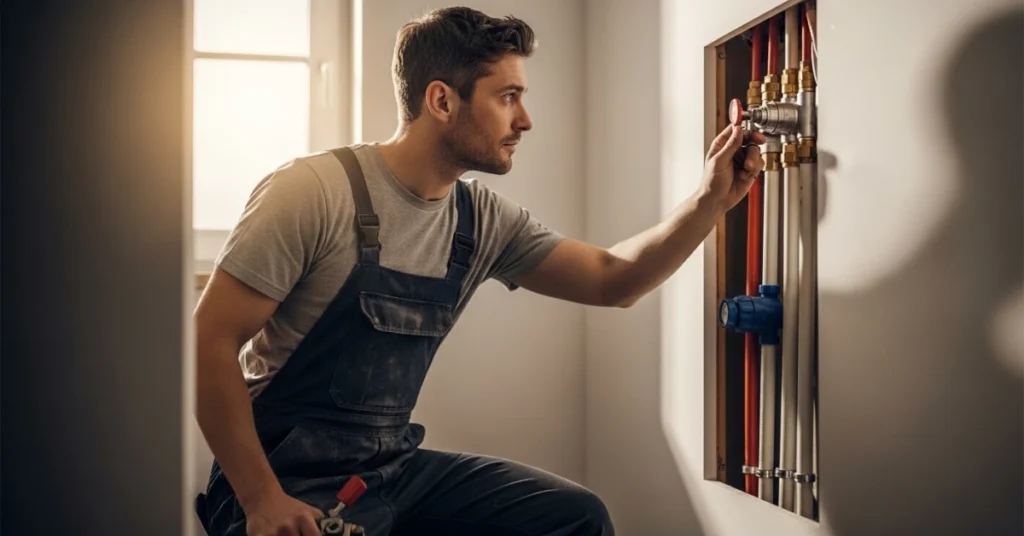



Entering the plumbing trade requires structured training and the right plumbing qualifications through education, apprenticeships, and professional licensing. With over 490,000 professionals nationwide, plumbing is one of the most stable skilled trades in America. Earning your plumbing qualifications takes structured training and cannot be achieved overnight.
Most states require defined milestones before working independently.
The journey typically includes:
- Foundational technical training
- Apprenticeship and hands-on experience
- The master plumber certification process (highest level)
This prepares professionals to handle both basic repairs and complex commercial installations safely and effectively.
Basic Education and Core Skills for Plumbing Qualifications
Most aspiring plumbers begin with a high school diploma or equivalent, forming the foundation for building their plumbing qualifications. This provides essential math skills for calculating pipe dimensions, reading blueprints, and understanding basic physics such as water pressure and flow.
Beyond technical knowledge, core competencies include:
- Problem-solving and mechanical aptitude
- Physical stamina for confined workspaces
- Strong communication with customers
Employers value candidates who adapt to evolving technologies and continue developing their plumbing qualifications. Understanding types of plumbers and salary expectations helps set realistic goals, while knowing local plumbing license requirements ensures readiness for certification and advancement.
Plumbing Qualifications and Career Levels Explained
The plumbing industry follows a clear hierarchy where each stage requires additional plumbing qualifications, responsibilities, and experience.
Entry-level helper roles provide hands-on experience without requiring certification, exposing workers to tools, techniques, and job site practices. According to the Bureau of Labor Statistics, the median annual wage for plumbers reached $59,880 in 2023, though entry-level earnings start lower.
Career progression typically includes:
- Apprentice plumber (training and supervised experience)
- Journeyman plumber (licensed independent professional)
- Master plumber (advanced expertise, leadership, and business authority)
Each stage builds practical skills and supports steady career growth.
Apprentice Plumber
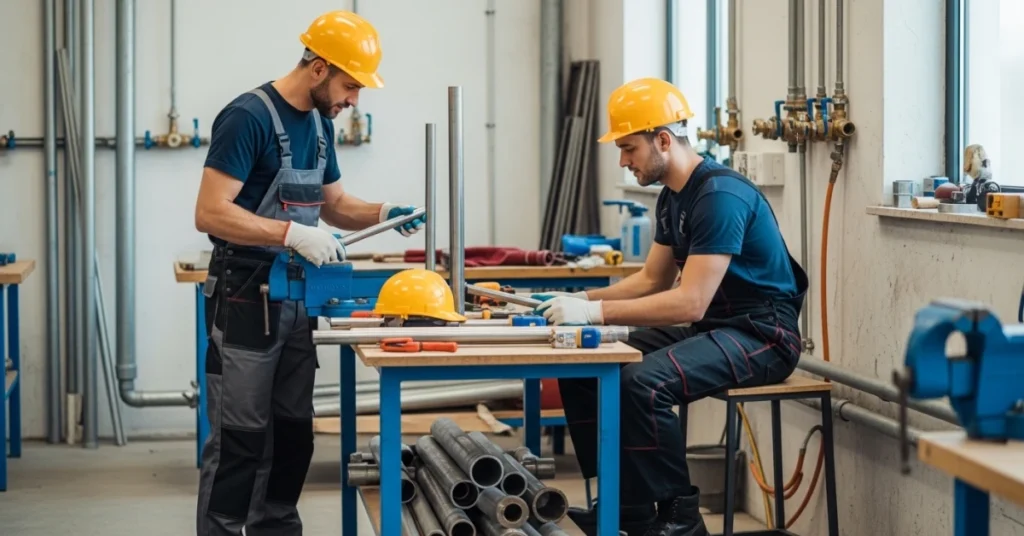
Apprentice plumbers are the entry point into professional plumbing, combining classroom instruction with hands-on training under experienced supervision. Most apprenticeship programs last 4–5 years, allowing apprentices to earn while building essential skills.
Completion includes both practical and technical learning, such as:
- Safety protocols and job site practices
- Blueprint reading and system understanding
- Local building and plumbing codes
The program concludes with a plumbing exam evaluating theoretical and practical knowledge. Industry data shows structured apprenticeships lead to stronger long-term career success and a smooth transition to journeyman plumber.
Journeyman Plumber
Journeyman plumbers are skilled professionals who have completed apprenticeship and earned a state plumbing license. This stage typically requires 4–6 years of combined training and experience, enabling independent work.
Journeymen are able to:
- Work independently on most projects
- Read blueprints and calculate materials
- Supervise apprentices and manage installations
Most states require passing comprehensive exams covering plumbing codes, safety regulations, and practical applications. Industry analysis shows journeymen handle around 80% of standard plumbing tasks without supervision, forming the core of the workforce. Advancement to master plumber is required for complex projects and business licensing.
Master Plumber
Master plumbers represent the highest level of expertise, achieved after years of journeyman experience, advanced training, and rigorous state examinations focused on system design and code knowledge.
Master plumbers are qualified to:
- Oversee large-scale plumbing projects
- Train and supervise other plumbers
- Design systems and pull permits for major installations
- Operate their own plumbing business
In many states, master plumbers must supervise plumbing companies and approve major installations, creating strong opportunities for entrepreneurship and higher earning potential.
Training and Education Paths for Plumbing Qualifications
Multiple routes lead to professional plumbing careers, each aligned with different plumbing licensing requirements across states.
Vocational schools offer 6-month to 2-year programs covering plumbing theory, code compliance, and hands-on installation. Community colleges provide 2-year associate degree programs combining technical coursework with general education and laboratory practice.
Other common training options include:
- Union training centers with structured programs and job placement support
- Specialized training in industrial and commercial plumbing systems
- Online platforms for code updates and continuing education
While online learning supports theory, hands-on experience remains essential for developing real-world skills. Most training routes ultimately lead to apprenticeship, where technical knowledge becomes practical expertise.
Apprenticeship Programs
Apprenticeships are the traditional gateway into professional plumbing, combining classroom instruction with supervised hands-on experience. Most apprenticeship programs last 4–5 years, allowing apprentices to earn while building essential skills.
Typical requirements include:
- Around 8,000 hours of on-the-job training
- About 576 hours of classroom education
This combination builds the competence required for journeyman plumber status. Plumbing Industry Statistics 2026 shows completion rates continue to improve as employers increasingly value structured training.
Key benefits of apprenticeship:
- Earn while learning (starting at 40–50% of journeyman wages)
- Progressive wage growth
- Direct mentorship and real-world experience
Trade School Programs
Trade school programs offer a faster, structured alternative, typically lasting 6–24 months. These programs combine theory with hands-on laboratory training using industry-standard equipment.
Common credentials include certificates in:
- Pipe fitting and water systems
- Drainage systems
- Safety protocols
Students also gain exposure to modern technologies such as smart plumbing systems and green infrastructure, preparing them for current industry demands. Many schools partner with contractors, improving job placement opportunities.
Graduates often enter apprenticeships or entry-level roles with strong foundational skills, helping accelerate progress toward full licensing requirements.
Plumbing Qualifications and License Requirements
Plumbing license requirements are the final step before professional practice, with regulations varying across states and municipalities. Most jurisdictions require passing both written exams covering plumbing codes and practical assessments demonstrating hands-on competency.
The licensing process typically includes:
- Proof of completed education or apprenticeship hours
- Application fees ranging from $50 to $300
- Continuing education credits to maintain an active license
Understanding licensing requirements and license levels is critical during this phase, as different license types may apply to residential and commercial work. Some states use tiered licensing systems, allowing entry-level plumbers to work under supervision while progressing toward full journeyman status through additional experience and exams.
This framework ensures public safety while creating clear pathways for professional growth in the plumbing industry.
How Long Does It Take to Become a Plumber?
The timeline to become a licensed plumber typically ranges from 2–5 years, depending on your educational path and local requirements. Trade school programs offer the fastest route, requiring 6 months to 2 years of classroom instruction followed by hands-on training. Apprenticeships remain the most common path, combining 4–5 years of on-the-job experience with classroom learning.
Becoming licensed generally requires:
- Completing an approved education or apprenticeship program
- Accumulating 2,000–8,000 hours of supervised work experience
- Passing state licensing examinations
This relatively fast timeline makes plumbing attractive in today’s skilled labor market. Once licensed, plumbers benefit from strong job security and diverse career opportunities across residential, commercial, and industrial sectors.
Career Opportunities and Salary in Plumbing
The plumbing industry offers diverse career paths beyond residential service, including commercial construction, industrial maintenance, and specialized system design. After completing the education and training required for plumbing certification, professionals can pursue opportunities in:
- Green building technologies
- Smart home systems
- Plumbing inspection and code enforcement
According to the Bureau of Labor Statistics, median annual wages for plumbers reached $59,880 in 2023, with the top 10% earning over $97,170. Geographic location significantly affects income, with metropolitan areas typically offering 15–25% higher pay than rural regions.
Career growth may include becoming a master plumber, starting an independent contracting business, or specializing in high-demand fields such as medical gas systems or sustainable plumbing technologies. With a projected 15% industry growth rate through 2032, the outlook remains strong as infrastructure modernization and water conservation continue to drive demand for skilled professionals.
How to Start Your Plumbing Career
Starting a plumbing career requires planning and commitment, but the path is clear and accessible. Begin by researching your state’s plumbing licensing requirements, which vary by location, and understanding the plumbing qualifications needed at each stage. Most aspiring plumbers succeed through trade school programs or apprenticeships, both providing essential hands-on experience.
Key steps to start:
- Build your educational foundation through a technical college or apprenticeship
- Gain practical experience through structured training
- Network via plumbing associations and trade events
Becoming a licensed plumber typically takes 2–5 years, but it offers strong job security and earning potential. With skilled trades facing labor shortages, qualified plumbers enter a market with high demand across residential, commercial, and specialized sectors.
Start today by exploring local trade schools, apprenticeship programs, or connecting with experienced plumbers. Technical skill combined with professional dedication leads to long-term success in the plumbing industry.
Key Plumbing Qualifications Takeaways
Understanding the core requirements helps you plan a clear and successful path in the plumbing profession.
Key milestones in the plumbing career path include:
- Master plumber certification process (highest professional level)
- High school diploma or equivalent (foundational education)
- Plumbing licensing requirements (mandatory for independent work)
- Understanding plumbing qualifications and certification steps
The timeline to become a licensed plumber typically ranges from 2–5 years, depending on training path and local requirements.
Conclusion
Becoming a qualified plumber requires structured education, hands-on training, and professional licensing. Building strong plumbing qualifications through each stage—from apprentice to master—develops the technical expertise needed for a stable and long-term career in the skilled trades.
As professional responsibilities grow, managing jobs, schedules, and field operations becomes increasingly important. Solutions like FieldPie support plumbing professionals by helping them:
- Organize jobs and schedules
- Track field operations in real time
- Maintain consistent workflows
- Improve service visibility and coordination
Combining strong technical qualifications with effective operational tools helps plumbing professionals work more efficiently, stay organized, and grow sustainably.
See how it works in real operations — Book a Demo with FieldPie.