


What Are Restaurant Cleanliness Standards?
Restaurant cleanliness refers to the hygiene and sanitation standards restaurants must follow to protect public health. These rules are mandatory, enforced by health departments, and guided by agencies such as the CDC and FDA.
They cover staff hygiene, food storage, equipment cleaning, and waste management. Health inspectors review these areas during inspections, and the results directly influence customer trust and a restaurant’s reputation.
Why Restaurant Cleanliness Standards Matter
Restaurant hygiene affects public health, legal compliance, and business success. When sanitation standards are not followed, the risk of foodborne illness and operational disruption increases.
Poor hygiene can result in:
- Fines, closures, and lawsuits
- Loss of customer trust and revenue
- Long-term reputation damage
Consistent hygiene practices not only reduce risk but also support customer loyalty, positive reviews, and sustainable growth.
Health Regulations and Inspections
Health departments enforce restaurant hygiene through regular, often unannounced inspections, typically aligned with FDA Food Code guidelines (with regional variations).
Inspections focus on:
- Food storage and holding temperatures
- Employee handwashing and hygiene
- Kitchen and prep area cleanliness
- Equipment sanitation and maintenance
- Pest control
Restaurants receive scores or letter grades, and serious violations may lead to temporary closure.
Inspection frequency depends on risk:
- High-risk or poor history: quarterly
- Low-risk, well-maintained: annual
Common violations include:
- Improper food temperatures
- Inadequate handwashing facilities
- Weak or inconsistent cleaning practices
Regular internal audits and staff training help prevent these issues.
Hygiene Regulations for Restaurants
Food safety regulations cover all daily operations to prevent contamination.
Main regulation areas:
- Food handling & storage
- Cold foods below 41°F
- Hot foods above 140°F
- Equipment sanitation
- Regular cleaning of food-contact surfaces
- Employee hygiene
- Proper handwashing and protective clothing
- Facility maintenance
- Clean kitchens, storage areas, and restrooms
Additional requirements:
- Scheduled cleaning routines
- Prevention of visible and hidden contamination
- Application of HACCP principles
- Proper documentation (temperature logs, cleaning records, training certificates)
Non-compliance can result in fines or closure.
What Happens During a Health Inspection?
Health inspections follow a standard checklist and usually occur unannounced during business hours.
Inspectors typically review:
- Dining and prep area cleanliness
- Sanitizer availability and use
- Food storage temperatures
- Pest or cross-contamination risks
- Food handling and handwashing practices
- Equipment condition
- Expiration dates and raw vs. cooked food separation
They also check documentation such as temperature logs, cleaning schedules, and training records. Inspections end with a written report and score highlighting areas that require improvement.
Key Areas of Restaurant Hygiene
RestRestaurant hygiene includes interconnected areas that work together to prevent contamination.
Main hygiene zones:
- Kitchen: highest risk area; requires strict cleaning, sanitation, and temperature control
- Dining areas: table, floor, and restroom cleanliness; directly affects customer perception
- Storage: temperature-controlled coolers and pest-free dry storage
Contamination in one area can quickly spread to others.
Food Storage, Preparation, and Handling
Proper food handling is essential for food safety and compliance.
Key practices include:
- Correct hot and cold holding temperatures
- Separate tools and storage for raw and ready-to-eat foods
- Raw meat stored on lower shelves
- Proper handwashing, clean uniforms, and hair restraints
These practices must be supported by clean facilities and sanitized equipment.
Premises, Equipment, and Waste Management
The physical environment supports food safety.
Focus areas:
- Daily cleaning of food-contact equipment
- Secure waste disposal and pest prevention
- Well-maintained ventilation to control moisture
Together, these practices create a safe and compliant restaurant environment.
Staff Hygiene and Cleaning Practices
Staff hygiene is the first line of defense against foodborne contamination.
Key practices include:
- Handwashing for at least 20 seconds
- Proper glove use that never replaces handwashing
- Clean uniforms, hair restraints, and minimal jewelry
Regular training and clean staff areas reinforce hygiene expectations and support consistent compliance.
Maintaining Compliance Over Time
Cleanliness standards require ongoing monitoring, not one-time setup. Restaurants must adapt to changing regulations, seasonal risks, and daily operations.
Long-term compliance relies on:
- Regular internal audits
- Clear documentation
- Ongoing staff training
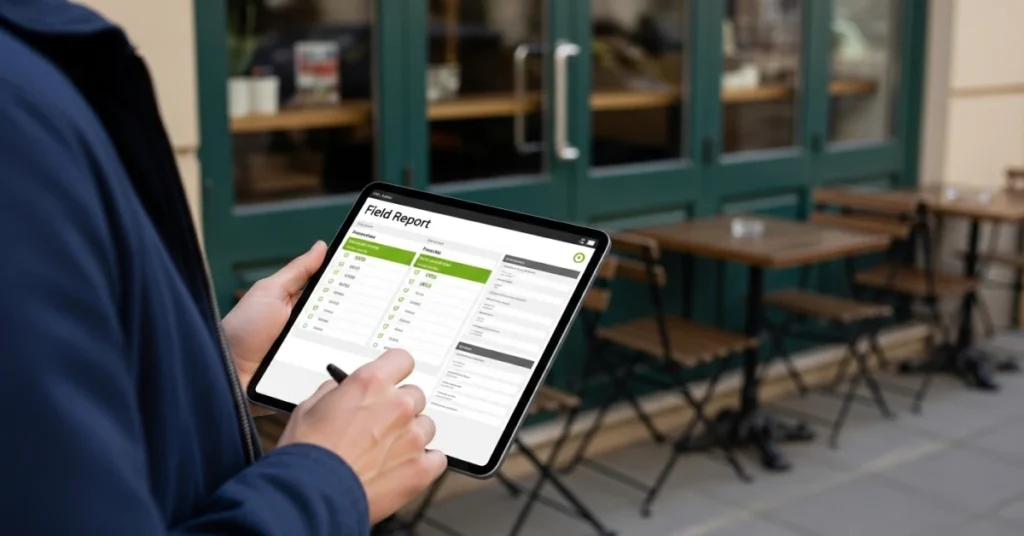
- Technology support such as digital checklists and temperature logs
Tools help, but staff commitment is essential.
What Are the 10 Most Common Health Code Violations for Restaurants?
Knowing the most common health code violations helps restaurants fix risks before inspections lead to fines or closures.
Most frequent violations include:
- Improper temperature control (nearly 30% of violations)
- Cross-contamination, especially between raw and ready-to-eat foods
- Poor employee hygiene (unwashed hands, incorrect glove use)
- Inadequate equipment sanitation (ice machines, dispensers, prep surfaces)
- Pest control issues
- Insufficient handwashing facilities
- Missing or incorrect temperature logs
- Poor cleaning of food-contact surfaces
- Improper chemical storage near food items
- Documentation failures (expired permits, missing records)
Identifying these patterns allows operators to run effective self-checks and correct issues before official inspections expose costly compliance gaps.
How to Tell If a Restaurant Has Poor Hygiene Standards
As a diner, spotting poor hygiene helps protect your health.
Warning signs include:
- Dirty floors, sticky tables, or overflowing trash
- Poor restroom cleanliness
- Staff skipping handwashing or touching food with bare hands
- Soiled uniforms
Additional red flags:
- Cluttered kitchens or improper food storage
- Raw and cooked foods not separated
- Bad odors, flies, or pests
- Food served at incorrect temperatures
If something feels off, it’s best to leave. Clean restaurants welcome scrutiny and consistently maintain safe environments.
Conclusion
Restaurant cleanliness standards directly impact inspection results, customer trust, and business continuity. Without consistent audits and real-time visibility, small hygiene gaps can quickly turn into costly violations.
FieldPie helps restaurants standardize cleanliness checks, monitor compliance across locations, and stay inspection-ready at all times. Schedule a FieldPie demo to turn restaurant cleanliness from a risk into a controlled, measurable process.