


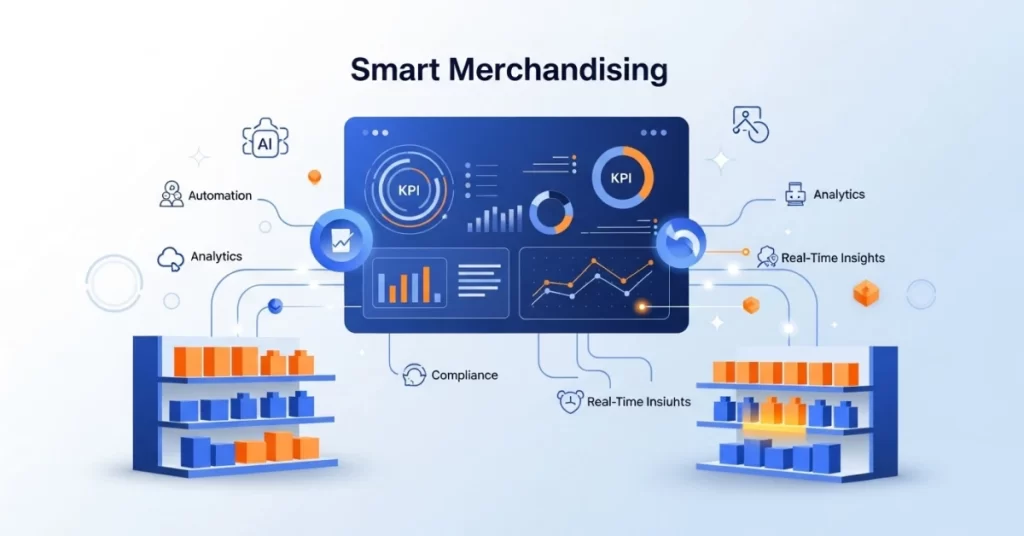
Smart merchandising is now essential for staying competitive, helping brands increase sales and improve customer experience. Traditional methods like paper checklists and manual visits are slow and error-prone, often causing missed sales when issues are discovered too late.
By using AI, image recognition, and cloud tools, modern merchandising gives teams real-time visibility and automated alerts. Stores follow brand standards more consistently, execution gaps are prevented, and this data-driven approach becomes crucial—especially since most purchase decisions happen within seconds at the shelf.
The Pitfalls of Traditional Merchandising
Legacy merchandising methods create major challenges for field teams and managers. Paper forms and spreadsheets slow down data flow, so issues like stockouts or planogram errors are often discovered too late. Without real-time visibility, managers can’t accurately see store conditions, and manual data collection creates inconsistencies between different reps.
As a result, many problems go unnoticed — studies show that up to 30% of issues are missed without automated tracking. These execution gaps lead to lost sales, weak promotions, and an uneven customer experience across stores.
Common Challenges of Traditional Merchandising
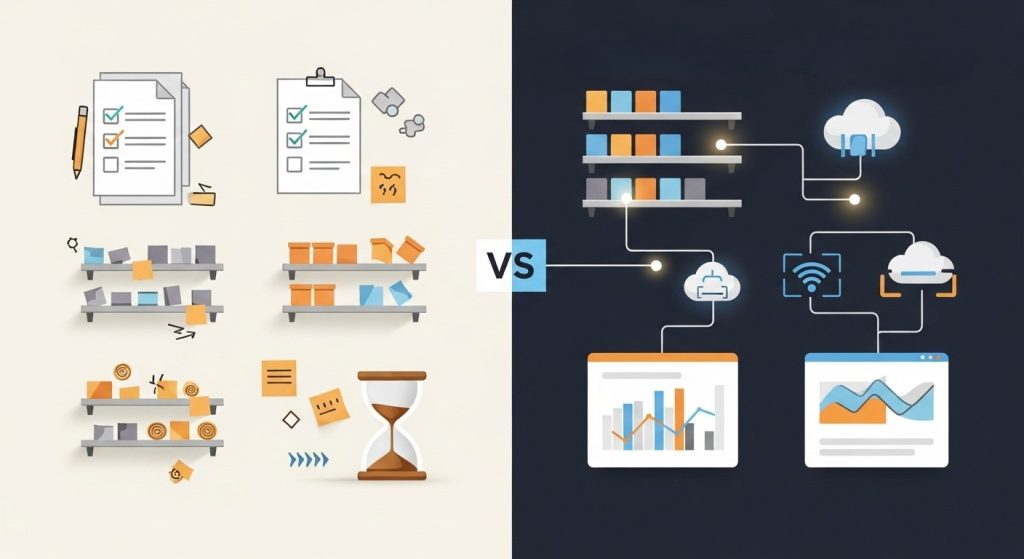
- Lagging Data: Manual reports and paper checklists mean information from the store is often outdated by the time it’s reviewed.
- Limited Visibility: Without real-time dashboards, executives can’t instantly see which stores have stock issues or layout mistakes.
- Inconsistent Reporting: Handwritten notes lead to errors and subjective interpretations, making data unreliable.
- Inefficient Follow-Up: Tracking corrective actions via email or spreadsheets is slow. Problems may be forgotten or repeated, and communication gaps arise.
Overall, these outdated practices leave brands scrambling to react instead of planning ahead. A product launch or promotion can falter not because of demand, but simply because execution missed the mark. The disconnect between plan and reality is a major bottleneck that keeps retailers from being agile.
What is Smart Merchandising?
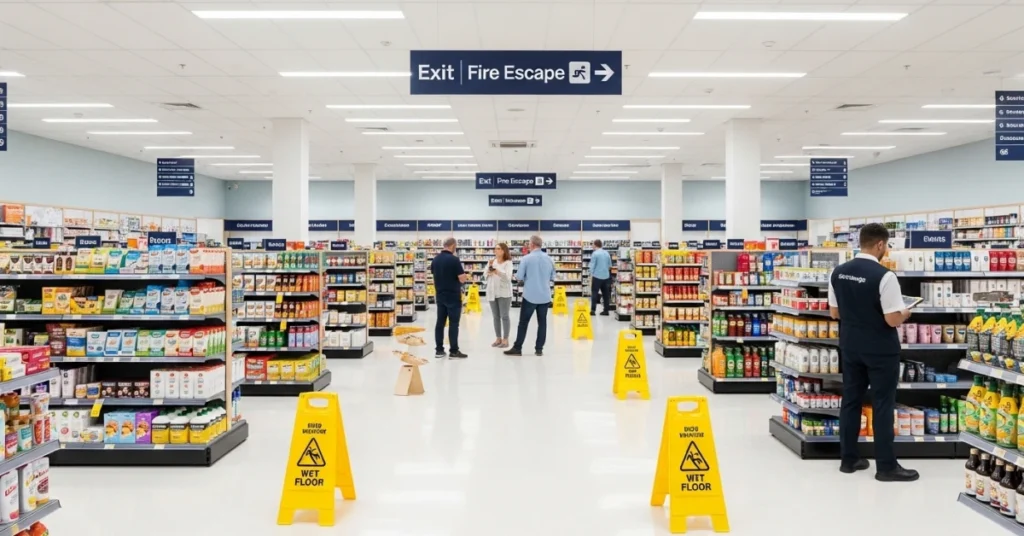
Smart merchandising uses technology and data analysis to optimize product placement, promotions, and inventory inside retail stores. It’s more than creating attractive displays — it’s about making informed, data-driven decisions that help retailers sell smarter and more efficiently.
In practice, a smart merchandising system gathers data from shelf scans, POS systems, sensors, or mobile audits, then applies analytics or AI to recommend the best stocking and presentation strategies. It can reveal which products sell well together for cross-promotion or predict which SKUs are likely to run out soon, enabling proactive action.
How It Works: The Smart Merchandising Cycle
Smart merchandising starts with data collection. Field teams capture shelf layouts, sales trends, and inventory levels using sensors, barcode or QR scans, image recognition, and POS data. This information is then analyzed with analytics or AI to spot patterns — such as products that frequently sell out at specific times or locations.
Retailers use these insights to take action: placing products in high-impact areas, replenishing inventory before gaps occur, and triggering targeted promotions at the right moment. As new data comes in, the cycle repeats and strategies are refined.
In short, smart merchandising uses real-time data and automation to ensure products are always in the right place at the right time — improving conversion rates and preventing stockouts that frustrate shoppers.
The Rise of Software-Driven Retail Execution
The retail industry is undergoing a major digital transformation. Cloud platforms now connect sales, inventory, and field operations in one system, while AI delivers real-time alerts on issues like empty shelves and recommends the best in-store actions. Mobile apps help merchandisers capture accurate data on every visit.
This creates an “always-on” retail environment where stores can quickly adjust layouts, restock shelves, and respond to demand shifts. Headquarters can also run scenario simulations, enabling smarter and more proactive decisions.
As trends change rapidly, traditional planning can’t keep up. AI-powered merchandising helps retailers stay agile, improving inventory turns by around 20% and reducing markdowns. In this data-driven model, technology becomes essential—coordinating field tasks, ensuring consistent execution, and allowing brands to scale with precision.
Core Pillars of Smart Merchandising Platforms
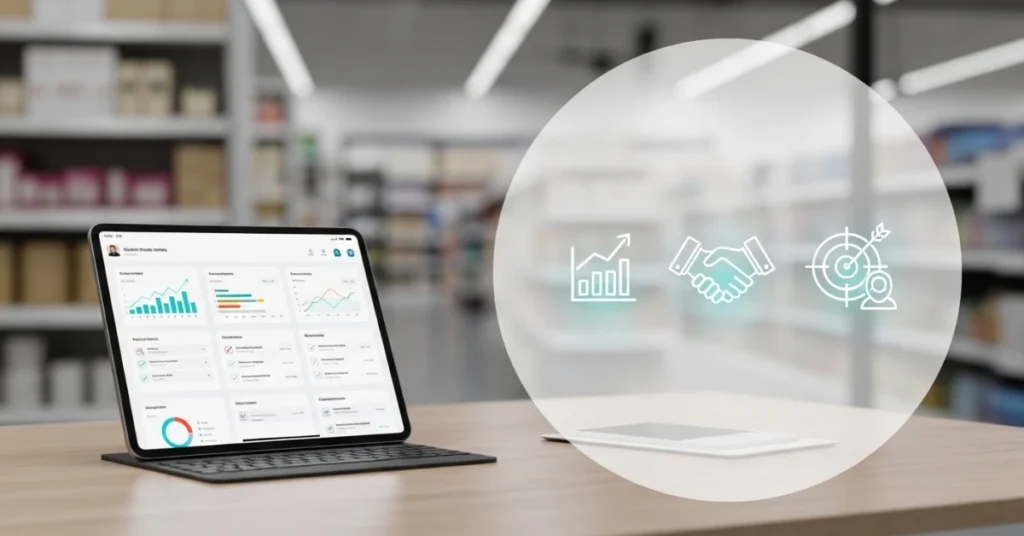
Top smart merchandising solutions are built on three core pillars: Automation, Real-Time Visibility, and Intelligent Action.
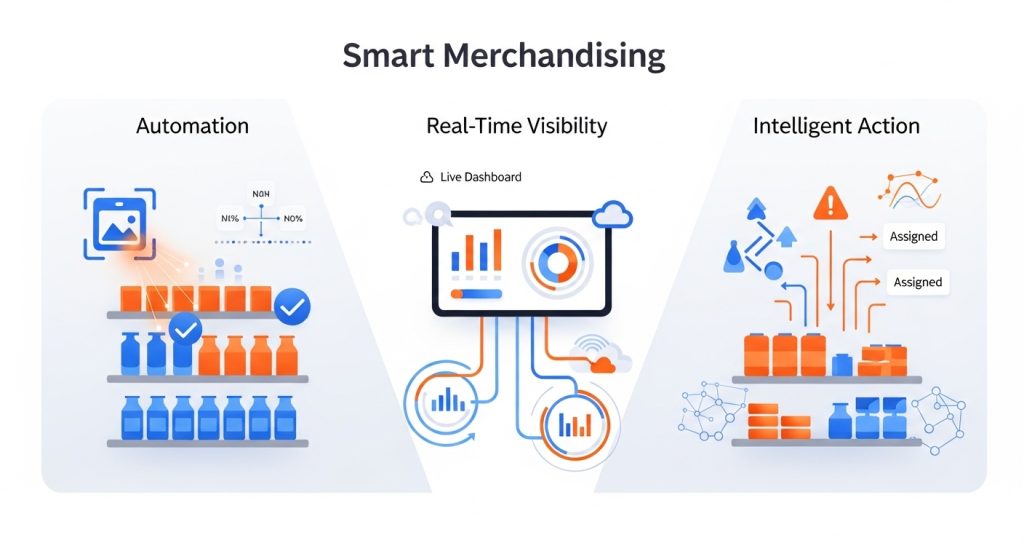
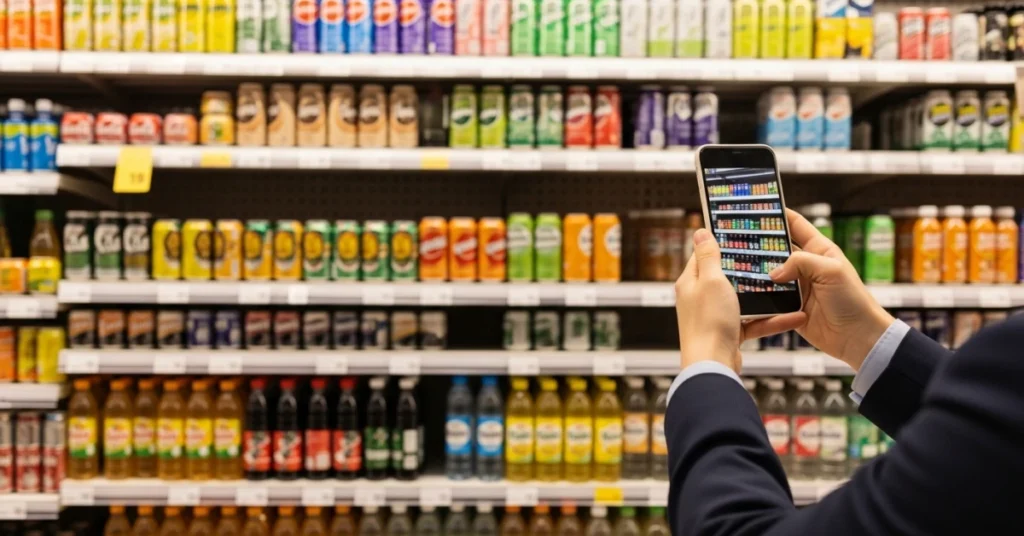
Automation: The platform automates data capture and routine tasks. A rep can simply take a shelf photo, and the software instantly analyzes it with image recognition to check planogram compliance, stock levels, and promotion accuracy. This removes slow manual checklists and ensures standardized, consistent data.
Real-Time Visibility: All collected data feeds into a live dashboard. Managers see a 360° view of store conditions – which stores have gaps, how each category is performing, and what trends are emerging. This immediate transparency means issues are spotted as they happen.
Intelligent Action: Analytics aren’t just for reporting; they drive action. The system can prioritize tasks (e.g., automatically assign a restocking visit if an out-of-stock is detected) and even predict problems before they occur. Over time, AI models learn from historical data to fine-tune these actions and recommend preventive measures.
Together, these pillars ensure that a merchandising plan is actively enforced in every store. Instead of a reactive battle against problems, teams become proactive optimizers.
How Does Automation Improve Merchandising Accuracy?
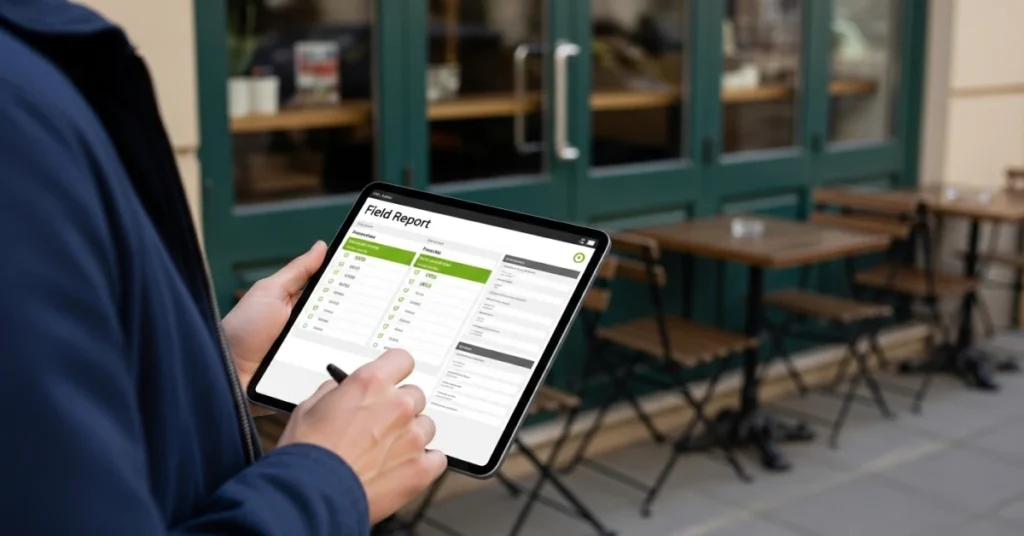
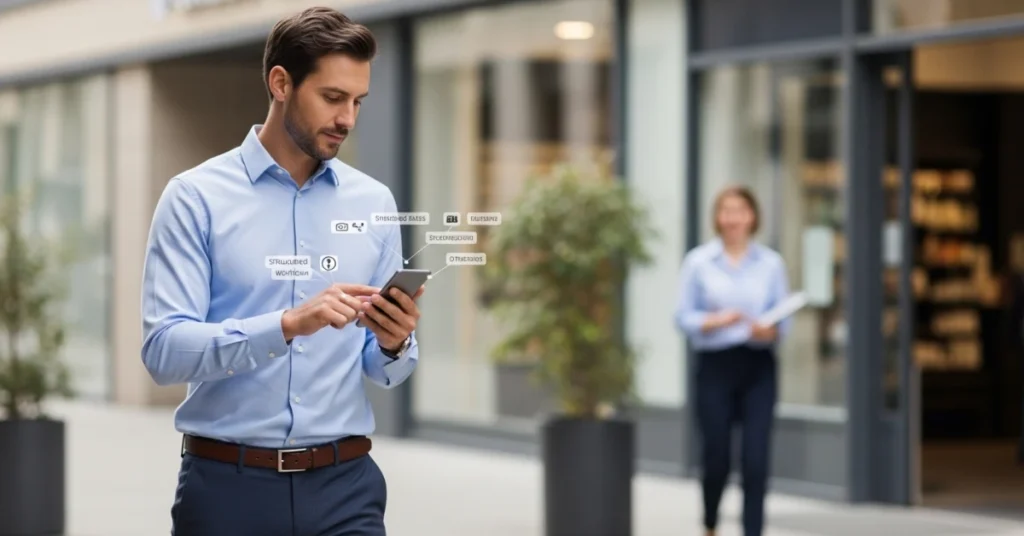
Smart merchandising equips field teams with tools to capture store data instantly and accurately. With mobile apps powered by image recognition, a merchandiser can take a shelf photo and the software automatically detects key issues—from planogram compliance to missing price tags or incorrect facings.
By auto-analyzing images and scans, the system identifies out-of-stocks, checks promotions, and verifies pricing. This automation produces consistent, objective data with minimal effort, helping brands maintain strong execution in every store.
Key automation capabilities include:
- Planogram Compliance Checks: Camera-powered audits verify that each SKU is in its planned location. Any deviation is noted immediately.
- Stock Level Alerts: The software detects and logs empty shelf gaps so reps can refill products before customers notice.
- Promo & Price Compliance: Ads, signage, and price labels are checked to ensure promotions are set up with the correct items and pricing.
- Shelf Share Analysis: The tool measures if competitor products are taking up too much space relative to your brand’s allocation.
- Faster Responses: Automated alerts mean problems get fixed much quicker—some retailers report response times 3x faster with smart alerts than with traditional methods.
This level of automation dramatically cuts down on paperwork and human error. Field reps spend less time writing reports and more time taking the right action, while corporate teams get standardized, high-quality data from every store visit.
How Can Real-Time Store Insights Improve Execution?
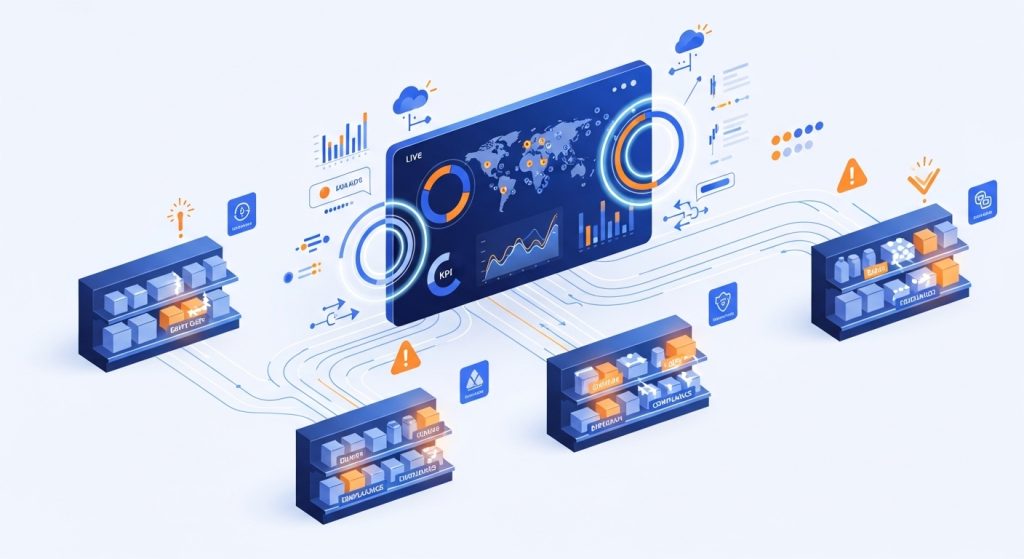
Once data starts flowing, smart merchandising platforms provide real-time visibility across all stores. Dashboards show live maps and reports, allowing teams to instantly spot issues—such as a store with unusually high out-of-stock alerts or a sudden drop in display compliance.
Managers can then drill down by region, chain, or product to identify root causes and take quick corrective action.
Benefits of this live view include:
- Instant Problem Detection: Issues like a missing display or empty shelf trigger immediate flags. Rather than discovering them weeks later, managers can act while it still matters.
- KPI Tracking Over Time: The system tracks metrics (shelf coverage, promo compliance, etc.) across weeks and months, showing whether execution is improving or lagging.
- Actionable Reporting: Custom reports can slice data by any dimension (brand, product line, retailer) to guide strategy. For instance, you can compare stores to find best practices or performance gaps.
- Eliminate Bottlenecks: Modern analytics remove the old delays of waiting for IT or spreadsheets. Retailers no longer wait weeks for data; instead, live insights ensure inventory and displays match current demand.
In practice, this means field teams and executives are always on the same page. If a promotion isn’t showing up at enough stores, HQ sees it instantly. If one product is selling out too fast, reorders can be placed before the weekend. The entire organization moves from reacting after the fact to steering execution in real time.
How Smart Merchandising Drives Real Decisions
Smart merchandising isn’t just about collecting data—it turns insights into action. Modern platforms connect analytics with workflows so decisions happen automatically.
For example, if the system detects an out-of-stock issue for a popular item across several stores, it can instantly create a task like “Restock Product X in Store Y” and send it to the right field rep. The rep completes the task and confirms it with a follow-up photo. This creates a closed-loop process where issues are detected, assigned, and verified within the same platform.
Intelligent features also include:
Prioritized Task Management: Tasks are automatically ranked by urgency or impact. A critical stockout in a high-traffic store will generate a high-priority task, while routine check-ins can be scheduled for later.
Predictive Alerts: Over time, the system learns from past data. It might forecast that a certain product will sell out by next Thursday, and alert the team ahead of time. This lets teams take preventative action.
Smart Recommendations: By analyzing POS and basket data, the platform can recommend effective merchandising strategies. For example, if shoppers who buy coffee pods often also purchase almond milk, it may suggest placing them together or offering a bundled promotion.
Personalized product suggestions like these have been shown to significantly increase average order value and improve conversion rates.
These insights-driven workflows ensure that every data point leads to a concrete outcome. Field teams aren’t guessing – they’re acting on clear, analytics-backed guidance.
Why Smart Merchandising Matters (Benefits & Outcomes)
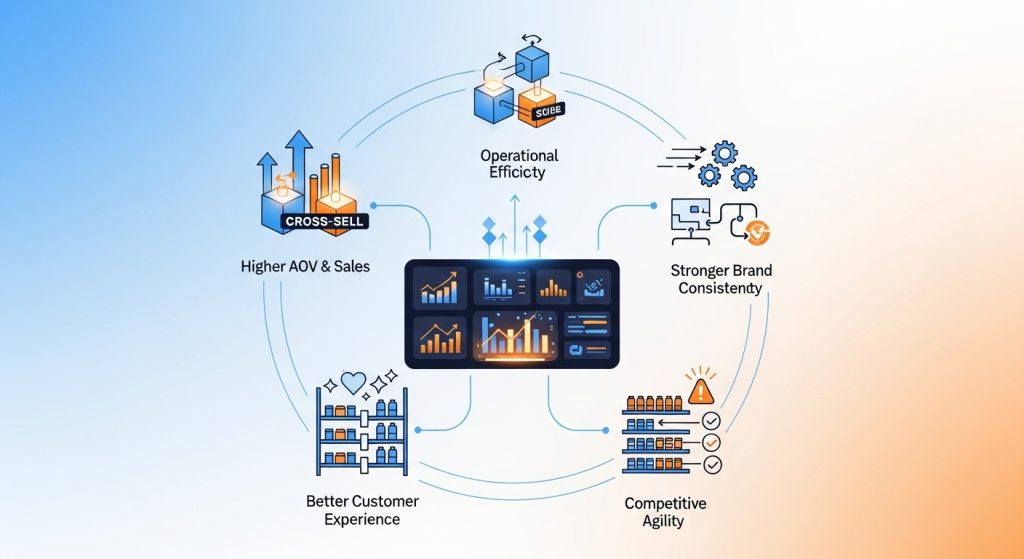
Adopting smart merchandising technology produces clear business benefits. In practical terms, companies see:
Higher AOV and Sales: Placing relevant products in high-impact areas and offering well-timed cross-sells naturally boosts average order value. Customers discover more items they want to buy, and studies show smart placement and cross-selling significantly increase both AOV and conversion rates. This grows revenue without relying on heavy discounting.
Improved Operational Efficiency: Automating routine tasks like shelf audits, data entry, and reporting makes merchandising operations much faster. Field teams can focus on higher-value work instead of paperwork, and they can update displays quickly when market trends shift. Smarter workflows help teams achieve more with the same resources.
Better Customer Experience: Shoppers find what they need faster, which reduces abandoned purchases. With real-time inventory tracking, popular items stay in stock, and dynamic layouts keep aisles easy to navigate. Data-driven displays and targeted promotions add a sense of personalization, helping customers feel understood and valued.
Stronger Brand Consistency: Automated compliance checks ensure every store follows the brand’s planograms and promotions accurately. This consistency protects brand image and strengthens the impact of marketing efforts. It also helps keep product placement fair, preventing newer SKUs from being pushed aside by more dominant competitors.
Competitive Agility: Smart merchandising gives retailers a powerful competitive edge. With continuous analytics, businesses can react quickly to sudden shifts—whether it’s a viral trend or unexpected weather affecting demand.
This agility has become a major differentiator, and research shows that retailers using AI-driven planning significantly outperform those relying on static, traditional processes.
Overall, smart merchandising transforms execution from a cost center into a value driver. Modern, analytics-driven platforms can improve inventory turnover by around 20% while reducing waste from unsold stock.
At the same time, on-shelf availability rises—some global brands report up to a 10% increase after adopting automated merchandising audits. These improvements translate directly into higher revenue and a more efficient bottom line.
Implementing Smart Merchandising Tactics
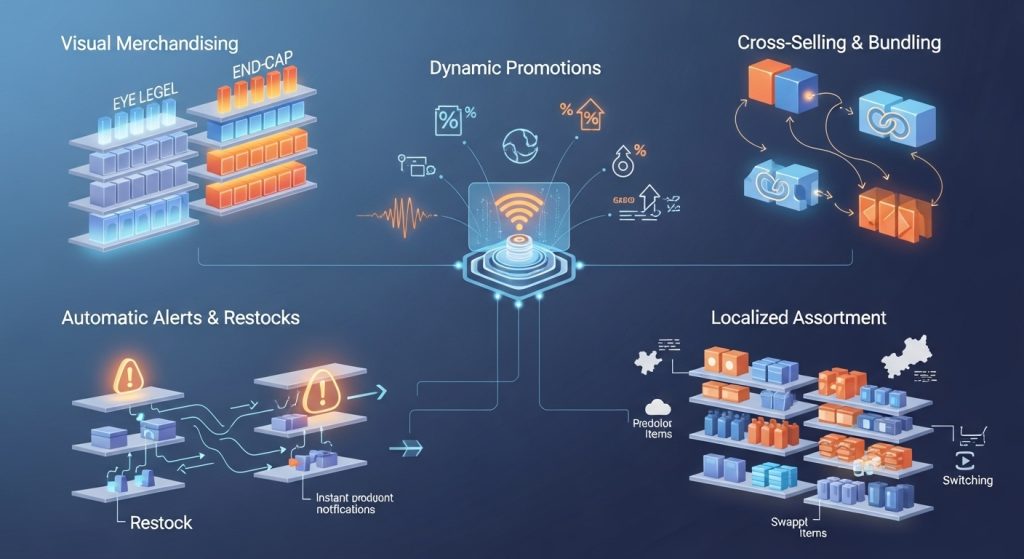
Deploying smart merchandising involves several practical tactics that leverage the technology:
Visual Merchandising: Use data to optimize product displays for maximum impact. Place top-selling or high-margin items at eye level or on end caps, and rotate promotions frequently based on customer traffic patterns.
Seasonal or premium products can be highlighted in high-traffic areas, and insights from heat maps or store analytics help guide these placement decisions.
Cross-Selling & Bundling: Analyze shopping patterns to bundle related items (e.g., coffee machine with coffee pods). Place these complementary items together or offer joint promotions to increase basket size.
Dynamic Promotions: Replace static, generic promotions with targeted offers based on real sales data. For example, if young adults are browsing a certain category, you can run a personalized discount for that product line during peak hours.
This approach connects online-style analytics with in-store campaigns, making promotions more relevant and more effective.
Automated Alerts & Restocks: Establish smart alerts for key thresholds (e.g., “Alert me when SKU123 is 20% below target stock”). When triggered, the system sends instant notifications to field reps or store managers to restock. This proactive restock tactic prevents lost sales.
Localized Assortment: Use regional data to tailor assortments. Smart platforms can analyze local sales trends (and even weather or event calendars) to adjust which products a store should carry. Less-than-ideal items can be swapped out locally in favor of those in demand, maximizing inventory efficiency.
Each of these tactics relies on good data and agile execution. The technology provides the insights, but success comes from using those insights to adapt store-level strategies quickly.
Digital Tools and Technologies for Merchandisers
Several digital tools and enhancements power modern merchandising:
Mobile Audit Apps: Smartphones or tablets equipped with specialized apps guide merchandisers through store surveys. They enable quick photo capture, checklists, and instant data sync.
Image Recognition Cameras: Standalone shelf cameras or mobile phone cameras use AI to recognize products, counts, and display attributes. This technology automates shelf audits without manual counting.
Cloud-Based Planogram Software: Digital planogram tools allow teams to create, update, and share shelf layouts online. Changes made centrally appear in the field so everyone follows the latest plan. AR features may even overlay planograms onto store shelves during resets.
BI and Analytics Dashboards: Integrated analytics platforms combine POS, inventory, and execution data into intuitive dashboards. Executives and merchandisers see real-time KPIs, trends, and heat maps.
IoT Sensors and Tags: RFID tags, beacons, or weight sensors on shelves can track stock levels continuously. This provides real-time inventory signals even between store visits.
Collaborative Platforms: Many solutions include built-in messaging or ticketing, so field teams and HQ staff communicate within the system. This keeps all merchandising activity documented in one place.
By adopting these technologies, brands transform their merchandising workflow. Instead of scribbling notes on a clipboard, reps use a digital tool that feeds back into enterprise software. Data flows seamlessly from store to HQ, enabling the smart merchandising processes described above.
How to Measure the Real Impact of Smart Merchandising
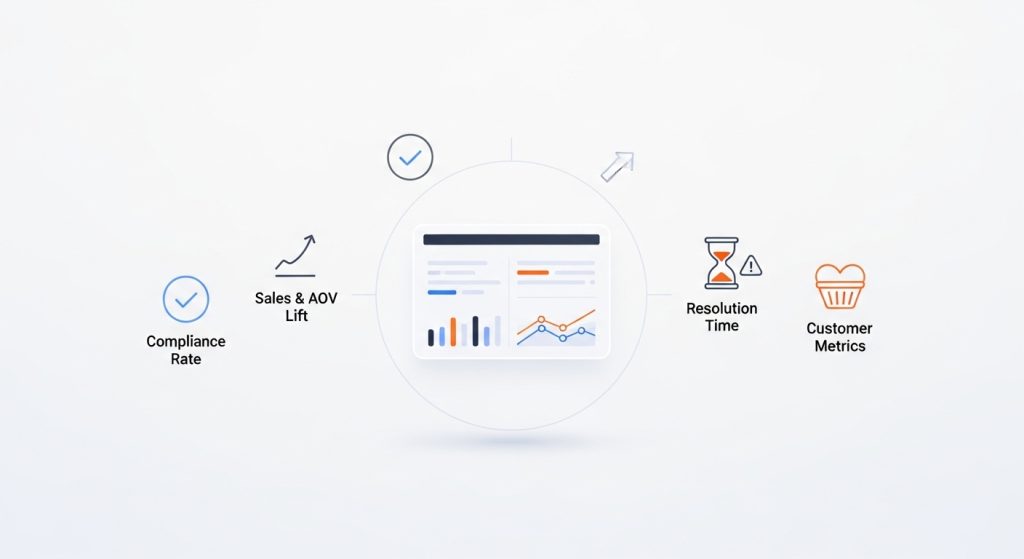
When evaluating smart merchandising, it’s important to measure clear ROI. Key metrics include:
Compliance Rate: The percentage of stores correctly executing planograms and promotions. A higher rate typically correlates with better sales performance. Brands often see compliance rates jump significantly with digital tracking.
Sales and AOV Lift: Compare sales and average transaction value before and after implementation. Increases in AOV and total sales reflect the value of better product placement and cross-sell tactics.
Time Saved: Track reductions in hours spent on manual audits and reporting. Freed-up hours mean reps can visit more stores or focus on strategic tasks.
Resolution Time: Measure how quickly stockouts or planogram issues are resolved. Smart systems cut this time dramatically — for example, an automated alert system can make fixes happen 3x faster.
Customer Metrics: Look at customer satisfaction scores, repeat visit rates, or basket counts. A smoother shopping experience should translate to higher engagement and loyalty.
Industry benchmarks show strong results. Brands using automated compliance tools often see double-digit shelf-share gains, tighter HQ–store alignment, and up to +10% improvement in on-shelf availability across large store networks. These benefits quickly translate into higher sales and lower costs.
Every missed out-of-stock or incorrect display is lost revenue. Smart merchandising closes these gaps, protects existing sales, and drives growth by replacing spreadsheets and guesswork with automated, real-time visibility.
Future Trends in Retail Merchandising
The future of smart merchandising will be driven by AI, machine learning, and deeper data connectivity. Generative AI may soon design shelf layouts or promo calendars, while AR could help merchandisers visualize planograms in real time. Robots and sensors will continuously scan shelves and feed data into the system.
As data flows grow, merchandising will become hyper-local and highly predictive. Stores will react instantly to local trends, and planners will use AI “what-if” tools to simulate outcomes. Retailers that fully adopt these technologies will stay ahead by offering tailored experiences and responding quickly to demand shifts, while humans focus on strategy and creative problem-solving.
Embrace Smart Merchandising Today
Smart merchandising is not just a buzzword — it’s the future of retail execution. By combining automation, real-time visibility, and analytics-driven action, retailers can eliminate execution gaps and drive measurable growth. Customers get the products they want, operations run smoother, and brands capture more of the sales they plan for.
Making the leap may require new software and processes, but the payoff is significant: higher average order values, more efficient field teams, and a superior customer experience. With smart merchandising, your stores don’t just look better — they perform better.
Ready to transform your retail execution?
Book a Demo with FieldPie to see smart merchandising in action and start capturing those gains today.