



Execution Doesn’t Just Happen; It’s Built, Tracked, and Tuned.
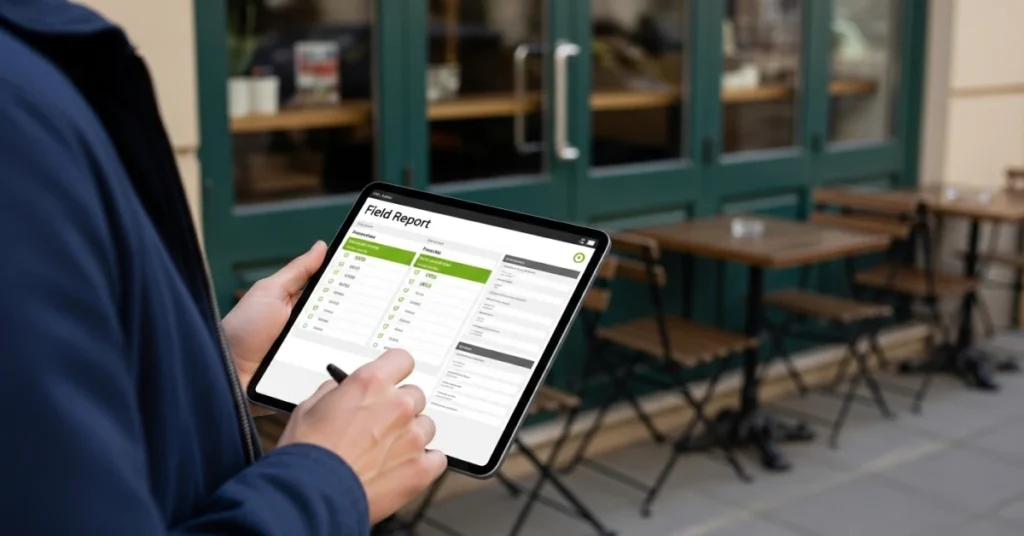
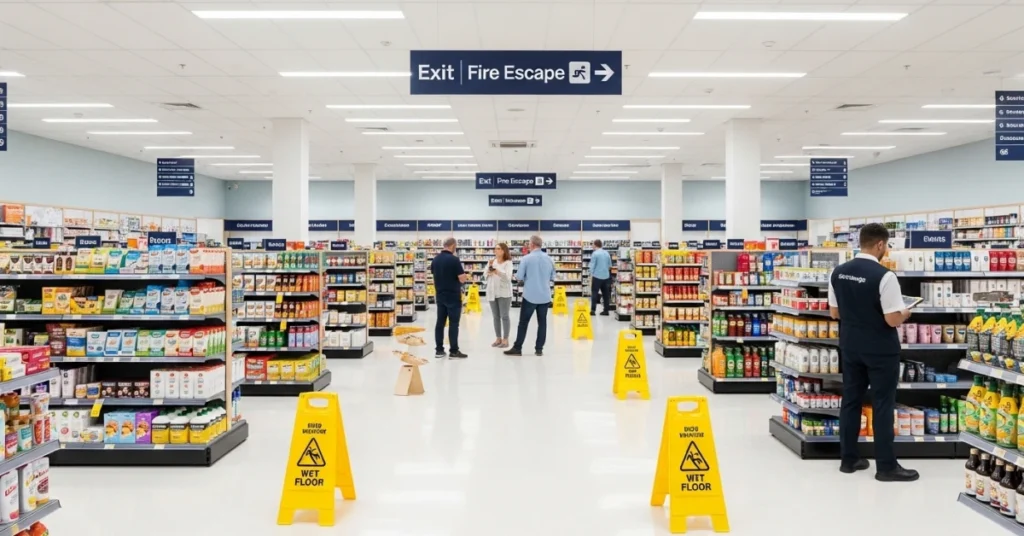
Let’s face it — achieving flawless retail merchandising execution is complex. Field teams are dispersed, plans shift constantly, displays sometimes go up incorrectly, and without real-time in-store visibility, you’re essentially flying blind.
According to NielsenIQ, 70% of in-store decisions are influenced by merchandising quality and real-time data availability — highlighting the critical role merchandising software plays in retail success.
Merchandising software today is far beyond just “checking boxes.” It’s about empowering field teams with clarity and tools to execute perfectly, while giving headquarters comprehensive visibility into actual store-level activities.
Here’s what really matters when selecting merchandising software: the features that drive flawless retail execution, operational efficiency, and measurable ROI.
1. Efficient Task Management for Retail Merchandising
Why it matters: Inefficient task management is a common reason merchandising execution fails. Research by IRI reveals that poor task assignment and follow-up can reduce compliance rates by up to 25%, leading to lost sales and damaged brand reputation.
What to look for: The software should allow precise task assignment based on store, role, team performance, or even geographic radius, with real-time updates visible to all stakeholders. This ensures accountability and timely completion of merchandising tasks without the need for manual chasing or redundant communication.
Benefit: Managers gain clear insight into task progress across all stores, can quickly identify lagging areas, and proactively address issues before they escalate, driving higher compliance and execution quality.
2. Contextual Photo Audits to Ensure Compliance
Why it matters: Visual evidence is one of the most powerful tools in merchandising. According to Forbes, stores that use photo audits see a 30% increase in merchandising compliance, as photos provide undeniable proof of execution quality.
What to look for: Every photo submitted should be automatically tagged with key metadata — including task association, store location, timestamp, and the user who captured it. This contextual information transforms photos from mere images into actionable data points.
Benefit: Field managers can efficiently audit hundreds of stores remotely, verify display setups, promotions, and compliance with merchandising standards, thereby reducing errors and ensuring consistent brand presentation.
3. Seamless Digital Planogram Integration for Accuracy
Why it matters: Retail executives report that inconsistent planogram execution can reduce sales by up to 10% (RetailWire). Traditional PDF-based planograms buried in emails or shared drives cause confusion and errors in the field.
What to look for: Modern merchandising software should seamlessly integrate planograms into reps’ daily workflows, making them accessible exactly when and where needed. This eliminates guesswork and reduces the risk of incorrect displays.
Benefit: Ensures consistent and accurate shelf layouts and promotional placements, protecting brand integrity and driving sales uplift through better in-store execution.
4. Reliable Offline Access for Uninterrupted Execution
Why it matters: According to Gartner, over 40% of mobile apps fail in low-connectivity environments, causing delays and lost productivity in the field. Many retail locations — malls, rural stores, warehouses — have patchy or no internet access.
What to look for: The software must offer full offline functionality, allowing reps to complete tasks, capture photos, add notes, and record data without connectivity. Data should sync automatically once back online.
Benefit: Maintains uninterrupted merchandising execution regardless of network availability, ensuring data integrity and preventing workflow disruption.
5. Actionable Merchandising Data for Smarter Decisions
Why it matters: Retailers leveraging actionable merchandising analytics report a 20% improvement in compliance and a 15% sales increase (McKinsey). However, raw data alone is insufficient without easy-to-understand insights.
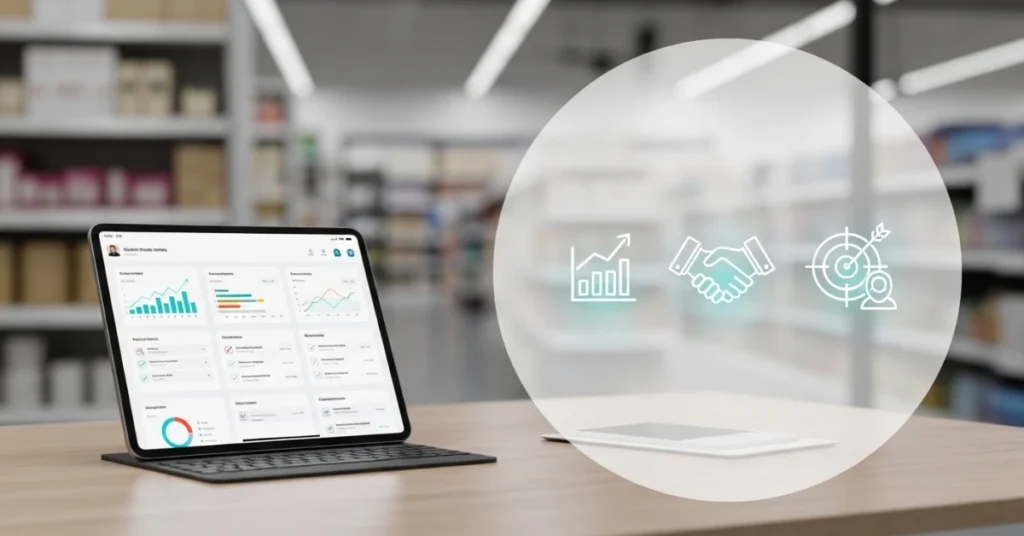
What to look for: Dashboards should highlight key metrics such as regional performance gaps, teams missing critical checks, and campaign compliance rates — all presented in an intuitive, user-friendly manner. The ability to generate detailed reports in a few clicks is essential for agile decision-making.
Benefit: Empowers managers to identify trends, address underperformance swiftly, and optimize merchandising strategies for maximum ROI.
Final Word: You Can’t Fix What You Can’t See
Execution problems often hide in blind spots, and many tools only reveal these issues when it’s too late.
FieldPie was built for merchandising teams demanding end-to-end visibility, agility, and scalability without sacrificing control.
If you’re still managing merchandising through email chains, WhatsApp groups, or outdated systems, you’re likely missing sales and wasting resources. Modern merchandising software like FieldPie is essential to compete and succeed in today’s retail environment.
Ready to Transform Your Retail Game?
FieldPie gives you real-time visibility, error-free execution, and unmatched efficiency — all in one powerful tool. Track performance, capture photo audits, manage tasks seamlessly, and even work offline without missing a thing.
Book a demo now and discover how FieldPie can elevate your merchandising to the next level!