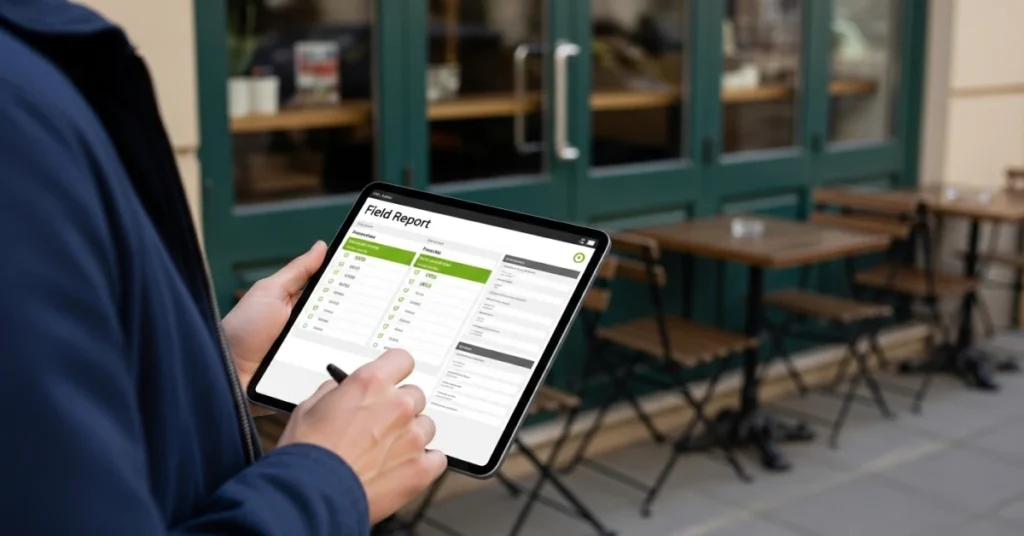
Walk into any store and notice how products are arranged and displayed — that’s the work of a merchandiser. They’re the professionals behind every organized shelf and eye-catching product setup you see.
Their goal is to make products appealing, ensure shelves are always stocked, and highlight promotions that attract attention. Around 70% of purchasing decisions happen right at the point of sale, showing how powerful presentation can be. (Source: CAAD Design, Strategies for the Success of Visual Merchandising in Retail)
By creating attractive displays and maintaining the right product balance, these professionals turn casual shoppers into buyers. Their work enhances the shopping experience and helps brands connect more effectively with customers.
What Is a Merchandiser?
A merchandiser is a retail expert who plans, stocks, and displays products in stores or online to drive sales. They decide what to showcase, where to place it, and when to promote it — from eye-catching window setups to ensuring everyday essentials are easy to find. The goal is to make products look appealing and improve store performance.
They work in many retail environments, from fashion stores and supermarkets to big-box retailers and e-commerce platforms. Collaborating with buyers, store managers, and marketing teams, they design product placement strategies that support sales goals and seasonal campaigns.
Their work combines data and creativity — analyzing sales trends, managing inventory, and understanding customer behavior. This balance helps create a shopping experience that’s both efficient and engaging for customers.
Did You Know?
More than 200,000 merchandisers keep U.S. retail running—from small boutiques to national chains. And the field isn’t slowing down: according to the U.S. Bureau of Labor Statistics, merchandising roles are expected to grow 3% by 2034, right in line with national job trends. Proof that great product placement never goes out of style. (Source: U.S. Bureau of Labor Statistics — Occupational Outlook for Merchandise Displayers and Window Trimmers)
Key Responsibilities of a Merchandiser

Merchandisers juggle a variety of tasks daily to keep the retail environment engaging and sales-driven. Some of their main responsibilities include:
1. Product Displays
They design attractive layouts for shelves, end-caps, and window displays. Good visuals can boost sales by up to 30% when done right. (Source: CAAD Design, Strategies for the Success of Visual Merchandising in Retail)
2. Stock Management
Merchandisers make sure shelves are full, organized, and up to date. They rotate older items to the front, replace sold-out products, and keep aisles clean.
3. Pricing & Signage
They install price tags, sale signs, and product labels. Clear and accurate signage helps shoppers make quick, confident decisions.
4. Sales & Inventory Analysis
They review reports to see which items sell fast or slow. If something underperforms, they may change its placement or adjust stock levels based on data trends.
5. Collaboration
Merchandisers work with buyers and managers to plan promotions, seasonal resets, and product launches. They ensure every display matches the store’s overall strategy.
6. Trend Awareness
They stay alert to new trends and competitor activity. Visiting other stores or following market insights helps them create timely, appealing presentations.
These tasks show that the role is both creative — designing displays and crafting an attractive shopping atmosphere — and analytical, using sales data and strategy to drive decisions. By fulfilling these responsibilities, professionals in this field directly influence how well products sell and how customers perceive the store.
Average Merchandiser Salary in the U.S.

How much do merchandisers earn? Salaries can vary widely depending on the type of role, the individual’s experience, the region, and the industry. Here’s a breakdown of salary data from credible sources:
1. National Average
- The average base salary is around $50,000 per year (about $24/hour).
- This includes merchandisers working for both retail brands and large chains.
(Source: Glassdoor — Merchandiser Salaries in the United States)
2. Median Wage (BLS)
- The median annual wage for “merchandise displayers and window trimmers” is about $37,000.
- Half of workers earn less, half earn more — reflecting a mix of entry-level and experienced roles.
(Source: U.S. Bureau of Labor Statistics — Occupational Employment and Wage Statistics for Merchandise Displayers and Window Trimmers)
3. Entry-Level Pay
- New merchandisers typically earn around $12.22/hour (≈ $25,000 per year if full-time).
- These roles often include stocking shelves or maintaining displays.
(Source: Indeed — Merchandiser Salary in the United States)
4. Retail Merchandiser Roles
- Retail merchandisers, who often travel between stores, earn about $17.14/hour (≈ $35,000 per year).
(Source: Indeed — Retail Merchandiser Salary in the United States, October 2025)
5. Regional Differences
- Pay is higher in major cities and coastal states.
- For example, Seattle, WA averages $36,761/year — one of the highest in the U.S.
(Sources: Zippia — Retail Merchandiser Salary by City – Seattle, WA Data; 4 Corner Resources — Merchandiser Salary Guide and Regional Pay Trends)
6. Industry Differences
- The manufacturing industry pays the most among retail sectors.
- Merchandisers working for manufacturers or wholesalers typically earn more than those employed directly by stores.
(Source: Zippia — Highest-Paying Industries for Retail Merchandisers)
Summary of earnings: Entry-level merchandisers in the U.S. typically earn $12–$17 per hour, or about $25,000–$35,000 annually depending on location and experience. With time and added responsibility, salaries often rise to around $40,000, while the national average reaches about $50,000 per year for full-time professionals. Top earners — including senior and corporate merchandisers — can exceed this, especially when bonuses or performance incentives are included. (Sources: Indeed — Merchandiser Salary in the United States; Glassdoor — Merchandiser Salaries in the United States)
In addition to base pay, many full-time merchandisers enjoy employee discounts, health insurance, and paid leave. These benefits, common at large retail chains, make merchandising a stable and rewarding career for those seeking long-term growth in the retail industry.
Essential Skills and Qualifications for Merchandisers
Being a successful merchandiser requires a blend of creative flair, analytical thinking, and strong organizational skills. Here are the key skills and qualifications that employers typically look for:
Education
Most merchandisers start with a high school diploma and gain experience through on-the-job training. For higher roles like category manager or merchandise planner, a bachelor’s degree in business, marketing, or fashion merchandising is often preferred.
(Source: U.S. Bureau of Labor Statistics — Education and Training Requirements for Merchandise Displayers and Window Trimmers)
Creative Thinking
A good merchandiser has an eye for design and detail. They use color, lighting, and layout to build displays that attract attention and tell a story — especially in fashion or home décor.
Data & Analytics
Today’s merchandising is driven by data. Employers want professionals who can read sales reports, use spreadsheets, and spot trends. Those who analyze what sells best — and why — are in high demand.
(Source: 4 Corner Resources — The Growing Importance of Data Analytics Skills in Merchandising)
Attention to Detail
Accuracy matters. Successful merchandisers keep pricing, labels, and product placement consistent and neat. They quickly spot errors and ensure every display looks professional.
Organization & Time Management
Merchandisers handle many tasks daily — from setting up displays to checking stock. Being organized helps them plan efficiently and meet tight deadlines.
Communication & Teamwork
They work closely with store managers, sales teams, and suppliers. Clear communication keeps projects on track and ensures displays match business goals.
Customer Awareness
Good merchandisers think like shoppers. They track trends, monitor competitors, and highlight what customers want — from eco-friendly products to seasonal bestsellers.
Certifications & Training
Extra training always helps. Courses in visual merchandising, planogram software, or POS systems can strengthen a resume. Many start in entry-level retail roles and grow into merchandising positions through experience.
Merchandisers balance art and science — blending creativity in store design with data-driven strategies that increase sales. As retail shifts toward digital, technology and analytics skills have become essential. Those who can use data to predict trends or improve online product listings gain a clear advantage.
Today’s employers seek merchandisers who combine visual creativity with analytical thinking. Professionals who understand merchandising fundamentals and can use digital tools to refine their strategies stand out in a competitive industry. (Source: 4 Corner Resources — The Growing Importance of Data Analytics Skills in Merchandising)
How Merchandisers Advance in Their Careers

A career in merchandising offers several paths for advancement and specialization. Many people start as a merchandiser at the store level and, with experience, move into higher positions. Here are some of the career growth opportunities and related paths for merchandisers:
Advancing to Senior Roles
With experience, merchandisers can move into senior or managerial positions such as Senior Merchandiser or Merchandising Manager. These roles involve leading teams, managing multiple departments or stores, and handling large-scale projects like seasonal floor resets. Managers also play a key role in strategy and product assortment planning.
(Source: 4 Corner Resources — Career Advancement Paths for Merchandisers)
Corporate & Regional Positions
Seasoned merchandisers often step up to corporate or regional roles. Titles may include Visual Merchandising Director, Category Manager, or District Merchandising Manager. These professionals oversee several stores, ensure brand consistency, and coordinate with corporate buyers and marketing teams.
(Source: 4 Corner Resources — Corporate and Regional Career Advancement Opportunities for Merchandisers)
Specialization Areas
Some choose to specialize in areas like visual merchandising, planogram design, or e-commerce merchandising. Digital merchandisers, for instance, optimize online product listings and categories to boost conversions — just like in-store merchandisers improve shelf performance.
Transition to Buying or Planning
Experienced merchandisers can shift to buying or planning roles. Buyers select products for stores, while planners decide how much stock to allocate and when. These positions build on a merchandiser’s insight into what sells and why.
Beyond Retail
Merchandising skills translate well into other fields such as marketing, brand management, PR, and event design. Many move into roles like Retail Marketing Specialist or Experiential Marketing Coordinator, using their visual and strategic skills to engage audiences in new ways.
(Source: 4 Corner Resources — Alternative Career Paths for Experienced Merchandisers)
Job Outlook
The merchandiser job market is expected to stay stable with steady growth. The U.S. Bureau of Labor Statistics projects about 3% job growth over the next decade, showing consistent demand for merchandising professionals.
(Source: U.S. Bureau of Labor Statistics — Employment Projections for Merchandise Displayers and Window Trimmers)
As retail evolves, the need for effective product presentation remains vital — both in-store and online. Even with the rise of e-commerce, retailers continue to invest in visual merchandising and digital shopping experiences. Professionals who combine traditional skills with data analytics and technology — such as using analytics to adjust product assortments or AR tools for virtual displays — will have the strongest career prospects.
(Source: 4 Corner Resources — The Future of Merchandising Jobs and Emerging Trends in Retail Technology)
Career Progress and Opportunities
In retail, there’s always room to grow. Merchandisers who increase sales through smart product layouts or creative promotions often earn promotions or offers from larger brands. Building a strong network—for example, through retail associations or industry events—can also open new doors. Some even start their own consulting businesses, helping smaller stores improve their layouts and displays.
Overall, a merchandiser’s career can evolve from hands-on, entry-level work to strategic leadership roles that shape retail strategy. Those who blend creativity, analytical thinking, and adaptability have the best growth potential, whether climbing the corporate ladder or branching into related fields.
Conclusion: The Merchandiser’s Impact on Retail
Merchandisers work behind the scenes, but their influence is at the heart of retail success. By placing the right products in the right place and presenting them attractively, they turn shopping into a smooth and enjoyable experience. Their work connects inventory with customer needs — shaping how people shop, what they buy, and how they feel about a brand.
In today’s competitive market, good merchandising sets a store apart. A well-designed display can boost sales by up to 30%, while a welcoming store layout encourages customers to return. (Source: CAAD Design — Strategies for the Success of Visual Merchandising in Retail)
Ultimately, merchandising is both art and science — creativity meets data-driven strategy. Merchandisers define a store’s look, support brand identity, and drive results. Their efforts don’t just fill shelves — they shape the shopping experience and fuel long-term retail growth.
Ready to Take Merchandising to the Next Level?
Empower your field teams with smarter tools — from real-time store audits to AI-driven planogram insights.
Streamline execution, boost visibility, and grow sales — all in one platform.