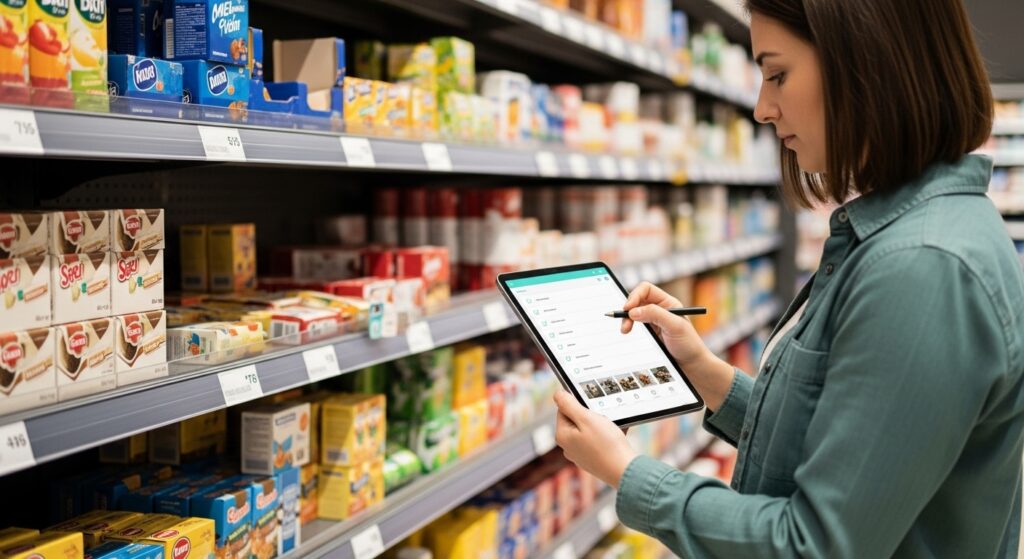



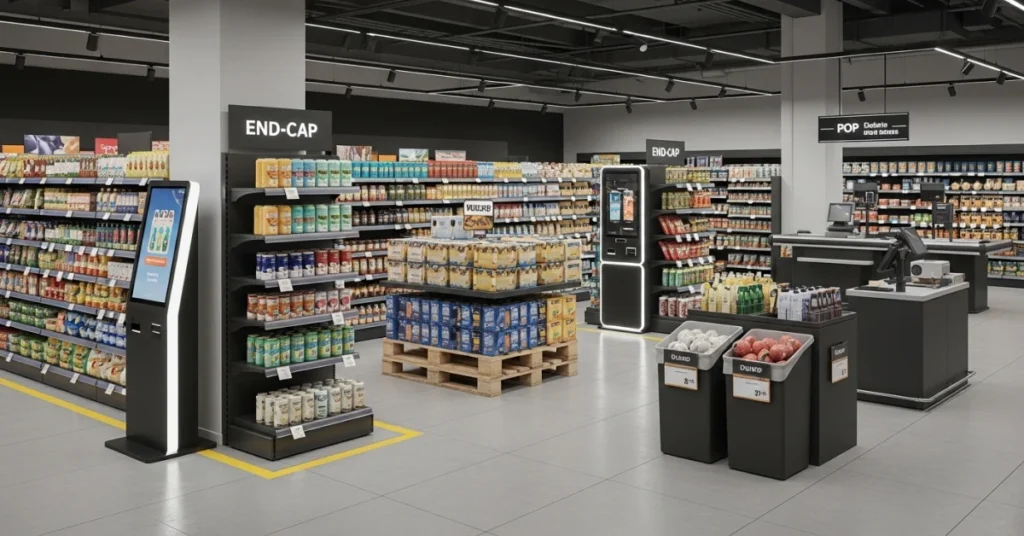
Point of purchase displays influence buying behavior by placing products and promotions exactly where shoppers decide what to buy — checkout counters, end caps, and key in-store locations.
POP marketing leverages impulse behavior, with 70% of purchases decided in-store, creating immediate impact when shoppers are ready to buy.
Effective displays encourage shoppers to:
- Add an extra item
- Upgrade to a premium option
- Notice promoted products
From cardboard standees to digital kiosks, POP strategies connect shopper interest directly to sales and improve in-store decision-making.
Point of Purchase vs. Point of Sale
While often confused, point of sale refers to the payment moment, while point of purchase covers the broader environment where decisions actually happen.
POP displays use this distinction to shape decisions before checkout. Research shows strategic in-store positioning significantly influences purchase behavior.
Successful retailers create multiple touchpoints throughout the store rather than focusing only on payment areas.
Key Factors Behind High-Performing POP Displays
POP displays succeed because they reach shoppers at the exact moment decisions are made. Point of purchase displays create immediate in-store influence by positioning products where buying decisions naturally happen. Unlike traditional advertising seen earlier, POP creates immediate in-store impact when purchase intent is strongest.
Strategic placement is critical. Counter and end-cap displays leverage visibility, shopper flow, and natural pause points to trigger unplanned purchases and increase conversion.
High-performing displays also simplify decision-making. Clear messaging, strong visual hierarchy, and focused communication help shoppers process choices faster — improving sales velocity and expanding basket size.
8 Effective Point of Purchase Display Examples
Point of purchase (POP) displays drive immediate sales by capturing shopper attention at key decision moments. Research shows well-placed displays can boost sales up to 20% in high-traffic areas.
Core display principles
- Clear product visibility
- Strong, focused messaging
- Strategic placement
Below are common POP display examples used to influence shopper decisions and increase sales.
1- End-Cap Displays
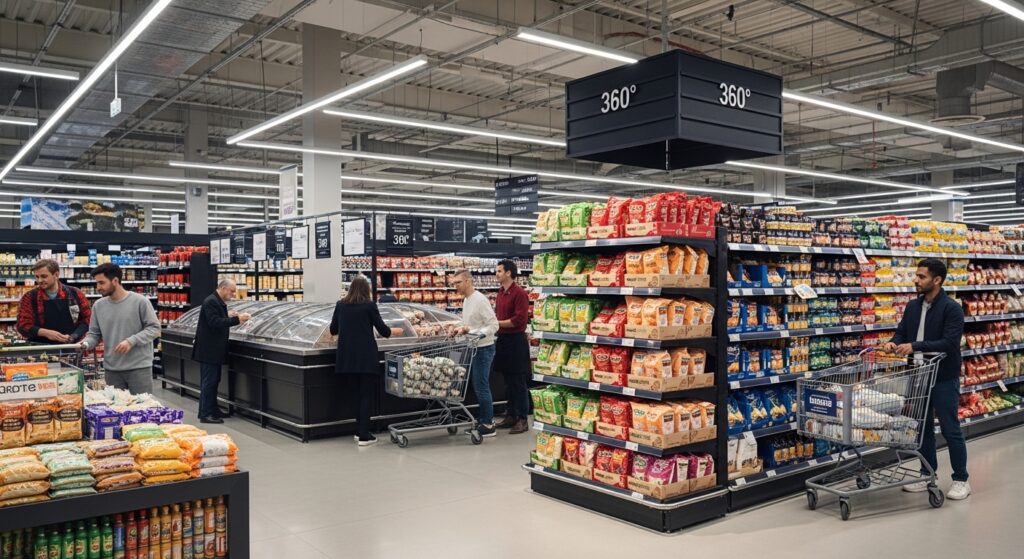
End-cap displays sit at aisle ends, one of the most valuable retail locations due to constant shopper traffic and 360° visibility. They create natural pause points where impulse purchases occur.
- Ideal for high-margin, seasonal, or new products
- Benefit from multi-direction visibility and easy access
- Can increase sales up to 30%
Best suited for bulk or high-volume items, often paired with dump bins to encourage self-service browsing.
2- Dump Bins
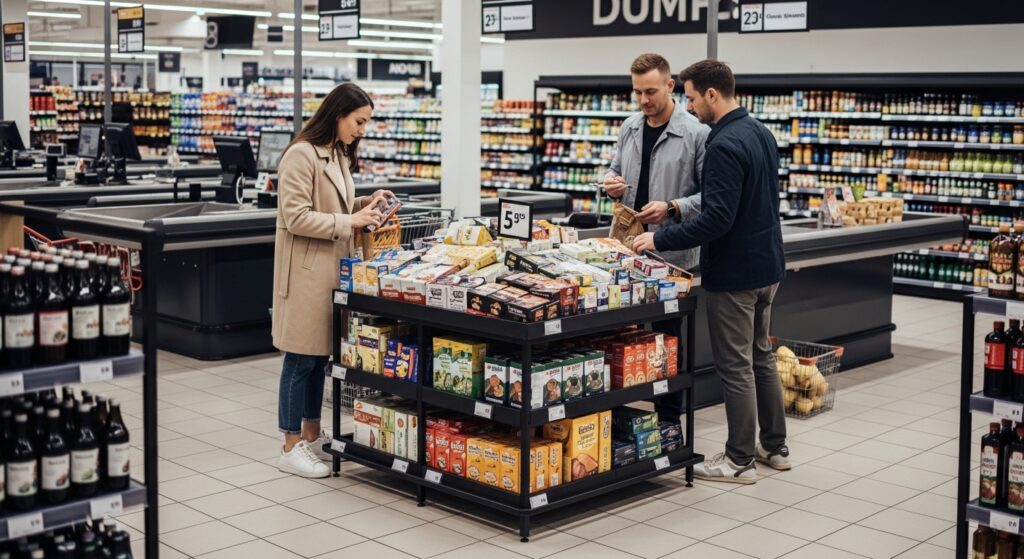
Dump bins create a treasure-hunt shopping experience, encouraging impulse buying through accessibility and perceived value.
- Work best with discounted or promotional products
- Tactile interaction increases engagement and purchase likelihood
- Most effective near high-traffic zones or checkout
Key balance: slightly unstructured look but still visible and accessible.
3- Sidekick / Power Wing Displays
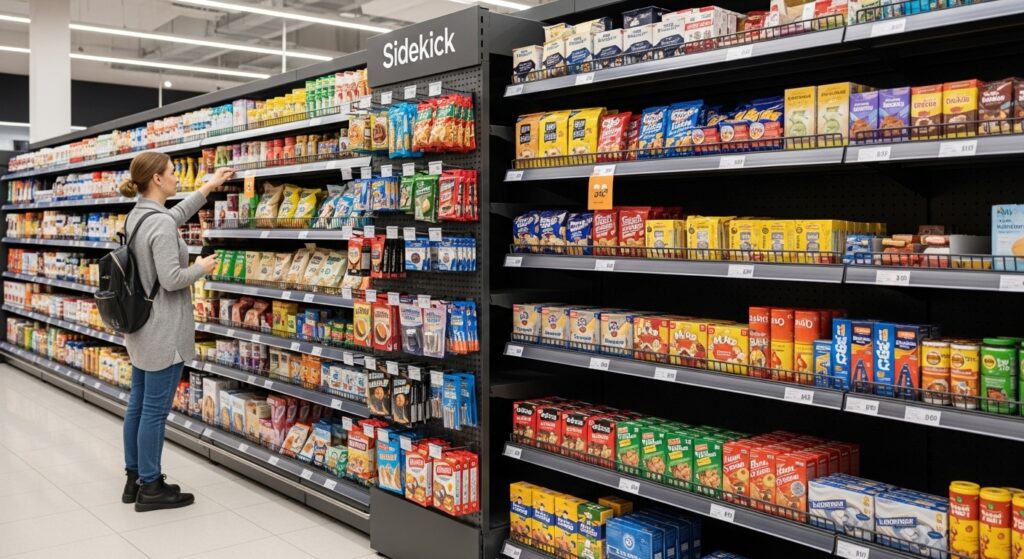
Sidekick displays attach to shelving, turning unused vertical space into high-impact cross-selling zones.
- Positioned at eye level to capture browsing shoppers
- Promote impulse items like snacks, batteries, or seasonal products
- Improve revenue per square foot
- Flexible and easy to reconfigure for promotions
POP displays in this format can boost sales up to 20%.
4- Free-Standing Displays
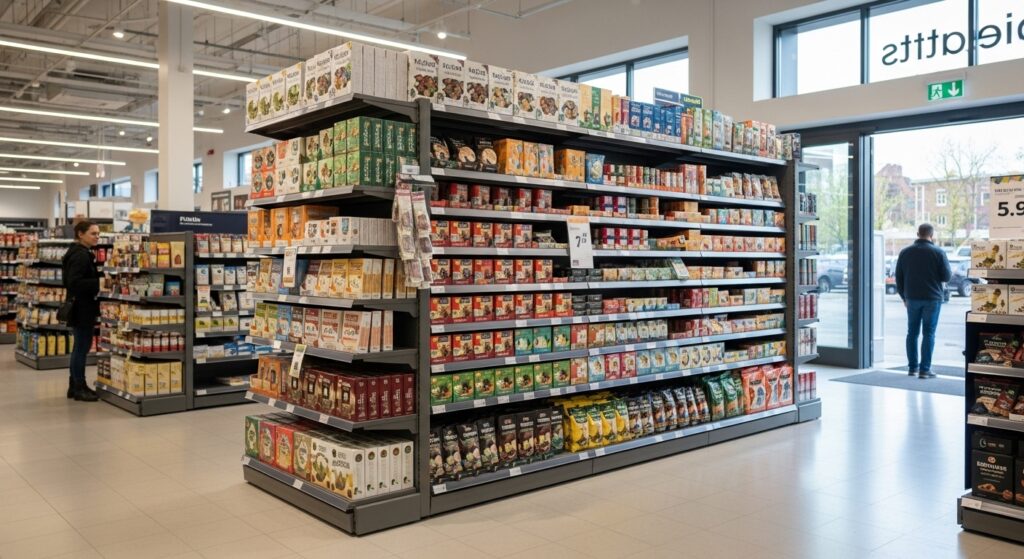
Free-standing displays attract attention through strong floor presence and placement flexibility.
- Ideal for entrances, aisle caps, and checkout zones
- Great for seasonal items, promotions, and product launches
- Gravity-feed designs keep shelves full and organized
Flexible positioning allows quick adaptation to changing merchandising needs.
5- Pallet Displays
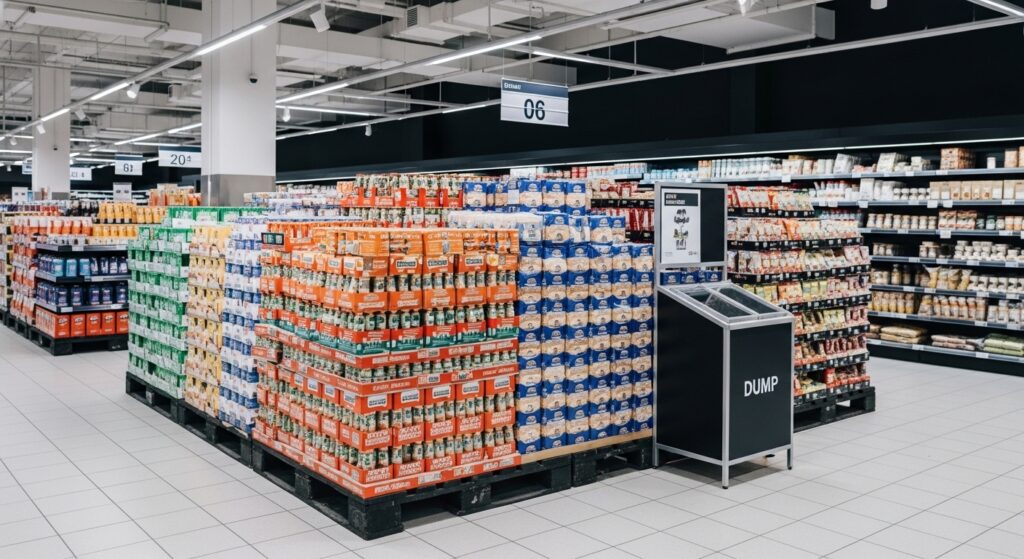
Pallet displays combine storage and merchandising, showcasing large product volumes with strong visual impact.
- Increase product visibility up to 300% vs. standard shelves
- Ideal for seasonal or high-turnover items
- Often paired with dump bins for browsing zones
Must remain organized to maintain shopping experience quality.
6- Shelf Talkers & Wobblers
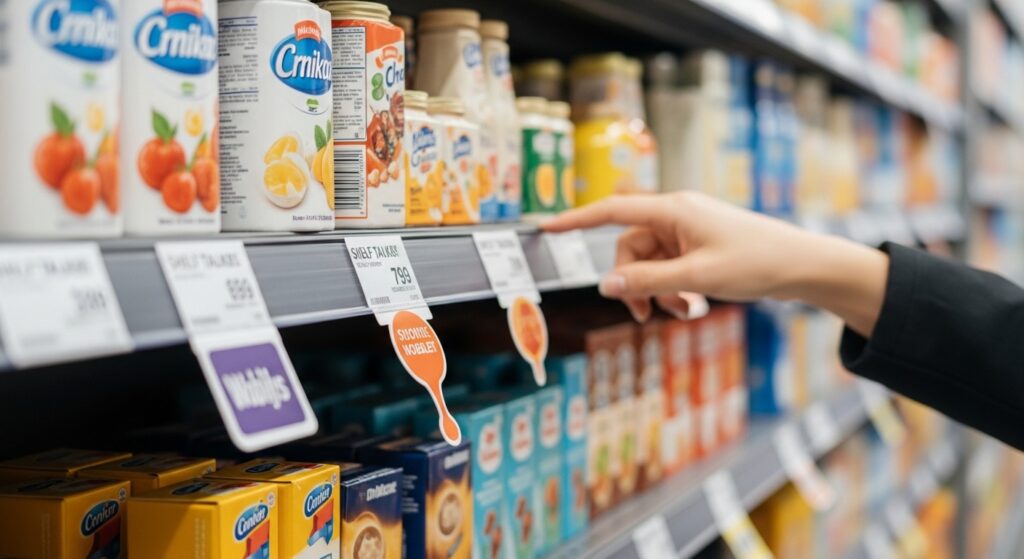
These small shelf-edge displays use movement and targeted messaging to capture attention at decision points.
- Deliver key messages like “New,” “Limited Time,” or price highlights
- Motion draws visual focus and triggers impulse buying
- Effective for new launches and promotional products
They influence purchase decisions exactly when shoppers compare options.
7- Checkout & Counter Displays
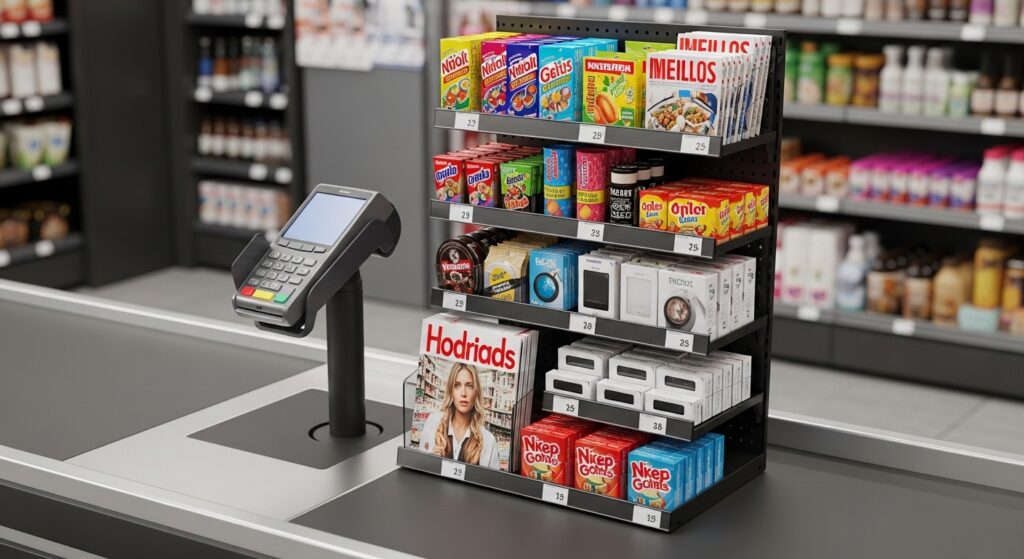
Checkout displays target shoppers during natural waiting moments, driving last-minute purchases. Studies show 62% of shoppers buy impulsively at checkout.
Best-performing items:
- Products under $10
- Candy, magazines, small electronics, accessories
Tiered and rotating designs maximize limited counter space while keeping products visible and accessible.
8- Digital & Interactive Displays
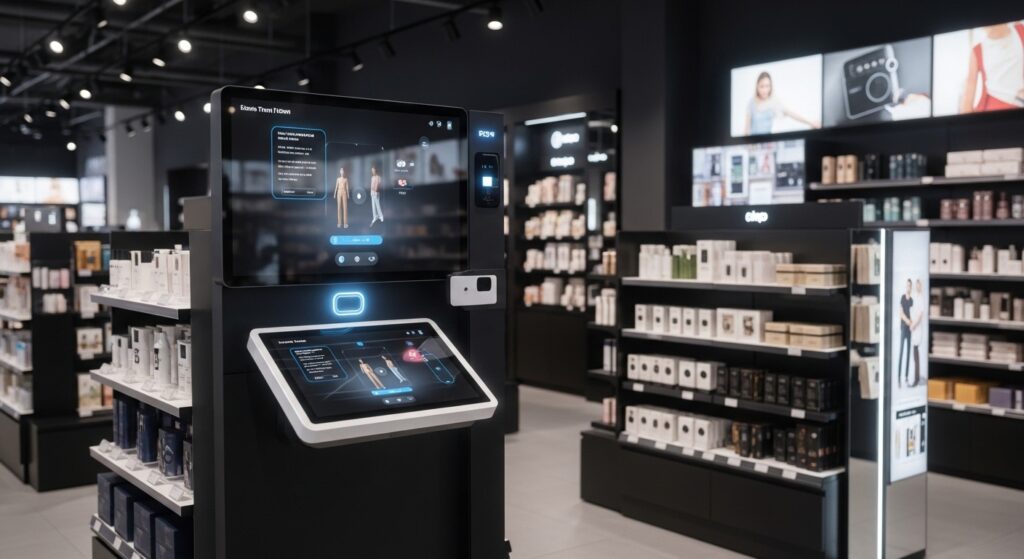
Digital POP displays combine physical merchandising with real-time shopper engagement.
Examples:
- Virtual try-on kiosks (cosmetics)
- Interactive recipe or product suggestion displays
- Gamified displays offering discounts or samples
Benefits:
- Track dwell time, interaction, and conversion data
- Create memorable brand experiences
Limitations: higher cost and technical maintenance.
Best Practices for Effective POP Displays
Effective point-of-purchase displays combine positioning, messaging, and clean design to capture attention and drive conversions in competitive retail environments.
What makes POP displays work
- Eye-level and high-traffic placement increases engagement
- Clear, single-focus messaging improves understanding
- Clean, uncluttered design strengthens visual impact
Top displays communicate value within 3 seconds, using minimal text and one strong message. Strategic simplicity consistently outperforms complex, crowded designs.
Be Eye-Catching, Not Cluttered
Visual clarity is critical. The most effective displays follow the three-second rule — shoppers instantly understand the product, offer, and action.
Design principles
- Clean typography and ample white space
- One focal point and one clear message
- Strong headline with a single visual
Contrast, color, or premium materials can attract attention — but simplicity drives conversion.
Location Drives Results
Placement determines performance. Even strong displays fail in poor locations.
High-performing locations
- Store entrances and natural traffic paths
- End-caps capturing browsing flow
- Checkout zones influencing final decisions
Successful placement aligns with shopper mindset and purchase intent. When design and location work together, POP displays become measurable sales drivers rather than passive visuals.
How to Measure POP Display Performance
Measuring the effectiveness of point of purchase displays is essential for understanding whether merchandising strategies actually influence shopper behavior and drive incremental sales. Retailers track several key performance metrics to evaluate how well a display performs in real store environments.
Key metrics retailers monitor include:
Sales uplift during display campaigns: Compare product sales during the display period with normal baseline sales. This helps determine whether the display generated incremental revenue or simply shifted existing demand.
Conversion rate in display zones: Measure how many shoppers who interact with or pass by the display actually purchase the product. High-performing displays increase the likelihood that browsing shoppers convert into buyers.
Average basket size impact: Effective POP displays often encourage shoppers to add extra items or upgrade to premium options. Tracking basket value before and after display placement helps reveal the display’s cross-selling power.
Product sell-through speed: Sell-through rate indicates how quickly inventory moves while the display is active. Faster turnover signals strong shopper engagement and effective product placement.
Display compliance across stores: For multi-location retailers, another critical factor is execution consistency. Even the best point of purchase displays fail if they are not placed correctly or maintained across stores.
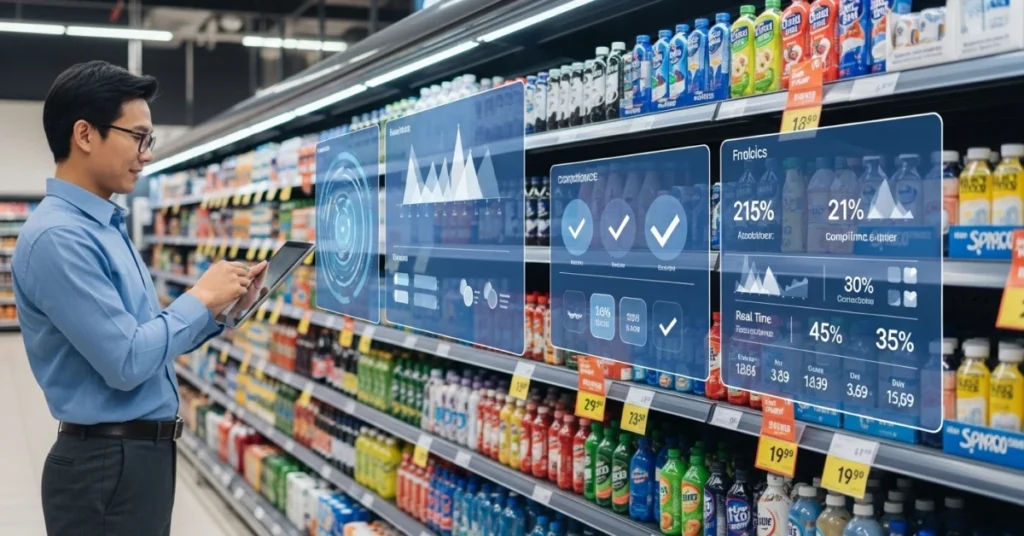
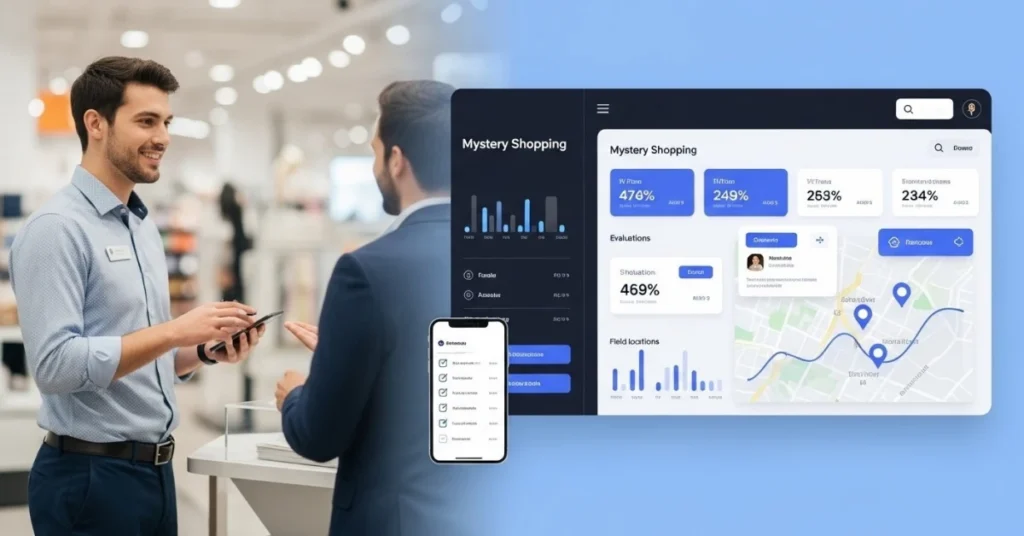
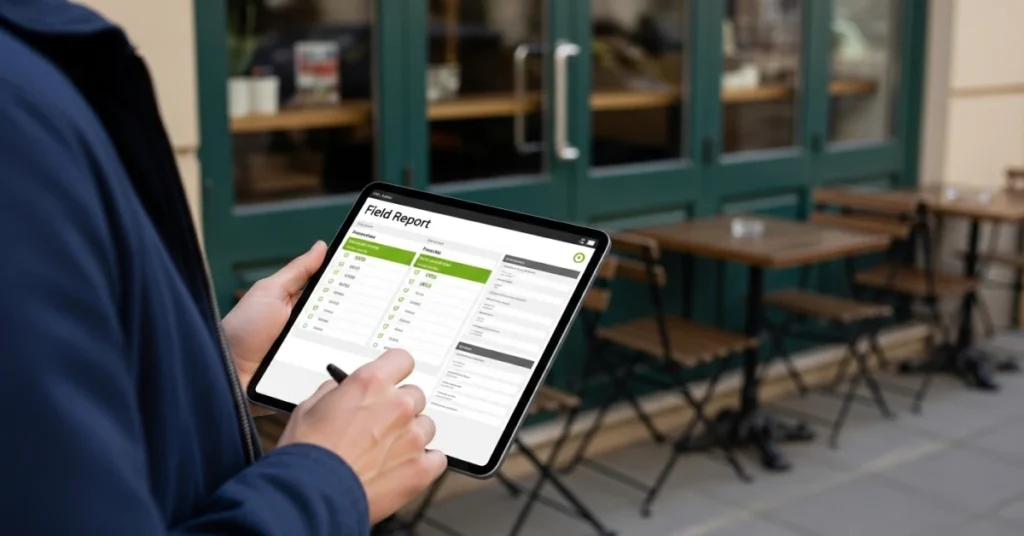
Modern retail execution platforms enable brands and retailers to monitor these metrics in real time. By combining store visit data, photo verification, and sales analytics, teams can quickly identify which point of purchase displays perform best and optimize placement, messaging, and merchandising strategy across hundreds of locations.
Conclusion
Effective point of purchase displays influence buying decisions at the exact moment of purchase. When supported by strategic placement, clear messaging, and clean visual design, POP displays consistently convert shoppers into buyers.
Focus on three essentials:
• Know your audience
• Place displays in high-impact locations
• Keep messaging clear and simple
Start with one proven approach, measure performance, and scale what drives results in your retail environment.
See how FieldPie helps you track, optimize, and execute in-store performance in real time — book your free demo.