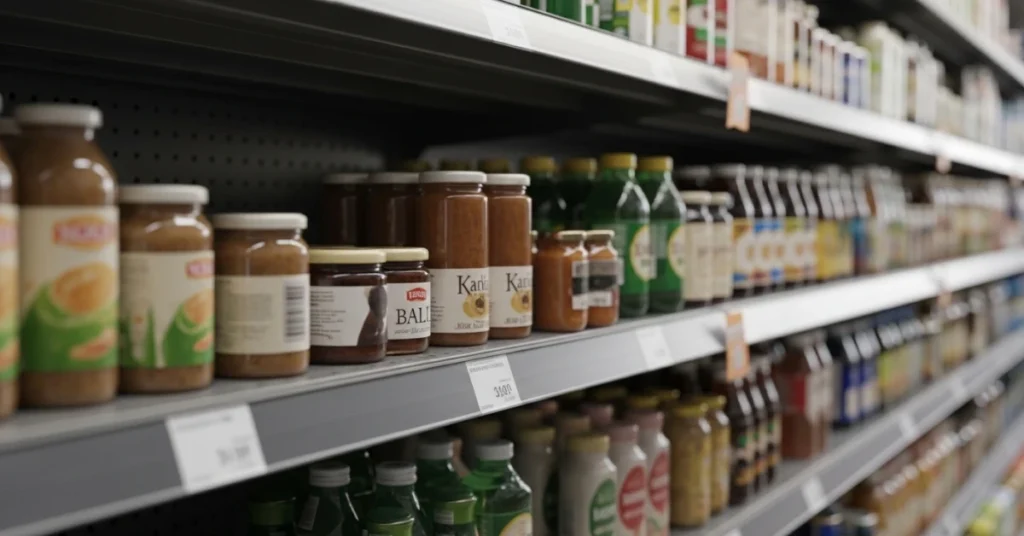
Shelf insights turn everyday retail data into clear, usable intelligence that improves execution and sales. Every product on a shelf generates data—inventory levels, pricing, placement, and competitor presence—but many retailers struggle to convert this into action.
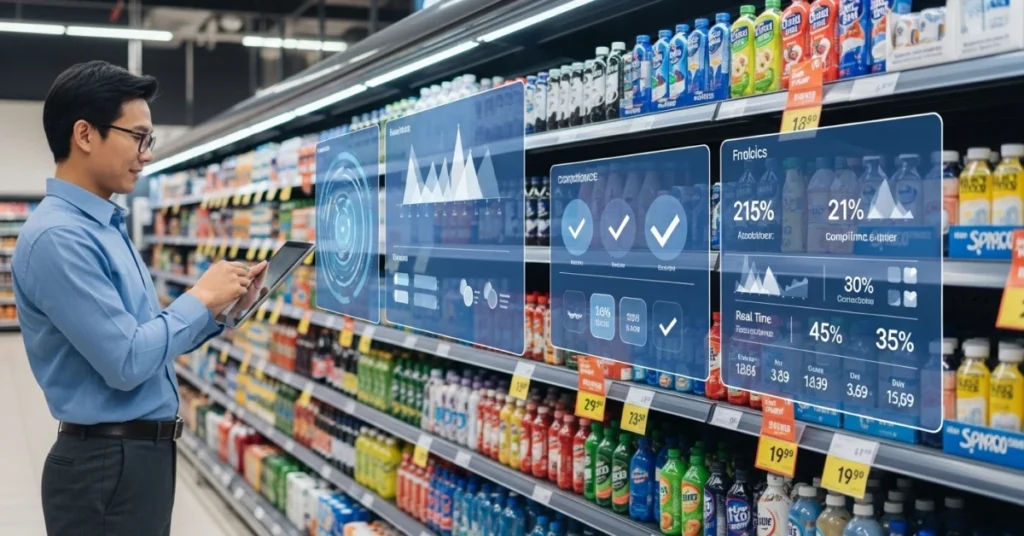
The problem is usually fragmented systems and manual work. Periodic store visits and spreadsheets create delays, so insights arrive too late. Modern retail requires real-time shelf insights to see what is happening where customers actually make buying decisions.
With effective shelf insights, brands and retailers can:
- Detect out-of-stock and execution gaps instantly
- Monitor planogram compliance and placement accuracy
- Track competitor activity and share of shelf
- Improve merchandising consistency across locations
- Increase sales velocity and customer satisfaction
These insights connect physical and digital retail performance, giving a full picture of how products perform across all touchpoints.
Physical vs Digital Shelf Insights
Retail performance now depends on both in-store and online environments. Strong shelf insights combine both.
Physical shelf insights focus on:
- Planogram compliance
- On-shelf availability (OSA)
- Product placement accuracy
- Real-time inventory visibility
- In-store execution quality
Digital shelf insights focus on:
- Search ranking and product visibility
- Conversion rates and click behavior
- Digital assortment gaps
- Pricing and promotion performance
- Share of shelf online
When combined, these shelf insights reveal how in-store execution affects online behavior—and vice versa—creating a true omnichannel view.
Key Shelf Metrics That Matter
Strong shelf insights rely on measurable performance indicators.
- Share of Shelf: Brand visibility vs competitors
- Planogram Compliance: Execution vs merchandising standards
- SKU Placement Accuracy: Correct product positioning
- Inventory Velocity: Product movement speed
- Price Compliance: Correct promotional pricing
Retailers can lose up to 4% of sales when products are misplaced, showing why precise shelf monitoring matters.
Core Shelf Performance Indicators
These key metrics power effective shelf insights, helping you track availability, detect execution gaps, and improve shelf performance in real time.
On-Shelf Availability (OSA)
Products must be available to sell. Shelf insights track real-time availability and detect stockout patterns early.
Out-of-Stock (OOS)
OOS creates immediate revenue loss and customer dissatisfaction. Real-time shelf insights turn reactive restocking into proactive inventory control.
Share of Shelf
More shelf presence usually means more sales. Shelf insights identify gaps and expansion opportunities vs competitors.
Planogram Compliance
Measures how closely shelves match planned layouts. Poor compliance reduces sales, visibility, and brand consistency.
Pricing Accuracy
Incorrect pricing damages trust and conversion. Automated shelf insights detect mismatches instantly.
How AI Generates Shelf Insights
AI converts raw shelf data into actionable intelligence by analyzing images, inventory, and sales patterns.
Modern AI systems:
- Analyze thousands of shelf images daily
- Detect stock levels, placement, and compliance automatically
- Correlate shelf position with sales performance
- Predict execution gaps before they impact revenue
Image Recognition in Shelf Audits
Computer vision identifies thousands of SKUs, detects OOS, checks planogram compliance, and measures shelf performance in seconds—turning periodic audits into continuous monitoring.
From Shelf Data to Actionable Shelf Insights
Effective shelf insights transform data into clear actions:
- Immediate corrections: Fix OOS, pricing, and compliance issues
- Strategic optimization: Improve assortment and placement
- Performance improvement: Increase availability where it drives revenue
Advanced systems explain not just what is happening—but why—and predict future impact.
Business Impact of Shelf Insights
Companies using strong shelf insights typically achieve:
- 15–20% improvement in on-shelf availability
- Faster response to execution issues
- Higher sales and better customer experience
- Stronger merchandising consistency
Reduce Lost Sales
Shelf insights prevent revenue loss caused by OOS, poor placement, and weak visibility.
Improve Retail Execution
Real-time monitoring replaces manual store checks, improving planogram compliance and execution quality.
Increase Market Share
Better shelf positioning and availability lead directly to higher consumer choice and sales.
Enable Faster Decisions
Real-time shelf insights allow teams to fix issues in hours instead of weeks.
Real-World Shelf Insights Use Cases
Shelf insights drive measurable results across retail operations:
- Detect and fix out-of-stock issues instantly
- Improve planogram compliance across stores
- Optimize shelf visibility and share of shelf
- Monitor promotion and pricing execution
- Identify underperforming stores using execution data
How Shelf Insights Improve Retail Execution
Effective retail execution follows a closed-loop workflow powered by shelf insights:
Detect → Analyze → Alert → Assign → Fix → Verify
This ensures issues are not only found but fully resolved, improving performance continuously.
Key Takeaways
- Shelf insights turn raw retail data into measurable performance improvement
- AI and image recognition automate shelf monitoring at scale
- Real-time visibility prevents lost sales and execution gaps
- Shelf insights drive faster decisions and better retail outcomes
Conclusion
Shelf insights shift retail from reactive to proactive. By continuously detecting issues, analyzing performance, and triggering action, businesses improve availability, execution, and sales across the entire retail ecosystem.
Turn Shelf Insights into Action
FieldPie helps you turn real-time shelf insights into measurable retail execution.
- Detect out-of-stocks instantly
- Track planogram compliance automatically
- Capture shelf data with AI-powered image recognition
- Fix execution gaps faster across all stores
See how it works in real operations → Request a demo.