


Restaurant quality is not just about what’s on the plate—it’s the combined impact of food, service, atmosphere, and operational excellence. In today’s competitive market, where 86% of consumers are willing to pay more for a better customer experience, quality directly influences revenue and brand loyalty.
At its core, restaurant quality covers the full dining ecosystem:
- Ingredient sourcing and freshness
- Culinary execution and presentation
- Service speed, professionalism, and consistency
- Staff training and operational discipline
- Ambiance, cleanliness, and overall atmosphere
The real difference between an average restaurant and an exceptional one is balance. Great restaurants don’t succeed in just one area—they align kitchen performance, service standards, and guest experience into a seamless whole.
Today’s definition of quality goes even further. High-performing restaurants must also:
- Maintain consistency across locations
- Adapt to changing customer preferences
- Show commitment to sustainability and responsible practices
This broader, more strategic view of quality is what separates forgettable meals from experiences guests actively recommend and return to.
The Four Pillars of High-Quality Restaurants
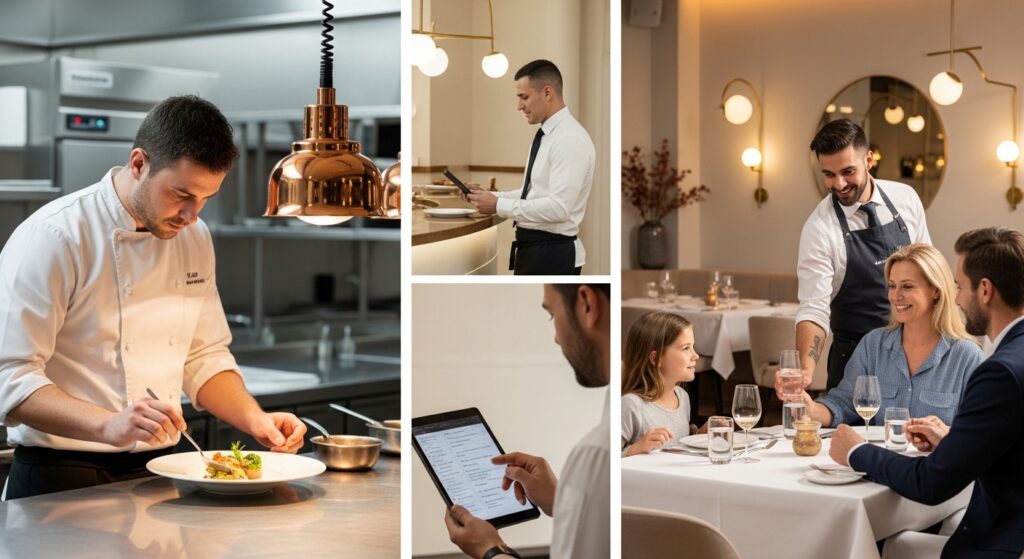
A high-quality restaurant is built on four fundamental pillars that work together to create memorable dining experiences. The best establishments don’t shine in just one area—they deliver consistent excellence across all dimensions guests notice immediately.
1️⃣ Exceptional Food Quality
The foundation of any great restaurant includes:
- Fresh, high-quality ingredients
- Skilled preparation and presentation
- Dishes that consistently meet or exceed expectations
Without strong food execution, other strengths lose impact.
2️⃣ Seamless Service Delivery
Outstanding service feels natural and effortless. It includes:
- Anticipating guest needs
- Strong product knowledge
- Genuine hospitality
- Smooth coordination between front and back of house
Service quality often determines whether guests return—even more than the food itself.
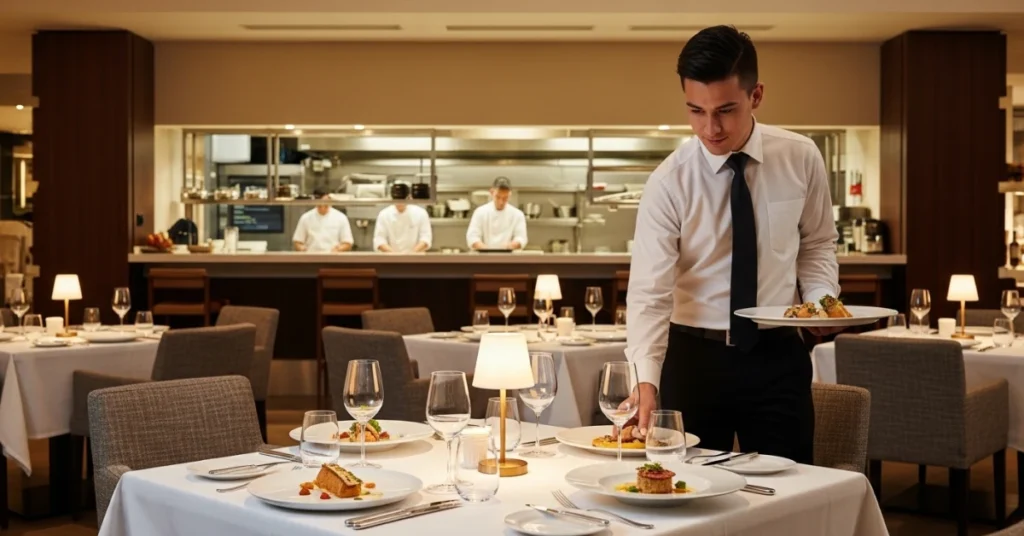
3️⃣ Atmospheric Excellence
The environment directly shapes perception. According to restaurant industry research, environmental factors significantly influence guest satisfaction and return visits.
Key elements include:
- Thoughtful interior design
- Appropriate lighting
- Comfortable seating
- Strategic acoustics
Ambiance transforms a meal into an experience.
4️⃣ Operational Reliability
Consistency builds trust. Operational excellence ensures:
- Stable food safety standards
- Efficient wait time management
- Uniform guest experience across days, times, and staff changes
When these four pillars align, they create a powerful synergy—each element reinforcing the others. This alignment strengthens reputation, supports long-term success, and turns first-time visitors into loyal guests.
Food Quality and Ingredient Standards
Exceptional restaurants build their reputation on premium ingredients and disciplined execution.
High-performing kitchens rely on:
- Standardized recipes and procedures
- Precise portion control
- Clear quality checks before service
This ensures every plate meets the same expectation.
Strong staff training restaurant programs also equip servers to:
- Explain ingredient origins
- Describe preparation methods
- Confidently address dietary restrictions
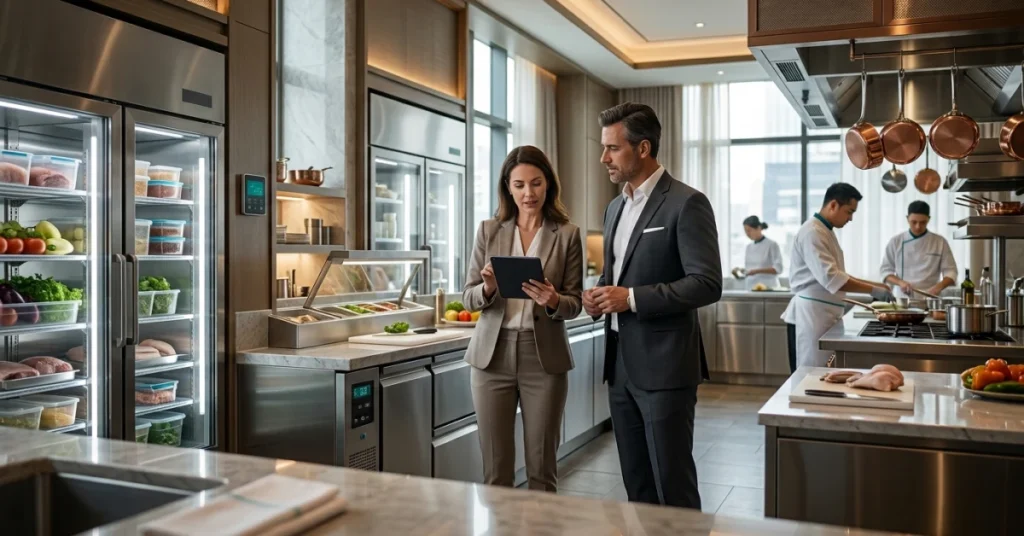
Behind the scenes, leading restaurants implement:
- Rigorous inventory management
- First-in, first-out (FIFO) stock rotation
- Strict temperature control
- Careful handling from delivery to service
These systems protect freshness, reduce waste, and directly influence guest satisfaction.

Cleanliness and Hygiene Standards
Cleanliness is non-negotiable. It affects both health outcomes and customer perception.
Guests immediately notice:
- Sanitized surfaces
- Clean glassware and cutlery
- Well-maintained restrooms
- Organized storage
Behind the scenes, strict protocols include:
- Proper food storage temperatures
- Regular equipment sanitization
- Cross-contamination prevention
- Consistent handwashing standards
Hygiene is not just policy—it’s culture. Visible consistency builds trust before guests take their first bite.
Operational Excellence and Leadership
Strong systems are the invisible engine behind restaurant quality. Even talented teams struggle without structure.
High-performing restaurants implement:
- Inventory control systems
- Strategic staff scheduling
- Defined quality assurance protocols
- Standardized opening and closing checklists
Documentation and repeatable systems matter more than individual talent alone.
However, sustainable excellence also requires leadership.
Effective kitchen and floor leaders:
- Maintain strict quality standards
- Manage pressure during peak service
- Train staff for consistent execution
- Balance creativity with operational discipline
Creativity without structure creates chaos. Structure without creativity leads to mediocrity. Long-term success requires both.
Teamwork and Coordination
Seamless coordination ensures consistency.
Strong communication between kitchen and front-of-house teams helps:
- Set accurate expectations
- Protect guest safety
- Reduce service errors
- Improve timing and flow
Cross-trained teams increase resilience. When staff can support multiple roles during peak hours, quality remains stable—even under pressure.
Operational coordination transforms good restaurants into reliable ones.
What Makes a Restaurant Stand Out?
In a competitive market, standing out requires more than good food and service. Restaurants that succeed long-term combine strong fundamentals with a distinctive identity that guests remember and recommend—while consistently protecting restaurant quality at every touchpoint.
1️⃣ A Clear and Unique Personality
Memorable restaurants don’t try to appeal to everyone—they focus on being exceptional for a specific audience. Differentiation may appear through:
- Signature dishes that reflect the chef’s vision
- A distinctive ambiance with a clear story
- A service style aligned with the brand identity
Clarity creates recognition. Recognition drives loyalty.
2️⃣ Innovation Within Strong Foundations
Standout restaurants respect culinary traditions while adding creative elements, such as:
- Unexpected flavor combinations
- Interactive dining experiences
- Technology that enhances—not replaces—human service
Innovation works best when it strengthens restaurant quality, not when it disrupts operational discipline.
3️⃣ Continuous but Controlled Evolution
Successful restaurants adapt without losing identity. They:
- Refine menus based on customer feedback
- Adjust offerings to shifting preferences
- Maintain core positioning while improving execution
Standing out isn’t about constant reinvention—it’s about consistently sharpening a unique value proposition. When distinctive character aligns with operational excellence, restaurants create sustainable competitive advantage and long-term success in an increasingly demanding industry.
The Key to Long-Term Restaurant Success
Sustainable success depends on systems that deliver consistent quality regardless of operational challenges.
Thriving restaurants rely on:
- Documented processes
- Structured staff training
- Non-negotiable standards for food, service, and cleanliness
- Quality control measures that function even when key personnel are absent
Recognizing strong practices early prevents costly corrections later.
Financial sustainability also requires balancing quality investments with margins. According to the National Restaurant Association, restaurants that maintain consistent quality standards experience lower staff turnover and higher customer retention rates—reducing long-term operational costs.
Reputation remains the most cost-effective growth driver. When guests know exactly what to expect, they return—and recommend you.
Predictability turns quality into competitive advantage.

Ensuring Restaurant Quality with Audits
Sustainable restaurant quality requires measurable control—not just training. Structured audits help monitor hygiene, food safety, and service consistency across shifts and locations.
As a field service inspection software, FieldPie digitizes this process by providing:
- Standardized digital checklists
- Real-time reporting and photo verification
- Automated corrective action tracking
- Multi-location performance visibility
By turning inspections into structured workflows, restaurants make restaurant quality measurable, trackable, and consistently enforceable.
Conclusion: Turning Quality Into Competitive Advantage
Restaurant quality may begin with great food, but it becomes sustainable through systems. When food, service, atmosphere, and operational discipline align, restaurants create consistent experiences that build trust. In a market where 86% of consumers are willing to pay more for better experiences, consistency directly impacts revenue and loyalty.
Long-term success belongs to restaurants that protect clear standards and align their teams around predictable excellence. Consistency turns everyday operations into competitive advantage—and transforms occasional guests into loyal advocates.