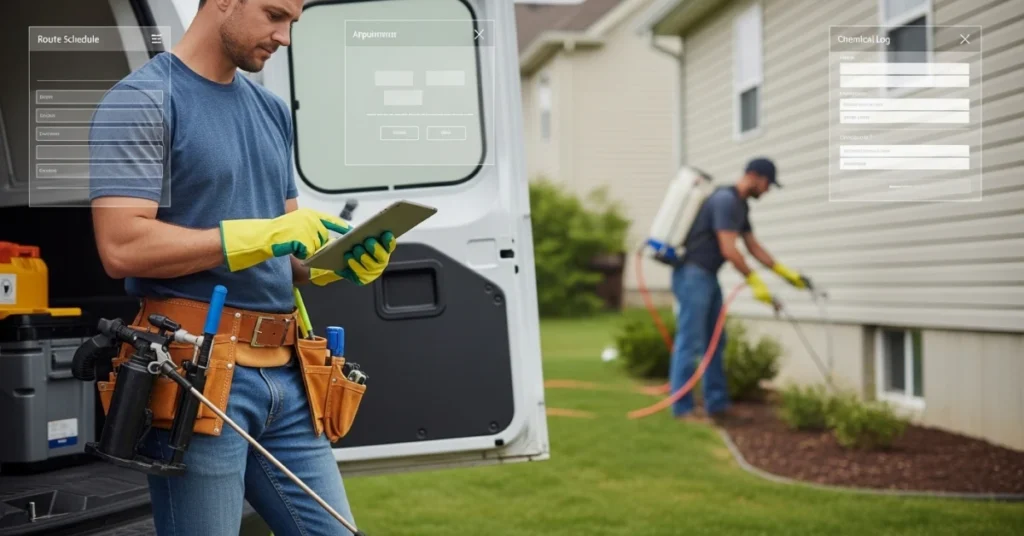
Launching or expanding a pest control business requires more than just expertise in extermination; it demands a strategic roadmap. Whether you’re an aspiring entrepreneur like Ava, an established owner like Ben, or even a potential investor like Igor, developing a detailed business plan for pest control is fundamental to navigating the competitive landscape and securing lasting success. This comprehensive guide will walk you through every critical component, helping you build a blueprint that not only attracts investment but also steers your operations with precision.
Why a Business Plan is Non-Negotiable for Pest Control Ventures
A well-structured business plan for pest control serves as the bedrock of your enterprise, outlining your vision, strategies, and financial projections. It’s a dynamic document that evolves with your business, providing clarity and direction at every stage.
More Than Just a Document: Your Strategic Roadmap
A robust business plan for pest control acts as your strategic roadmap, clarifying your objectives, identifying potential challenges, and outlining the path to overcome them. It forces you to think critically about every aspect of your business, from service delivery to marketing and finances. This foresight is invaluable, helping you make informed decisions and adapt to market changes rather than simply reacting to them.
Attracting Investment and Securing Funding
For many entrepreneurs, securing capital is a primary hurdle. Lenders and investors need to see a clear, concise, and compelling argument for your business’s viability and profitability. When presenting your vision for growth, a well-articulated business plan for pest control is your most powerful tool. It demonstrates your understanding of the market, your operational efficiency, and your financial projections, instilling confidence in potential funders.
Navigating Regulations and Licensing Unique to Pest Control
The pest control industry is heavily regulated, with strict guidelines from federal, state, and local authorities regarding chemical use, licensing, and environmental impact. A thorough business plan for pest control will outline how you plan to meet these requirements, including obtaining necessary permits, certifications, and insurance. This foresight not only ensures compliance but also builds trust with your clientele.
Understanding the Core Components of Your Pest Control Business Plan
Every successful pest control business plan is built upon a set of core components, each addressing a vital aspect of your venture. These sections work in concert to present a holistic view of your business’s current state and future potential.
The Dynamic Nature of a Business Plan
It’s crucial to understand that your initial business plan for pest control is not a static document. It’s a living guide that should be reviewed and updated regularly. As your business grows, market conditions shift, or new technologies emerge (like advanced geotagging software to optimize routes and technician dispatch), your plan should reflect these changes, ensuring its continued relevance and utility. For effective operations and field management, incorporating features like geotagging software can be a game-changer.
Section-by-Section: Building Your Pest Control Business Plan
Let’s dive into the essential sections that comprise a comprehensive pest control business plan.
1. Executive Summary: Your Business at a Glance
This is arguably the most crucial section, as it’s often the first (and sometimes only) part read by busy investors or partners. It should be a concise overview of your entire business plan for pest control, highlighting key information:
- Highlighting Your Unique Selling Proposition (USP): What makes your pest control service stand out? Is it eco-friendly solutions, specialized commercial contracts, rapid response times, or exceptional customer service?
- Brief Overview of Your Vision and Services: What pests do you target? What is your long-term vision for the company? Summarize your core offerings and future aspirations.
2. Company Description: Defining Your Pest Control Identity
This section of your business plan for pest control outlines the core identity and structure of your enterprise.
- Mission, Vision, and Core Values: Articulate your company’s purpose (mission), what you aspire to achieve (vision), and the principles that guide your decisions (values).
- Legal Structure and Ownership: Detail whether your business is a sole proprietorship, partnership, LLC, or corporation. Include information about founders and ownership percentages.
- Specific Pest Control Focus (Residential, Commercial, Specialized): Will you focus primarily on residential homes, commercial properties (restaurants, hotels, healthcare facilities), or specialized services like termite control or wildlife removal?
3. Market Analysis: Understanding Your Battlefield
A comprehensive business plan for pest control hinges on a deep understanding of your market. This section demonstrates that you know your industry inside and out, from the broader trends to your specific customer base.
Industry Overview: The Pest Control Landscape
- Growth Trends, Market Size, and Key Drivers: Research the current state and future projections of the pest control industry. According to Statista, the global pest control market continues to show robust growth. Discuss factors like urbanization, climate change, and public health concerns.
- Regulatory Environment (EPA, state-specific): Detail the federal (e.g., EPA) and state-level regulations that impact your operations, including licensing, chemical storage, and disposal.
Target Market Analysis: Who Are Your Customers?
Understanding your ideal customer is vital for effective marketing and service delivery, demonstrating the viability of your business plan for pest control.
- Demographics and Psychographics for Residential Clients: Consider age, income, family size, homeownership rates, and lifestyle factors. Do your clients prefer eco-friendly solutions, or are they price-sensitive?
- Types of Commercial Clients (Restaurants, Hotels, Healthcare): Identify specific commercial sectors you plan to target and their unique pest control needs.
- Geographic Focus and Service Area: Define the specific cities, counties, or regions you will serve.
Here’s a snapshot of potential target markets:
| Client Type | Key Needs & Concerns | Service Focus |
|---|---|---|
| Residential | Family safety, property protection, discreet service | General pest, termite, rodent, seasonal treatments |
| Commercial | Compliance, reputation, preventative measures | IPM, audit readiness, specialized industry solutions |
| Specialized | Targeted problem, advanced techniques | Termite, bed bug, wildlife removal |
Conclusion
A successful pest control business grows not just by planning, but by executing that plan effectively. With FieldPie, you can streamline your operations, boost performance, and achieve sustainable growth.
Book a demo now and take your business to the next level with FieldPie.