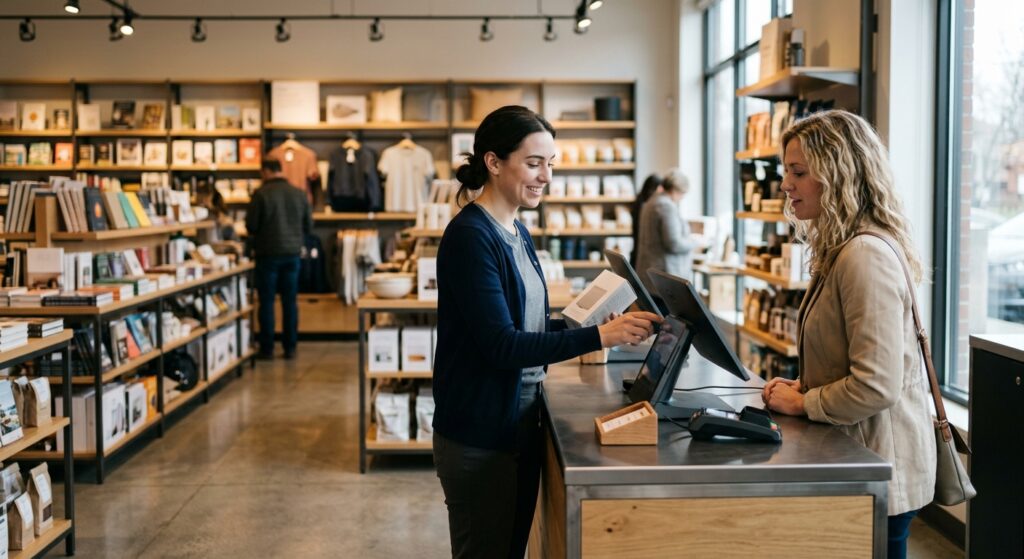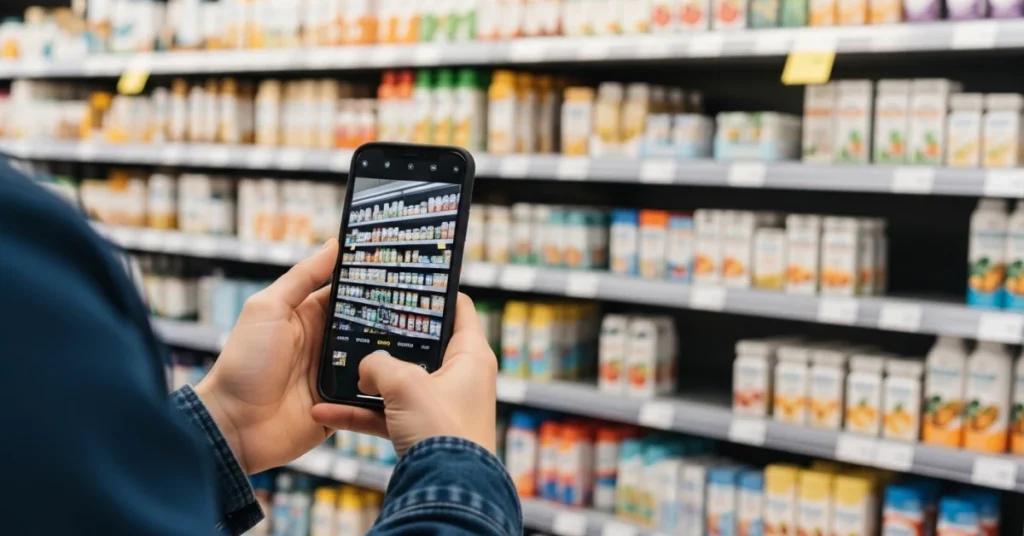



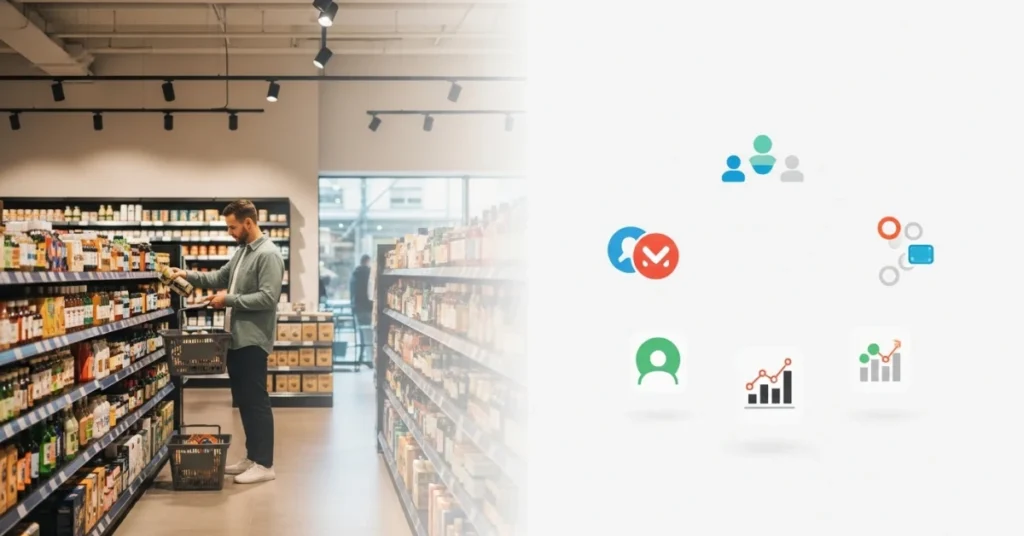
Learning effective customer engagement retail stores strategies doesn’t have to be complex. In high-performing retail environments, customers stay longer, ask questions, and return with enthusiasm — not by coincidence, but through deliberate engagement that creates value at every touchpoint.
Retail customer engagement transforms casual visitors into loyal customers by delivering personalized, memorable, and meaningful experiences before, during, and after purchase.
Strong engagement directly impacts revenue:
- Companies with strong engagement retain up to 89% of customers vs 33% for weak performers
- Engaged customers spend up to 60% more per transaction
Modern retail requires engagement that blends omnichannel experience, personalization, and authentic brand connection. Yet many retailers still struggle to deliver consistent customer experiences.
Why Do Customer Engagement Retail Stores Still Struggle?
Despite its benefits, many retailers face structural challenges. According to Bain & Company’s retail outlook, retailers continue to face major disruption as consumer behavior shifts rapidly in the post-digital transformation era.
Common challenges include:
- Fragmented customer journeys across channels
- Disconnected systems between online and in-store data
- Loyalty programs that focus on transactions rather than emotional connection
- Limited staff training in engagement and customer experience
- Weak engagement measurement beyond sales metrics
Without clear engagement visibility, retailers cannot identify what works or where improvements are needed.
How Can Customer Engagement Retail Stores Improve?
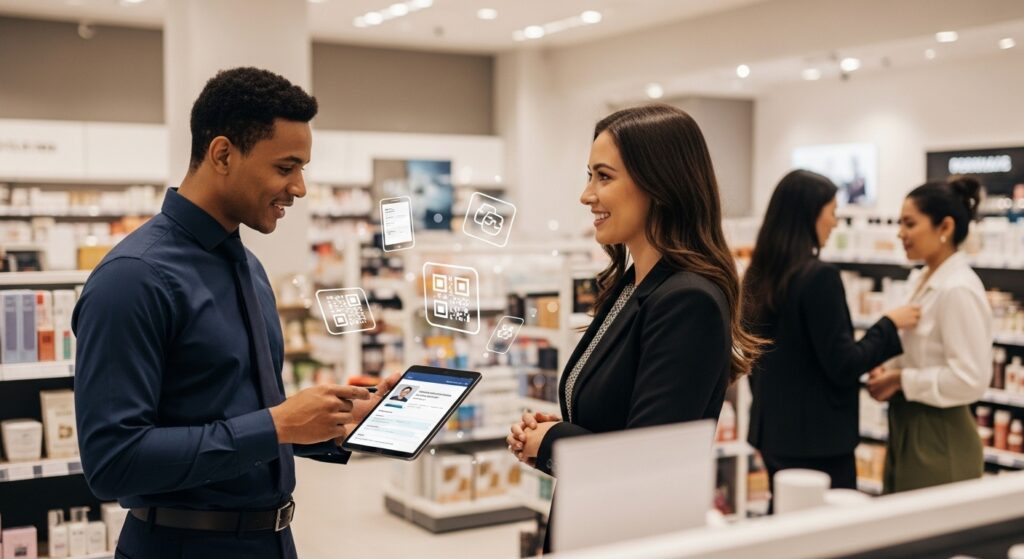
Building strong customer engagement requires a multi-layered approach. The most effective customer engagement retail stores combine technology, human interaction, and environment design to create consistent, meaningful experiences.
Key foundations include:
- Technology that enhances customer interaction (mobile apps, AR, interactive displays)
- Skilled staff who provide authentic, personalized recommendations
- Store environments designed to increase dwell time and exploration
These strategies deliver the strongest impact when tailored to individual customer behavior and preferences.
Personalize the In-Store Experience
Creating personalized experiences transforms anonymous shoppers into valued customers who feel genuinely understood. Modern consumers expect retailers to recognize their preferences and tailor interactions accordingly, making personalization a cornerstone of effective engagement strategies.
Customer data integration serves as the foundation for meaningful personalization. Successful retailers collect insights from purchase history, browsing behavior, and loyalty program activity to create detailed customer profiles. This information enables staff to make relevant product recommendations and anticipate individual needs during each store visit.
Omnichannel retail experiences amplify personalization by connecting online and offline touchpoints seamlessly. When customers research products online before visiting the store, trained associates can access this browsing history to continue the conversation naturally. This unified approach ensures consistent service regardless of how customers choose to interact with the brand.
Technology enhances personalization through targeted promotions and customized offers delivered via mobile apps or email campaigns. However, the most impactful personalization happens through human connection – remembering a customer’s name, their last purchase, or their style preferences creates emotional bonds that drive loyalty and repeat visits.
The key to successful personalization lies in balancing data-driven insights with authentic human interaction, setting the stage for empowered staff to deliver these meaningful experiences effectively.
Empower Store Staff to Drive Engagement
Frontline employees are the most powerful engagement driver in retail. Well-trained teams turn routine transactions into memorable customer experiences.
Effective engagement requires:
- Strong product knowledge and recommendation ability
- Consultation skills and active listening
- Digital engagement capability across online and in-store channels
- Authority to resolve minor customer issues instantly
These human interactions often determine whether a casual visitor becomes a loyal customer.
Use Digital Touchpoints to Guide Shoppers
Digital integration transforms physical stores into connected engagement environments. Interactive displays, mobile apps, and QR-enabled experiences extend traditional retail into data-driven engagement.
Smart navigation tools help customers locate products quickly, reducing frustration and increasing browsing time. When customers cannot find products, 84% leave without purchase, highlighting the importance of guided digital engagement.
Digital product scanning, reviews, and educational content improve decision confidence and strengthen customer trust. These touchpoints bridge physical and digital interaction, increasing engagement duration and conversion likelihood.
Strengthen Engagement with Loyalty and Exclusives
Modern loyalty programs build emotional connection rather than simple transaction incentives. Effective programs combine recognition, personalization, and exclusive access.
High-performing loyalty strategies include:
- Tiered customer experiences
- Personalized rewards based on behavior
- Exclusive launches and VIP events
- Immediate recognition at point of sale
Research shows 73% of consumers are more likely to recommend brands with strong loyalty programs.
How Data and Technology Improve Retail Customer Engagement
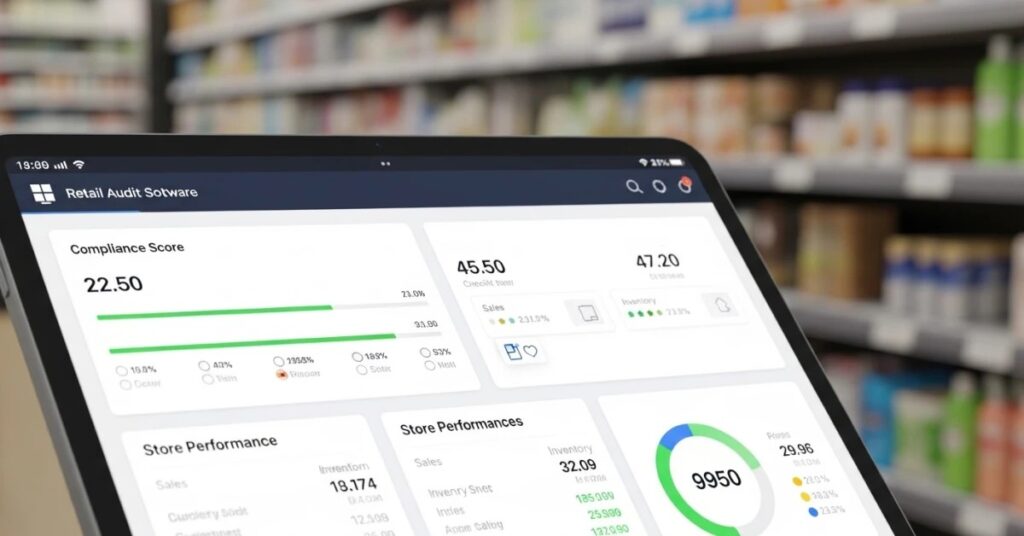
Advanced analytics and AI enable predictive, personalized engagement. Machine learning analyzes customer behavior to anticipate needs and optimize experience.
Modern engagement technologies include:
- AI-powered recommendation engines
- Real-time inventory optimization
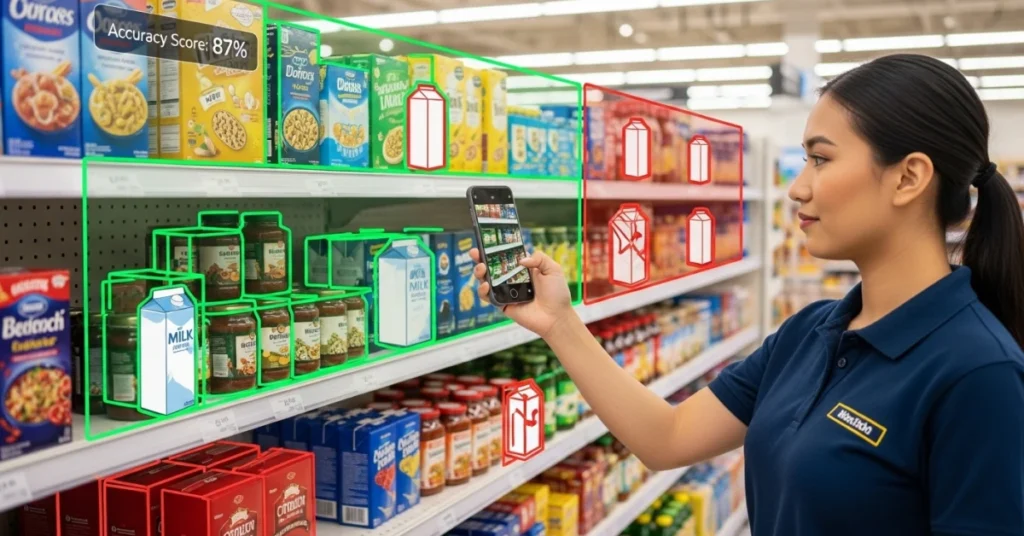
- Heat mapping for in-store behavior insights
- Augmented reality and chatbot-enabled service
According to Deloitte’s retail outlook, retailers are increasing investment in data-driven personalization to better engage customers across all touchpoints.
Successful implementation requires balancing technology with privacy and maintaining human interaction at the center of engagement.
How to Measure Retail Customer Engagement
Measuring engagement requires tracking both behavioral and emotional indicators across customer touchpoints.
Key engagement metrics include:
- Dwell time (engaged customers browse 30% longer)
- Transaction frequency and basket size
- Customer lifetime value and repeat purchase rate
- Net Promoter Score (NPS)
- Digital engagement rates
- Customer feedback and sentiment
Leading retailers combine quantitative and qualitative data to gain a full view of engagement effectiveness.
What Trends Shape Customer Engagement Retail Stores?
Retail engagement continues evolving rapidly. Sustainability, personalization, and omnichannel integration are now core expectations rather than differentiators.
Major trends include:
- Sustainability-driven brand selection
- AI-powered personalization and predictive analytics
- Seamless omnichannel experiences
- Social commerce and discovery-led purchasing
Long-term engagement depends on building sustained customer relationships across multiple touchpoints and purchase cycles.
Final Takeaways for Retail Teams
Strong customer engagement requires an integrated strategy combining people, data, and technology.
Key priorities:
- Data-driven decision making
- Technology-enabled personalization
- Empowered, trained staff
- Consistent omnichannel experience
While retail continues to evolve, one principle remains constant: true customer engagement comes from understanding customer needs and delivering value at every interaction.
Start with a focused strategy, implement gradually, and scale engagement as measurable results grow.
Conclusion
Customer expectations continue to rise, making customer engagement retail stores a critical driver of loyalty, revenue, and long-term brand value. Retailers that combine personalization, empowered staff, data-driven insights, and seamless omnichannel experiences will consistently outperform competitors. The future of retail belongs to organizations that transform everyday interactions into meaningful, measurable, and lasting customer relationships.
Boost performance and strengthen customer engagement retail stores with real-time insights and smarter in-store execution. Book a Demo with FieldPie.