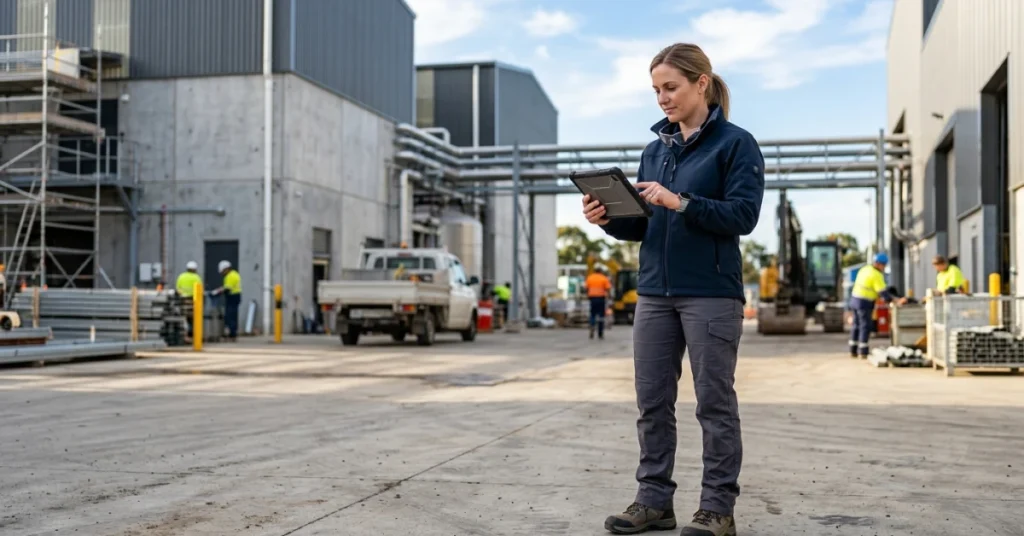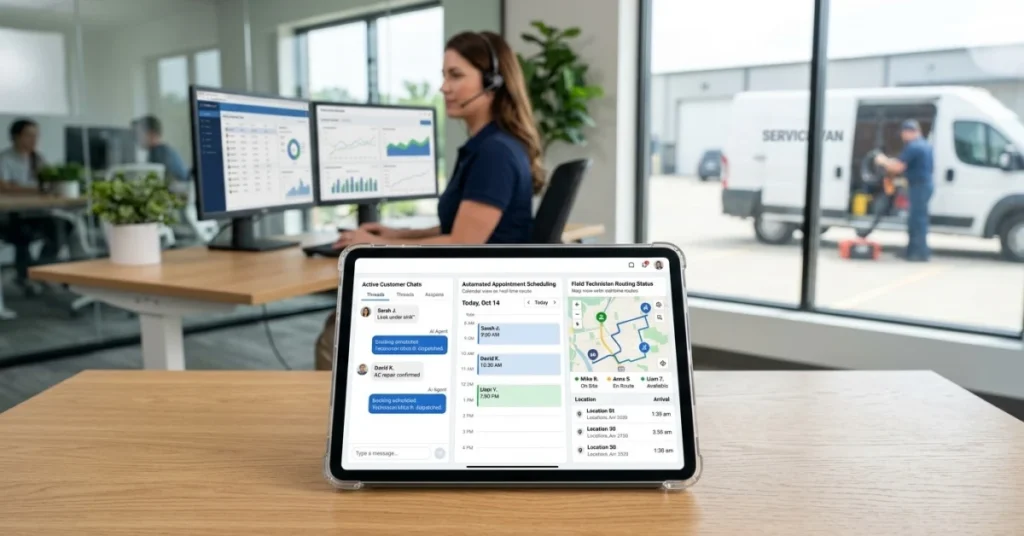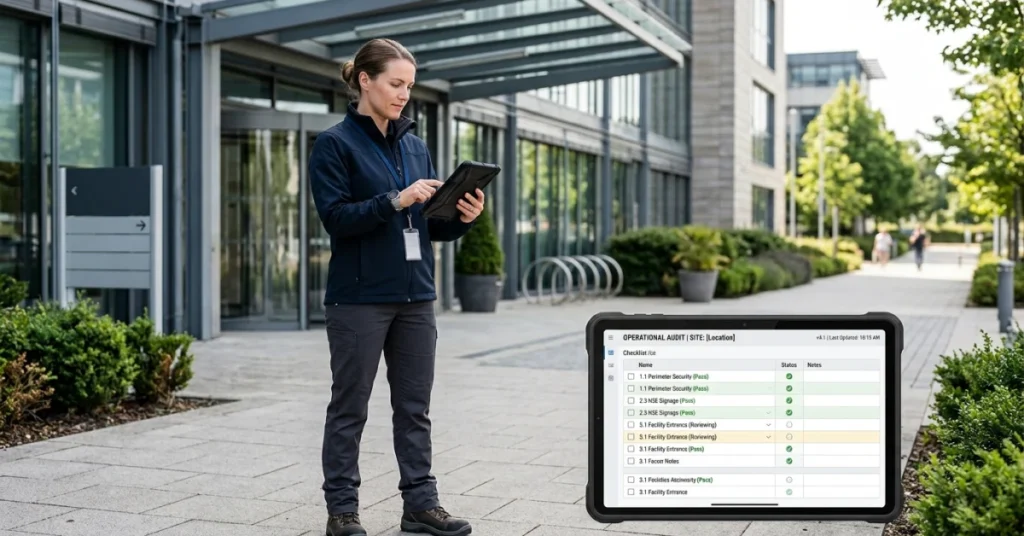




A field team is a group of employees or contractors deployed outside a central office — in the field — to deliver services, conduct sales, execute inspections, or perform installations on behalf of an organization. As defined in legal contracts, a field team includes all personnel engaged to promote or execute a company’s operations in the field, whether direct employees or subcontractors.
What Is a Field Team and Why Does It Matter in 2026?
Today’s distributed workforce has made field team management one of the most operationally complex disciplines in business. Whether your teams are HVAC technicians, trade marketing representatives, or field sales agents, the challenge is identical: you need real-time visibility, consistent performance, and seamless communication — all without being in the same room.
According to field management research, companies that invest in structured field team management see measurable gains in productivity, customer satisfaction, and cost efficiency. The data is clear: unmanaged field operations bleed money through missed appointments, duplicate work orders, and poor accountability.
The stakes are high. Your service quality, brand reputation, and revenue all depend on how well your members in the field execute daily tasks.
What Are the Core Roles Within a Field Team?
A high-performing field team is not a flat group of workers. It has a defined structure. Here are the most common roles:
| Role | Primary Responsibility | Key Metric |
|---|---|---|
| Field Team Lead | Supervises team members, reports to HQ | On-time task completion rate |
| Field Service Technician | Executes installations, repairs, maintenance | First-time fix rate |
| Field Sales Representative | Acquires and manages client accounts | Revenue per visit |
| Trade Marketing Executive | Executes brand activations, audits retail | Planogram compliance score |
| Field Data Collector | Gathers market or operational data | Data accuracy rate |
| Field Coordinator | Schedules routes, assigns tasks | Resource utilization rate |
Each of these roles requires distinct management approaches, KPIs, and communication protocols. Treating all team members the same is one of the fastest routes to operational failure.

What Are the Biggest Challenges in Managing a Field Team?
Managing dispersed members is fundamentally different from managing an in-office workforce. Here are the five challenges that consistently derail field operations:
1. Lack of Real-Time Visibility
Without GPS-based track capabilities, managers have no reliable way to confirm where their team members are, whether tasks are progressing, or whether service windows are being honored. This visibility gap is the root cause of most field management failures.
2. Communication Breakdowns
Field members are often in areas with poor connectivity, switching between calls, job sites, and client interactions. Centralized communication platforms that sync data offline are not a luxury — they are a baseline requirement.
3. Inconsistent Performance Standards
When team members operate independently, performance standards drift. One technician may follow the full service checklist; another may skip steps. Without a standardized digital workflow, your service quality becomes unpredictable.
4. Poor Data Collection
Manual reporting — paper forms, spreadsheets, end-of-day emails — introduces errors and delays. Real-time data collection from the field is the only way to make accurate management decisions.
5. Scheduling and Route Inefficiency
Unoptimized routing wastes fuel, time, and your team members’ energy. According to Superworks’ analysis of field team challenges, scheduling inefficiency is among the top five operational pain points for field-heavy organizations.
How Do You Measure Field Team Performance Effectively?
You cannot manage what you cannot measure. Here are the performance metrics every field management operation should track:
- First-Time Fix Rate (FTFR): Percentage of service calls resolved on the first visit. Industry benchmark: 75–85%.
- On-Time Arrival Rate: Percentage of appointments where team members arrive within the service window. Target: 90%+.
- Task Completion Rate: Number of assigned tasks completed vs. total assigned per day.
- Customer Satisfaction Score (CSAT): Post-service survey data collected from clients.
- Revenue per Field Visit: Total revenue generated divided by total field visits in a period.
- Utilization Rate: Percentage of working hours spent on billable or productive activities.
Tracking these metrics requires a centralized management platform that collects data automatically — not manually. For teams managing field sales and route-based operations, real-time dashboards are non-negotiable.
What Communication Strategies Work Best for Field Teams?
Effective communication for distributed teams requires a layered approach:
Synchronous Communication (Real-Time)
- Daily morning briefings via video or voice call
- In-app messaging tied to specific tasks or work orders
- Escalation channels for urgent field issues
Asynchronous Communication (Documented)
- Digital task notes and photo attachments uploaded at job completion
- Automated status updates triggered by GPS check-ins
- End-of-shift summary reports generated by your management platform
Structured Reporting Cadence
- Weekly performance reviews with team members
- Monthly data analysis sessions with team leads
- Quarterly strategic reviews aligned with service or sales targets
The goal is to reduce noise while increasing accountability. Every communication touchpoint should produce a data record that feeds your performance reporting.
How Can Technology Transform Your Field Team Operations?
The gap between high-performing and underperforming field operations almost always comes down to technology adoption. Real-time management tools can boost operational efficiency across trade marketing, field sales, and routine service execution in three structured steps: manage people and tasks, execute in the field, and analyze results.
This is exactly where FieldPie delivers a decisive advantage. FieldPie is a purpose-built field team management platform that gives operations managers:
- Live GPS tracking to monitor every team member’s location in real time
- Digital task management with checklists, forms, and photo documentation built into each work order
- Automated performance dashboards that aggregate data from all field members into a single view
- Offline-capable mobile app so your team members can capture data even in low-connectivity areas
- Route optimization that reduces travel time and increases the number of service calls per day
For organizations managing daily workforce scheduling and dispatch, FieldPie eliminates the manual bottlenecks that slow down your entire operation.
How Should You Structure a Field Team for Maximum Efficiency?
Structure drives performance. Here is a proven framework for organizing your field team:
Span of Control: Research and legal operating standards consistently recommend that no field supervisor should manage more than 8 direct team members. As noted in documented field team agreements, a span of control exceeding 8 members per supervisor creates accountability gaps that directly impact service quality.
Tiered Management Model:
- Level 1 — Field Members: Execute tasks, capture data, communicate issues upward
- Level 2 — Team Leads: Supervise 4–8 members, conduct quality checks, report performance data
- Level 3 — Regional Managers: Oversee multiple teams, manage escalations, drive strategic alignment
Geographic Zoning: Assign team members to defined geographic zones to minimize travel time, build local client relationships, and simplify scheduling. Avoid the common mistake of allowing members to overlap territories without a clear rationale.
For organizations managing multi-region field operations, geographic zoning paired with a digital management platform is the single most effective structural decision you can make.
How Do You Build a High-Performance Field Team Culture?
Tools and processes only work when your team members are engaged. Here is what separates a good field operation from a great one:
- Transparent KPIs: Every team member knows exactly what they are being measured on and why it matters.
- Recognition Programs: Acknowledge top performers publicly. Field work is isolating — recognition matters more than most managers realize.
- Continuous Training: Run quarterly skill updates, not just annual compliance training.
- Feedback Loops: Give team members a direct channel to report process problems. The best operational improvements come from the people doing the work.
- Career Pathways: Show members a clear path from field technician to team lead to regional manager. Retention in field roles is directly tied to perceived growth opportunity.
For organizations looking to improve field team onboarding and training programs, investing in structured learning paths reduces turnover by an average of 25% in the first year.

Conclusion
A well-managed field team is one of the most powerful competitive advantages a service, sales, or operations-focused organization can build. The difference between a reactive, chaotic field operation and a high-performing one comes down to three fundamentals: clear structure, real-time data, and the right technology.
From defining roles and setting KPIs to implementing GPS tracking and automated reporting, every step in this guide moves your organization toward an operation that scales without losing visibility or quality. The 15-step checklist above gives you a concrete starting point — audit your current state, identify your gaps, and prioritize the highest-impact changes first.
The field is where your revenue is earned and your reputation is built. Manage it accordingly.
Ready to Transform Your Field Operations?
See FieldPie in action. Book a personalized demo and discover how leading organizations are using FieldPie to track performance, eliminate manual reporting, and scale their field teams with confidence.
Book Your Free FieldPie Demo Today
Frequently Asked Questions (FAQ)
What is a field team in business operations?
A field team is a group of employees or contractors who work outside a central office to deliver services, conduct sales, perform inspections, or execute brand activations on behalf of an organization. Field team members are typically managed remotely using GPS tracking, digital task management, and mobile reporting tools.
How many people should a field team supervisor manage?
Industry practice and documented operational standards recommend a maximum span of control of 8 team members per supervisor. Exceeding this ratio creates accountability gaps, reduces response times, and degrades service quality. For large-scale operations, a tiered management structure — members, team leads, regional managers — is the most effective model.