



Grow Your Business With FieldPie
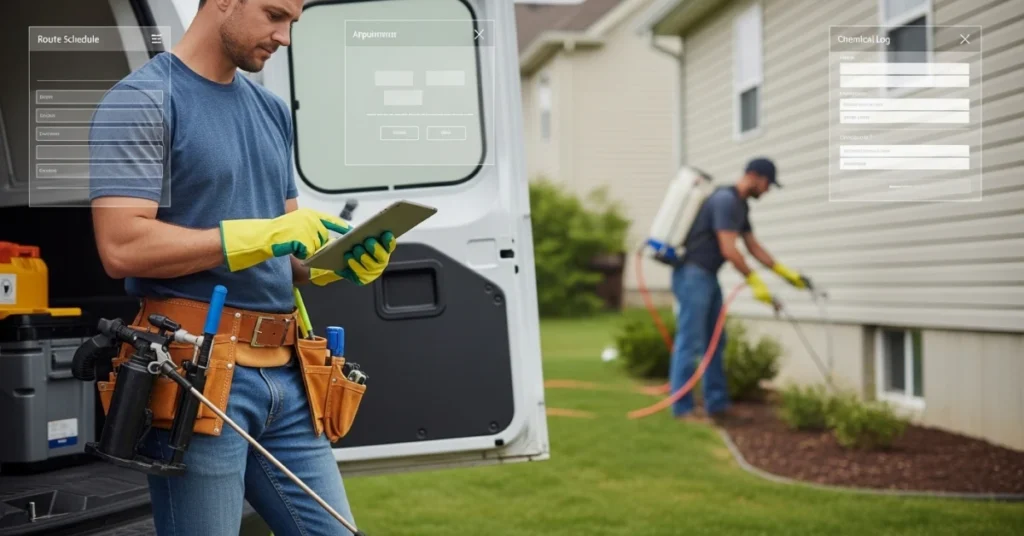
Running an Pest Control business can be a mess. Missed bookings, late payments, and chaotic schedules can frustrate both your techs and clients. FieldPie Pest Control software keeps you organized—you can assign the right tech to each job, create accurate cost estimates, and get paid faster, all in one spot.
Got a small crew or a bigger operation? FieldPie keeps you on point. With invoices, client access, maps, and a powerful mobile app, you can complete jobs efficiently and keep everyone happy.

Grow Faster

Do More

Impress Customers

Decide Smarter
Lead Generation
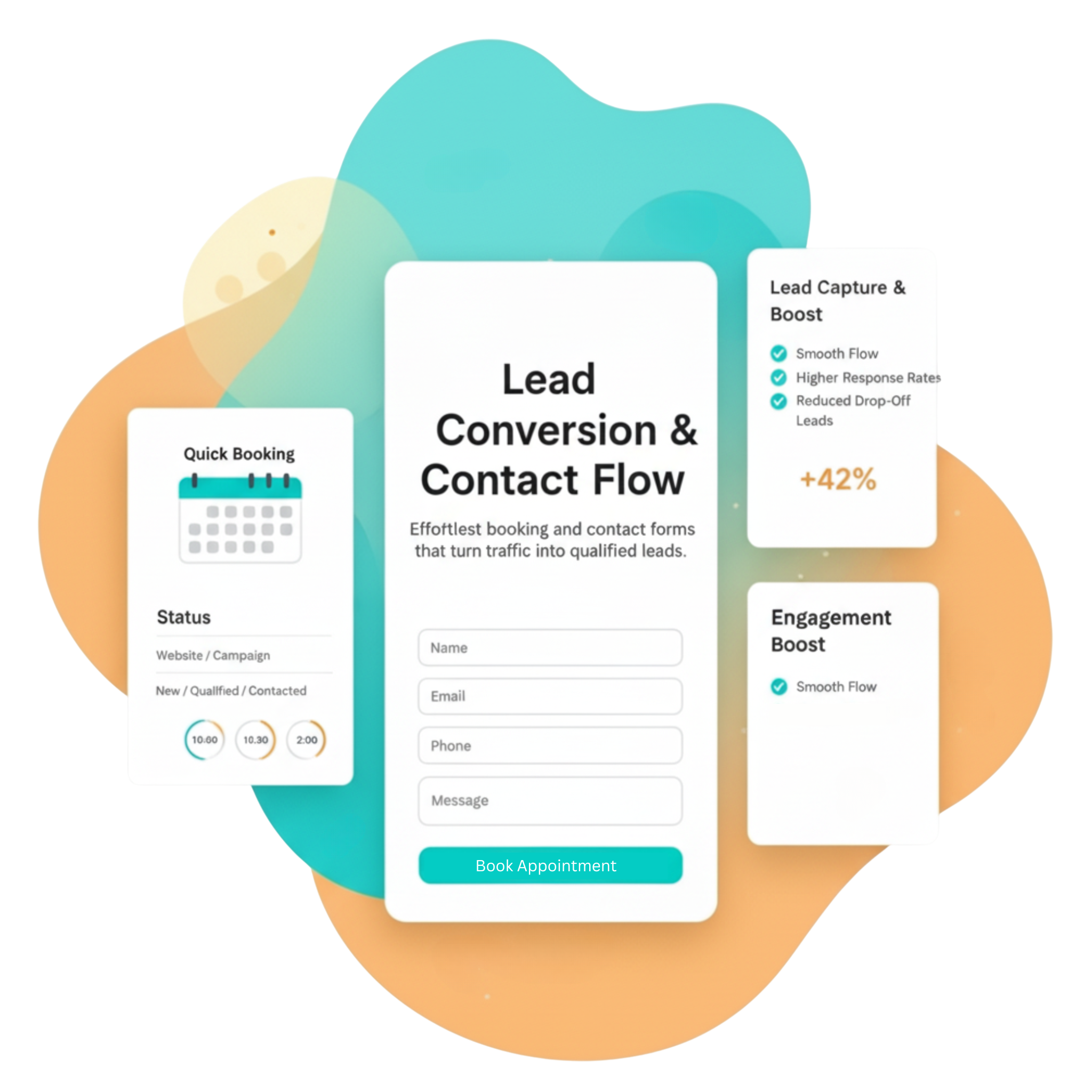
Turn website and campaign traffic into real opportunities with AI-powered lead capture. From AI-built websites to embedded online booking, every request becomes a lead in your FieldPie account — ready to track, qualify, and convert through the built-in CRM.
Intelligent Quoting
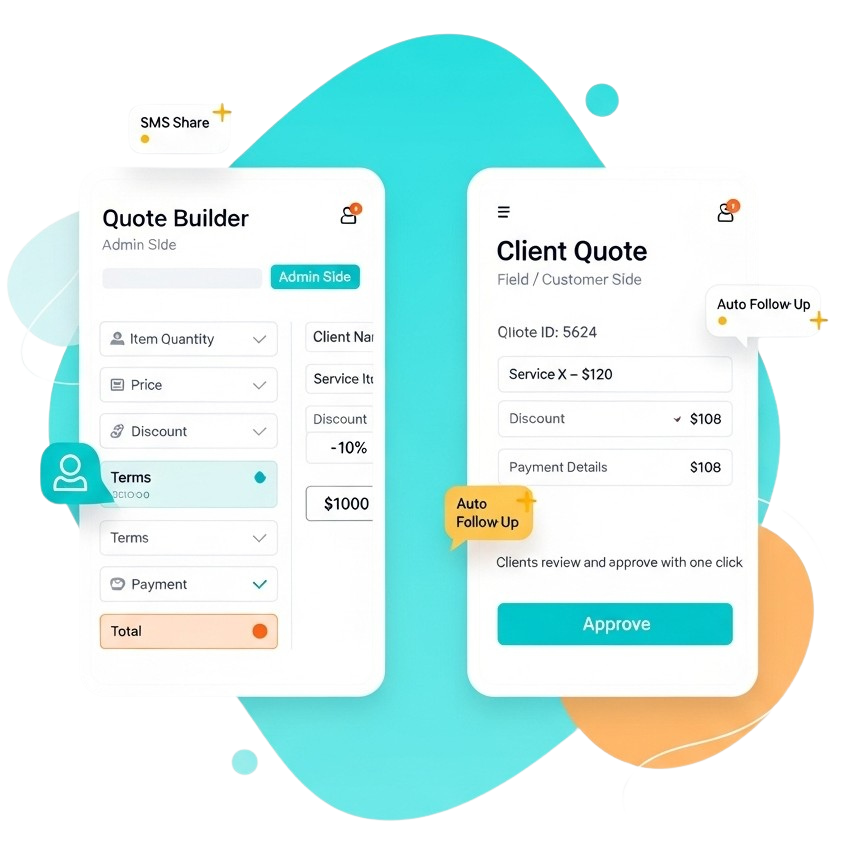
Easily create professional quotes in seconds, including discounts, payment details, and contract terms. Share quotes via SMS or email, and allow clients to review and approve them online with just one click. FieldPie also automates follow-ups, helping businesses across industries convert more opportunities into revenue.
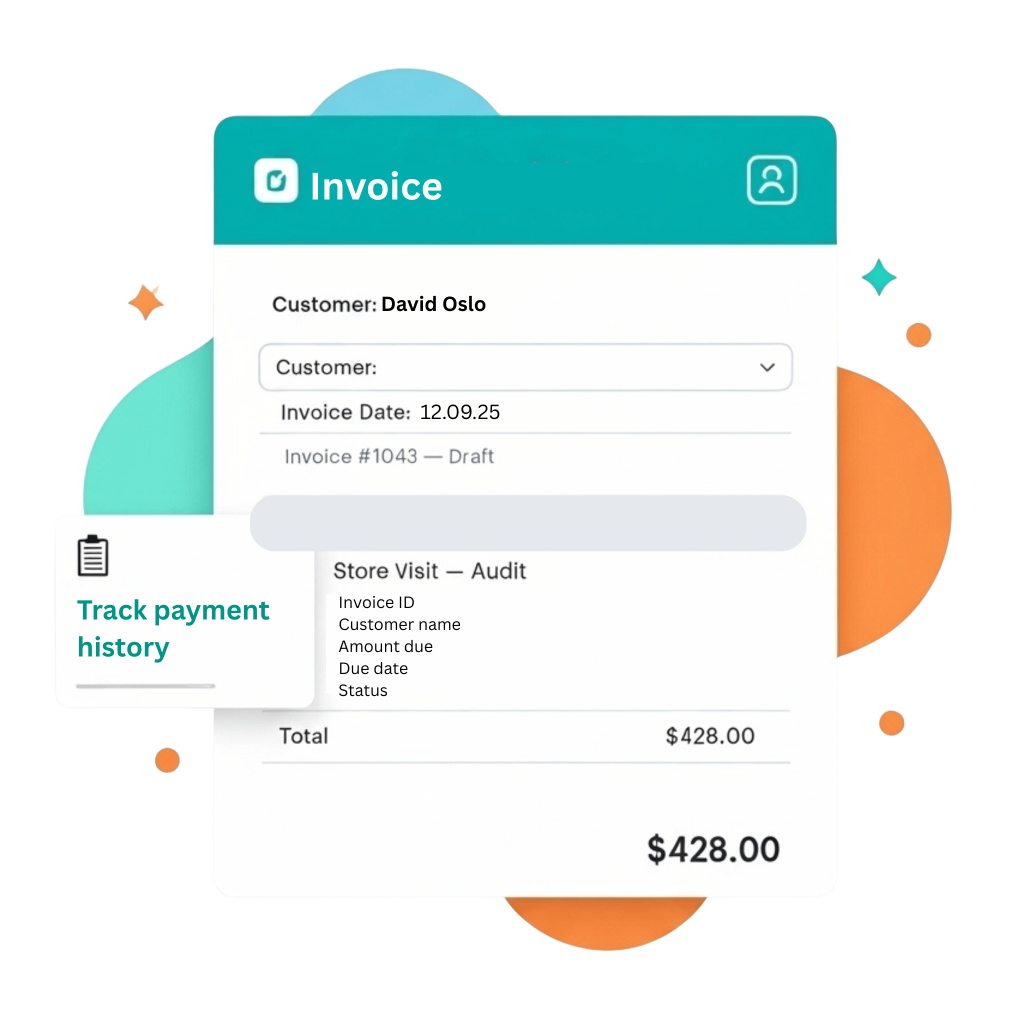
Invoicing & Follow-Ups
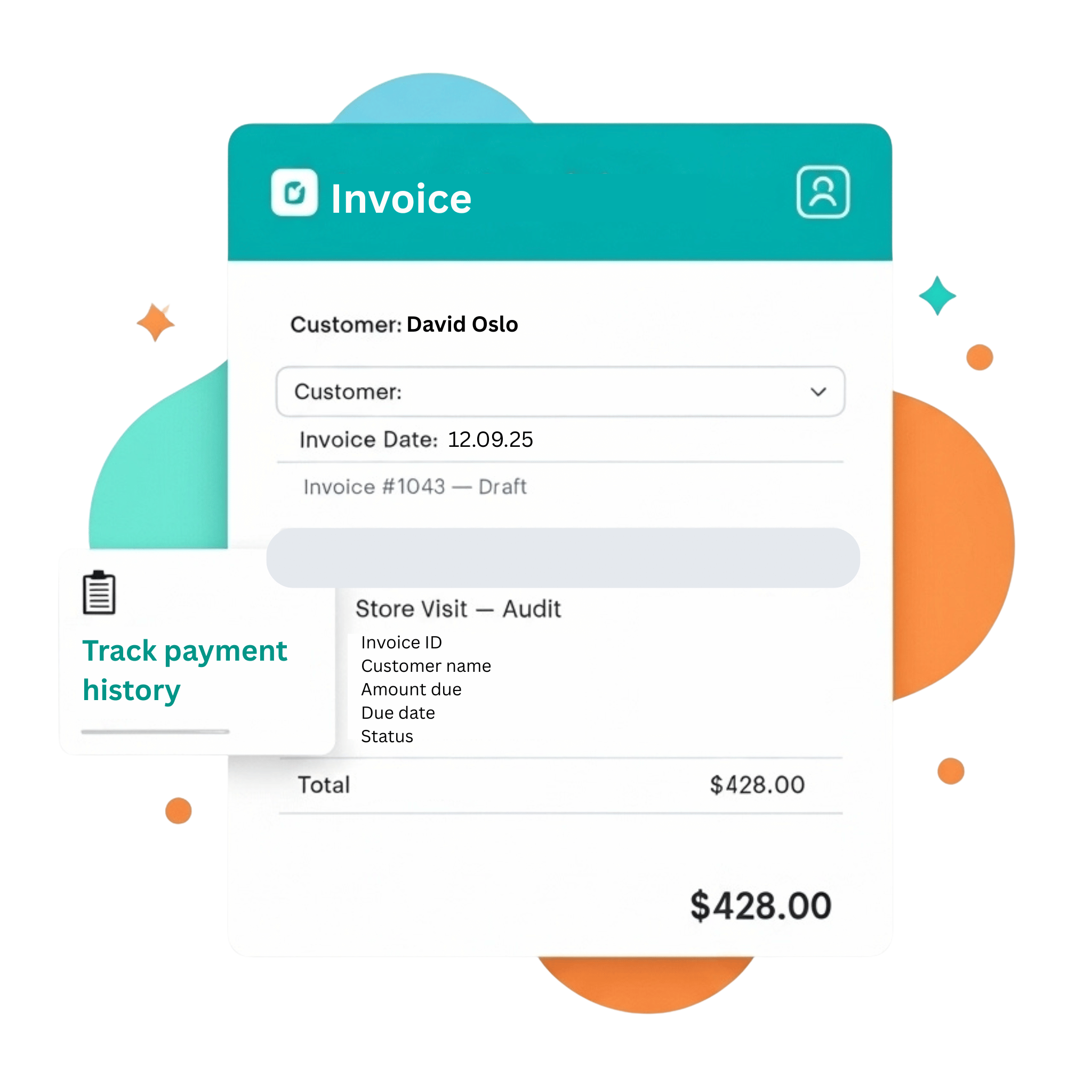
Stay on top of your billing with automated invoicing tools. FieldPie lets you generate, send, and track invoices in real time—whether they’re sent, paid, or overdue. Automatic reminders keep your team and clients aligned, ensuring faster payments and reducing administrative workload.
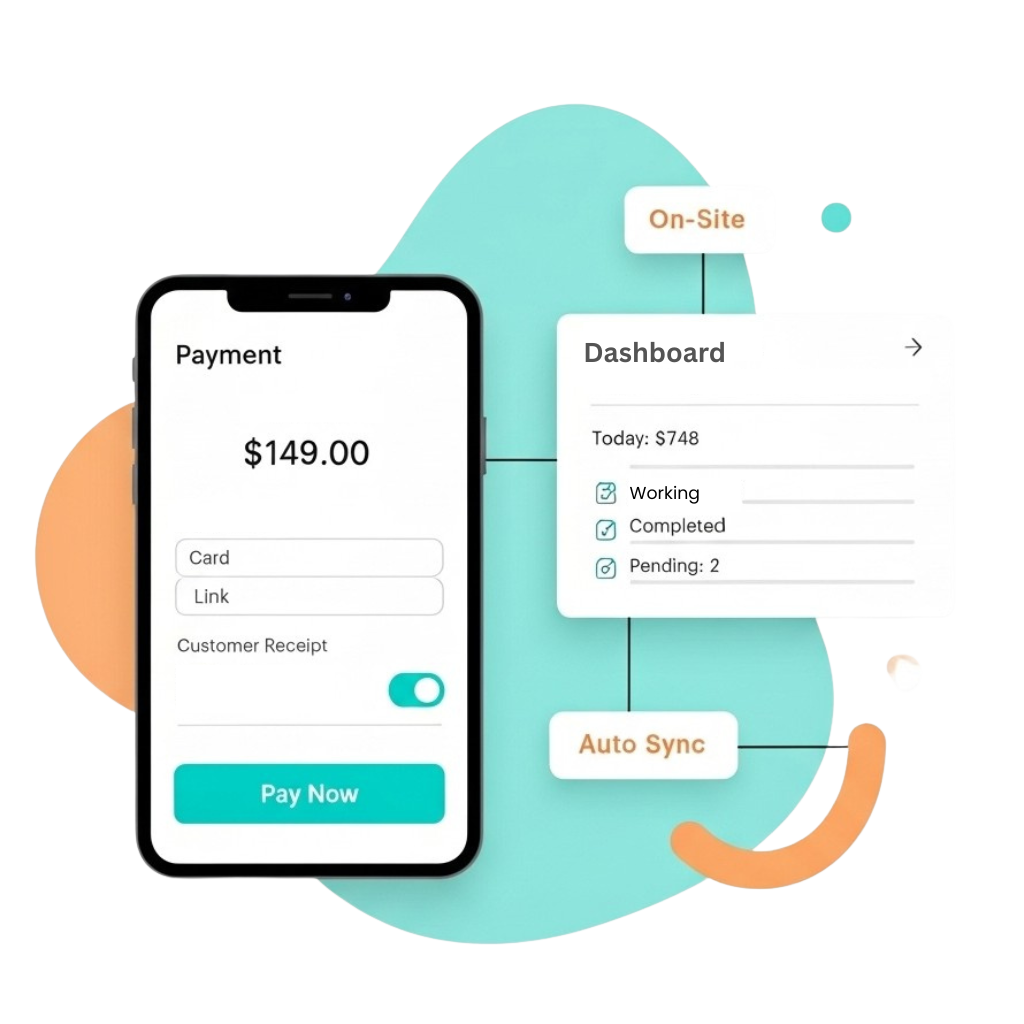
Online Payments
Accept payments quickly and securely from anywhere with mobile-friendly processing on-site, online, or after the job. Every transaction syncs instantly into your system for clear financial visibility, and connecting with QuickBooks Online automates quotes, invoices, and payments—eliminating double-entry and keeping your records accurate in real time.
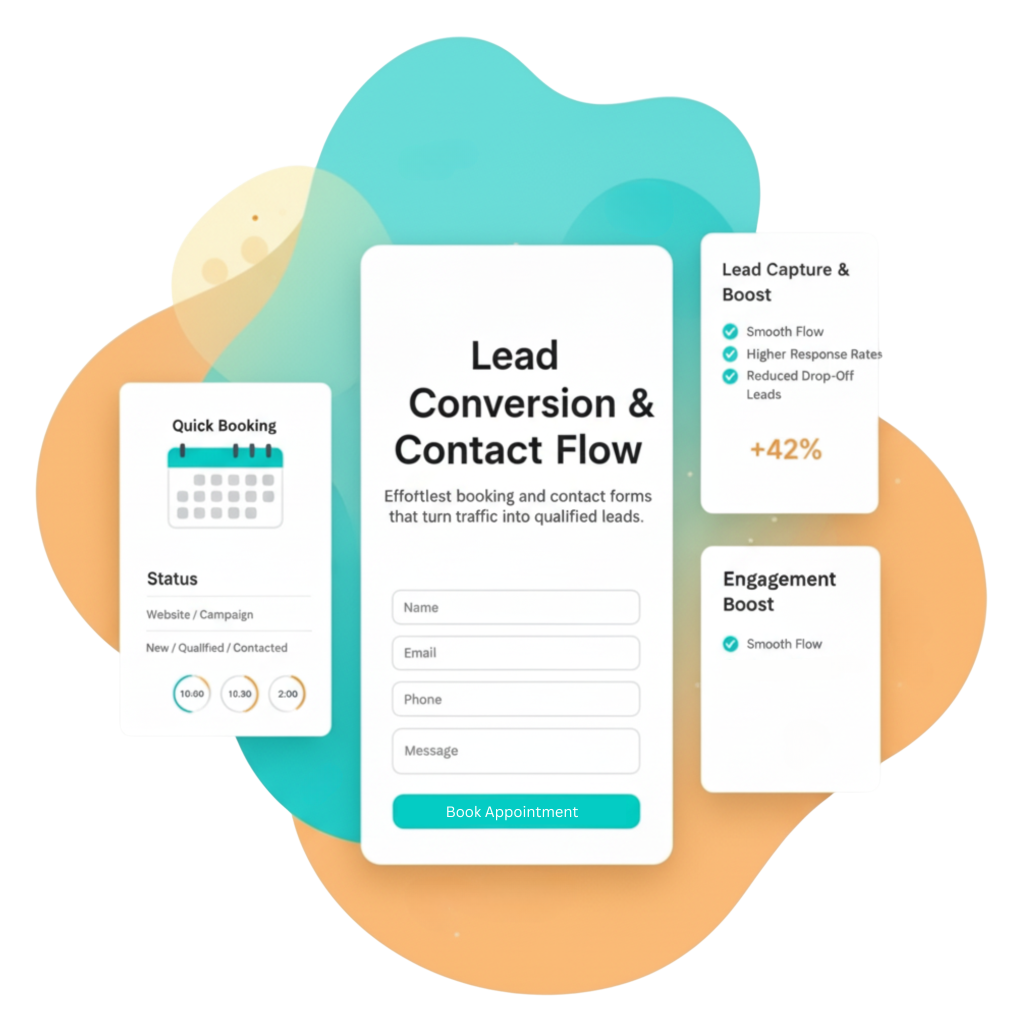
Lead Generation
Turn website and campaign traffic into real opportunities with AI-powered lead capture. From AI-built websites to embedded online booking, every request becomes a lead in your FieldPie account — ready to track, qualify, and convert through the built-in CRM.
Intelligent Quoting
Easily create professional quotes in seconds, including discounts, payment details, and contract terms. Share quotes via SMS or email, and allow clients to review and approve them online with just one click. FieldPie also automates follow-ups, helping businesses across industries convert more opportunities into revenue.
Invoicing & Follow-Ups
Stay on top of your billing with automated invoicing tools. FieldPie lets you generate, send, and track invoices in real time—whether they’re sent, paid, or overdue. Automatic reminders keep your team and clients aligned, ensuring faster payments and reducing administrative workload.
Online Payments
Accept payments quickly and securely from anywhere with mobile-friendly processing on-site, online, or after the job. Every transaction syncs instantly into your system for clear financial visibility, and connecting with QuickBooks Online automates quotes, invoices, and payments—eliminating double-entry and keeping your records accurate in real time.
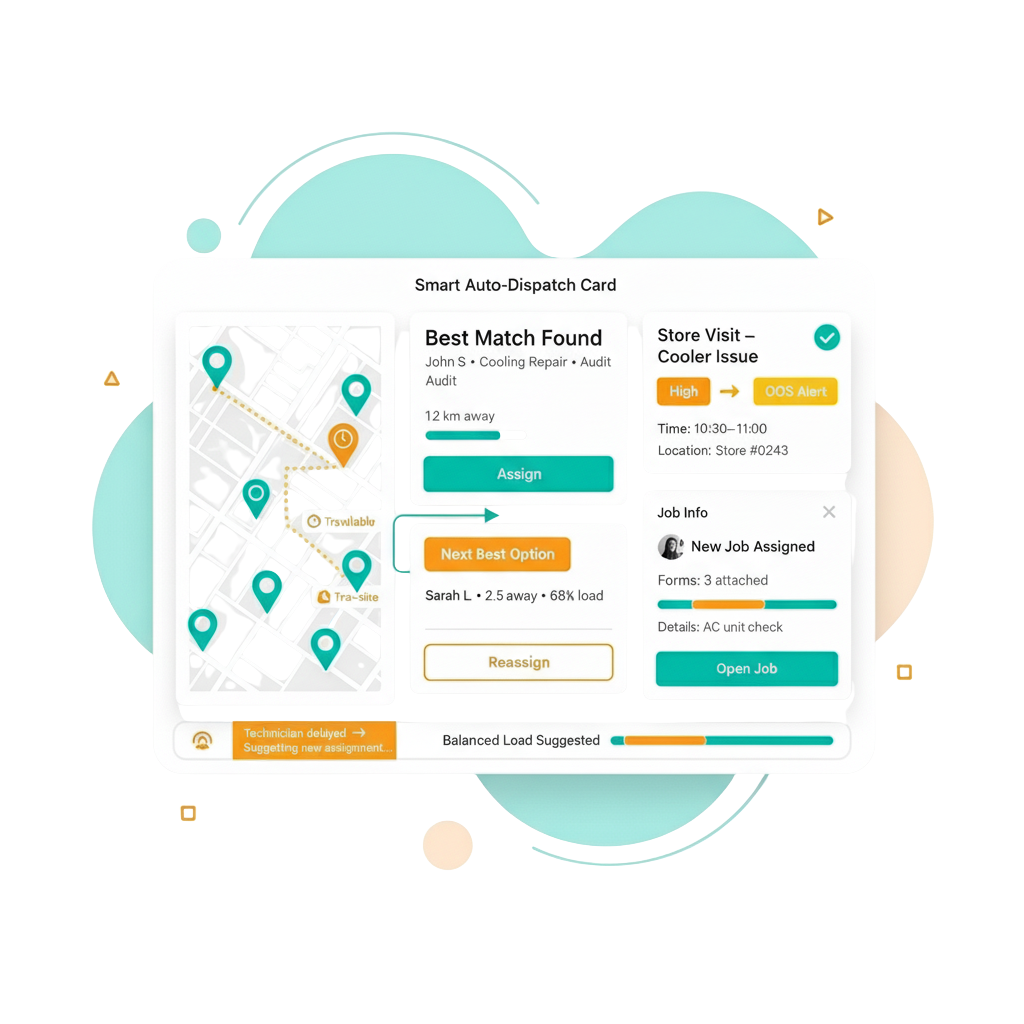
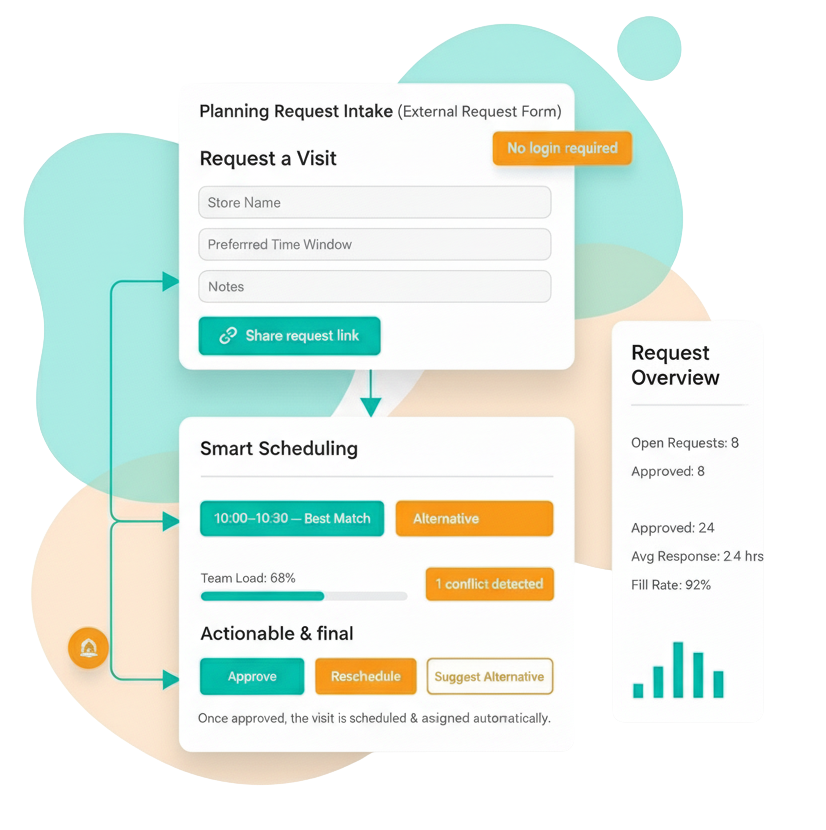
Smart Scheduling
Streamline workforce management with smarter scheduling. FieldPie automatically generates recurring jobs from your calendar and lets you import your existing schedules in one go—eliminating manual weekly planning. Make changes in seconds, instantly notify teams and clients, and ensure the right person is always dispatched to the right task.
Recurring Plans
Automate repeat operations with ease. FieldPie manages recurring jobs and maintenance schedules end-to-end, ensuring consistent service delivery, reduced admin workload, and reliable follow-ups—all powered by automated scheduling.
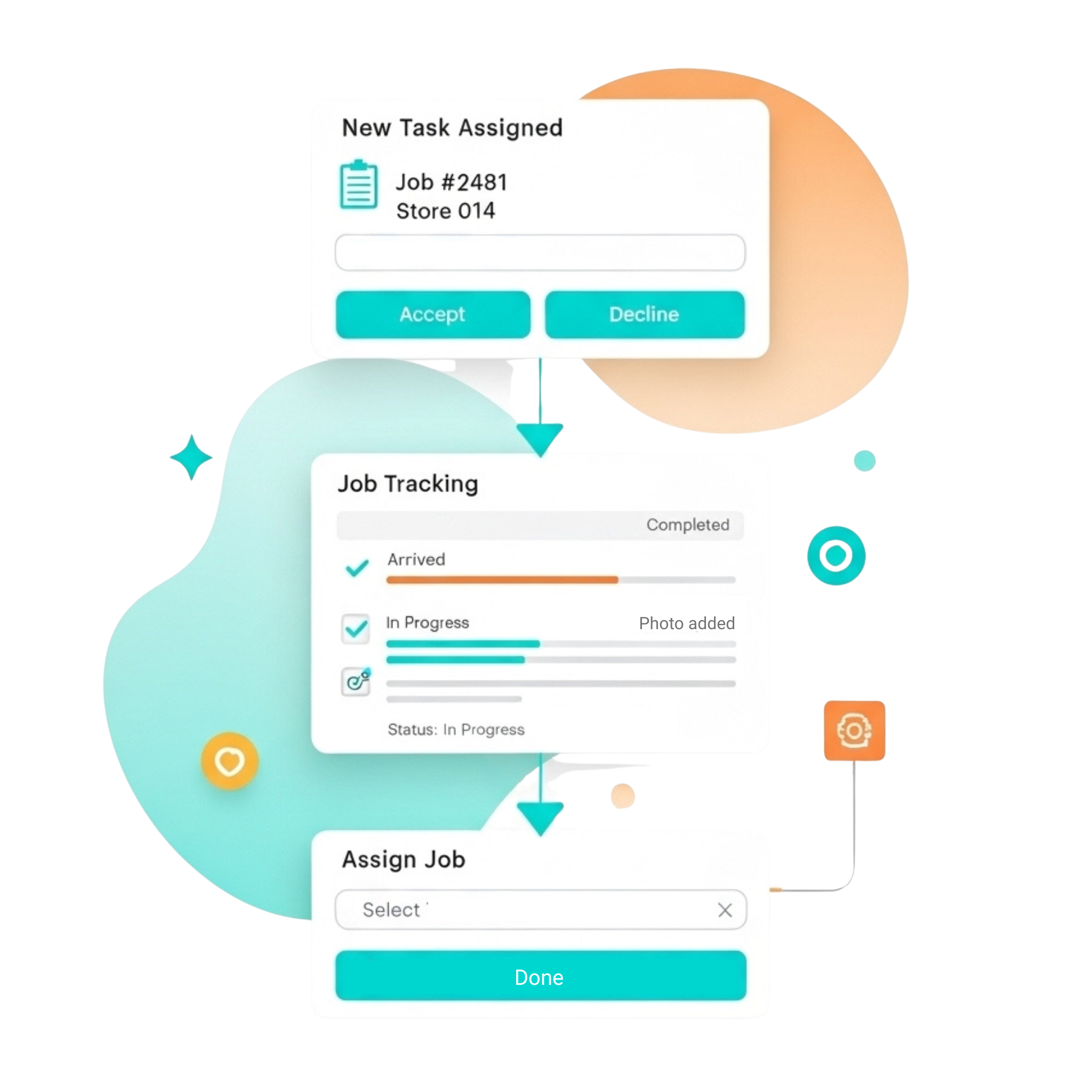
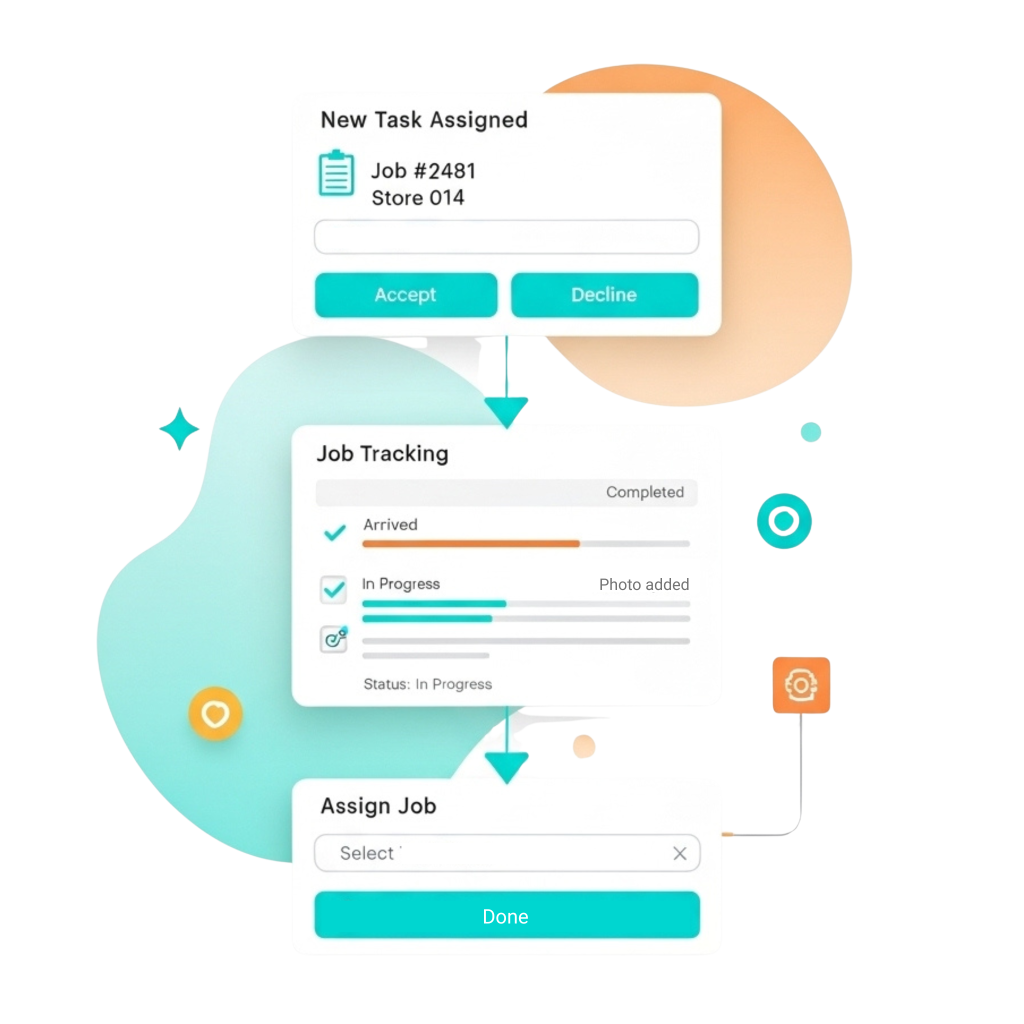
Job & Task Management
Transform complex field operations into structured workflows. With FieldPie’s customizable mobile job forms, teams can access real-time job details, capture notes, photos, payments, and signatures, and track progress with GPS. Everything is logged and managed from one platform, reducing errors and boosting efficiency.
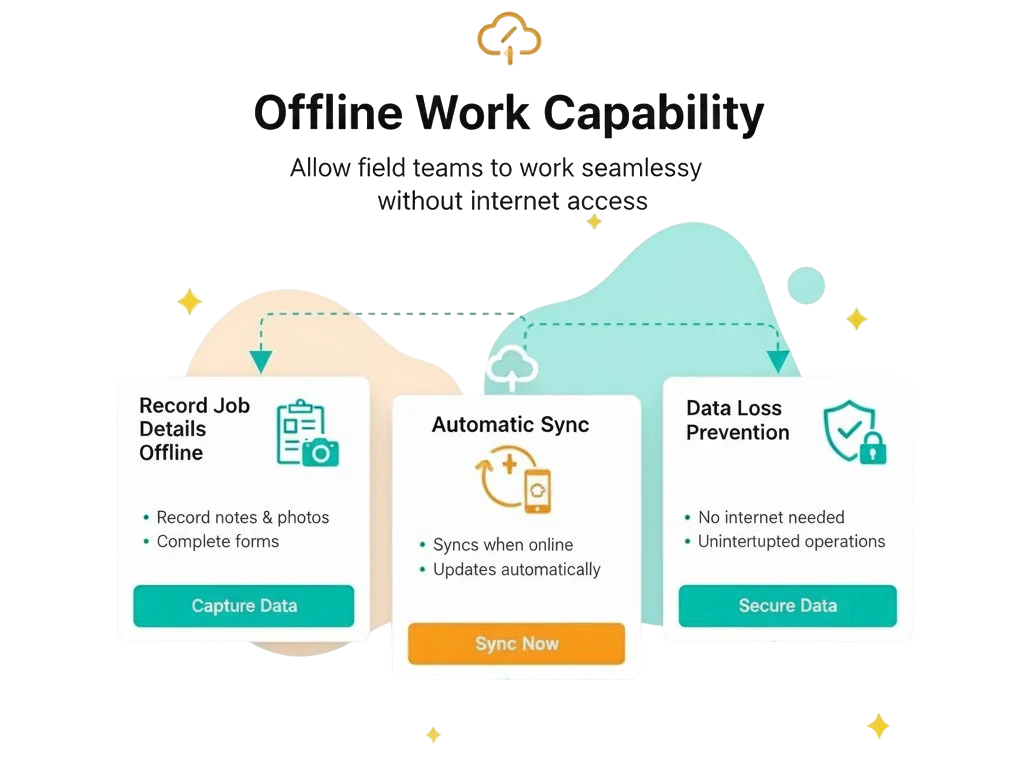
Working Offline / Online
Stay productive anywhere with FieldPie’s offline-first technology. Field teams can capture data, complete tasks, and update forms without internet access. Once reconnected, all data syncs automatically—keeping operations accurate, seamless, and on track without delays.
Smart Scheduling
Streamline workforce management with smarter scheduling. FieldPie automatically generates recurring jobs from your calendar and lets you import your existing schedules in one go—eliminating manual weekly planning. Make changes in seconds, instantly notify teams and clients, and ensure the right person is always dispatched to the right task.
Recurring Plans
Automate repeat operations with ease. FieldPie manages recurring jobs and maintenance schedules end-to-end, ensuring consistent service delivery, reduced admin workload, and reliable follow-ups—all powered by automated scheduling.
Job & Task Management
Transform complex field operations into structured workflows. With FieldPie’s customizable mobile job forms, teams can access real-time job details, capture notes, photos, payments, and signatures, and track progress with GPS. Everything is logged and managed from one platform, reducing errors and boosting efficiency.
Working Offline / Online
Stay productive anywhere with FieldPie’s offline-first technology. Field teams can capture data, complete tasks, and update forms without internet access. Once reconnected, all data syncs automatically—keeping operations accurate, seamless, and on track without delays.
Client Management (CRM)
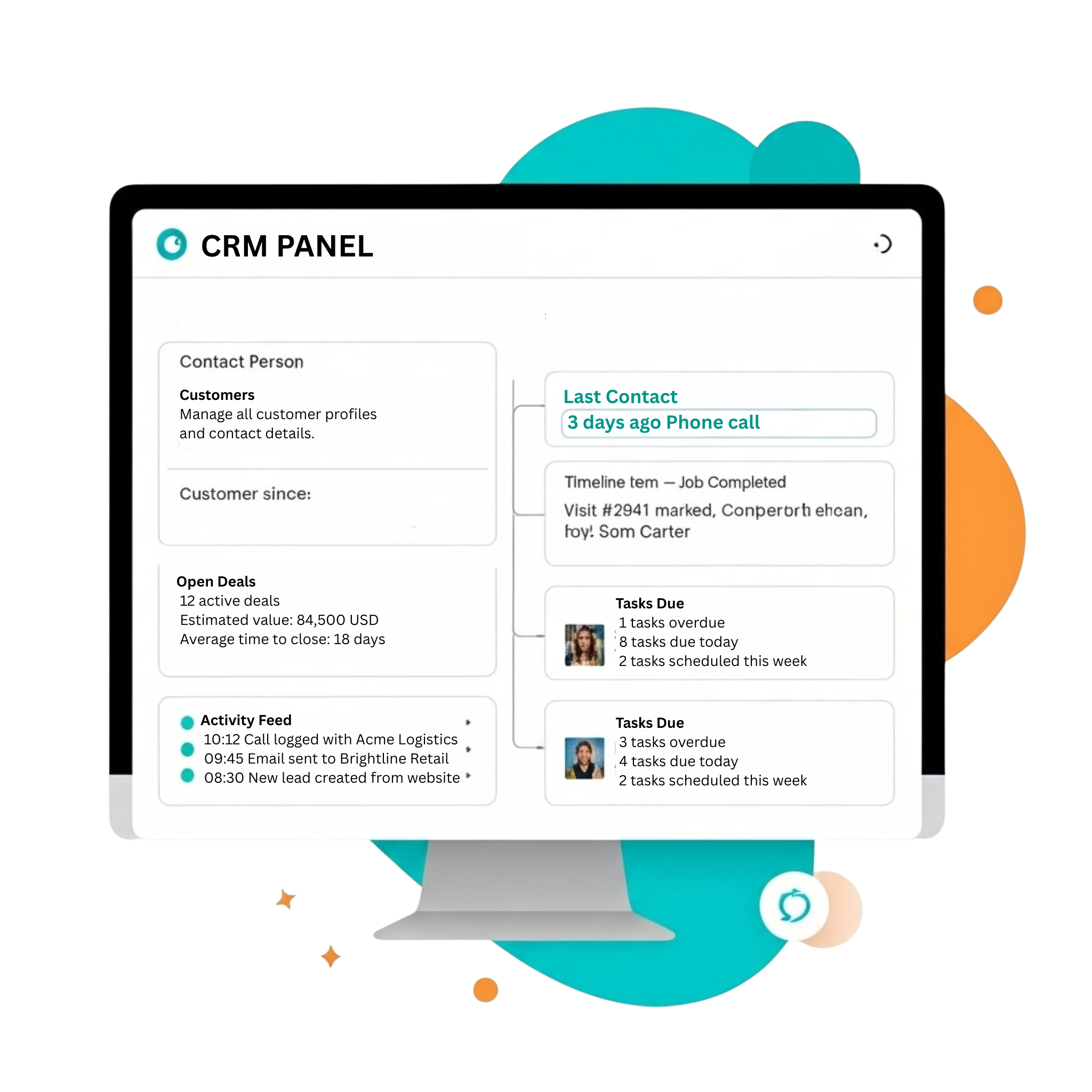
Easily turn opportunities into real business with FieldPie’s CRM. Keep all customer information in one place—contact details, full job history, quotes, and account balances due or overdue. Your team gets complete visibility for faster follow-ups, accurate billing, and stronger customer relationships.
Email & Text Notifications
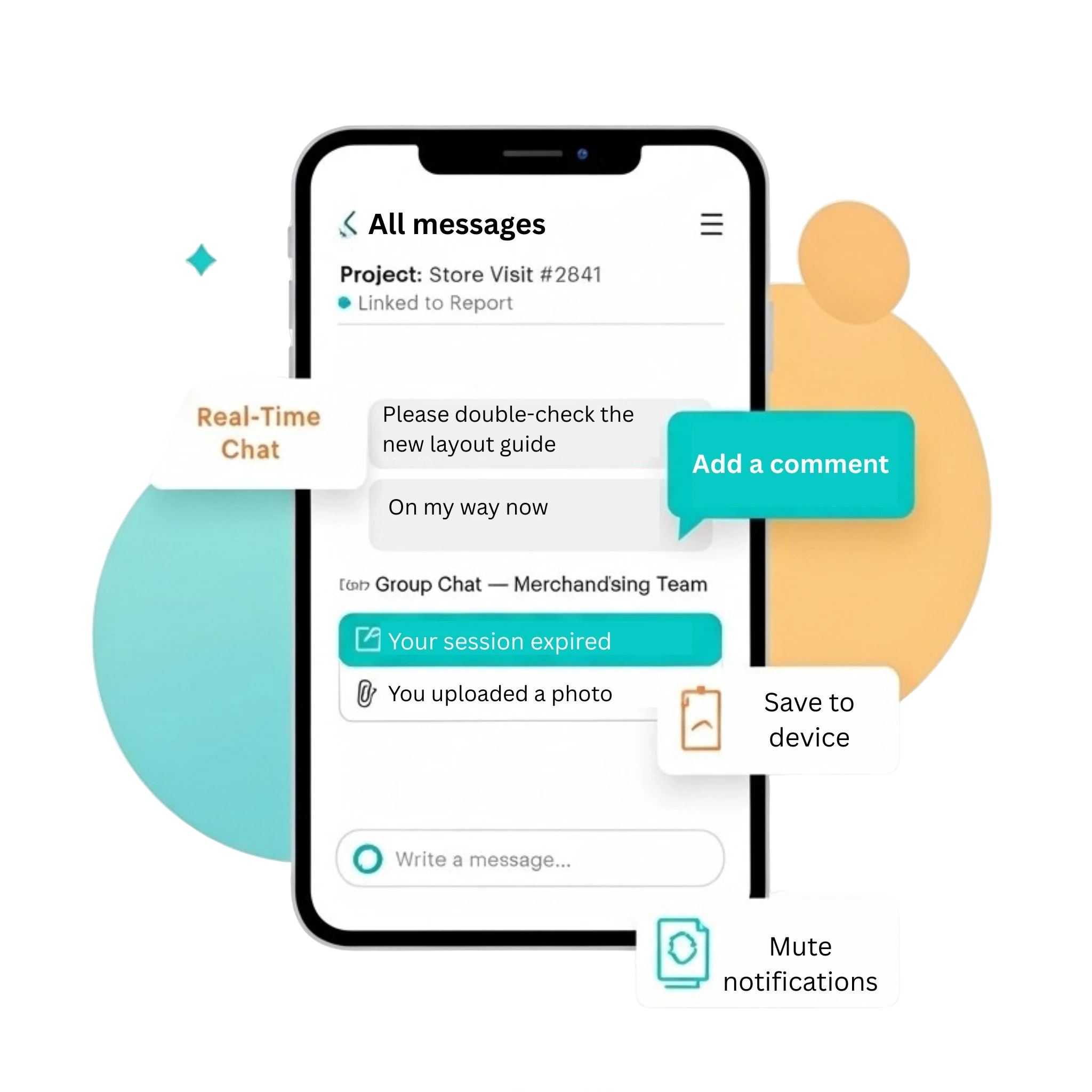
Keep communication seamless with email and SMS notifications. Send automated or live updates, reminders, and confirmations to clients and field teams. Improve engagement, cut no-shows, and keep everyone aligned with clear, professional messaging.
Online Booking
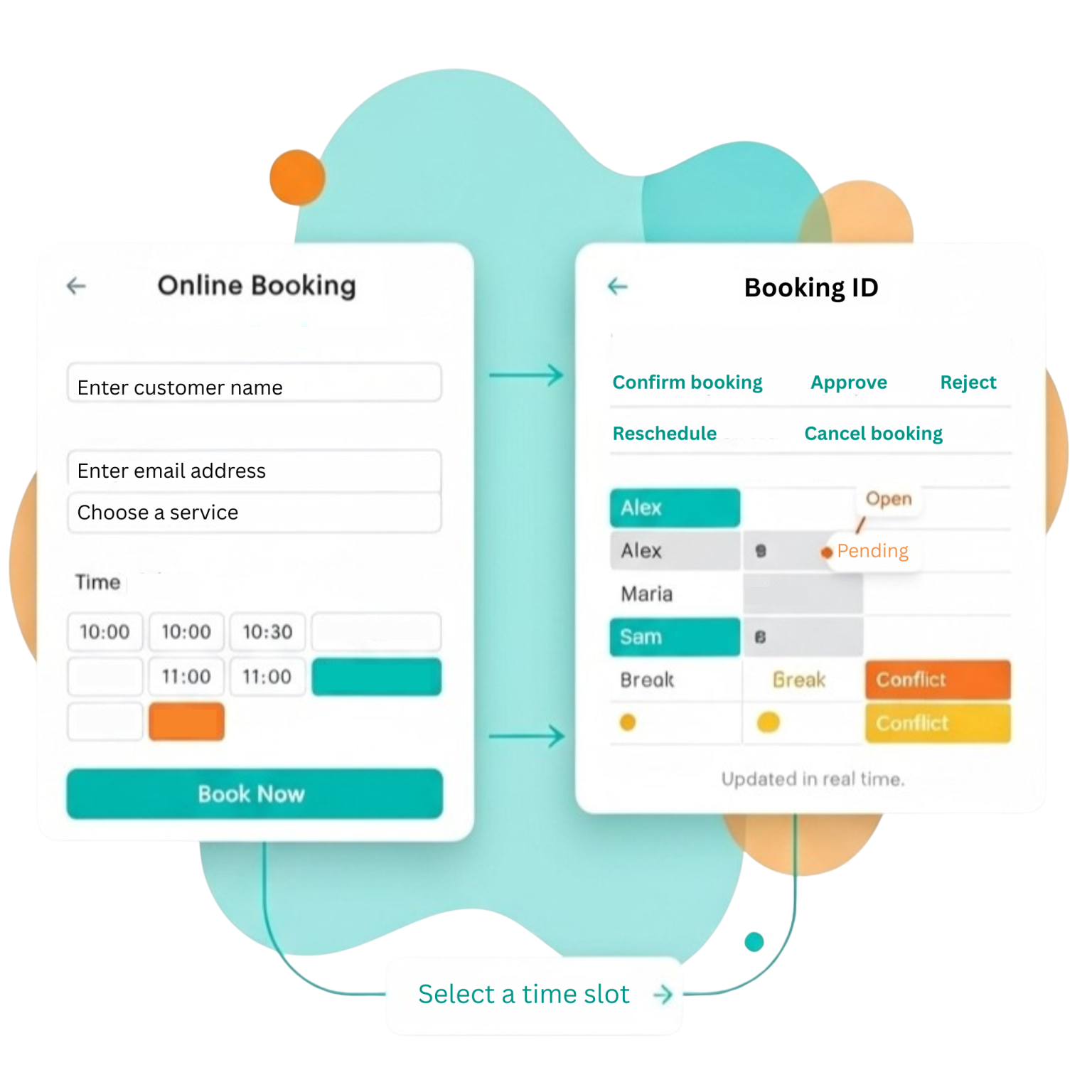
Simplify scheduling by enabling clients to book services online anytime. Appointments requested via your website or app are instantly synced with team calendars and routes, reducing scheduling conflicts and improving operational efficiency. Give customers a fast, convenient booking experience that drives more conversions.
Customer Portal
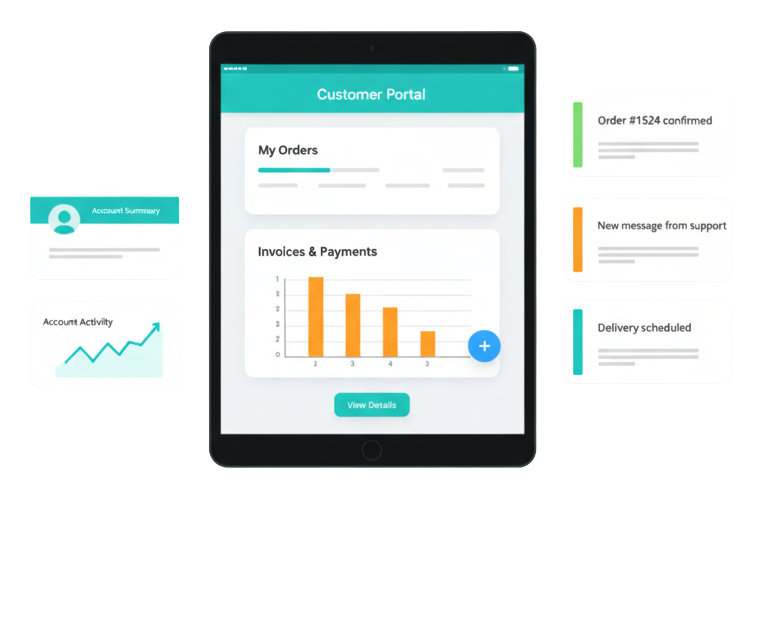
Empower clients with a secure, self-service portal that keeps them fully informed. Customers can request jobs, approve quotes, view upcoming schedules, and make payments online. This transparency improves trust, enhances the customer experience, and reduces administrative workload for your team.
Client Management (CRM)
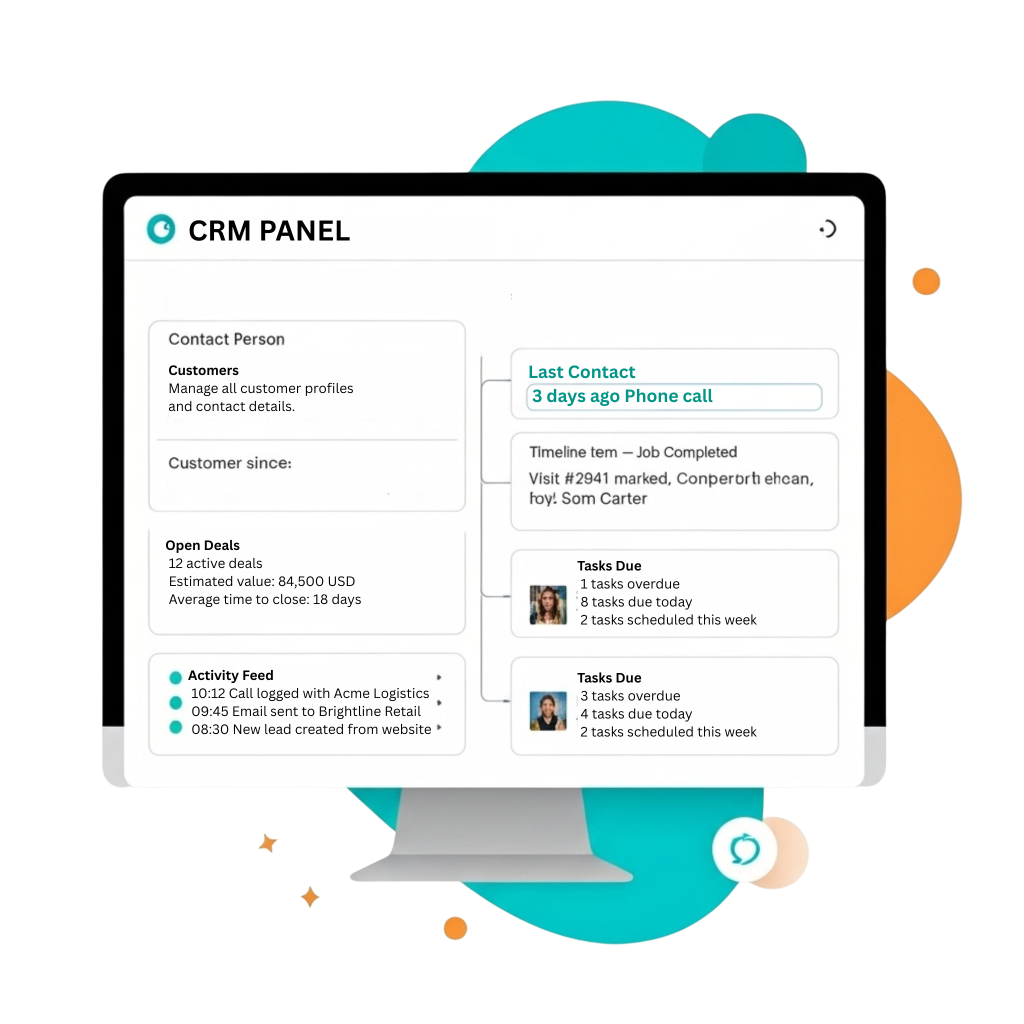
Easily turn opportunities into real business with FieldPie’s CRM. Keep all customer information in one place—contact details, full job history, quotes, and account balances due or overdue. Your team gets complete visibility for faster follow-ups, accurate billing, and stronger customer relationships.
Email & Text Notifications
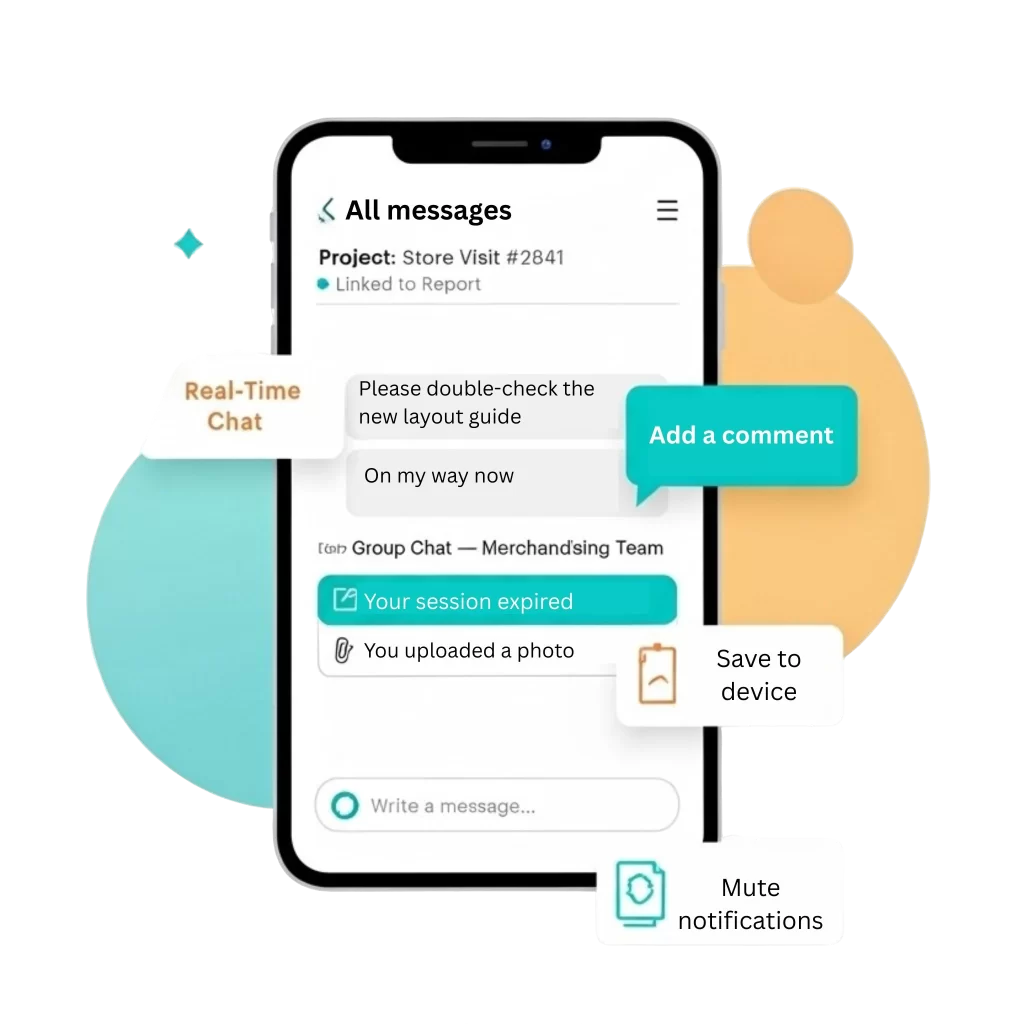
Keep communication seamless with email and SMS notifications. Send automated or live updates, reminders, and confirmations to clients and field teams. Improve engagement, cut no-shows, and keep everyone aligned with clear, professional messaging.
Online Booking
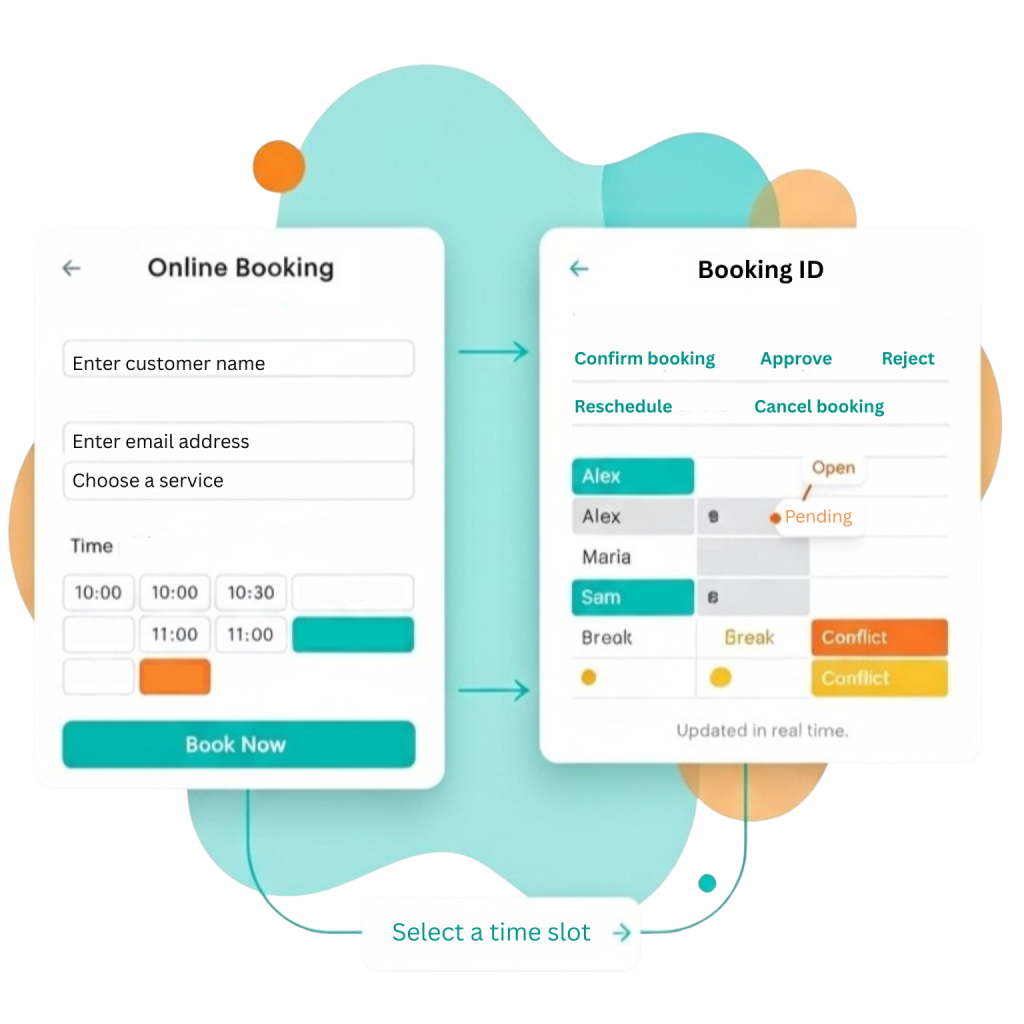
Simplify scheduling by enabling clients to book services online anytime. Appointments requested via your website or app are instantly synced with team calendars and routes, reducing scheduling conflicts and improving operational efficiency. Give customers a fast, convenient booking experience that drives more conversions.
Customer Portal
Empower clients with a secure, self-service portal that keeps them fully informed. Customers can request jobs, approve quotes, view upcoming schedules, and make payments online. This transparency improves trust, enhances the customer experience, and reduces administrative workload for your team.
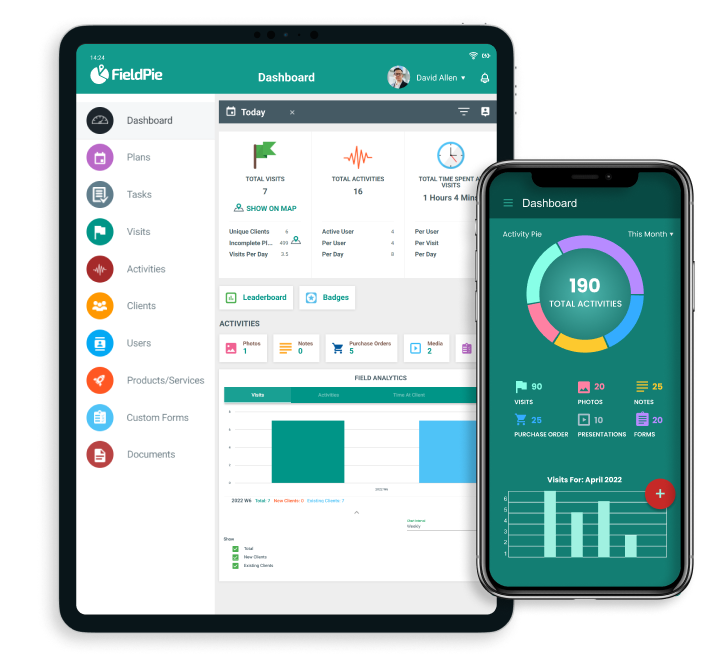
Real-Time Reporting & Data Analysis
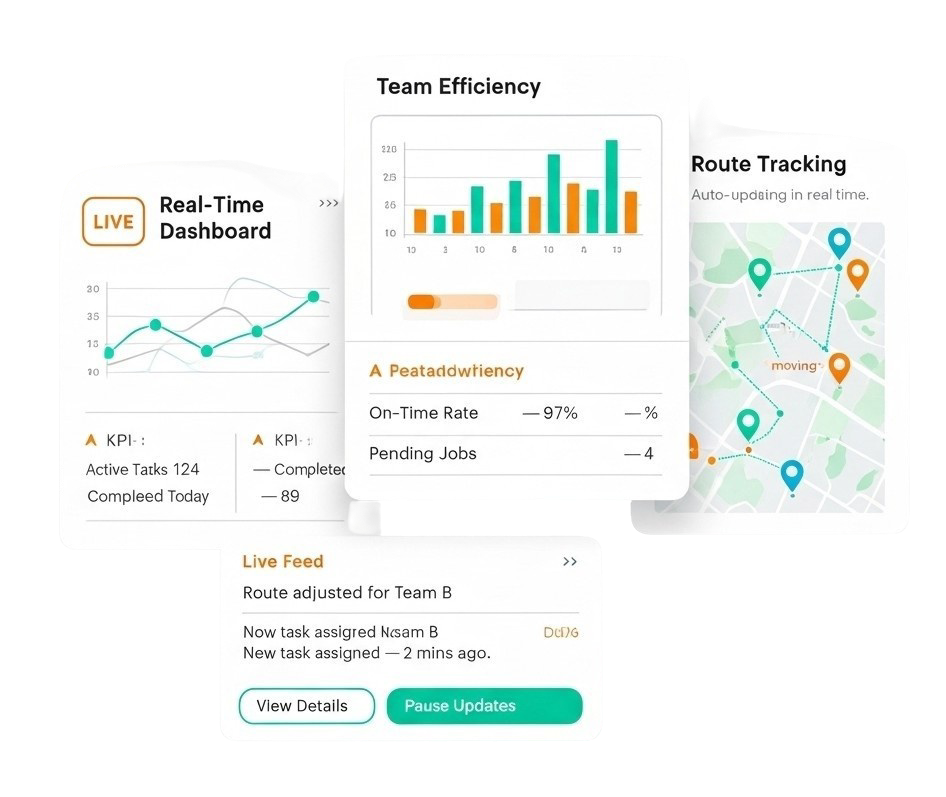
Gain instant visibility with real-time reporting and live dashboards tailored to your business. Track key metrics, monitor jobs, and make data-driven decisions on the spot.
Dashboards are fully customizable by role and display insights in multiple formats — charts, graphs, or tables. No external BI tools needed — FieldPie delivers transparent, actionable insights in one platform.
GPS Tracking
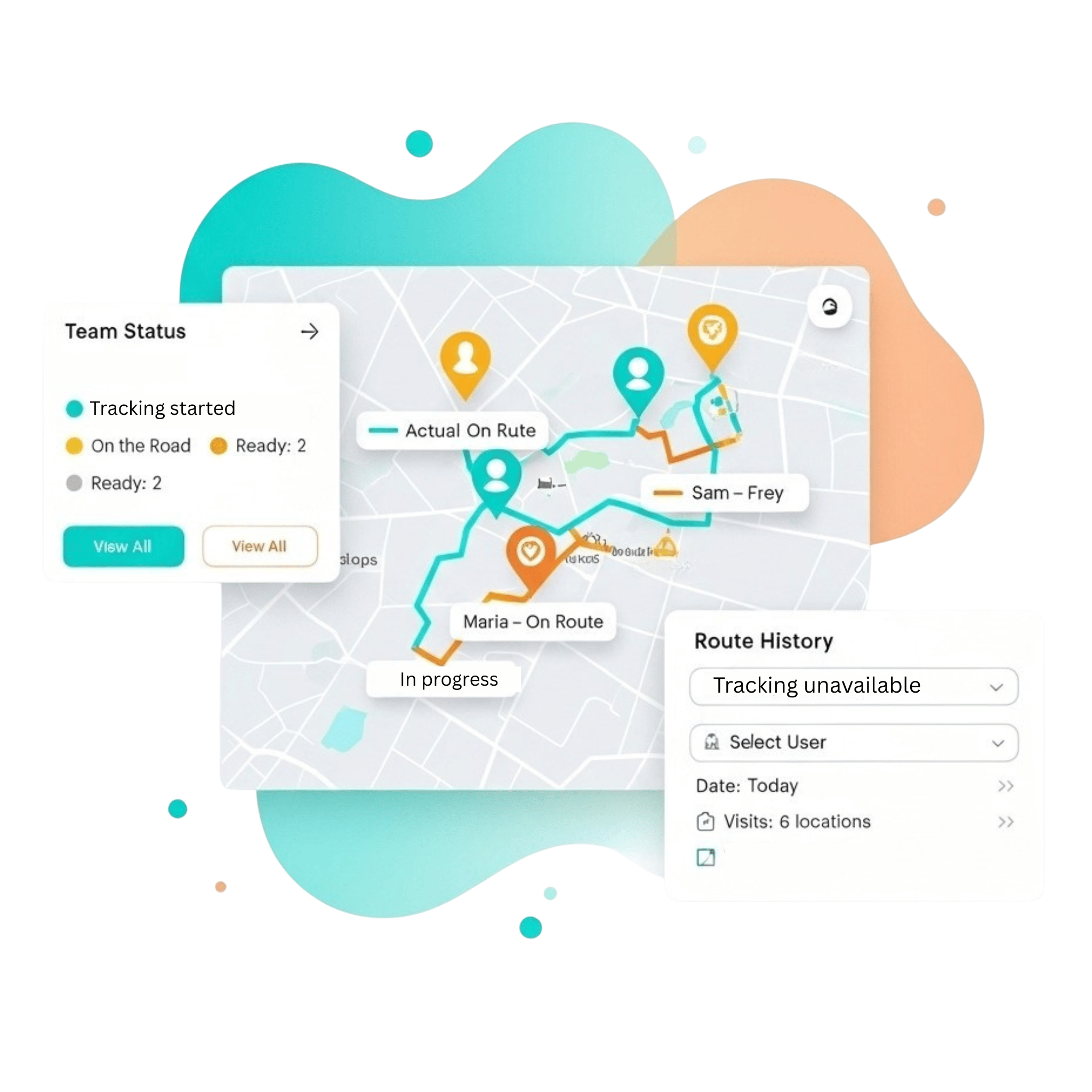
Optimize field operations with real-time GPS tracking and AI-powered route planning. Monitor your team’s live locations, visiting hours, and travel routes to improve efficiency and reduce costs. Daily routes are automatically optimized, giving you clear visibility on maps, faster dispatching, and smoother operations across the field.
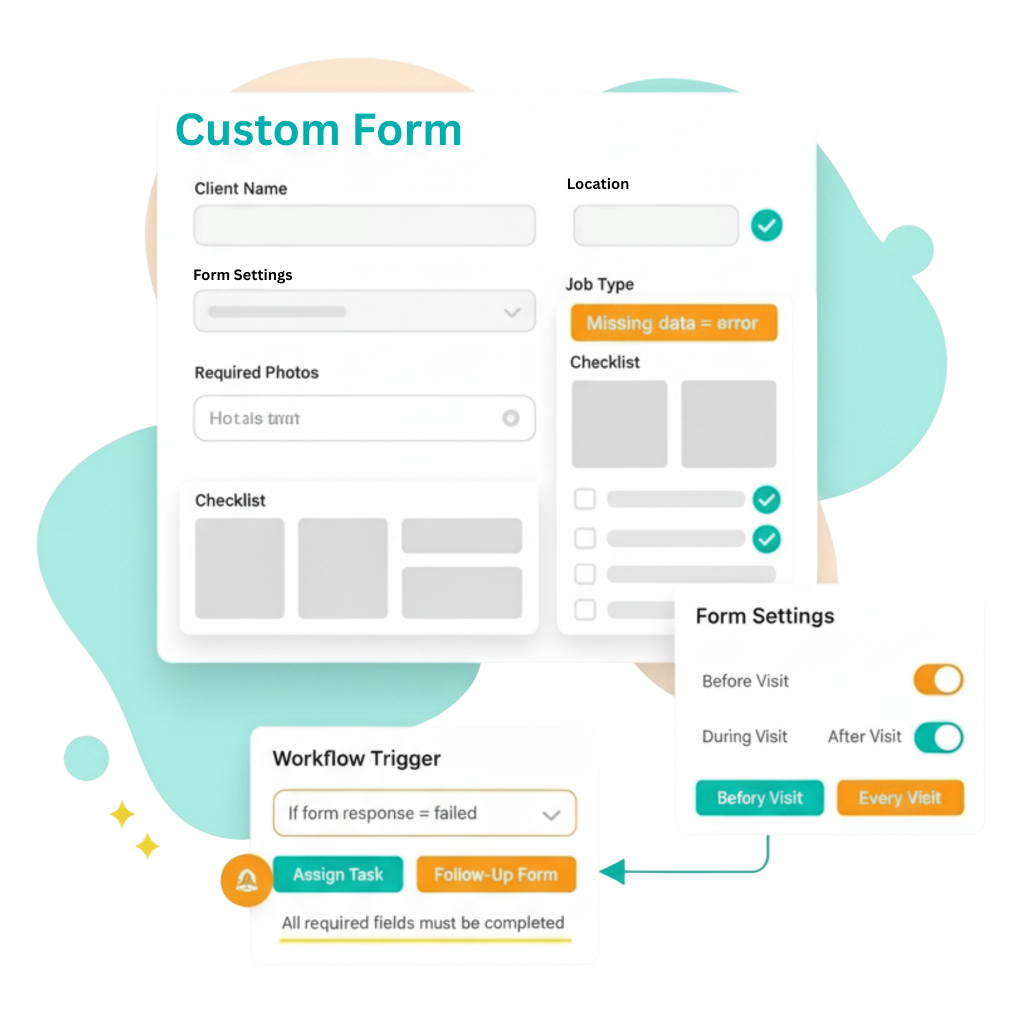
Custom Forms
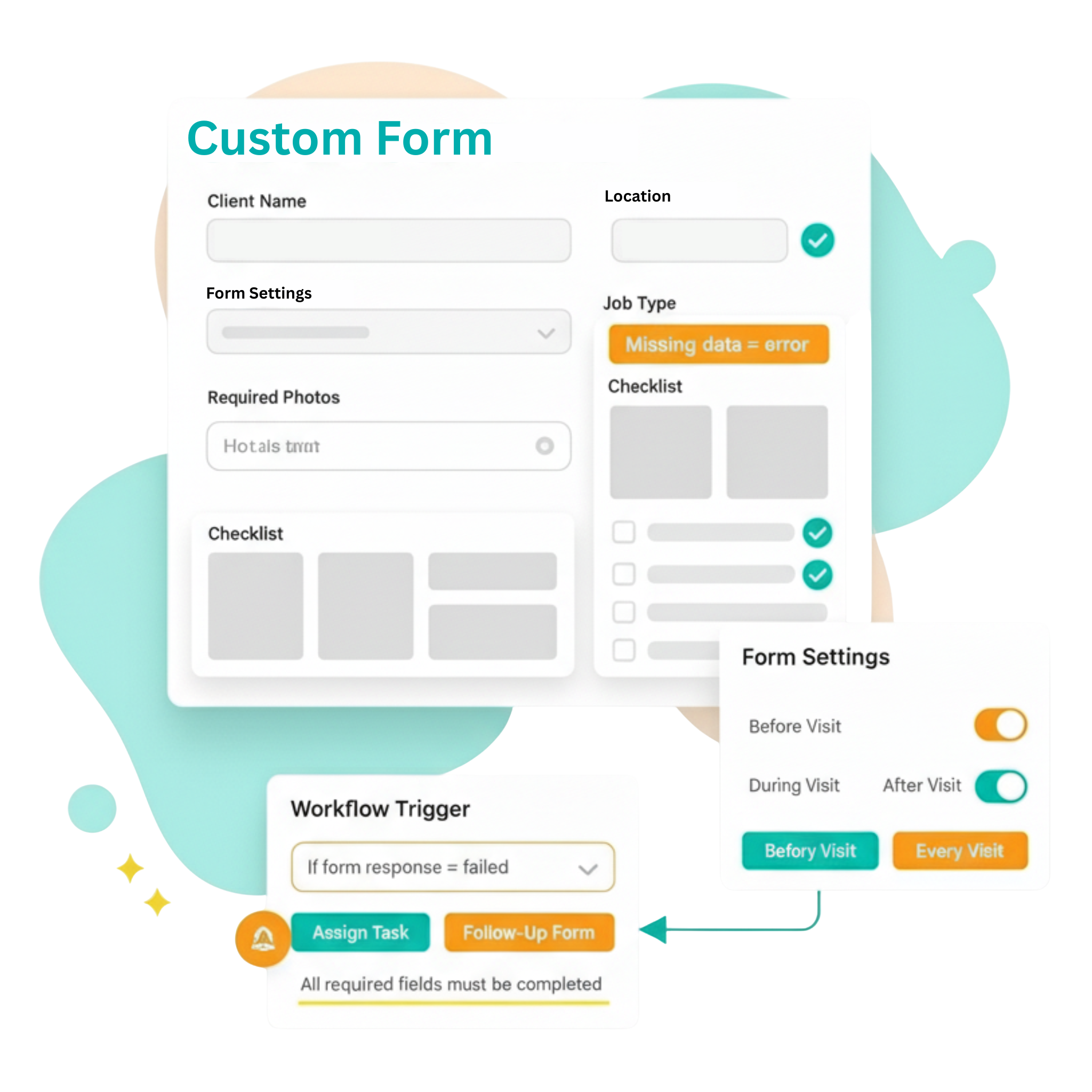
Collect any field data — quickly and accurately. With FieldPie, create and publish mobile forms in seconds, no coding required. Capture notes, photos, signatures, or key metrics in real time.
Automate next steps with smart workflows and alerts triggered by form results. Send notifications, assign tasks, and approve actions — all in one connected platform.
Data Import & Export
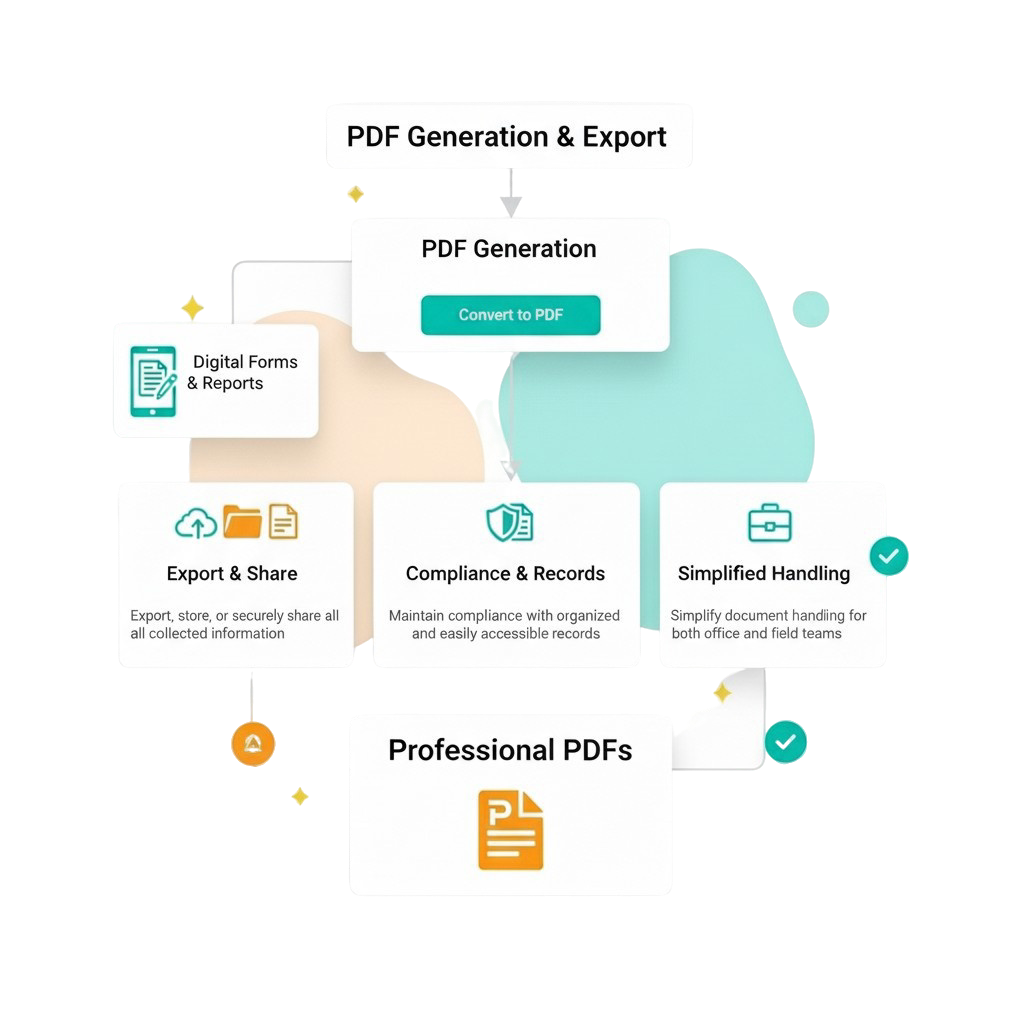
Manage data seamlessly with FieldPie’s powerful import and export capabilities. Transfer thousands of records — from schedules and client information to product or service details — in just seconds. No more manual, one-by-one updates. FieldPie makes large-scale data migration and integration fast, accurate, and completely hassle-free.
Real-Time Reporting & Data Analysis
Gain instant visibility with real-time reporting and live dashboards tailored to your business. Track key metrics, monitor jobs, and make data-driven decisions on the spot.
Dashboards are fully customizable by role and display insights in multiple formats — charts, graphs, or tables. No external BI tools needed — FieldPie delivers transparent, actionable insights in one platform.
GPS Tracking
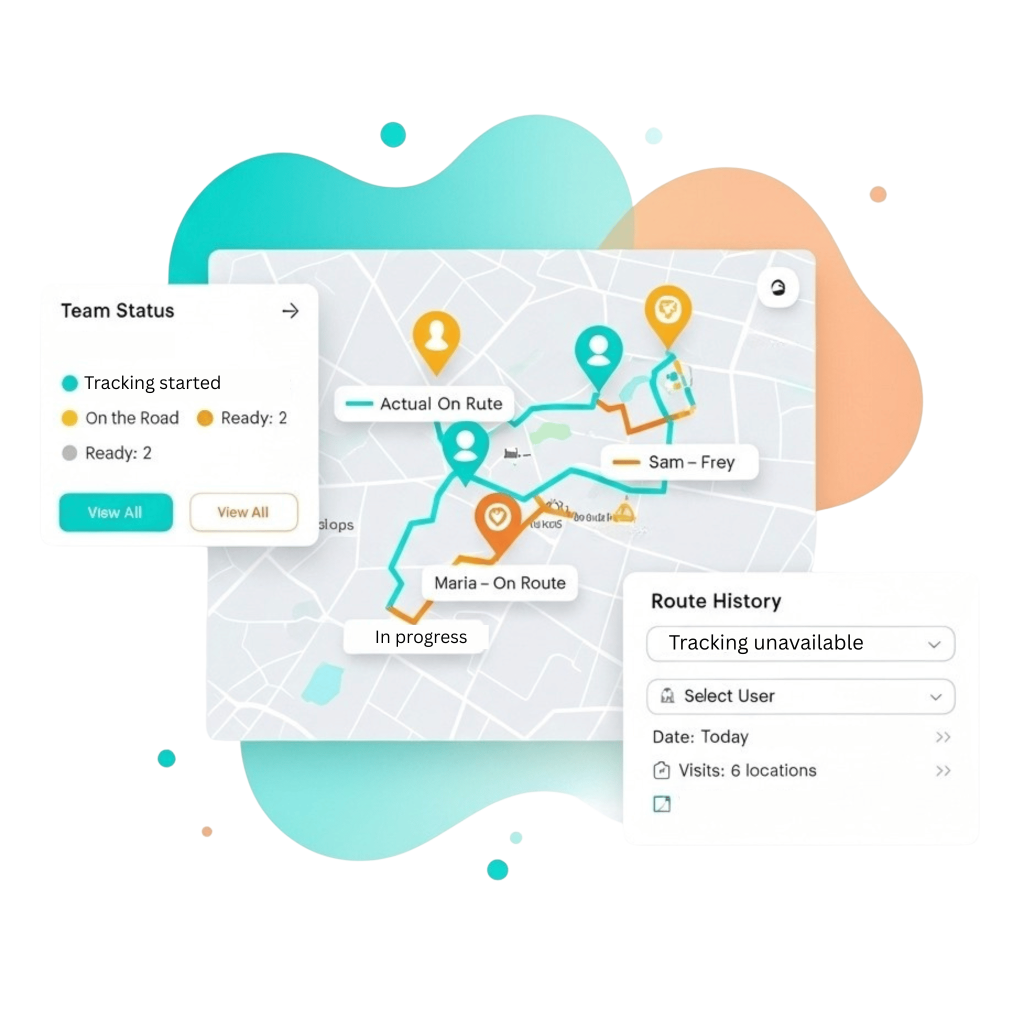
Optimize field operations with real-time GPS tracking and AI-powered route planning. Monitor your team’s live locations, visiting hours, and travel routes to improve efficiency and reduce costs. Daily routes are automatically optimized, giving you clear visibility on maps, faster dispatching, and smoother operations across the field.
Custom Forms
Collect any field data — quickly and accurately. With FieldPie, create and publish mobile forms in seconds, no coding required. Capture notes, photos, signatures, or key metrics in real time.
Automate next steps with smart workflows and alerts triggered by form results. Send notifications, assign tasks, and approve actions — all in one connected platform.
Data Import & Export
Manage data seamlessly with FieldPie’s powerful import and export capabilities. Transfer thousands of records — from schedules and client information to product or service details — in just seconds. No more manual, one-by-one updates. FieldPie makes large-scale data migration and integration fast, accurate, and completely hassle-free.



4.5

4.3
The AI Behind Effortless Service
Delivering great service isn’t about luck — it’s about intelligent planning. FieldPie’s AI helps teams plan smarter, move faster, and deliver consistent service by automating scheduling, routing, and quality control across every job.
- AI Planning & Smart AssignmentFieldPie uses AI to plan and assign jobs based on location, workload, job type, and urgency. The right technician is sent to the right job at the right time — reducing delays, preventing overload, and keeping daily operations balanced.
- Optimized Routes & Balanced WorkloadsAI route optimization minimizes drive time and idle gaps between jobs. FieldPie balances workloads across regions and teams, helping technicians complete more jobs per day while keeping operations efficient and fair.
- AI Image Recognition & Quality AssuranceVerify work automatically with AI-powered image recognition. Photos captured on-site are reviewed to confirm completion, detect missed steps, and flag potential issues — triggering follow-ups when needed and ensuring consistent service quality without manual checks.
- Real-Time GPS Tracking & ReportingTrack every visit, route, and technician location on a live map. As jobs progress, photos, notes, and used materials sync instantly into clean, shareable summaries — giving you real-time visibility and full operational control.
Stay Ahead
Make sure your products are always in the right place. Be on top of your competition so you never miss a sale. Learn what your competitors are doing and plan your space to get the best spots. Win where it matters most: on the shelf.
FieldPie Integrates With





AI-Driven Tools That Scale Your Business

Create jobs in seconds, place them on the schedule, and assign them to the right technician with ease.

One app for job details, notes, checklists, photos, and signatures — all accessible online or offline.

Instant Quotes, Invoices & Payments
Create professional quotes on the spot, turn them into jobs, and send invoices instantly.

Give customers a self-service portal to approve quotes, track jobs, pay invoices, and view their service history.

See your unpaid invoices, job completion rates, and technician performance—all in one dashboard.

Live visibility into every job and team. Track progress instantly with real-time updates, photos, and notes.
What Our Clients Say About FieldPie
We used to struggle with keeping our daily visits organized. Last minute requests often threw the entire schedule off. After switching to this platform our team finally works in a steady rhythm. Jobs are assigned quickly and the day runs much smoother. Our customers notice the difference.


Ethan Reynolds
Service Operations Supervisor, BluePeak Home Services
Before this system we spent too much time manually juggling appointments and trying to keep track of where everyone was. Now we have clear visibility throughout the day and adjustments are easy. Our response times improved almost immediately and the team feels less stressed.
Melissa Harper
Field Team Coordinator, BrightHome Solutions
Our crew often lost valuable time driving back and forth with no structure. The smart routing has made a real difference. We can fit in more visits without feeling rushed and our customer satisfaction scores have improved since jobs are completed faster.
Daniel Pierce
Operations Lead, ClearPath Residential Services
Managing multiple technicians with different skill levels was always chaotic. The platform helps match the right person to the right job and that has reduced errors on site. We spend less time reorganizing the day and more time focusing on service quality.
Olivia Bennett
Scheduling Manager, PrimeCare Home Support
Before adopting this solution tracking job progress felt like guesswork. Now we can see updates as they happen. It helps us communicate better with customers and gives us the confidence that nothing is slipping through the cracks.
Jacob Miles
Service Manager, TrustPoint Home Services
The biggest improvement for us was how quickly we can handle unexpected changes. A cancellation or emergency request no longer throws off half the team. The system rearranges routes quickly and our technicians stay on track.
Emily Foster
Field Operations Coordinator, HomeGuard Service Group
We used to rely on spreadsheets and constant phone calls to manage daily work. It was exhausting and slow. Now everything syncs automatically and our team gets updates instantly. The difference in efficiency has been noticeable.
Andrew Collins
Customer Operations Manager, SafeNest Home Care Services
Our technicians used to return late most days because of poor route planning. With automated scheduling they are completing jobs earlier and getting home on time. We have also reduced fuel costs thanks to smarter routes.
Natalie Brooks
Dispatch Manager, LightHouse Home Services
It was always challenging to keep track of follow ups and status updates. The new system organizes everything for us. We can see upcoming visits, completed tasks, and pending work clearly. It has helped us serve customers more consistently.
Logan Mitchell
Service Coordinator, CleanEdge Residential Services
Our team gained so much clarity once we started using real time updates. Instead of calling around for information we can see exactly who is where and what has been completed. It has eliminated a lot of confusion we faced before.
Hannah Scott
Operations Supervisor, PeakHome Service Team







Award-winning FieldPie Built For You
Trusted for innovation and renowned ease of use in field service management.


Latest Blog
Explore our latest tips