


Maintaining robust health and safety in retail stores is not merely a legal obligation; it’s a fundamental aspect of operational excellence, employee well-being, and customer satisfaction. Retail environments, with their dynamic foot traffic, merchandise handling, and varied equipment, present a unique set of challenges that demand proactive and systematic safety management. This comprehensive guide outlines the critical importance of a safety-first approach and details the ten essential pillars for building an effective health and safety program in any retail setting.
The Critical Importance of Health and Safety in Retail
A strong commitment to health and safety in retail stores underpins business success, impacting everything from regulatory compliance to financial performance and brand reputation.
Legal Compliance and Employer Responsibilities
Retail businesses are subject to a myriad of federal, state, and local regulations designed to protect employees and the public. In the United States, the Occupational Safety and Health Administration (OSHA) sets standards for workplace safety across various industries, including retail. Non-compliance can lead to significant fines, legal action, and mandatory corrective measures. Employers have a legal and ethical duty to provide a safe working environment, which includes identifying and mitigating hazards, providing proper training, and ensuring adherence to safety protocols. A well-documented field service management software can be instrumental in managing these compliance tasks digitally.
Protecting Employees and Customers: A Moral and Business Imperative
Beyond legal requirements, the moral imperative to protect staff and customers is paramount. Employees are a company’s most valuable asset, and their safety directly impacts morale, productivity, and retention. A safe workplace fosters trust and dedication. Similarly, customers expect a secure shopping environment. Incidents involving customer injury can severely damage a brand’s reputation and lead to lost business. Investing in health and safety in retail stores is a direct investment in the people who drive your business.
Mitigating Financial Losses and Reputational Damage
Workplace accidents and safety incidents carry substantial financial implications. These can include:
- Direct Costs: Medical expenses, workers’ compensation premiums, property damage, legal fees.
- Indirect Costs: Lost productivity, disruption to operations, increased administrative burden, hiring and training replacement staff, and potential reputational damage.
According to a study reported by Forbes, workplace injuries can cost businesses billions annually, underscoring the financial prudence of proactive safety measures. A strong safety record, conversely, enhances a brand’s image and builds trust with consumers and employees alike.
Common Health and Safety Hazards in Retail Environments
Retail stores are bustling environments where various hazards can emerge. Understanding these common risks is the first step toward effective mitigation strategies for health and safety in retail stores.
Slips, Trips, and Falls: The Most Frequent Retail Accidents
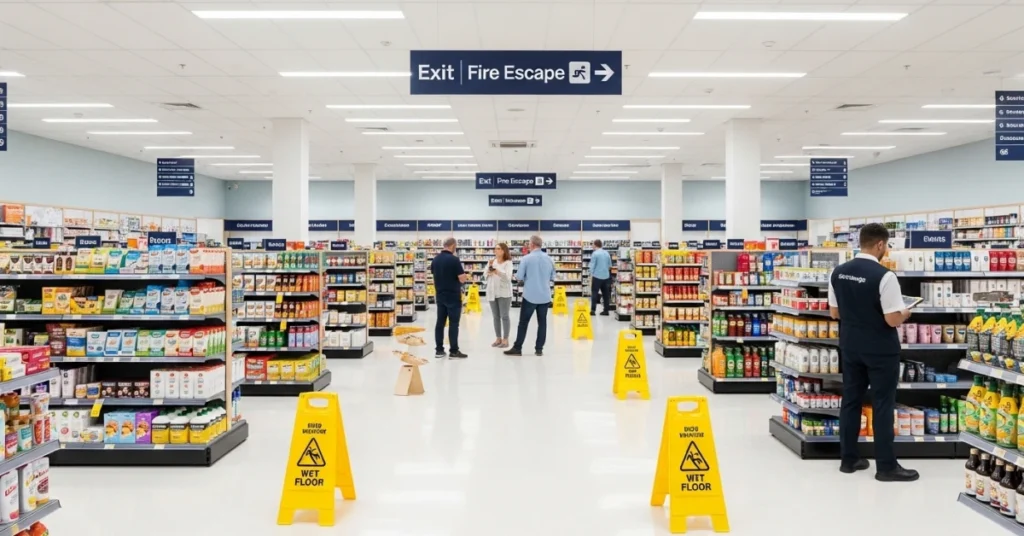
These incidents account for a significant percentage of retail injuries for both employees and customers. Common causes include wet floors, cluttered aisles, uneven surfaces, poor lighting, and loose mats or cords.
Manual Handling and Lifting: Preventing Musculoskeletal Injuries
Retail employees frequently engage in lifting, carrying, pushing, and pulling merchandise. Improper techniques or lifting overly heavy items can lead to strains, sprains, and long-term musculoskeletal disorders.
Fire Safety Risks: Prevention and Emergency Preparedness
Potential fire hazards include electrical faults, combustible materials (packaging, displays), overloaded circuits, and improper storage. Robust prevention and emergency response plans are essential.
Electrical Hazards: Ensuring Equipment and Wiring Integrity
Faulty wiring, damaged equipment, improper use of extension cords, and inadequate maintenance of electrical appliances pose risks of electric shock and fire.
Workplace Violence and Aggression: Protecting Staff and Patrons
Retail environments can unfortunately be susceptible to workplace violence, including robberies, assaults, and aggressive customer behavior. Protecting staff and patrons requires preparedness and response strategies.
Chemical Exposure: Safe Handling of Cleaning Products and Hazardous Materials
Many retail operations use cleaning agents, solvents, and other chemicals that, if improperly stored or handled, can cause skin irritation, respiratory issues, or other health problems.
Here’s a summary of common retail hazards:
| Hazard Category | Common Causes | Potential Impact |
|---|---|---|
| Slips, Trips, Falls | Wet floors, clutter, uneven surfaces, poor lighting | Sprains, fractures, head injuries, lost time |
| Manual Handling Injuries | Improper lifting, heavy loads, repetitive tasks | Back pain, sprains, strains, musculoskeletal disorders |
| Fire Risks | Electrical faults, combustible materials | Property damage, severe injury, fatality, business closure |
| Electrical Hazards | Faulty wiring, damaged equipment, overloaded circuits | Electric shock, burns, fire, equipment failure |
| Workplace Violence | Robbery, aggressive customers, disputes | Physical injury, psychological trauma, reputational damage |
| Chemical Exposure | Improper storage/handling of cleaning agents | Skin irritation, respiratory issues, poisoning |
Building a Robust Retail Safety Program: Foundational Steps
Effective health and safety in retail stores starts with a structured and comprehensive safety program.
Conducting Comprehensive Risk Assessments and Hazard Identification
Regularly identifying potential hazards and assessing their risks is crucial. This involves systematically reviewing all store operations, equipment, procedures, and physical spaces to pinpoint dangers and evaluate the likelihood and severity of potential harm. This iterative process should involve employees who are on the front lines.
Developing Clear Safety Policies, Procedures, and Employee Handbooks
Once risks are identified, clear policies and procedures must be established. These should detail safe work practices for all tasks, emergency protocols, reporting procedures for incidents, and responsibilities for maintaining safety. An accessible employee handbook ensures everyone understands their role in maintaining health and safety in retail stores.
Implementing Regular Employee Training and Awareness Programs
Knowledgeable employees are safe employees. Comprehensive training should cover general safety principles, specific hazard recognition (e.g., proper lifting techniques, spill response), emergency procedures, and the use of personal protective equipment (PPE). Regular refreshers and awareness campaigns reinforce a safety-first culture. FieldPie’s digital platforms can streamline the deployment and tracking of such training modules, ensuring compliance and effectiveness across distributed teams.
The 10 Essential Health and Safety Pillars for Retail Stores
To truly master health and safety in retail stores, businesses should focus on these ten critical pillars:
Pillar 1: Proactive Housekeeping and Spill Management
Maintaining a clean, organized, and hazard-free environment is foundational. This includes:
- Regular cleaning schedules: Ensuring floors are free of debris, dust, and potential slip hazards.
- Immediate spill cleanup protocols: Training staff to quickly and safely address spills using appropriate signage and materials.
- Clear aisles and walkways: Preventing obstructions that could lead to trips and falls.
- Proper waste disposal: Regular emptying of bins and safe disposal of hazardous waste.
Pillar 2: Ergonomic Practices for Manual Handling
Minimizing musculoskeletal injuries requires conscious effort in how tasks are performed. This involves:
- Training on proper lifting techniques: Emphasizing bending knees, keeping loads close to the body, and using leg muscles.
- Utilizing material handling equipment: Providing dollies, hand trucks, or pallet jacks for heavy or bulky items.
- Weight limits and team lifting policies: Establishing maximum individual lifting weights and requiring assistance for heavier loads.
Pillar 3: Comprehensive Fire Safety Protocols
Prevention and rapid response are key to mitigating fire risks. This includes:
- Regular inspection and maintenance of fire detection systems: Ensuring smoke detectors and alarms are functional.
- Clear and unobstructed emergency exits: Ensuring paths are always clear and well-marked.
- Employee training on fire extinguisher use: Providing hands-on training for staff.
- Proper storage of flammable materials: Separating combustibles and storing them in designated, safe areas.
Pillar 4: Electrical Safety and Equipment Maintenance
Preventing electrical hazards requires diligence and professional oversight. Key actions include:
- Regular inspection of electrical cords and equipment: Checking for fraying, damage, or exposed wires.
- Avoiding overloaded circuits: Using power strips with surge protectors and understanding load limits.
- Professional maintenance of electrical systems: Scheduling routine checks by qualified electricians.
Pillar 5: Workplace Violence Prevention and Response
Creating a secure environment for everyone involves proactive measures. This encompasses:
- Employee training on de-escalation techniques: Equipping staff to handle aggressive situations calmly.
- Secure cash handling procedures: Minimizing cash on premises and implementing safe deposit practices.
- Emergency contact protocols: Establishing clear communication channels for reporting threats or incidents.
- Security measures: Installing surveillance cameras, alarm systems, and potentially security personnel.
Pillar 6: Chemical Safety and Hazardous Material Handling
When chemicals are present, strict adherence to safety guidelines is essential. This means:
- Proper labeling and storage of all chemicals: Ensuring containers are clearly marked and stored in designated, secure areas.
- Availability of Safety Data Sheets (SDS): Providing easy access to information on chemical properties, hazards, and safe handling.
- Use of Personal Protective Equipment (PPE): Mandating gloves, eye protection, or respirators when handling specific chemicals.
Pillar 7: Emergency Preparedness and Evacuation Plans
No retail store is immune to emergencies. Having clear plans in place is vital for health and safety in retail stores. This requires:
- Clearly marked evacuation routes and assembly points: Ensuring everyone knows where to go in an emergency.
- Regular emergency drills: Practicing evacuations and other emergency procedures.
- First aid stations and trained personnel: Ensuring access to immediate medical assistance.
- Communication systems: Establishing methods to alert staff and customers during an emergency.
Pillar 8: Regular Inspection Management and Audits
Continuous monitoring ensures that safety standards are upheld. Digital tools like FieldPie facilitate inspection management through:
- Scheduled safety inspections: Regularly checking facilities, equipment, and processes for compliance.
- Digital checklists: Replacing paper forms with mobile-friendly checklists for consistency and accuracy.
- Actionable reporting: Generating reports that identify deficiencies and track corrective actions.
- Audit trails: Maintaining comprehensive records of all inspections and safety-related activities.
Pillar 9: Technology Adoption for Safety Monitoring
Leveraging modern technology enhances safety programs significantly. FieldPie, a field service management software, allows businesses to:
- Digitally manage mobile teams: Oversee staff performing safety checks, maintenance, and compliance tasks across multiple locations.
- Eliminate paper forms: Streamline incident reporting, safety audits, and risk assessments.
- Work offline: Enable safety checks and reporting even in areas without internet connectivity.
- Fast setup: Go live with critical safety workflows in as little as one day.
Pillar 10: Cultivating a Safety-First Culture
Ultimately, health and safety in retail stores is a shared responsibility. This culture is fostered by:
- Leadership commitment: Demonstrating that safety is a top priority from management down.
- Employee involvement: Encouraging staff to report hazards, suggest improvements, and participate in safety committees.
- Recognition and reinforcement: Acknowledging safe behaviors and addressing unsafe practices promptly.
By implementing these ten pillars, retail businesses can establish a robust safety framework that protects people, reduces risks, and supports long-term success.
Request a free demo → fieldpie.com/demo