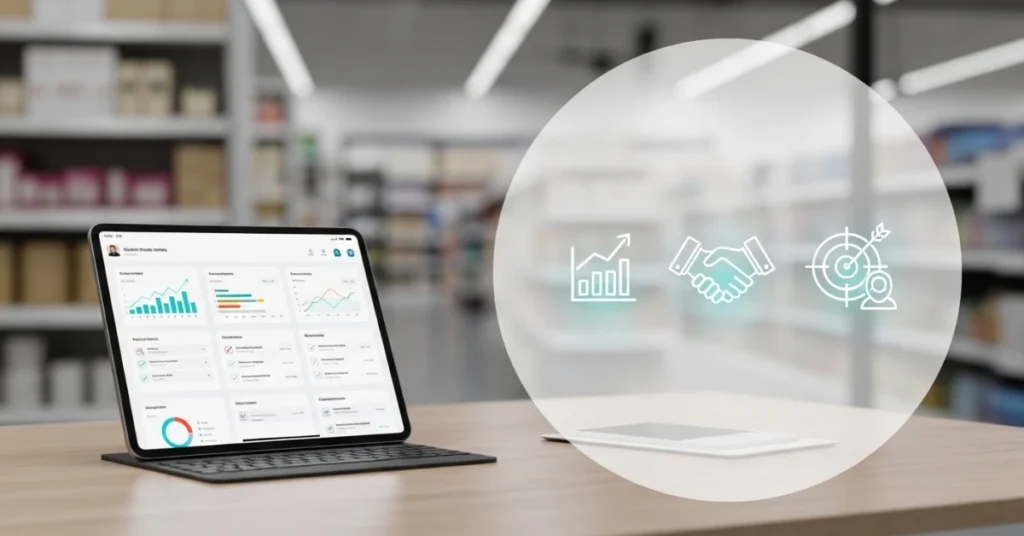




The biggest HVAC marketing mistake isn’t weak ads or limited budgets—it’s marketing without knowing who actually needs your services. As the HVAC industry is projected to reach $367.5 billion by 2030, competition for attention and trust is intensifying. Contractors who understand customer intent don’t just spend on ads; they turn marketing into predictable, profitable lead generation.
The 3 HVAC Buyer Personas That Drive Most Calls
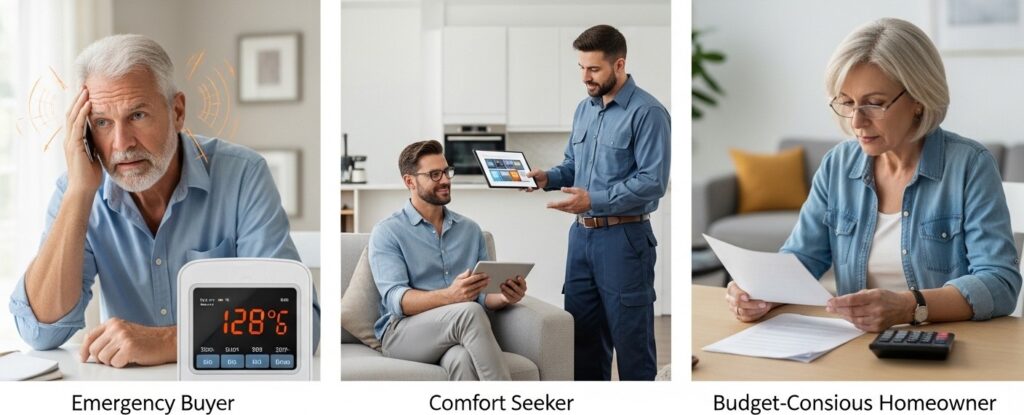
Most residential HVAC demand comes from three core customer types. Identifying these personas allows you to align messaging with real motivations instead of generic promotions.
Emergency Buyer
Contacts you during system failure, often in extreme weather.
- Prioritizes speed over price
- Needs immediate service
- Makes fast decisions
Messaging focus: Fast response, 24/7 availability, immediate solutions.
Comfort Seeker
Upgrades systems before breakdowns occur.
- Research-driven and compares options
- Values energy efficiency and reliability
- Generates higher-value installations
- Strong long-term service potential
Messaging focus: Efficiency, performance, reliability, long-term comfort.
Budget-Conscious Homeowner
Seeks the most cost-effective solution.
- Requests multiple estimates
- Evaluates financing options
- Takes longer to decide
Messaging focus: Transparent pricing, affordability, flexible financing.
How to Allocate Your HVAC Marketing Budget Strategically
Many HVAC contractors either overspend on low-performing channels or underinvest entirely. The real challenge isn’t total spend—it’s strategic allocation.
Industry benchmarks show successful HVAC companies invest 5–10% of revenue into marketing, with digital channels delivering the strongest ROI.
The 70-20-10 Allocation Model
- 70% — Proven performers: Google Ads and HVAC SEO for consistent lead flow
- 20% — Growth channels: Social media and emerging platforms
- 10% — Testing: Experimentation to uncover future winners
This structure stabilizes lead generation while allowing continuous optimization.
Turn Your HVAC Website into a Lead Engine
Your website is often the first conversion point in your HVAC marketing strategy. It must load quickly, perform flawlessly on mobile, and guide visitors toward action.
High-performing HVAC websites include:
- Clear service descriptions
- Highly visible contact options (phone, form, chat)
- Authentic customer testimonials
Your homepage should instantly answer: What do you do, where do you serve, and why should customers choose you?
Websites with strong value propositions and multiple contact methods consistently generate more qualified HVAC leads than generic contractor sites.
Build Local Visibility with Google Business Profile
Your Google Business Profile is a critical driver of local HVAC marketing visibility and often determines whether customers call you or your competitor.
To optimize effectively:
- Complete every business field
- Add real photos from jobs and crews
- Actively collect and respond to customer reviews
According to 2025 HVAC Marketing Benchmarks, local search drives a significant share of HVAC lead generation.
Posting updates, promotions, and service announcements keeps your listing active and trusted.
Focus on Channels That Capture Real Demand
Not all HVAC advertising channels perform equally. Prioritize platforms where customers actively search for solutions.
- Social media → builds awareness and early consideration
- Search-based advertising → captures in-market, ready-to-buy demand
Direct mail remains effective in high-income neighborhoods, while social platforms enable precise homeowner targeting.
Capture High-Intent Leads with PPC
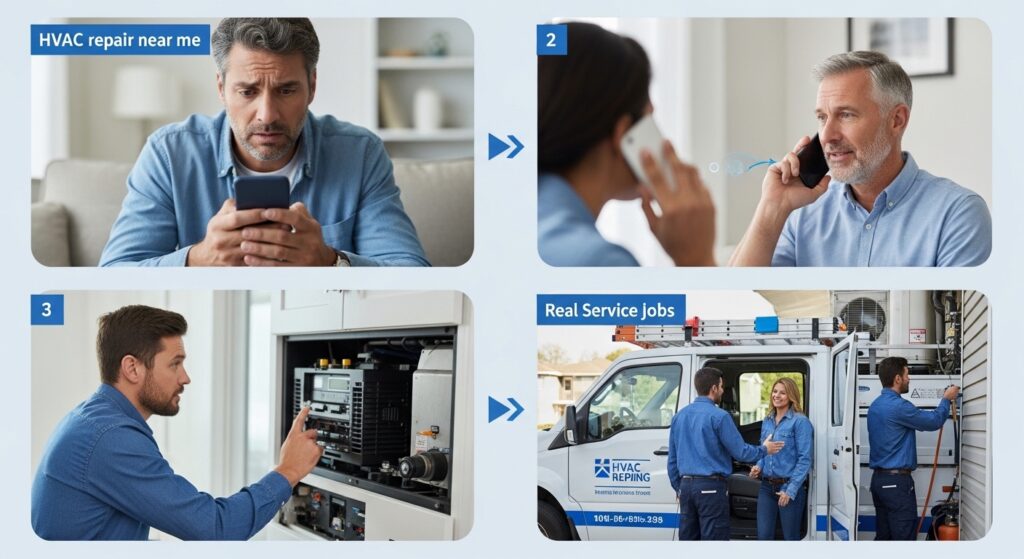
Pay-per-click advertising places your business in front of customers at the exact moment they need HVAC services.
- Google Local Services Ads: Pay per lead, high-trust placement
- Google Search Ads: Capture urgent, solution-driven searches
Well-optimized HVAC PPC campaigns typically achieve 3–5% conversion rates.
Accurate location targeting ensures every click represents a real potential customer within your service area.
Use Geofencing for Precision Local Targeting
Geofencing enables hyper-local advertising around specific locations.
Best practices include:
- Targeting competitor locations
- Focusing on high-value neighborhoods
- Activating weather-triggered campaigns
Location-based HVAC advertising performs best when paired with locally optimized landing pages.
Build Trust and Visibility with Video
Video content consistently outperforms static ads by visually demonstrating expertise.
Effective formats include:
- Before-and-after installations
- Maintenance and troubleshooting tips
- Real job demonstrations
Video campaigns typically generate around 30% higher engagement, positioning your business as the trusted local expert.
What Makes HVAC Ads Convert
High-performing HVAC ads focus on customer discomfort and urgency, not technical specifications.
Effective messaging:
- Emphasizes comfort, safety, and peace of mind
- Combines emotional triggers with practical solutions
- Reflects local authenticity and real community presence
Locally relevant messaging consistently drives higher conversion rates.
Align Advertising with Weather, Not the Calendar
HVAC demand is driven by discomfort—not traditional seasons.
- AC ads perform best during early heatwaves
- Heating ads peak after sustained cold drops
Counter-seasonal campaigns (AC in winter, furnace in summer) help stabilize workload and capture price-sensitive customers.
Use Humor Carefully in HVAC Advertising
Humor works when it builds relatability—not when it undermines trust.
Effective use:
- Everyday HVAC situations
- Light, seasonal humor
Avoid:
- Safety or emergency-related jokes
- Messaging that reduces professional credibility
In HVAC marketing, trust must always come first.
Trust Signals That Drive HVAC Calls
Homeowners validate HVAC contractors before contacting them.
High-impact trust signals include:
- Licensing and certifications
- Authentic customer testimonials
- Transparent pricing
- Emergency availability
Detailed local testimonials remain the strongest conversion driver.
Retention: The Most Profitable HVAC Growth Channel
Retention costs significantly less than acquisition. Research shows retaining customers costs 5× less than acquiring new ones.
High-impact retention strategies:
- Automated maintenance reminders
- Structured referral programs
- Post-service follow-ups
A simple three-touch follow-up sequence can increase repeat business by up to 40%.
Email Marketing: Long-Term Relationship Builder
Email remains one of the most cost-effective HVAC marketing channels.
Best practices include:
- Audience segmentation
- Automated sequences
- Value-driven content
A maintenance reminder sent 90 days after installation can generate meaningful callback revenue.
SMS Marketing: Immediate Action Channel
SMS delivers ~98% open rates and is ideal for time-sensitive communication.
Use SMS for:
- Appointment reminders
- Weather-triggered alerts
- Service notifications
Always obtain consent and keep messages concise.
Referral Programs: The Highest-Quality HVAC Leads
Referred customers deliver up to 3× higher lifetime value than paid leads.
An effective referral structure includes:
- $50–$100 service credit for referrers
- First-service discounts for new customers
Well-run programs can increase qualified leads by 15–20% within 90 days.
Build the Right HVAC Advertising Mix
Top-performing contractors focus on 3–4 core marketing channels instead of spreading budgets too thin.
Foundation:
- Google Ads → immediate HVAC lead generation
- SEO → long-term visibility and growth
Your ideal mix depends on:
- Budget
- Service area density
- Competitive landscape
Test systematically, track cost per lead, and adapt your HVAC marketing strategy to trends like energy efficiency and smart home adoption.
Conclusion
Effective HVAC marketing isn’t about using more channels—it’s about executing the right strategy with consistency, timing, and operational discipline. Contractors who understand customer intent and maintain strong execution consistently outperform those chasing short-term results.
FieldPie helps HVAC teams turn demand into structured field execution:
- Manage field teams and daily operations
- Standardize workflows and service processes
- Track job execution and team performance
- Improve visibility across locations
Book a FieldPie demo to see how structured field operations drive consistent, scalable growth.