




The average landscaper salary is $35,000–$45,000 annually, varying by location, specialization, and experience. Entry-level workers start around $22,000, while experienced professionals can exceed $55,000 per year.
Understanding how pay changes by income structure, geography, and skill level helps professionals plan long-term career and income growth in the landscaping industry.
Average Hourly vs Annual Landscaper Pay
Understanding the difference between hourly and annual landscaper salary structures helps workers choose the right employment path. According to ZipRecruiter, landscapers typically earn $15–22 per hour, which translates to $31,200–45,760 annually for full-time work.
Hourly vs Annual Pay Comparison
| Pay Type | Key Advantages | Key Considerations |
|---|---|---|
| Hourly Pay ($15–22/hour) | Flexible schedule Overtime and time-and-a-half earning potential Higher income opportunities during peak seasons | Fewer working hours during winter in northern regions Income may fluctuate seasonally |
| Annual Salary ($31,200–45,760/year) | Stable year-round income Often includes benefits packages (insurance, etc.) Total compensation may exceed base salary | May require longer hours during busy seasons without extra pay |
Key Insight
- Choosing between hourly and salaried pay directly affects earning potential.
- Income structure varies significantly by state, region, and seasonal workload.
Landscaper Salary by State
Geographic location creates some of the biggest differences in landscaper salary across the United States. Coastal and high-demand states typically offer higher pay, while rural regions tend to pay less. For example, landscapers in California earn around $48,000 annually, compared to about $32,000 in rural Midwest areas.
Key Regional Salary Factors
- Location impact: Salary levels vary widely by state and region.
- Metro vs rural gap: According to Salary.com, metropolitan areas pay 20–30% more than rural areas within the same state.
- Climate influence: Weather conditions directly affect working months and total yearly income.
How Climate Affects Earnings
| Region | Work Pattern | Income Impact |
|---|---|---|
| Southern States (e.g., Florida, Arizona) | Year-round landscaping activity (12 months) | More stable income and higher annual earnings |
| Northern States | Shorter working season with 3–4 months reduced income | Lower total yearly earnings due to winter slowdown |
Key Insight
- Landscaper income is shaped not only by cost of living, but also by climate, demand, and urbanization.
- States with longer working seasons and strong landscaping demand typically offer higher and more stable salaries.
Highest Paying States for Landscapers
Several states consistently offer premium landscaper salaries above national averages, especially in high-demand and high-cost regions. Pay levels vary based on living costs, climate, and market demand.
Top Paying Markets
- California
- Hourly wage: $28–35 per hour in major metro areas like San Francisco and Los Angeles
- Drivers: High living costs and strong demand for landscaping services
- Alaska
- Hourly wage: $25–30 per hour for experienced landscapers
- Reason: Short growing season, harsh climate, and limited workforce create premium pricing
- Massachusetts, Connecticut, New York
- Annual salary: $55,000+ in affluent suburban areas
- Advantage: Wealthy homeowners invest heavily in property appearance and maintenance contracts
Trade-Offs to Consider
- Higher cost of living in top-paying states
- More intense seasonal workloads
- Potential work-life balance challenges during peak seasons
Key Insight:
Top-paying states combine strong demand, higher pricing power, and affluent markets, but higher income often comes with increased living costs and seasonal pressure.
Lowest Paying States for Landscapers
While some regions offer premium wages, others provide more modest landscaper salary levels, typically aligned with lower living costs and regional wage standards.
States with Lower Compensation
- Mississippi, Arkansas, West Virginia
- Annual landscaper salaries often 20–30% below national averages
- Lower demand for premium landscaping services
- Generally lower wage benchmarks across most industries (Source: ERI Economic Research Institute)
Cost of Living Advantage
Although wages are lower, these markets often provide:
- Significantly reduced living costs
- Potentially similar purchasing power compared to higher-pay states
- Lower business and operating expenses for landscapers
Key Insight:
Lower-paying states may still offer competitive real income when cost of living is factored in, making them a strategic choice for some landscaping professionals.
Landscaper Salary by Experience Level
Compensation in landscaping progressively increases with skill, experience, and responsibility. As professionals gain field expertise and technical knowledge, their earning potential grows significantly.
Salary by Experience Tier
| Experience Level | Typical Annual Salary |
|---|---|
| Entry-level | $22,000 – $32,000 |
| 5–10 years experience | $35,000 – $48,000 |
| Senior / specialized roles | $50,000+ |
Why Experience Increases Pay
Experienced landscapers contribute more value through:
- Advanced plant care and landscape knowledge
- Efficient equipment operation
- Strong project and team management
- Higher service quality and productivity
Key Insight:
Clear salary progression in landscaping rewards skill development and industry experience, helping both new and experienced professionals plan their long-term earning growth.
Highest Paying Landscaping Jobs
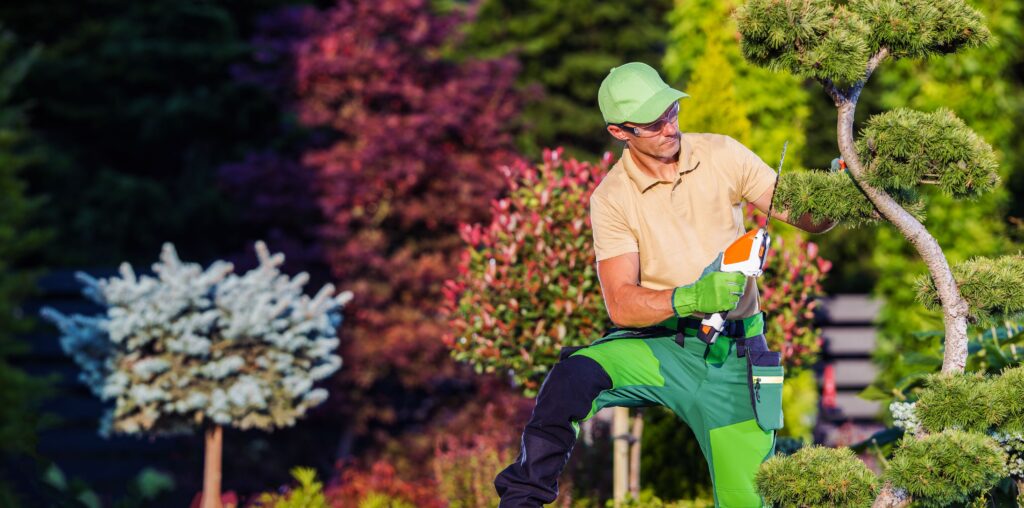
High-paying roles in the landscaping industry typically require specialized skills, technical expertise, and leadership responsibilities. While general landscaping positions follow standard wage ranges, professionals who move into advanced or niche roles can earn significantly above the industry average—especially in high-demand markets and metropolitan regions.
- Landscape project managers: $65,000–$85,000
- Irrigation & hardscape specialists: $45,000–$75,000
- Commercial supervisors: earn 20–30% more than residential roles
- Top-paying states: Hawaii, Alaska, Connecticut
Landscape designers & architects: $55,000–$85,000 (median $73,320, top metro areas can reach 6-figure).
High compensation is primarily driven by specialization, technical skills, project management capability, and geographic demand.
How to Increase Your Landscaper Salary
Increasing income requires strategic career moves beyond basic landscaping tasks. Professional development and specialization consistently deliver the biggest salary gains.
A self-employed landscaper salary can exceed traditional employment by 30–40%, with independent contractors charging $75–150 per hour for specialized services versus $15–25 hourly wages for employees. Moving into leadership or business ownership can boost income 25–50% within 2 years.
Learn High-Value Skills
Specialized skills turn standard work into premium services.
- Irrigation system design can increase landscaping salary in US per month by $500–800
- High-demand areas: hardscaping, sustainable design, commercial maintenance
- Certifications in pesticide application, tree care, landscape architecture create higher pay
- Combining technical skills + business knowledge opens management and contracting opportunities
Move Into Higher-Paying Roles
Career progression significantly increases earnings.
- Crew leaders and supervisors earn 25–40% more than entry-level landscapers
- Project managers and estimators earn around $50,000–$70,000 annually
- Sales and client-facing roles offer commission-based income beyond hourly wages
- Business ownership offers the highest earning potential with the right skills and investment
Improve Productivity & Efficiency
Higher efficiency often leads to higher pay and promotions.
- Productivity must balance speed + craftsmanship to protect long-term earning potential
- Faster, high-quality work supports advancement to highest paying job in landscaping roles
- Time management and equipment expertise strengthen salary negotiations
Conclusion
Landscaper salaries in 2026 range from about $22,000 at entry level to $55,000+ for experienced professionals, with typical earnings around $35,000–$45,000 annually. Pay varies by location, experience, and specialization, but building skills and choosing the right market can significantly increase long-term income potential.
Grow Your Landscaping Performance with FieldPie
Turn field operations into measurable results and higher profitability.
With FieldPie you can:
- Track field teams, jobs, and productivity in real time
- Optimize routes, schedules, and daily operations
- Monitor job quality and service consistency
- Automate tasks and improve operational efficiency
👉 Book a demo and see how FieldPie helps landscaping businesses grow faster.