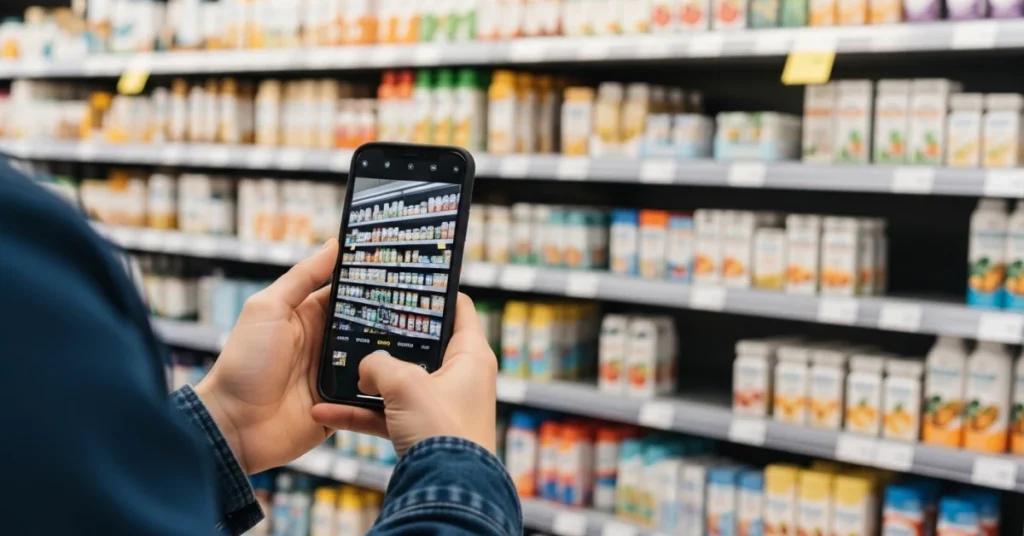




Stores change fast, but product market positioning succeeds when brands connect mobile incentives to real moments in front of the shelf.
1) What Is Product Market Positioning in Stores?
Product market positioning is earning a clear place in the customer’s mind through perceived value.
Fast-changing prices, promotions, limited space, and rotating teams weaken this in-store process. Without turning segment insight into field action, product market positioning remains incomplete.
2) Three Classic Positioning Models
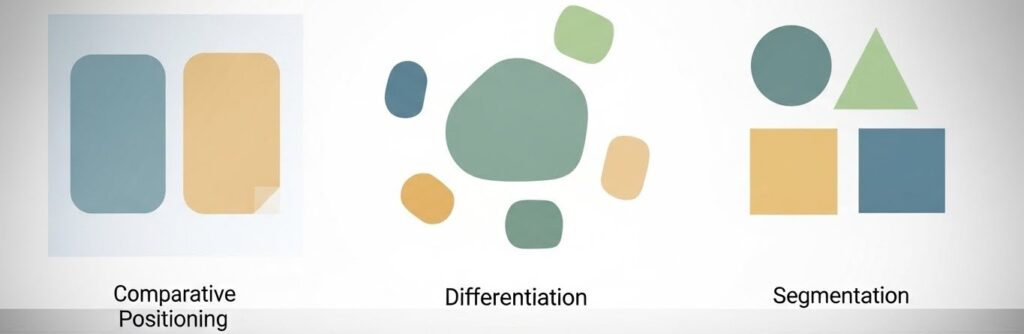
Comparative Positioning
Comparative positioning defines a product relative to competitors along perceived value and performance dimensions; clear points of parity and difference aim to support product market positioning at the moment of choice.
Differentiation
Differentiation focuses on unique benefits; research shows that consumers increasingly notice perceptual uniqueness—helping brands protect product market positioning in crowded aisles.
Segmentation
Segmentation divides the market into meaningful groups served distinctly; the STP framework emphasizes that sustainable product market positioning must be rooted in real customer segments.
3) Mobile Marketing and Stronger Positioning
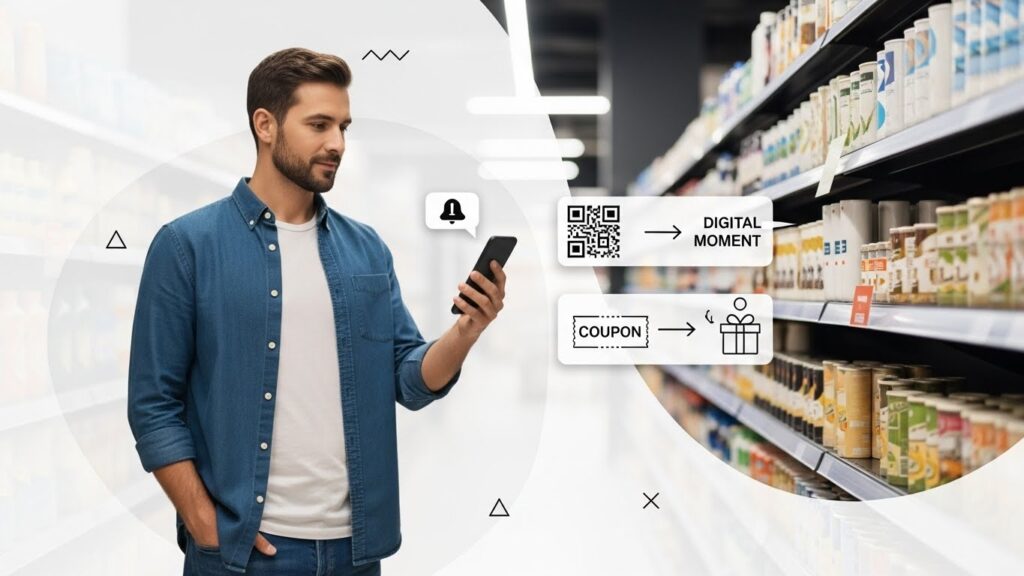
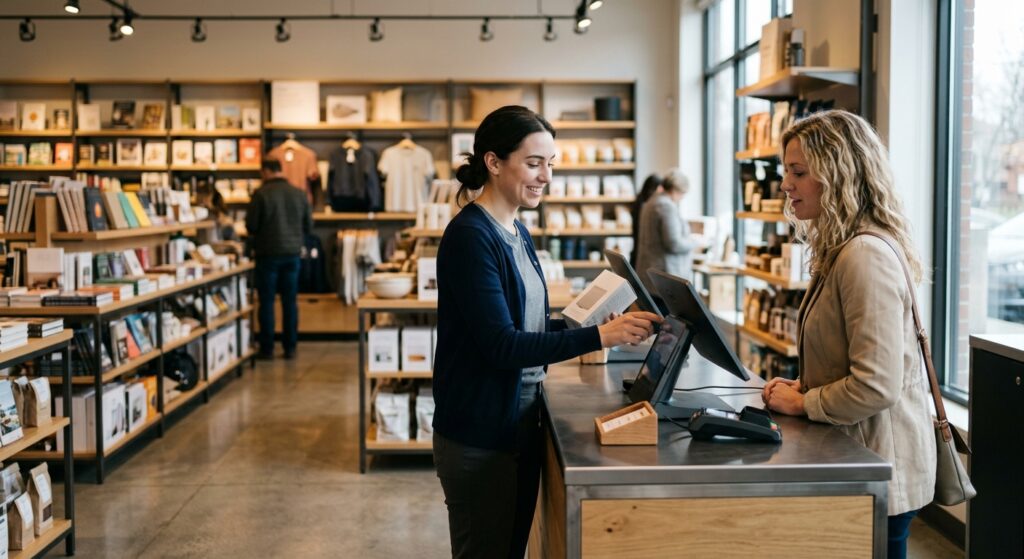
Mobile marketing strengthens product market positioning at the exact moment of choice: inside the store. Strategy turns into action, not theory.
Mobile tools that support product market positioning:
- Geo-targeted messages
- QR promotions
- Instant digital coupons
- Real-time loyalty rewards
Business results:
- Higher promotion redemption
- Better shopper engagement
- Interactive product market positioning
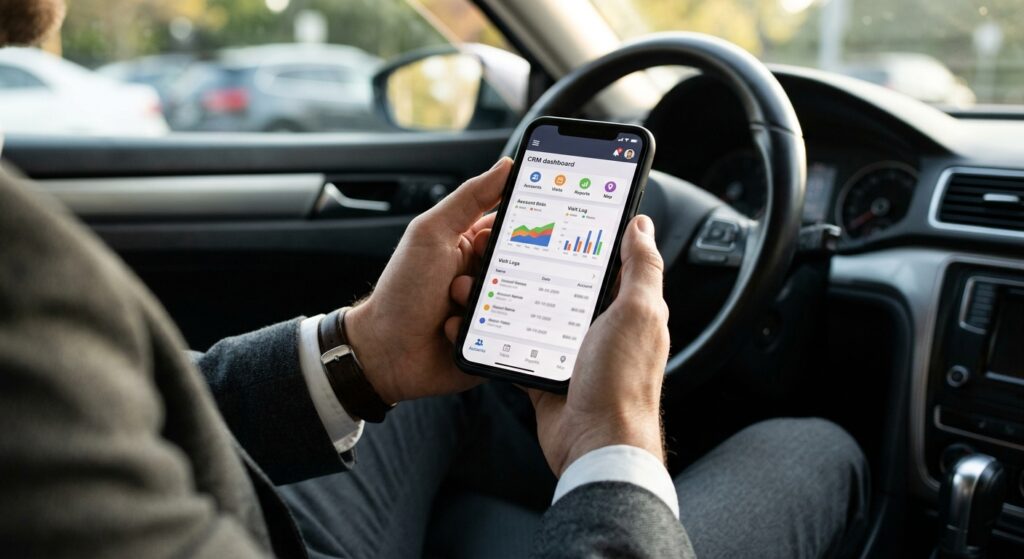
- Faster positioning updates for field teams
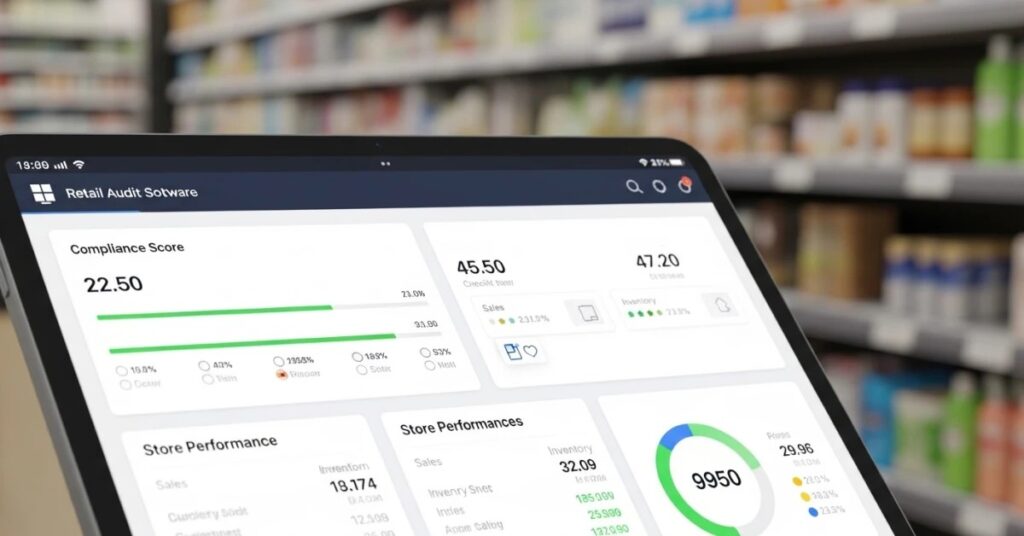
Mobile systems replace retrospective Excel files with real feedback from today—allowing product market positioning changes in days, not weeks.
This creates direct link between positioning claims and what shoppers actually see in the aisle. Mobile-driven product market positioning becomes living process, continuously reinforced by behavior and data.
🚀Positioning fading on shelves?
FieldPie makes loyalty and results easy to verify.
Schedule a free, personalized demo now.
4) Daily Field Pressures Reshaping Shelf Narratives
The daily reality of store operations is often chaotic:
- Display emails go unread
- Scorecards sit unreviewed
- Ownership of audit tasks gets lost
These interruptions reshape the shopper experience over time. When delays accumulate, price becomes the default positioning—even for brands that intend to compete on quality or differentiation. This reflects classic marketing warnings against short-sighted strategies; when a brand stops communicating its intended value, shopper perception shifts toward the lowest common denominator: price.
Effective mobile tasking prevents drift by turning insights into action minutes rather than days.
5) Customer Loyalty and Incentive Examples
Loyalty is less about isolated transactions and more about reliable, consistent experiences. Verified digital incentives tied to real store interactions create emotional reinforcement: shoppers feel seen and rewarded now—not sometime later.
Academic research on customer loyalty consistently shows that consistency across interactions deepens trust and repeat purchases.
For instance, a beverage brand that issues instant points after shelf confirmation doesn’t just reward purchase; it ties positive digital feedback to the brand experience, reinforcing positioning promises through emotional reinforcement.
6) Professional Focus Areas
Going forward, brands must align positioning and retail execution more closely:
- Real-time incentive design tied to visit confirmations
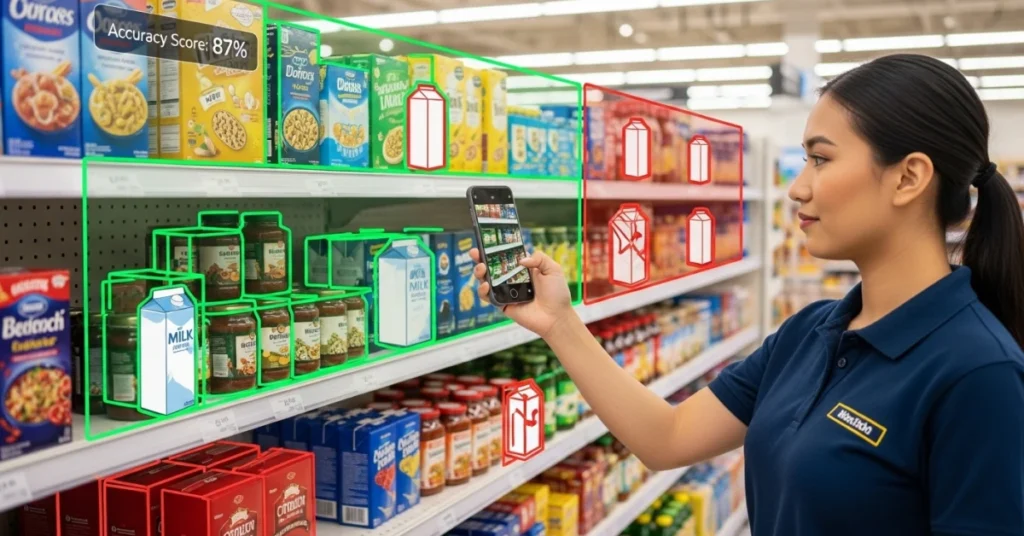
- Shelf analytics that avoid data clutter and highlight actionable insight
- Mobile segmentation tools that guide field flow logic
- Emotion-driven loyalty metrics created by verified interactions
The compass remains product market positioning, but the engine is mobile speed and instant feedback loops.
Conclusion
Product market positioning is an in-store, moment-by-moment battle, not a static directive. Mobile incentives and field tools help brands verify and enforce positioning in front of the shelf.
At the aisle level, brands don’t just claim a position — they prove it through real shopper experiences.