




A restaurant exterior inspection involves more than a simple visual check of the building facade. It is a comprehensive evaluation covering all visible exterior areas—from the street-facing entrance to the back-alley dumpster—ensuring compliance with health codes, safety regulations, and municipal requirements.
What Do Inspectors Evaluate During an Exterior Inspection?
The inspection reviews structural integrity, cleanliness standards, and accessibility compliance that directly affect both customer experience and regulatory outcomes. Inspectors assess sidewalk conditions, outdoor dining areas, waste management zones, and emergency exits. According to NYC Health Department guidelines, exterior elements must meet sanitation and safety standards comparable to interior requirements.
Key Inspection Categories and Why They Matter
Professional inspectors typically evaluate three core categories:
- Physical infrastructure: foundations, walls, roofing
- Operational elements: signage, lighting, ventilation systems
- Compliance factors: accessibility ramps, fire safety features, waste disposal areas
Each component plays a critical role in meeting health department standards, building codes, and operating license requirements, helping restaurant owners avoid violations and protect their business reputation.
Why Exterior Inspections Matter
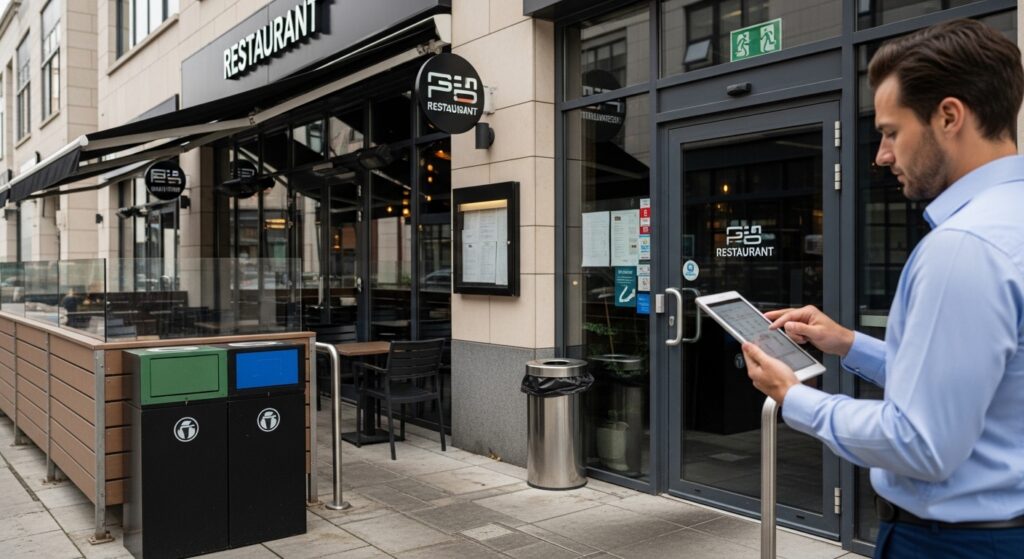
Restaurant exterior inspections are essential for food safety, regulatory compliance, and operational quality. From waste management and outdoor dining areas to structural integrity and accessibility, regular inspections help prevent violations, reduce risk, and maintain consistent standards.
Compliance & Food Safety
The significance of inspecting restaurant exterior areas goes beyond curb appeal—it forms the foundation of food safety and regulatory compliance. According to health department guidelines, exterior conditions directly affect a restaurant’s ability to maintain sanitary operations and achieve passing grades during official inspections. Key areas such as outdoor dining spaces, waste management zones, and building exteriors must meet strict hygiene and safety standards.
Customer Perception & Operational Quality
First impressions shape customer perception immediately. A well-maintained exterior signals professional management, operational quality, and attention to detail, while visible neglect raises concerns about cleanliness standards and overall business reliability. Health inspectors often evaluate exterior conditions as indicators of total operational performance.
Risk Management, Liability & Preventive Control
From a regulatory standpoint, exterior inspections help identify potential violations, safety hazards, and compliance gaps before they escalate into costly citations. According to OSHA guidelines, building maintenance, accessibility compliance, and outdoor operational areas directly impact worker safety and public health.
Proactive inspections also support liability protection, documentation of due diligence, and preventive maintenance planning, enabling restaurants to maintain long-term compliance and operational stability.
Restaurant Exterior Inspections: Key Areas to Check
Restaurant exterior inspections help ensure regulatory compliance, food safety, and operational reliability by identifying risks before they become violations.
Structural Integrity and Building Condition
A comprehensive restaurant exterior checklist should evaluate areas that directly affect regulatory compliance and operational success.
Restaurant exterior inspections begin with structural integrity—including the foundation, walls, and roof. Inspectors look for damage, cracks, or deterioration that could impact food safety or create pest entry points.
Signage, Accessibility, and Outdoor Dining Compliance
Signage and accessibility are critical in restaurant exterior inspections. Building codes require proper entrance widths, ramp grades, and clear pathways that meet ADA standards.
Inspectors must confirm that all signage—from health department grades to emergency exits—is clearly visible and correctly displayed.
The outdoor dining area also requires close review. According to NYC outdoor dining requirements, exterior setups must meet structural standards for barriers, proper drainage, and adequate lighting to ensure patron safety.
Waste Management, Parking, and Safety Conditions
Waste management zones must be checked for proper container placement, secure lids, and safe separation from food preparation areas. These zones are critical for preventing sanitation risks and regulatory violations.
Parking areas and walkways should be reviewed for lighting, surface condition, and clear visibility. Proper inspection helps prevent accidents and improves overall safety.
Why These Exterior Elements Matter
These exterior components form the first line of defense against common violations.
Regular restaurant exterior inspections help detect risks early, maintain compliance, and protect business reputation.
Common Exterior Issues That Lead to Inspection Violations
Understanding the most frequent exterior violations can help restaurant operators prioritize their maintenance efforts and avoid costly citations. These common issues often stem from neglect of routine maintenance or inadequate understanding of regulatory requirements.
Inadequate pest control measures represent one of the most serious violations inspectors encounter. Gaps around doors, improperly sealed windows, and accessible food waste create entry points that compromise interior food safety. Restaurant health inspections frequently cite establishments for rodent activity that originated from exterior vulnerabilities.
Structural deficiencies also generate significant violations. Cracked sidewalks pose liability risks, while deteriorating exterior walls can harbor contaminants. For establishments with outdoor dining, compliance with outdoor dining regulations becomes critical, as improperly maintained structures can result in immediate closure orders.
Waste management failures consistently appear on violation reports. Overflowing dumpsters, inadequate covering, and improper placement create both health hazards and regulatory violations. A comprehensive outdoor restaurant safety check should evaluate whether waste storage areas meet distance requirements from food preparation zones and comply with local sanitation codes.
Signage and accessibility violations round out common exterior issues, with missing required postings or non-compliant accessibility features creating additional citation risks that savvy operators can easily prevent through proactive monitoring.
Conclusion
Regular exterior inspections help prevent violations, safety risks, and costly penalties. Monitoring parking areas, waste zones, signage, and outdoor spaces protects compliance and reputation.
A proactive approach turns exterior maintenance into a strategic advantage—not just a reactive fix.
Frequently Asked Questions
What areas matter most in restaurant exterior inspections?
Focus on waste management, outdoor dining, entrances, and ventilation. Key priorities include proper garbage storage, pest control, and accessibility compliance.
How often should exteriors be inspected?
Official inspections are usually annual, but operators should run monthly self-inspections. High-risk locations may be checked more often.
What documents are needed?
Keep pest control records, waste schedules, maintenance logs, repair history, and permits for outdoor dining, signage, and equipment.
Can weather affect inspections?
Yes. Rain may expose drainage issues, and extreme temperatures can reveal system weaknesses. Regular maintenance reduces risk.