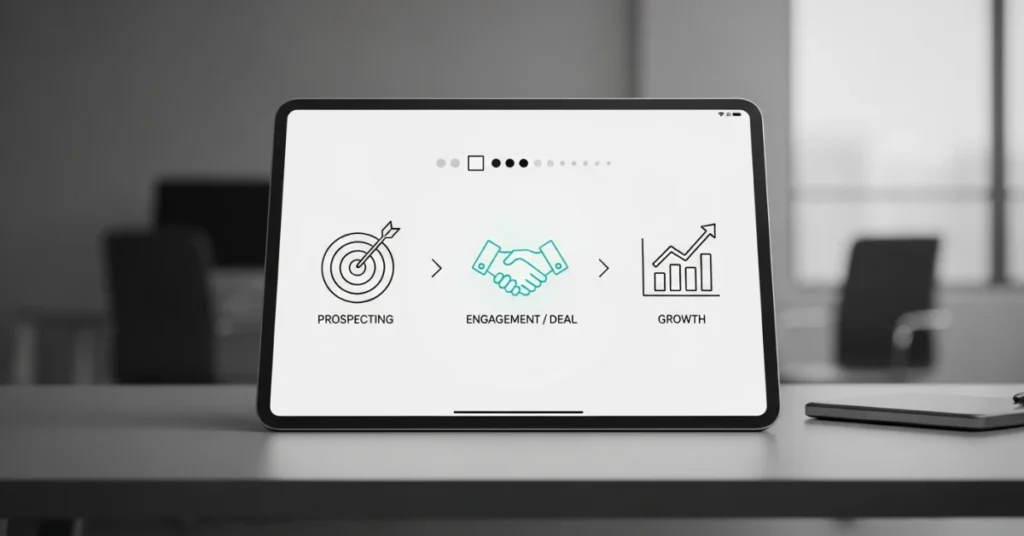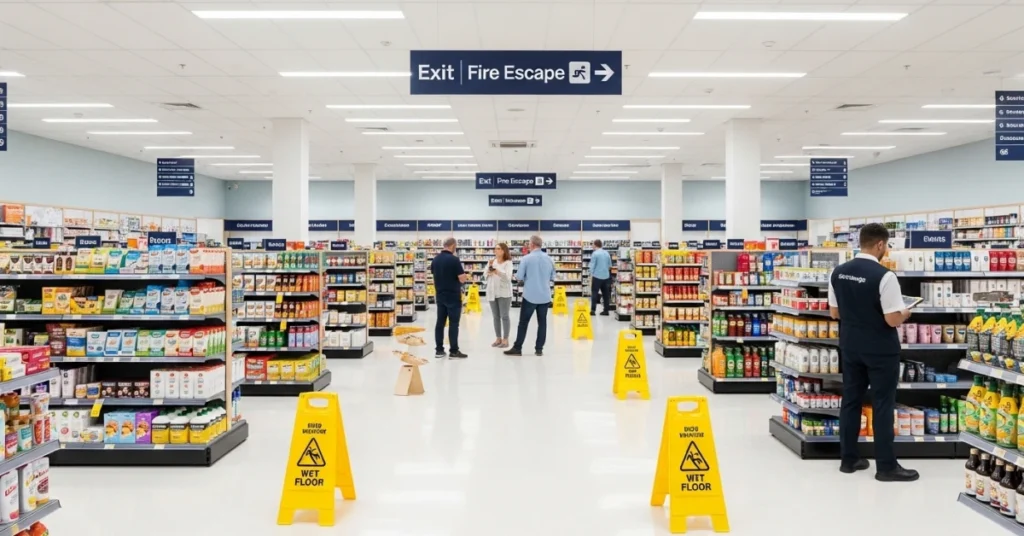



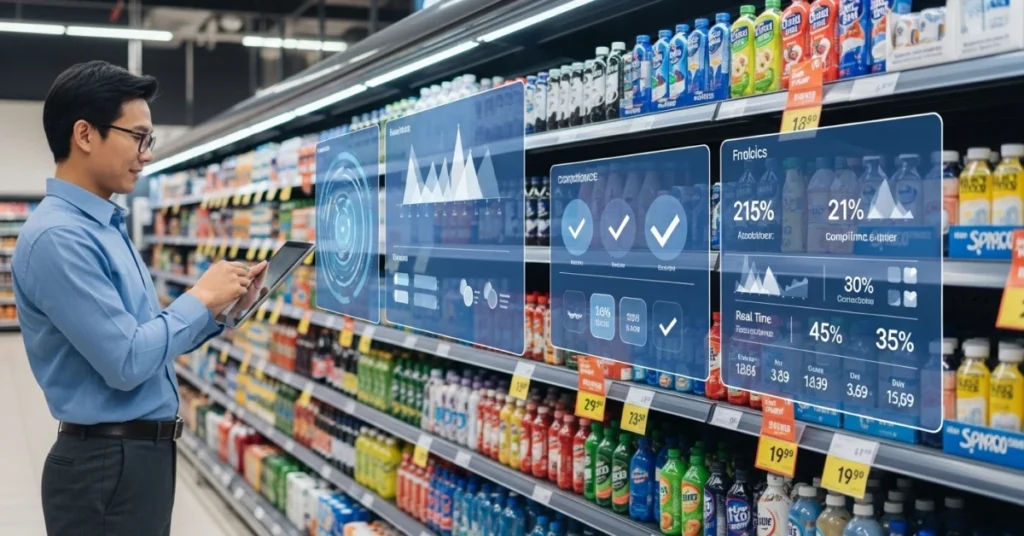
Retail execution is the discipline of ensuring consumer goods brands are represented correctly at the point of sale — covering product placement, pricing compliance, shelf availability, promotional display, and field team activity. When executed well, it directly drives revenue, secures retailer relationships, and builds shopper loyalty.
What Is Retail Execution?
Retail execution refers to all in-store activities a consumer goods (CG) brand deploys to ensure the right product is on the right shelf, at the right price, at the right time. It spans field rep visits, planogram compliance, promotional setup, and inventory management — translating HQ strategy into measurable shelf-level results.
Why Does Retail Execution Matter in 2026?
The stakes have never been higher. The CG industry spends $200 billion annually on in-store promotions — yet Deloitte estimates 90% of companies fail to deliver on their in-store promotional strategy. That gap between spend and execution represents one of the largest untapped profit levers in consumer goods.
Here is why brands can no longer afford to treat retail execution as an afterthought:
- Margins are razor-thin. As pricing and input costs stabilize, revenue growth must come from execution quality, not price increases.
- Shelf competition is intensifying. Private-label growth means branded goods must earn — and re-earn — every inch of shelf space.
- Shopper decisions happen fast. Studies consistently show the majority of purchase decisions are made in-store, making physical presence and visibility decisive.
- Retailer relationships depend on compliance. Retailers track promotional compliance and reward brands that deliver with better placement and promotional support.
[İç Link Önerisi: Saha Yönetimi Yazılımı — FieldPie Ürün Sayfası]
What Are the Key Components of Retail Execution?
Effective retail execution is not a single activity — it is a system of interconnected disciplines. The table below breaks down each core component, its operational focus, and the business outcome it drives.
| Component | Operational Focus | Business Outcome |
|---|---|---|
| Shelf Availability | Preventing out-of-stocks and voids | Protects revenue; reduces lost sales |
| Planogram Compliance | Correct product placement per agreed layout | Maximizes visibility and shopper conversion |
| Pricing Compliance | Verifying shelf prices match agreed rates | Protects margins; maintains brand equity |
| Promotional Display | Setting up POS materials, end-caps, and secondary placements | Drives incremental sales lift |
| Inventory Management | Monitoring stock levels and rotation | Reduces waste; ensures availability |
| Merchandising Audits | Field rep store visits and photo verification | Closes compliance gaps in real time |
| Store Staff Training | Educating retailer staff on brand standards | Improves sell-through and shopper experience |
How Do Shelf Availability and Planogram Compliance Work Together?
Shelf availability and planogram compliance are the two pillars of in-store visibility. A product can be in-stock in the back room and still be invisible to shoppers if it is not placed correctly on the shelf. Field reps must verify both conditions simultaneously during every store visit — confirming physical stock levels and cross-checking product position against the approved planogram.
What Role Does Pricing Play in Retail Execution?
Pricing compliance is frequently the most overlooked component of retail execution. A promotional price that never makes it to the shelf tag erodes both the brand’s promotional ROI and the shopper’s trust. Field reps need structured audit workflows to spot-check pricing accuracy across SKUs on every visit.
What Are the Biggest Retail Execution Challenges?
Even well-resourced brands face persistent execution gaps. The most common failure points are:
- Limited field team visibility. Without real-time data, managers cannot tell which stores are compliant and which are not until it is too late.
- Manual, paper-based reporting. Reps filing handwritten reports introduce lag and inaccuracy into the compliance picture.
- Inconsistent visit quality. Without standardized workflows, two reps visiting the same store type can produce wildly different outcomes.
- Poor HQ-to-field communication. Promotional guidelines, planogram updates, and priority SKU lists often reach field teams days after launch.
- No closed-loop accountability. Issues identified during audits — a missing display, a pricing error — frequently go unresolved because there is no task assignment and follow-up mechanism.
According to Salesforce’s consumer goods research, the gap between promotional strategy and in-store reality is systemic, not incidental. Closing it requires both process discipline and the right technology stack.
How to Build a Winning Retail Execution Strategy: A Step-by-Step Framework
Strong retail execution starts with strategy, not software. Follow this six-step framework to build a program that actually delivers results.
Step 1: Define Your Perfect Store Standard
Set explicit, measurable standards for what “correct” looks like in every store format — minimum shelf facings, approved planograms, required POS materials, and pricing thresholds. This becomes the benchmark against which every field visit is measured.
Step 2: Segment Your Store Universe
Not all stores deserve equal attention. Tier your accounts by revenue potential, strategic importance, and historical compliance risk. Allocate field visit frequency accordingly — high-value, low-compliance stores get the most attention.
Step 3: Build Structured Visit Workflows
Replace open-ended store visits with standardized digital checklists. Each visit should produce consistent data: shelf photos, stock counts, price checks, and display compliance scores. Structured workflows eliminate rep-to-rep variability and create an auditable record.
Step 4: Enable Real-Time Data Capture
Field reps need mobile tools that work in low-connectivity environments. Real-time data capture allows managers to see compliance scores as visits happen — not three days later when the promotional window has closed.
Step 5: Close the Loop with Task Management
Every audit finding should automatically generate a corrective action task assigned to the responsible rep or store contact, with a defined deadline. This is the step most brands skip — and where the most execution value is lost.
Step 6: Analyze, Report, and Iterate
Aggregate visit data into dashboards that surface compliance trends by region, store tier, and SKU. Use these insights to refine visit schedules, update perfect store standards, and identify coaching needs at the rep level.
How Does Technology Transform Retail Execution?
Manual retail execution processes — spreadsheets, phone calls, paper forms — create data blind spots that cost brands real money. Modern field operations platforms close those gaps by digitizing the entire visit workflow.
What Should You Look for in a Retail Execution Platform?
The right platform must deliver five non-negotiable capabilities:
- Mobile-first, offline-capable data capture — reps work in stores with unreliable Wi-Fi
- Photo verification with AI-assisted shelf recognition — eliminates manual counting errors
- Real-time dashboards for field managers — compliance visibility without waiting for reports
- Automated task assignment and follow-up — closes the accountability loop
- CRM and ERP integration — connects field data to commercial planning systems
How Does FieldPie Solve the Retail Execution Gap?
This is precisely the problem FieldPie is built to solve. FieldPie is a field operations and saha yönetimi platform that gives consumer goods brands end-to-end retail execution control — from visit scheduling and digital audit checklists to real-time compliance dashboards and automated corrective action workflows.
Key capabilities include:
- Structured digital visit forms with conditional logic — reps see the right questions for each store format
- GPS-verified check-in and check-out — confirms reps are physically present at the correct location
- Photo capture with time/location stamps — provides irrefutable audit evidence
- Live manager dashboards — compliance scores, visit completion rates, and open issue counts updated in real time
- Automated task escalation — unresolved issues automatically escalate to the next management level
For brands managing field teams across dozens or hundreds of stores, FieldPie eliminates the spreadsheet chaos and turns retail execution data into a genuine competitive advantage.
Retail Execution vs. Trade Promotion Management: What’s the Difference?
These two disciplines are frequently confused — and frequently misaligned, which is precisely where brands lose money.
| Dimension | Retail Execution | Trade Promotion Management (TPM) |
|---|---|---|
| Focus | In-store compliance and field activity | Planning and funding promotional deals |
| Primary Owner | Field sales / merchandising teams | Key account managers / trade marketing |
| Time Horizon | Real-time, visit-by-visit | Weekly to quarterly planning cycles |
| Key Metric | Compliance rate, shelf share, void rate | Promotional ROI, revenue uplift, deduction accuracy |
| Failure Mode | Display not set up; wrong price on shelf | Promotion funded but never executed |
As UpClear’s trade promotion research highlights, retail execution and TPM must be tightly integrated — a promotion that is perfectly planned but poorly executed in-store delivers a fraction of its intended return. Connecting field compliance data back to promotional planning is the next frontier for CG commercial teams.
Key Metrics to Track for Retail Execution Performance
You cannot manage what you do not measure. These are the KPIs that matter most:
- On-shelf availability (OSA) rate — percentage of SKUs in-stock and on-shelf during store visits
- Planogram compliance score — percentage of stores meeting placement standards
- Pricing compliance rate — percentage of SKUs correctly priced at shelf
- Promotional display compliance — percentage of stores with correct POS/display setup by promotional period
- Visit completion rate — percentage of planned visits executed on schedule
- Issue resolution rate — percentage of audit-identified issues resolved within SLA
- Void rate — percentage of shelf positions with no product present
Tracking these metrics weekly — segmented by region, territory, and store tier — gives commercial leaders the visibility to intervene before execution failures compound into revenue losses.
Conclusion
Retail execution is where commercial strategy either pays off or disappears. With $200 billion in annual in-store promotional spend at risk and a 90% failure rate on promotional delivery, the brands that win in 2026 will be those that treat execution as a core competency — not an afterthought.
The path forward is clear: define your perfect store standard, build structured field visit workflows, capture real-time compliance data, and close the accountability loop with automated task management. Technology is the enabler, but disciplined process is the foundation.
Ready to close your retail execution gap?
FieldPie gives your field team the tools to capture real-time compliance data, complete structured digital audits, and give managers live visibility across every store in your network — so no promotional investment goes to waste.
Book a free FieldPie demo today and see how leading CG brands are turning field data into shelf-level results.