


Sales in FMCG is one of the most competitive, high-velocity disciplines in the consumer goods industry — and mastering it in 2026 requires more than just a motivated field team. This comprehensive guide breaks down every layer of the FMCG sales process, from foundational strategy to on-the-ground execution, so your brand can win more shelf space, move more units, and outpace the competition.
What Is Sales in FMCG?
Sales in FMCG refers to the structured process of distributing, promoting, and selling fast-moving consumer goods — products with high turnover rates and relatively low unit prices — through retail, wholesale, and modern trade channels. It involves field teams, distributor management, outlet coverage, and real-time performance tracking to maximize product availability and consumer purchase velocity.
Why Does Sales in FMCG Differ From Other Industries?
The FMCG sector operates under a distinct set of pressures that make its sales dynamics unlike any other vertical.
According to Investopedia, fast-moving consumer goods are characterized by:
- High sales volume with low individual profit margins
- Rapid inventory turnover — products sell within days or weeks
- Intense competition at the point of sale
- Heavy reliance on distribution networks and retail relationships
- Consumer impulse decisions driven by packaging, placement, and price
These factors create a sales environment where execution speed, distribution width, and shelf presence are the three pillars of competitive advantage.
How Does the FMCG Sales Process Work? A Step-by-Step Breakdown
Understanding the end-to-end sales in FMCG process is critical before you can optimize any part of it. Here’s how a high-performing FMCG sales cycle operates:
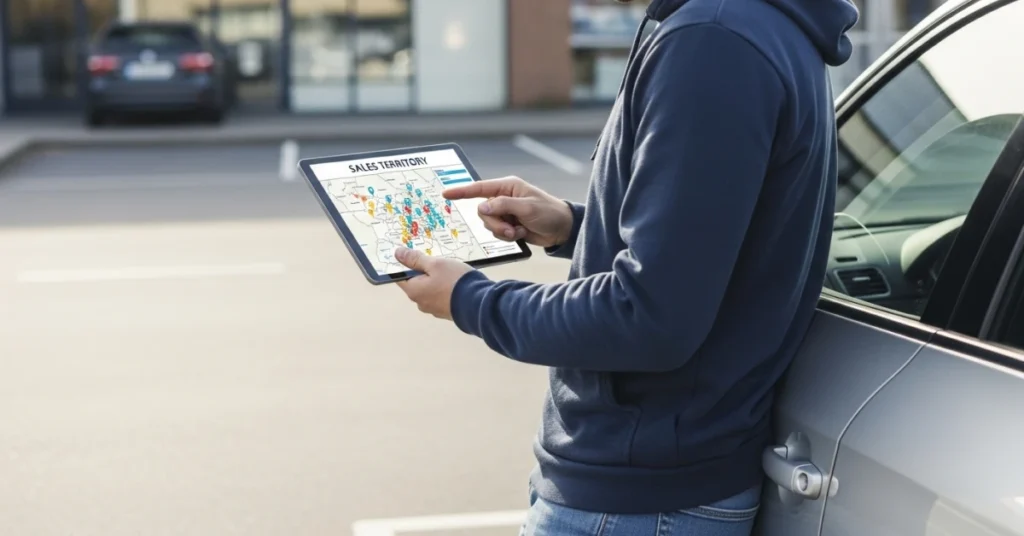
Step 1: Territory Planning and Outlet Segmentation
Before a single rep hits the road, territory mapping must be done with precision.
- Segment outlets by channel: modern trade, general trade, HoReCa, e-commerce
- Prioritize high-potential accounts using historical sales data
- Define call frequency by outlet tier (A, B, C classification)
- Assign routes that minimize travel time and maximize productive selling hours
Step 2: Pre-Call Planning
Every store visit should be a deliberate, data-driven interaction — not a cold drop-in.
- Review the outlet’s last order, stock levels, and outstanding issues
- Set a clear call objective (sell-in target, display compliance, new SKU launch)
- Prepare promotional materials and pricing sheets
- Confirm promotional eligibility for the outlet
Step 3: In-Store Execution
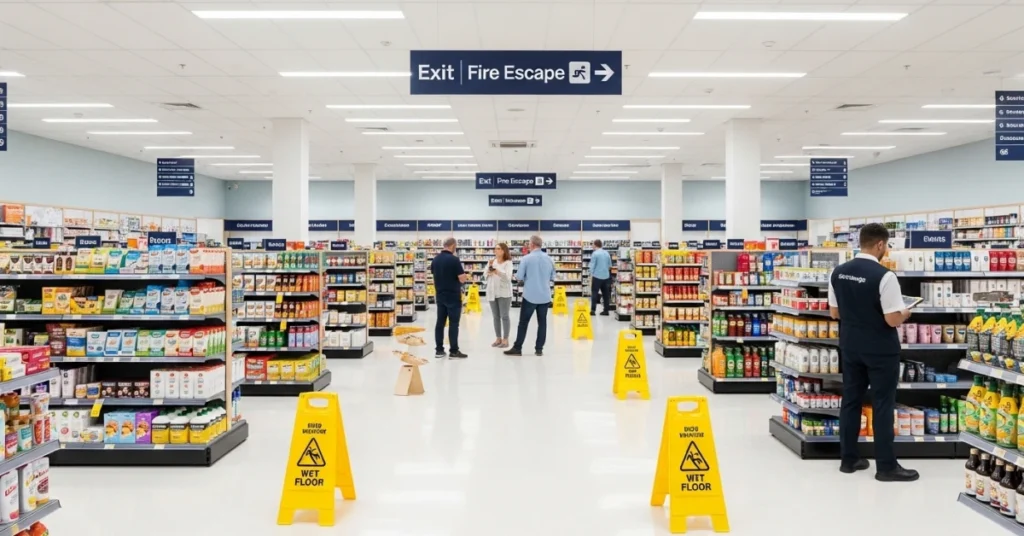
This is where sales in FMCG is won or lost. In-store execution covers:
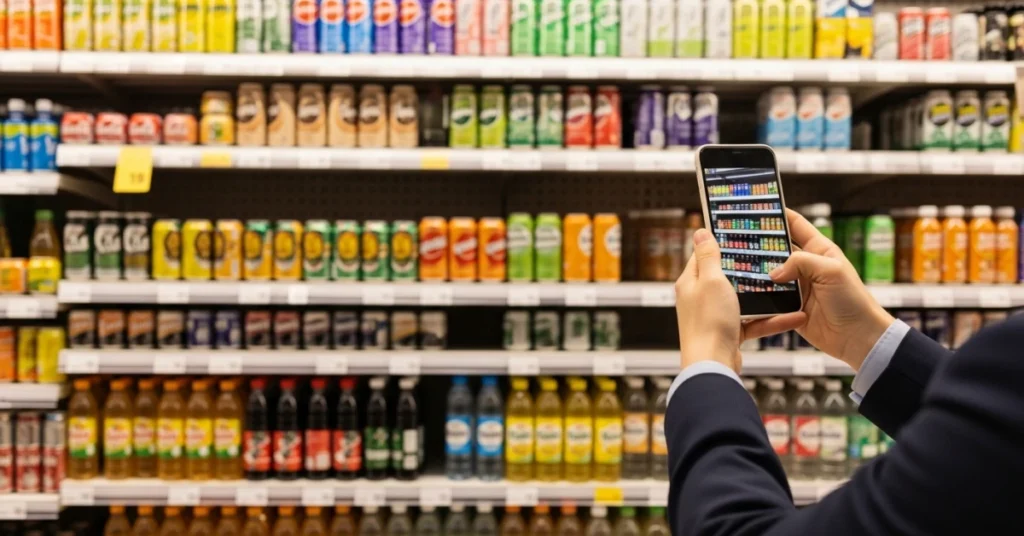
- Shelf audit: Check facings, share of shelf, and planogram compliance
- Stock check: Identify out-of-stock risks and near-expiry items
- Display setup: Build secondary displays, end-caps, and POSM placement
- Order taking: Recommend orders based on velocity data and promotional windows
- Competitor observation: Log competitor pricing, promotions, and new SKUs
Step 4: Distributor Management
Distributors are the backbone of FMCG distribution. Effective distributor management includes:
- Setting monthly sell-in and sell-out targets
- Conducting regular joint business planning (JBP) sessions
- Monitoring distributor inventory to prevent overstocking or stockouts
- Resolving claims, returns, and credit issues promptly
Step 5: Performance Review and Reporting
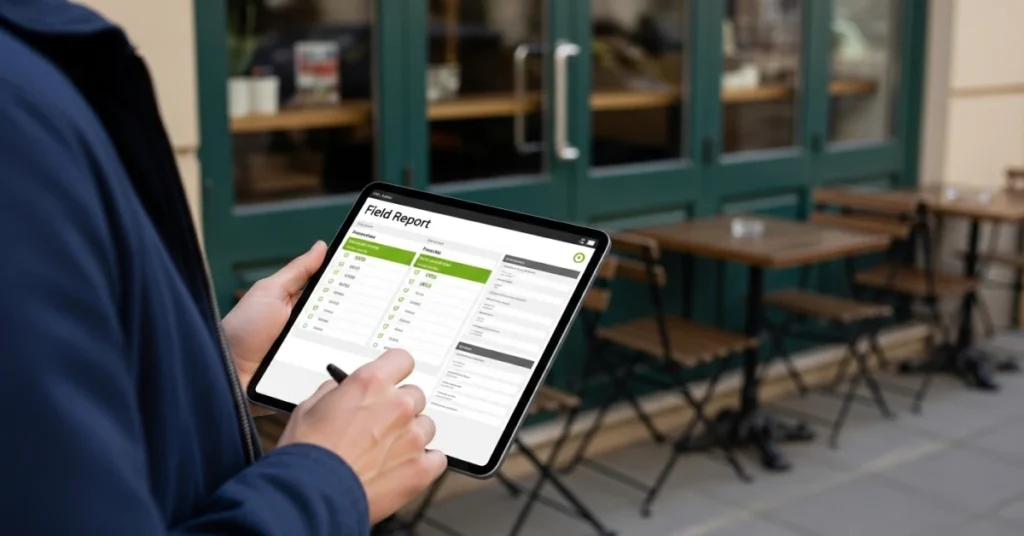
Data closes the loop. Field teams must report on:
- Daily call completion rates
- Volume sold vs. target
- Numeric distribution gains
- Weighted distribution performance
- Promotional compliance rates
What Are the Key Metrics That Define Success in FMCG Sales?
Tracking the right KPIs separates top-performing FMCG sales organizations from the rest. Here’s a reference table of the most critical metrics:
| KPI | Definition | Why It Matters |
|---|---|---|
| Numeric Distribution (ND) | % of outlets stocking your product | Measures reach and availability |
| Weighted Distribution (WD) | Distribution weighted by outlet sales volume | Reflects revenue-driving coverage |
| Calls Per Day (CPD) | Number of outlet visits per rep per day | Measures field productivity |
| Strike Rate | % of calls that result in an order | Indicates sales effectiveness |
| Out-of-Stock Rate (OOS) | % of outlets found without stock | Critical for revenue leakage detection |
| Share of Shelf (SOS) | Your facings vs. total category facings | Drives impulse purchase behavior |
| Sell-Through Rate | Distributor sell-out vs. sell-in | Prevents channel stuffing |
| Perfect Store Score | Composite score of execution standards | Benchmark for in-store excellence |
What Are the Biggest Challenges in FMCG Sales — and How Do You Solve Them?
Challenge 1: Poor Field Visibility
Sales managers often have no real-time view of what their reps are doing in the field. Are they visiting the right outlets? Are they completing audits accurately? Without live data, decisions are made on gut feel.
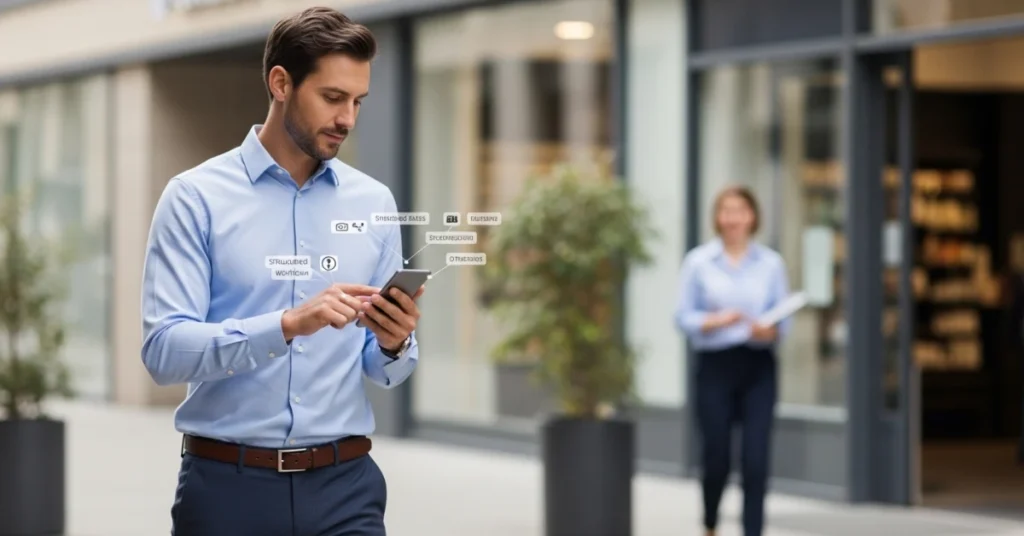
Solution: Deploy a field operations platform like FieldPie that provides GPS-verified check-ins, live call reporting, and real-time dashboards. FieldPie enables sales managers to monitor territory coverage, validate store visits, and identify underperforming routes — all from a single interface. This transforms sales in FMCG from a black box into a transparent, manageable operation.
Challenge 2: Inconsistent In-Store Execution
Planogram compliance, display standards, and POSM placement vary wildly across territories when reps lack structured guidance.
Solution: Use digital call cards and photo-verified audits. FieldPie’s mobile app allows reps to complete structured store audits, capture shelf photos, and submit compliance reports in real time — ensuring your brand looks the same in every outlet, every time.
Challenge 3: Distributor Overstock and Stockouts
Channel inventory imbalances are a chronic issue in sales in FMCG. Distributors sitting on excess stock delay reorders; stockouts mean lost sales.
Solution: Integrate sell-out data from distributors and use predictive replenishment triggers. Set minimum stock thresholds and automate alerts when inventory falls below critical levels.
Challenge 4: High Rep Turnover and Onboarding Costs
The FMCG sales function suffers from elevated attrition. When reps leave, route knowledge and customer relationships walk out the door with them.
Solution: Digitize route plans and customer history so that institutional knowledge lives in the system — not in individual reps’ heads. New hires can onboard faster when territory data, call guides, and customer profiles are all accessible on a mobile device.
Challenge 5: Data Quality and Reporting Accuracy
Manual reporting leads to inflated call counts, inaccurate order data, and delayed insights.
Solution: Automate data capture at the point of execution. When reps use a mobile platform to complete every call step — check-in, audit, order, check-out — the data is captured accurately and instantly, eliminating end-of-day data entry errors.
How Do Top FMCG Brands Build a Winning Sales Strategy?
According to SmashBrand’s analysis of FMCG sales dynamics, the brands that consistently win at retail share several strategic traits:
- They treat execution as a competitive weapon. Perfect store programs are not aspirational — they are mandatory and measured daily.
- They invest in brand-distributor alignment. Joint business planning sessions ensure that distributor incentives are tied to brand growth, not just volume.
- They leverage packaging and shelf presence as silent salespeople. In a category where consumers make purchase decisions in under 5 seconds, visual communication at the point of sale is non-negotiable.
- They build data feedback loops. Field data flows back into category planning, promotional design, and territory optimization — creating a continuous improvement cycle.
What Role Does Technology Play in Modern FMCG Sales?
Technology is no longer optional in sales in FMCG — it is the foundation of scalable, consistent execution.
The shift from paper-based route management to mobile-first field platforms has fundamentally changed what’s possible:
- Route optimization algorithms reduce rep travel time by 15–25%, freeing up more selling hours per day
- Real-time dashboards give sales managers instant visibility into daily call performance without waiting for end-of-day reports
- Photo-based shelf audits create an objective, timestamped record of in-store execution
- AI-powered order recommendations help reps suggest the right SKUs and quantities based on historical velocity data
- Gamification and performance leaderboards drive healthy competition among field teams and improve productivity
How Should FMCG Sales Teams Be Structured?
The right organizational structure amplifies every other investment you make in sales in FMCG. Here’s a proven framework:
| Role | Responsibility | Span of Control |
|---|---|---|
| National Sales Manager | Strategy, key account leadership, P&L ownership | 3–5 Regional Managers |
| Regional Sales Manager | Territory performance, distributor management | 5–8 Area Managers |
| Area Sales Manager | Route execution, rep coaching, daily KPI tracking | 8–12 Field Reps |
| Field Sales Representative | Outlet visits, order taking, shelf execution | 15–25 outlets/day |
| Merchandiser | POSM placement, display building, planogram compliance | Varies by territory |
| Key Account Executive | Modern trade and chain account management | 5–15 key accounts |
FMCG Sales Channels: Which One Should You Prioritize?
Not all channels deliver equal returns. The right channel mix depends on your brand’s life stage, category, and geographic footprint.
- General Trade (GT): High-volume, fragmented, relationship-driven. Essential for penetration in emerging markets and smaller geographies.
- Modern Trade (MT): Supermarkets, hypermarkets, and chain convenience stores. Higher visibility, stricter compliance requirements, and greater promotional investment.
- HoReCa (Hotels, Restaurants, Cafes): Relevant for beverages, snacks, and food service SKUs. Builds brand imagery and trial.
- E-commerce / Quick Commerce: The fastest-growing channel in most markets. Requires dedicated SKU strategies, digital shelf optimization, and last-mile logistics partnerships.
- Wholesale: High-volume sell-in with lower margin. Effective for building distribution speed in new territories.
Frequently Asked Questions (FAQ)
What does “sales in FMCG” actually mean in practice?
Sales in FMCG refers to the entire commercial process of getting fast-moving consumer goods from a manufacturer’s distribution network into retail outlets and, ultimately, into consumers’ hands. In practice, it encompasses field rep management, distributor relationships, outlet coverage, promotional execution, and performance reporting — all operating simultaneously across large geographic territories.
What skills do FMCG sales professionals need to succeed?
Top performers in sales in FMCG combine analytical thinking with strong interpersonal skills. They must be comfortable reading sales data and territory dashboards, negotiating with outlet owners and distributors, executing in-store standards under time pressure, and coaching junior team members. Adaptability, discipline, and a results-driven mindset are non-negotiable in this environment.
How can technology improve FMCG sales performance?
Technology improves sales in FMCG by replacing manual, error-prone processes with automated, real-time data capture. Field management platforms like FieldPie enable GPS-verified store visits, structured digital audits, instant order submission, and live performance dashboards — giving sales managers the visibility they need to make faster, better decisions and giving field reps the tools they need to execute consistently at every outlet.