


Professional irrigation work depends on using the right irrigation tools at the right stage of the job. From ground preparation to final testing, proper equipment directly affects installation quality, efficiency, and long-term system performance.
The difference between a smooth installation and costly delays often comes down to irrigation tool selection and preparation.
Digging Tools
Digging tools are essential for preparing the ground, creating accurate trenches, and ensuring irrigation pipes and components are installed correctly from the start.
1. Mattock
A heavy-duty hand tool used to break compacted soil, cut through roots, and loosen rocky ground before trenching.
Best for: Hard soil, rocky terrain, root-heavy areas
Common use cases: Site preparation, trench pre-cutting, root removal
Pro tip: Use a mattock before trenching to reduce strain and speed up excavation in compacted ground.
2. Trenching Shovel or Spade
Designed to dig narrow, straight trenches for irrigation pipes while minimizing soil disturbance.
Best for: Pipe trenches, clean and precise excavation
Common use cases: Mainline installation, lateral pipe runs
Pro tip: Choose a long-handle model for deeper trenches and better leverage.
3. Tamper Bar / Digging Bar
A solid steel bar used for loosening soil, breaking rocks, or compacting soil after installation.
Best for: Compacted soil and rocky ground
Common use cases: Soil loosening, trench backfill compaction
Pro tip: Use the flat end for compacting soil to prevent pipe settling later.
4. Trencher Machine
A powered machine that quickly digs long, uniform trenches for large irrigation projects.
Best for: Large-scale or commercial projects
Common use cases: Long pipe runs, repetitive trenching jobs
Pro tip: Renting a trencher is often more cost-effective for infrequent use.
5. Round-Point Blade Shovel
Used for digging deeper or wider holes for valves, manifolds, and sprinkler assemblies.
Best for: Deep holes and bulk excavation
Common use cases: Valve boxes, junction points
Pro tip: Ideal for digging around existing pipes without damaging them.
6. Square-Point Blade Shovel
Used for backfilling trenches, leveling soil, and scraping debris from hard surfaces.
Best for: Backfilling and finishing work
Common use cases: Trench closure, surface cleanup
Pro tip: Square edges make it easier to achieve a clean, flat finish.
Cutting Tools
Cutting tools ensure precise pipe, wire, and tubing cuts, helping create tight connections and prevent leaks during irrigation installation and repairs.
7. PVC Pipe Cutter
Creates clean, square cuts on PVC and poly pipes.
Best for: Clean pipe connections
Common use cases: New installations, repairs
Pro tip: Ratcheting cutters reduce hand fatigue on larger jobs.
8. Hacksaw
Cuts metal or PVC pipes in tight spaces.
Best for: Tight or awkward cuts
Common use cases: Retrofit work, repairs
Pro tip: Use fine-tooth blades for cleaner cuts on PVC.
9. Wire Cutter & Stripper
Cuts and strips insulation from irrigation control wires.
Best for: Electrical connections
Common use cases: Valve wiring, controller installation
Pro tip: Label wires immediately after stripping to avoid confusion.
10. Emitter Irrigation Multi Tool
Punches holes, inserts or removes emitters, and cuts tubing.
Best for: Drip irrigation work
Common use cases: Emitter installation and adjustment
Pro tip: Prevents tubing damage compared to improvised tools.
Wrenches
Wrenches are essential for accessing valves, adjusting sprinkler heads, and assembling or disassembling pipe connections during installation and maintenance.
11. Water Meter Wrench
Turns main water supply valves on and off inside meter boxes.
Best for: Main water shutoff access
Common use cases: System isolation, repairs
Pro tip: Keep one in every service vehicle for emergency shutoffs.
12. Irrigation Head (Pop-Up) Wrench
Adjusts or removes sprinkler heads without digging them out.
Best for: Spray head adjustments
Common use cases: Nozzle replacement, arc adjustments
Pro tip: Prevents damage to plastic threads during adjustments.
13. T-Handle / Tap Wrench
Compact wrench designed for tight or hard-to-reach spaces.
Best for: Confined spaces
Common use cases: Valve access, tight fittings
Pro tip: Provides better control than adjustable wrenches in small spaces.
14. Pipe Wrench
Used to tighten or loosen metal and PVC pipe fittings.
Best for: Pipe connections
Common use cases: Assembly and disassembly of fittings
Pro tip: Hand-tighten PVC fittings to avoid cracking.
Drip Irrigation Tools
Drip irrigation tools are designed for precise emitter placement and efficient water delivery directly to plant root zones.
15. Drip Irrigation Insertion Tool
Inserts emitters and barbed fittings into tubing.
Best for: Drip system installation
Common use cases: Emitter placement
Pro tip: Warm tubing slightly for easier insertion.
16. Dripline Punch Tool
Creates precise holes in drip tubing.
Best for: Emitter installation
Common use cases: Drip system customization
Pro tip: Avoid over-punching to prevent leaks.
17. Root Soaker Irrigation Tool
Delivers water directly to plant root zones.
Best for: Deep watering
Common use cases: Trees, shrubs
Pro tip: Use during dry seasons for efficient root hydration.
Sensor & Measurement Tools
Sensor and measurement tools help contractors diagnose system performance, detect issues early, and optimize water usage with accurate, data-driven insights.
18. Irrigation Leak Detection Equipment
Detects underground leaks using sound or moisture sensing.
Best for: Complex underground systems
Common use cases: Leak diagnostics, troubleshooting
Pro tip: Use before excavation to minimize landscape damage.
19. Irrigation Scheduling Tools
Help determine watering times based on soil and weather data.
Best for: Water efficiency optimization
Common use cases: Residential and commercial scheduling
Pro tip: Weather-based scheduling reduces water waste significantly.
20. Water Flow Meters
Measure water flow through irrigation zones.
Best for: Performance monitoring
Common use cases: Leak detection, system balancing
Pro tip: Record baseline flow rates after installation.
21. Soil Moisture Sensors
Measure moisture levels to prevent over- or under-watering.
Best for: Smart irrigation systems
Common use cases: Water optimization, diagnostics
Pro tip: Test multiple locations for accurate readings.
22. Pressure Gauges
Monitor water pressure throughout the system.
Best for: System health checks
Common use cases: Pressure testing, troubleshooting
Pro tip: Always test pressure at the furthest zone.
Other Essential Irrigation Tools
23. Riser Extractor
Removes broken threaded risers from fittings.
Best for: Broken pipe removal
Common use cases: Repairs without replacement
Pro tip: Saves time and prevents fitting damage.
24. Irrigation Valve Tool
Manually opens or closes sprinkler valves.
Best for: System testing
Common use cases: Diagnostics, pressure testing
Pro tip: Essential for startup and winterization.
25. Pull-Up Tool
Lifts pop-up sprinkler heads for adjustment.
Best for: Sprinkler head maintenance
Common use cases: Nozzle replacement
Pro tip: Prevents damage from pulling by hand.
26. Business Software Tool for Irrigation Contractors
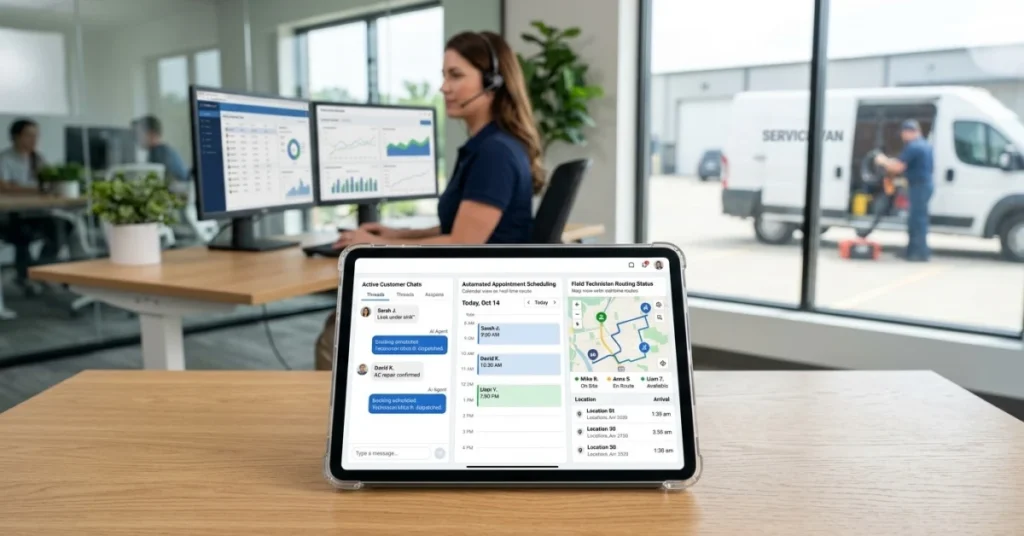
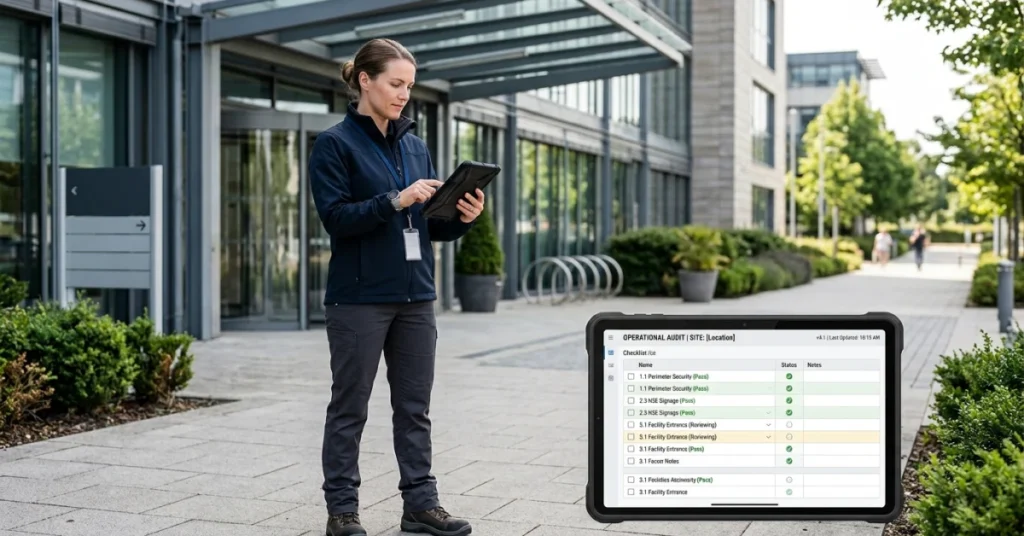
As irrigation operations grow, tracking field teams, site visits, inspections, and follow-up work becomes just as critical as using the right physical tools. FieldPie helps irrigation contractors manage daily field operations in one place, making it easier to document work, monitor progress, and keep projects moving without delays.
With FieldPie, irrigation contractors can:
- Track field visits, job progress, and inspection status in real time
- Assign and manage tasks across multiple crews and locations
- Capture photos, notes, and inspection data directly from the field
- Standardize checklists and workflows for installations and maintenance
- Generate clear, shareable reports for internal teams and clients
- Reduce manual follow-ups and avoid missed actions after site visits
Key Takeaways
Choosing tools based on real job scenarios—not just availability—helps contractors work faster, reduce rework, and deliver more consistent results.
Professional irrigation work relies on the right tools to support efficient installation, accurate maintenance, and reliable repairs. Essential hand tools handle everyday tasks, while specialized equipment and diagnostic instruments improve efficiency, reduce errors, and optimize system performance and water use.
FAQ
What tools are essential for starting an irrigation contracting business?
New contractors should focus on trenching tools, pipe cutters, and basic measuring equipment. These cover most installation tasks and allow easy expansion as projects grow.
How often should irrigation tools be maintained or replaced?
Maintenance depends on usage, but cutting tools usually need regular sharpening, and electronic tools should be checked annually. Proper care extends tool life and ensures reliable performance.
Can standard plumbing tools be used for irrigation work?
Some plumbing tools work, but irrigation-specific tools are more efficient and help prevent damage to system components.
What are the tools used in irrigation?
Irrigation tools fall into three main groups: installation, maintenance, and repair. Installation uses trenching and pipe-cutting tools, maintenance relies on gauges and flow meters for system checks, and repairs require specialized tools for locating and replacing faulty components.
What tools do you need to install an irrigation system?
Installing an irrigation system requires the right tools for digging, pipe work, and setup. Trenching shovels, pipe cutters, and basic measuring tools ensure accurate installation and smooth project completion.