The HVAC service management software market is growing quickly – valued at USD 2.00 billion in 2025 and forecast to reach USD 7.03 billion by 2035, expanding at a CAGR of 13.44 %. The surge is driven by the digitalization of HVAC operations, demand for efficient scheduling and dispatch, real‑time service visibility, adoption of cloud and mobile platforms, and integration with smart HVAC systems and IoT sensors. Yet many HVAC businesses still rely on spreadsheets and manual tools, which lead to scheduling conflicts, longer technician travel times, billing delays and limited operational visibility.
HVAC service management software centralises operations and data in one place to help businesses grow in a structured, scalable way. This article reviews the best HVAC software based on real field requirements, usability and long‑term scalability while highlighting how unified platforms like FieldPie help contractors deliver more jobs with less complexity.
Why Your HVAC Business Needs Software
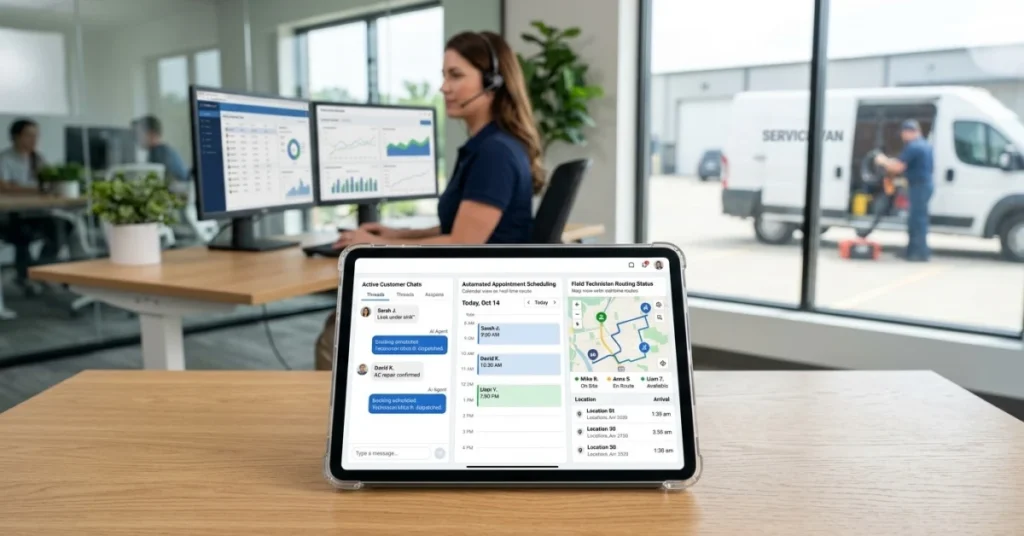
HVAC service companies increasingly rely on software to stay efficient, competitive and scalable. Manual tools such as spreadsheets and paper schedules create scheduling issues and billing delays. Modern HVAC software gives dispatchers a single view of schedules, technicians and customer history, reducing missed appointments, errors and rework. Real‑time tools provide live insights into job status and technician location, improving first‑time fix rates and customer satisfaction. As digital transformation, mobile workforce enablement and AI‑driven optimisation become mainstream, businesses that adopt integrated HVAC software operate more efficiently and grow faster.
What These HVAC Software Solutions Have in Common
While HVAC software vendors differ in features and focus, the solutions in this list are built to support efficient field operations as companies scale — from scheduling jobs to invoicing and reporting. These platforms were selected because they:
- Replace manual tools (spreadsheets, paper schedules and text‑based coordination)
- Centralise scheduling and job execution in a single system
- Connect office teams and field technicians with real‑time updates
- Support estimating, invoicing and payment processing
- Improve operational visibility and reporting
Together, these capabilities replace fragmented tools with a single operational system, helping HVAC businesses handle more jobs, manage larger teams and scale operations without added complexity.
Top HVAC Service Management Software Solutions
This section highlights leading HVAC software platforms built for modern field operations. Each solution supports different business sizes, from small crews to complex, multi‑team operations.
1. FieldPie
The best HVAC software for field operations at any scale
FieldPie is a modern field management platform built for real HVAC work. It supports both small crews and large, multi‑team operations — without forcing businesses to choose between ease of use and advanced capability.
Instead of stitching together multiple tools, FieldPie brings scheduling, field execution, dynamic forms, reporting, customer data, service history, GPS tracking and location‑based services into a single unified system. Teams can get up and running quickly, while managers gain clear, real‑time control as operations become more complex.
FieldPie’s core capabilities include:
- End‑to‑end field execution — schedule jobs, manage visits and tasks and complete work orders in one continuous flow.
- Smart job scheduling and routing — mobile‑first workflows that guide technicians efficiently in the field.
- Offline‑ready field operations — collect data, photos, signatures and forms without connectivity, with automatic sync when back online.
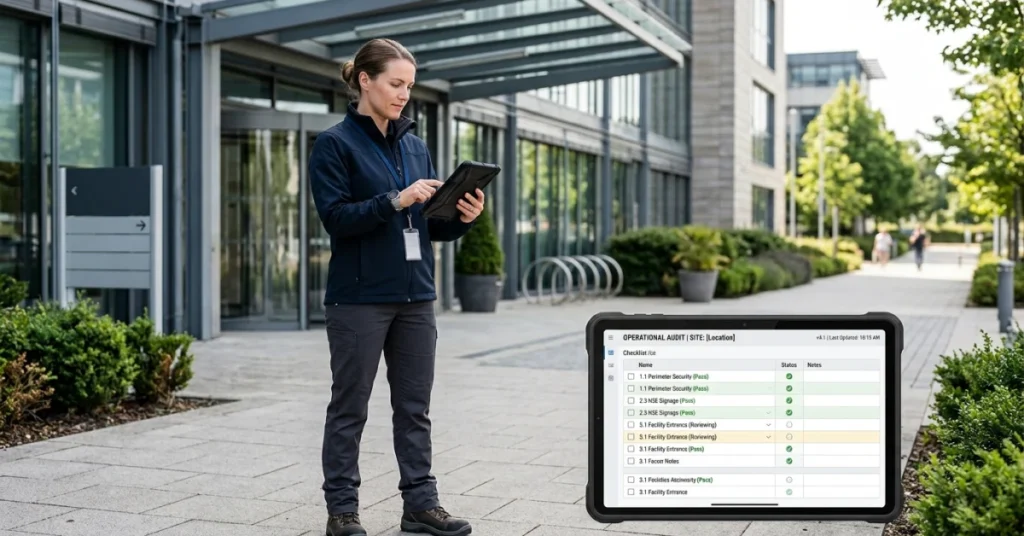
- Custom forms and inspections — fully configurable data collection tailored to HVAC workflows.
- Real‑time operational visibility — live insights into job progress, technician locations and field performance.
- Flexible roles and permissions — control access for technicians, supervisors and managers.
- Scalable reporting — operational and performance reporting without enterprise‑level complexity.
Where FieldPie stands out:
FieldPie is designed as a long‑term platform, not a short‑term tool. It combines advanced field capabilities with a clean, intuitive experience and transparent pricing. Whether you run a two‑person crew or manage large, distributed teams, FieldPie scales naturally with your business — without slowing you down or forcing constant tool changes. This makes FieldPie a platform teams don’t outgrow.
Things to consider:
FieldPie focuses on deep operational execution and field excellence rather than niche add‑ons, often reducing the need for multiple separate systems.
2. ServiceTitan
SServiceTitan is a cloud-based field service management platform designed primarily for residential home-service contractors, including HVAC, plumbing, and electrical businesses. It offers scheduling and dispatch, customer notifications, technician tracking, call recording, sales tools, reporting dashboards, and mobile apps for field technicians.
Strengths:
- Scheduling and dispatch with real-time technician tracking and customer alerts
- Sales and call-conversion tools
- Reporting and KPI dashboards
- Mobile app for estimates, payments, and job updates in the field
Things to consider:
- May require customization for non-standard workflows
- Higher cost and steep learning curve
- Limited ERP integration and flexibility for commercial projects
3. Jobber
Jobber is an affordable field service platform aimed at small businesses and solo operators. It covers online booking, quote approvals, route optimization, job updates, invoicing, and payment processing — all manageable through a single mobile app with a quick onboarding process.
Strengths:
- Easy online booking and customer self-service
- Built-in routing and real-time job updates
- Integrated invoicing and payment processing
- Affordable pricing and fast onboarding
Things to consider:
- Less suitable for larger or more complex operations
- Limited advanced reporting and workflow customization
4. BuildOps
BuildOps is a cloud-based platform built for commercial mechanical and construction firms. It covers job-cost tracking, real-time profitability monitoring, proposal creation with CRM integration, visual scheduling via Gantt and calendar views, and a mobile app for field crews. It also integrates with common accounting systems and supports multi-team collaboration.
Strengths:
- Job costing and real-time profitability tracking
- Visual scheduling tools for complex project planning
- Field-ready mobile app for crews
- Accounting integrations and cloud accessibility
Things to consider:
- Fewer ERP integrations and customization options
- Some reported performance lag on large jobs
- Premium modules add to overall cost
Your Strategic Roadmap: How to Choose the Right HVAC Software
Selecting the right HVAC software starts with understanding your operations, growth goals and field needs. As teams scale, visibility into customer data, service history, job scheduling, route optimisation and technician performance becomes as important as core operations. Keep these factors in mind:
- Define your core needs – base your choice on your workflows, business size, service types and growth plans.
- Ease of use & adoption – a simple, intuitive interface ensures fast team adoption without heavy training.
- Scalability – the platform should support more customers, technicians, assets and jobs as you grow.
- Mobile & offline capability – technicians need mobile apps that work without connectivity and sync automatically later.
- Integration & data visibility – look for tools that integrate with accounting, CRM, IoT sensors and payment systems to centralise data.
- Support & onboarding – strong training, documentation and responsive support make a real difference.
- Pricing & total cost – evaluate pricing models, hidden fees and costs of premium features relative to the value provided.
- Trials & demos – test the software in real scenarios to ensure it meets your requirements before committing.
Must‑Have Features for HVAC Software
Industry reports highlight common capabilities that help HVAC teams operate profitably. Here are essential features to look for:
- Scheduling & dispatch – drag‑and‑drop job assignment, route optimisation and real‑time dispatch to minimise travel and response times.
- Mobile field operations – technicians need mobile apps with job details, forms, photo capture and offline access.
- Customer management & communications – maintain customer information, service agreements and communication logs; send automated reminders and updates.
- Compliance & reporting – track safety checks, inspections, regulatory forms and provide dashboards for performance metrics and profitability.
- Payments & invoicing – support on‑site payments, invoicing and integration with accounting systems.
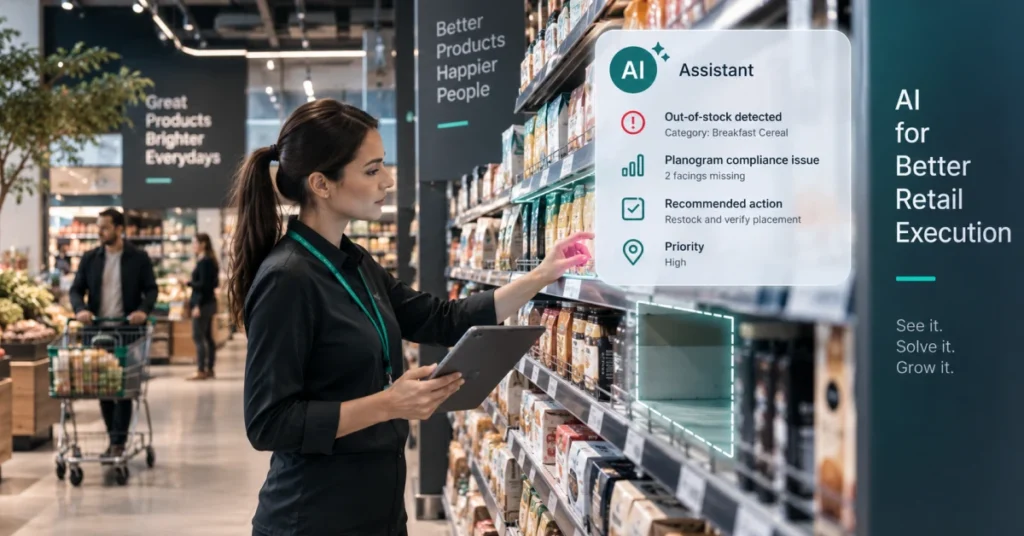
- AI & automation – adopt tools that use AI to optimise schedules, forecast demand and reduce manual work.
Conclusion: Choosing Software for Your HVAC Business
The right HVAC software should support how your teams work today and still scale with you tomorrow. While all of the tools on this list cover core needs, FieldPie stands out by combining powerful field execution with a clean, easy‑to‑use experience—working just as well for small crews as for large operations. By offering real‑time scheduling and dispatch, end‑to‑end work order management, offline mobile capability, live operational visibility and flexible reporting, FieldPie provides a comprehensive platform that businesses won’t outgrow.
See it in action — schedule a FieldPie demo to explore real‑world workflows, reporting and field execution.