


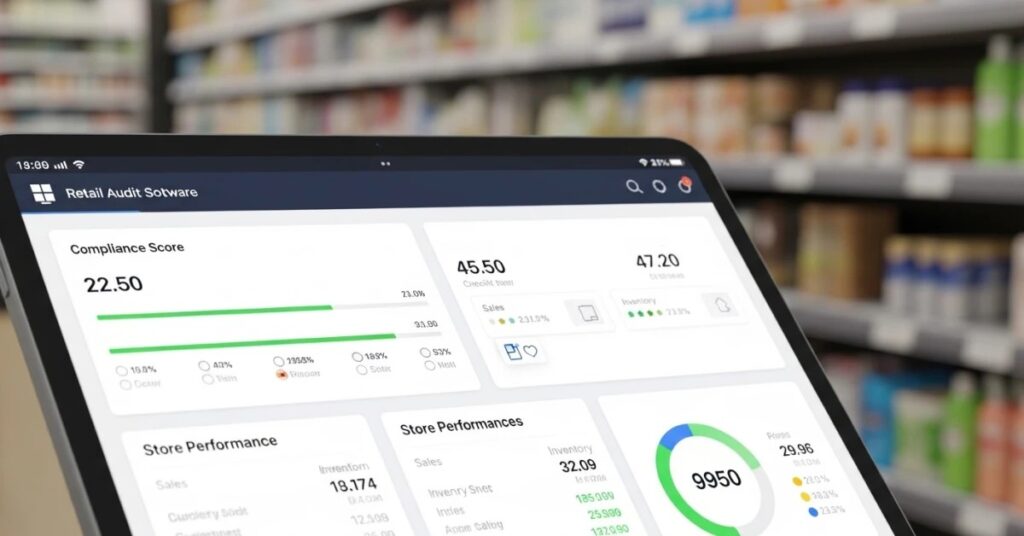
The retail audit software market is growing rapidly. Analysts estimate that it was worth about US$ 292.76 million in 2025 and will reach US$ 524.79 million by 2034, expanding at a compound annual growth rate of 6.7 %.
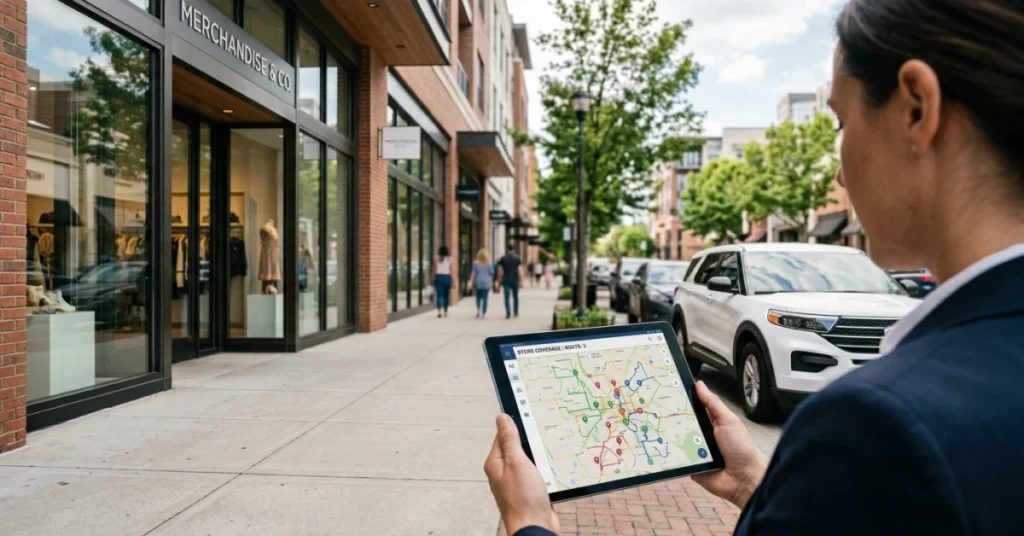
Yet many retailers still rely on spreadsheets and manual inspection tools; manual checklists, clipboard‑wielding district managers and spreadsheet‑based inspections are giving way to intelligent, real‑time platforms that can flag compliance issues before they cost you revenue. Retail audit software brings store operations together in one place, helping brands and retailers measure compliance, manage visits and tasks, and scale operations in a structured way.
This article reviews the best retail audit software based on real field needs, usability and long‑term scalability.
Why Your Retail Audit Program Needs Software
Retail businesses increasingly rely on digital audit and execution tools to stay efficient, competitive and scalable.
Here’s why investing in retail audit software makes sense:
- Manual tools like spreadsheets create scheduling issues and delayed corrective actions. Real‑time platforms automate data collection and corrective workflows.
- Centralized software brings visibility, control and scalability across hundreds of locations.
- Real‑time tools reduce missed audits, errors and rework by capturing data and triggering tasks immediately.
- Businesses using digital audit platforms operate more efficiently and grow faster.
What These Retail Audit Software Solutions Have in Common
While each platform offers its own focus, the tools in this list share a common mission: support efficient field operations at scale — from checklists to task assignment and reporting.
These platforms were selected because they:
- Replace manual tools such as spreadsheets, paper audits and text‑based coordination.
- Centralize scheduling and audit execution, connecting headquarters teams and field staff.
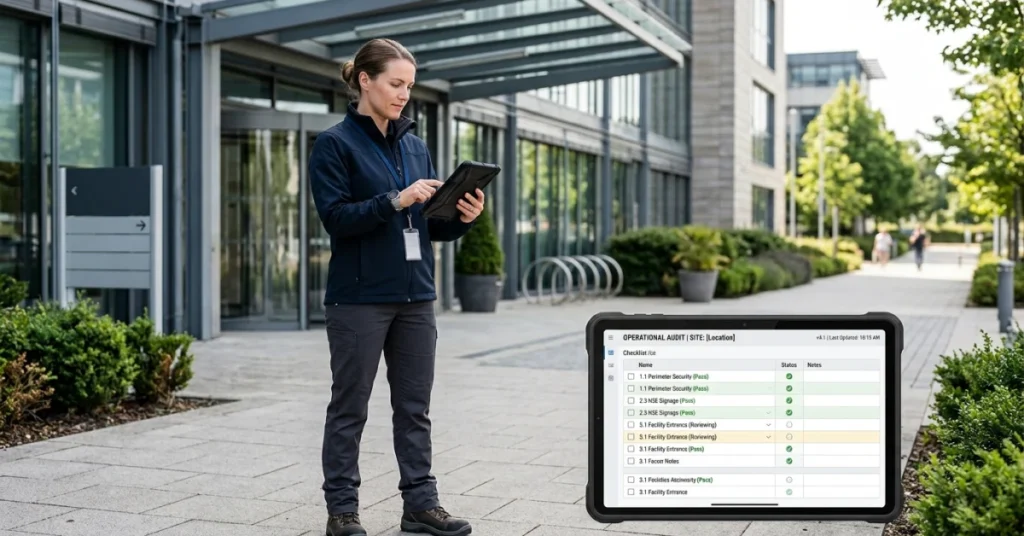
- Support customizable checklists, photo capture, offline mode and automated corrective actions.
- Improve operational visibility with real‑time dashboards and compliance analytics.
Together, these capabilities replace fragmented tools with a single system for audits and execution. This shared foundation helps retailers handle more stores, manage larger teams and scale without added complexity.

Top Retail Audit Software Solutions
This list highlights leading retail audit software solutions built for modern store operations. The platforms below support retailers, consumer-goods brands and multi-unit operators by combining checklists, task management and reporting to help teams manage field work and scale efficiently. Each solution supports different business sizes, from small chains to complex, multi-region operations.
1. FieldPie
The Best Retail Audit & Field Execution Platform for Any Scale
FieldPie is a modern platform designed for store audits and field operations. It supports teams of all sizes—from small retail chains to companies with hundreds of locations. By combining visit planning, task management, customizable audit forms, and real-time reporting in a single system, it eliminates manual processes.
Core capabilities include:
- End-to-end field management: Plan visits, assign tasks, conduct audits, and complete work orders in a single continuous workflow.
- Smart planning and route optimization: Mobile-first workflows guide teams to the right stores, supported by GPS tracking and service history.
- Offline operation and synchronization: Collect photos, signatures, and forms offline, with automatic sync once connectivity is restored.
- Flexible audit forms: Fully customizable forms and checklists tailored to store audits and merchandising processes.
- Real-time visibility: Live dashboards provide insights into task status, location, and performance.
- Role-based permissions: Detailed access control for teams, supervisors, and managers.
- Comprehensive reporting: Operational and performance reports with detailed analytics—without requiring complex enterprise tools.
Where FieldPie stands out:
FieldPie is designed as a long-term platform rather than a short-term tool. It combines advanced field capabilities with a clean and intuitive user experience. It scales naturally from small teams to large distributed operations, improving operational efficiency through route optimization, offline audits, and customizable workflows. By consolidating multiple functions into one system, it reduces the need for additional software.
Things to consider:
FieldPie focuses on field execution and operational excellence rather than niche add-ons like marketing or campaign management. If additional tools are needed, integration options should be considered.
2. Repsly
Repsly helps retail and CPG companies manage in-store execution through field teams. It combines audit capabilities with broader field management tools such as visit planning, territory management, and team performance tracking.
Core capabilities include:
- Visit and task planning: Team calendars, territory hierarchies, route planning, and GPS-verified visit tracking.
- Flexible data collection: Custom forms, barcode scanning, and photo galleries to capture in-store conditions and sales data.
- Order and returns management: Field teams can manage orders and returns directly within the app.
- Time and mileage tracking: Monitor rep performance with timesheets and mileage reports.
- Integrated reporting and sales data: Combine audit results with sales performance; optional image recognition for shelf audits.
Where Repsly stands out:
Repsly integrates audit workflows with field team management. This allows companies to plan visits, track execution, and monitor performance within a single platform. GPS check-ins and offline capabilities further enhance field productivity.
Things to consider:
Repsly’s audit workflows are flexible but may be less structured compared to dedicated retail audit platforms. Advanced analytics and certain features may require additional licensing. Some features may be unnecessary for companies without field teams.
3. Form (GoSpotCheck)
FORM (formerly GoSpotCheck) standardizes retail operations by combining task management and audits into a single mobile platform. It stands out with AI-powered image recognition and advanced analytics capabilities.
Core capabilities include:
- Task distribution and mobile checklists: Drag-and-drop task creation with step-by-step guidance for field teams.
- Real-time reporting and KPI tracking: Instant insights and performance metrics during audits.
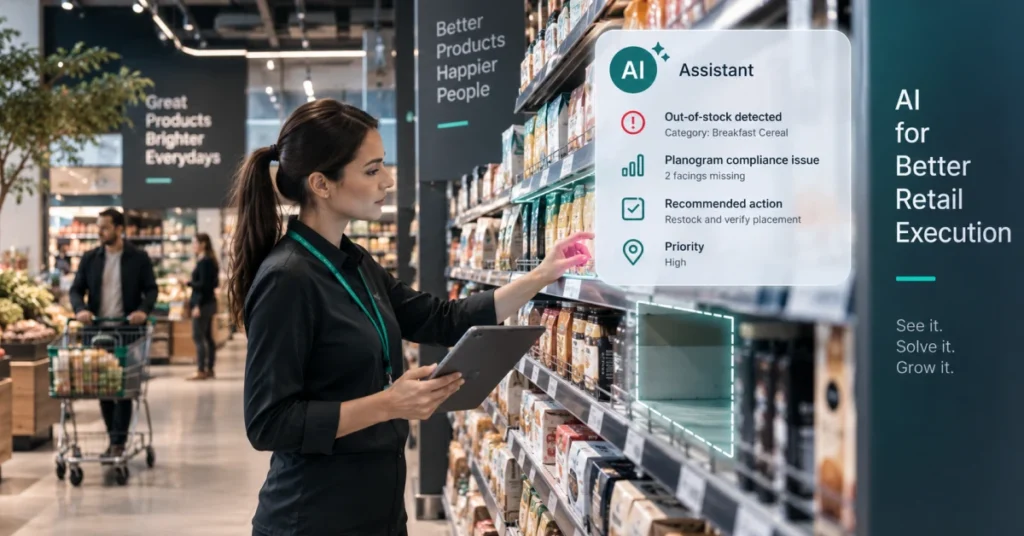
- Image recognition for SKU and planogram analysis: Detect stock levels and shelf placement from photos.
- Photo-based reporting: Provide visual proof of in-store execution.
- Advanced analytics and integrations: Real-time dashboards, Salesforce integrations, and support for external devices like Bluetooth sensors.
Where Form stands out:
FORM enhances audit processes with AI-driven visual analysis, automating shelf compliance and stock tracking. Its combination of task management, training tools, and analytics makes it well-suited for enterprise-scale operations.
Things to consider:
Image recognition and advanced analytics can be resource-intensive, impacting device performance during heavy use. Complex workflows may take time to configure, and enterprise-level features can increase costs.
4. GoAudits
GoAudits is a simple yet powerful audit solution for businesses transitioning away from paper and spreadsheets. Its mobile-first approach speeds up store audits and digitizes inspection processes.
Core capabilities include:
- Flexible audit checklists: Customizable templates for merchandising, health & safety, and incident management.
- Mobile app with offline capability: Full functionality across devices, including offline data collection with photos and notes.
- Instant reports and analytics: Generate professional PDF reports with smart scoring and trend insights.
- Task management: Log issues, assign follow-up tasks, and track resolution with evidence.
- Standardization and communication: Define procedures and share updates across teams.
Where GoAudits stands out:
GoAudits offers a low barrier to entry for businesses adopting digital audits. Its simplicity, strong offline functionality, and fast reporting provide quick value. It is particularly suitable for small to mid-sized retail operations.
Things to consider:
Advanced automation, integrations, and analytics are more limited. Larger enterprises or complex workflows may require additional tools.
5. Zenput
Zenput helps multi-location businesses maintain consistent standards across stores. It ensures operational priorities, safety protocols, and brand standards are executed correctly and on time.
Core capabilities include:
- Standardized audits: Mobile checklists for collecting data, photos, temperature readings, and ratings.
- Automated corrective actions: Automatically assign tasks based on audit responses, with instant alerts for critical issues.
- Real-time visibility: Compare audit status and completion rates across all locations.
- Historical audit tracking: Identify recurring issues and training needs over time.
- Task and temperature monitoring: Manage compliance and safety with integrated tracking and reporting tools.
Where Zenput stands out:
Zenput excels in compliance and operational standardization. It ensures critical processes are executed and verified across large retail and restaurant networks. Automated task creation based on audit results minimizes operational gaps.
Things to consider:
Zenput can have a steeper learning curve, and advanced features may come at additional cost. Its structured approach may feel less flexible for smaller or simpler operations.

Your Strategic Roadmap: How to Choose the Right Retail Audit Software
Choosing the right retail audit software starts with understanding your operations, growth goals and daily field needs. As teams scale, visibility into store data, service history, visit scheduling, routing and GPS tracking becomes just as important as core operations.
Must‑Have Features for Retail Audit Software
Industry benchmarks show that the most commonly used tools focus on customizable checklists, photo/video capture, offline mode and real‑time dashboards. The minimum you should look for includes:
- Customizable checklists – Drag‑and‑drop builders that adapt to brand standards, regulatory requirements and seasonal campaigns.
- Photo and video capture – In‑app media annotation for documenting compliance issues with visual evidence.
- Offline mode – Full functionality without Wi‑Fi, syncing automatically when connectivity returns.
- Real‑time dashboards – Live compliance scores, trend lines and location‑level breakdowns accessible from any device.
- Role‑based access – Detailed permissions for store managers, auditors, regional leaders and executives.
Beyond these table‑stakes features, advanced capabilities such as AI‑powered anomaly detection, IoT sensor integration, predictive analytics and natural‑language reporting separate good platforms from great ones.
How to Choose the Right Retail Audit Software
- Define core needs: Base your choice on your workflows, chain size, service types and growth plans.
- Ease of use: A simple, intuitive interface ensures fast team adoption without heavy training.
- Scalability: The software should support more stores, teams and tasks as you grow; check user‑role granularity and multi‑region deployment.
- Support & training: Strong onboarding, documentation and responsive support make a real difference.
- Trials & demos: Always test the software in real scenarios before committing.
Conclusion: Choosing Software for Retail Audit Programs
The right retail audit software should support how your teams work today and still scale with you tomorrow. While all tools on this list cover core needs, FieldPie stands out by combining powerful field execution with a clean, easy‑to‑use experience — working just as well for small chains as for large operations.
See it in action. Schedule a FieldPie demo and explore real‑world workflows, compliance reporting and store execution.