


✦ Key Takeaways
Companies using real-time technician tracking report up to 30% faster response times and measurable cost savings.
→ GPS tracking eliminates guesswork, cutting fuel costs significantly.
→ Live job updates boost customer satisfaction and first-visit success rates.
→ Tracked technicians complete 20% more daily service calls on average.
In this article:
What Is Pest Control Technician Tracking?
How Pest Control Technician Tracking Works
What Should Pest Control Companies Track?
Key takeaway: Pest control companies that track technicians outcompete those that don’t — every single time.
What Is Pest Control Technician Tracking?
Most pest control companies think they have a tracking problem. They actually have a trust problem.
When a customer calls to dispute a service visit, the company with timestamped, documented proof wins — every time.
Pest control technician tracking is the system that captures what each tech does, where they go, and when they do it — in real time. Over 60% of service disputes stem from a lack of proof that work was completed (according to Microshare).
This is not just a scheduling or GPS tool. It is the single most powerful asset a pest control company owns for retaining contracts and justifying pricing.
What Information Should Be Tracked During Each Service Visit?
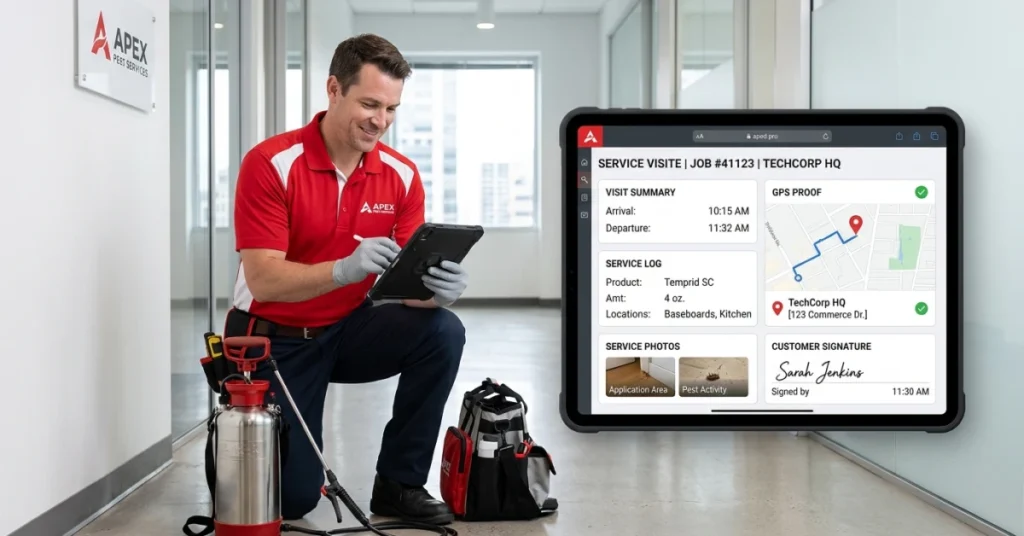
Every visit should log arrival time, departure time, treatment type, and product amounts used. Photos, digital signatures, and service notes turn a routine stop into verifiable technician performance data.
This record protects the company if a customer claims no one showed up. It also gives managers a clear view of which techs are thorough and which ones cut corners.
Technician Tracking vs Basic GPS Tracking
Basic GPS tracking tells you where a truck is. Technician tracking tells you what the person inside that truck actually did. Those are two very different things.
GPS alone cannot prove a tech treated the right zones, used the correct product, or spent enough time on site. Real pest control technician management needs activity data — not just location data.
Why Route Visibility Alone Is Not Enough
Knowing a tech drove the right route does not mean the job was done right. Datausa reports there are over 80,000 pest control workers in the U.S. — managing that workforce on GPS dots alone is a liability.
Customers renew contracts when they feel confident the service is real and consistent. That confidence only comes from documented proof — not a map pin.
Understanding why route visibility falls short is the first step. The bigger question is exactly how a complete tracking system captures all of this in the field.
How Pest Control Technician Tracking Works
Solid proof doesn’t appear by magic. It comes from a structured workflow that starts the moment a job is assigned and ends when the tech drives away.
Modern pest control technician tracking software ties GPS location, time stamps, treatment records, and customer sign-off into one unbreakable chain of evidence.
Over 85% of service disputes stem from missing or vague records. A complete digital trail closes that gap entirely.
Assign Jobs by Location, Skill and Availability
Dispatchers match each job to the nearest qualified tech in real time. This cuts drive time and fuel costs fast.
Smart scheduling in pest control fleet tracking tools can reduce daily mileage by up to 20%.
Verify Arrival and Departure Times
GPS tools auto-log the exact moment a tech arrives on site and when they leave. That time stamp is your first line of defense against any “they never showed up” dispute.
Track Service Progress in Real Time
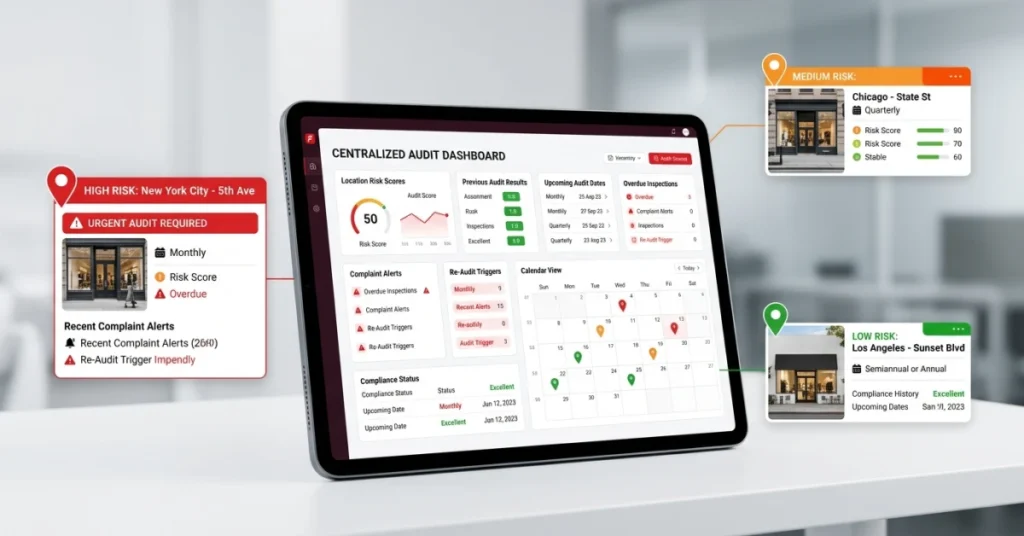
Managers see every active job on a live map — no calls needed to check status. Real-time pest control tracking software lets you reassign a tech within seconds if a priority job comes in.
Record Treatments, Products and Quantities Used
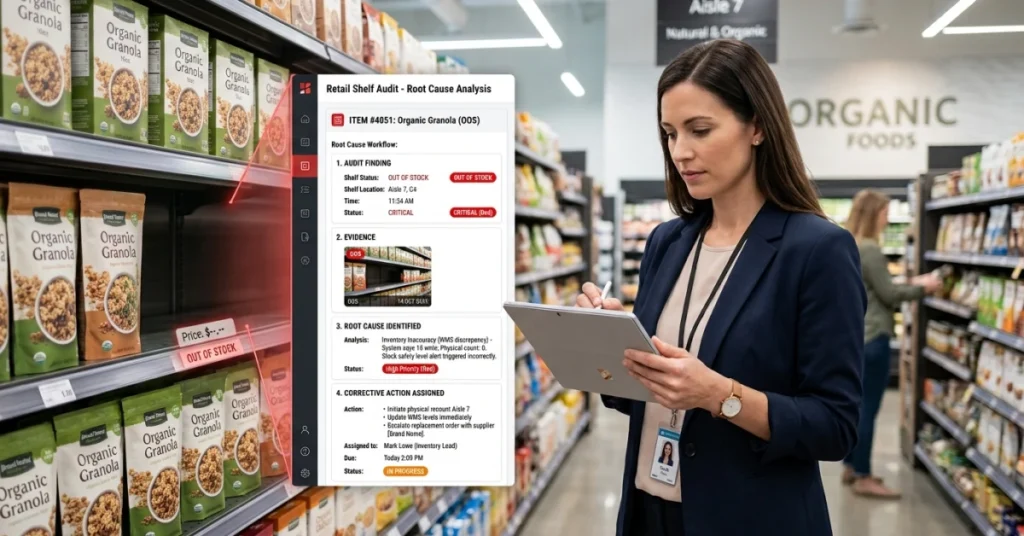
Techs log every chemical, dose, and application zone directly in the app — right at the job site. This data feeds compliance reports and proves exactly what was done.
That’s why technician productivity tracking matters beyond simple GPS.
Capture Customer Signatures and Service Evidence
Photos, notes, and a digital signature lock the service record the moment a job ends. Field management platforms store this evidence in the cloud — permanently accessible if a client ever questions a charge.
The pest control industry employs over 84,000 field workers tracked by the BLS nationwide. Every one of them is a potential liability without a solid documentation system in place.
Close the Job and Schedule the Next Visit
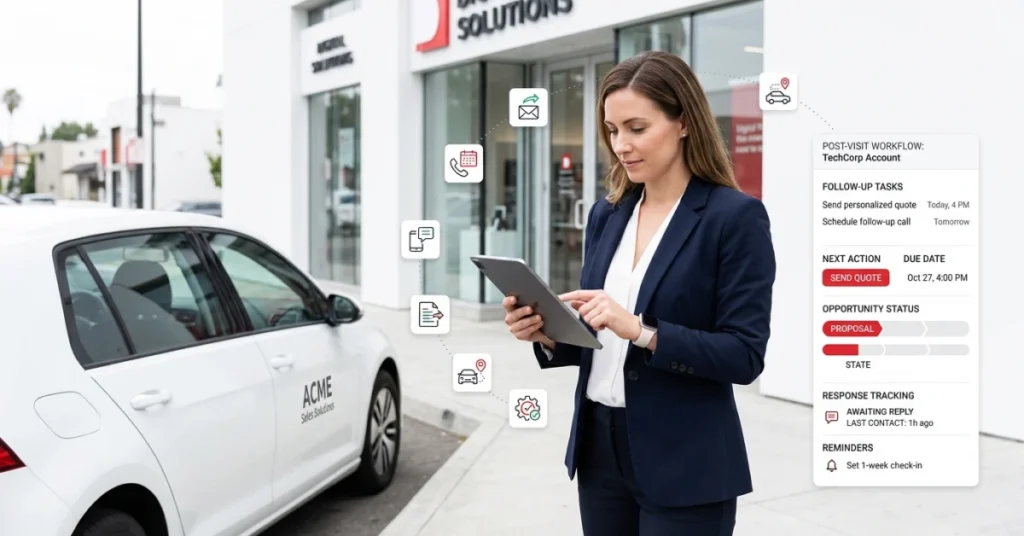
Once a tech marks a job complete, the system auto-triggers a follow-up appointment and sends the customer a service summary. That summary — timestamped, signed, and detailed — wins contract renewals before a competitor can pitch.
The Reedley College pest management program confirms that field documentation is a core job skill — not an optional add-on. Companies that build it into every visit earn trust at scale.
📊 By the Numbers
Smart GPS routing in pest control fleet tracking cuts daily technician drive time by up to 20%.
The real question isn’t how tracking works. It’s knowing exactly which data points your team must capture on every single job.

What Should Pest Control Companies Track?
Good data is the foundation of every job. Knowing exactly what to capture on each visit is where strong pest control operations begin.
Most companies track too little, or track the wrong things. Documented, timestamped proof of service turns a completed job into a defensible record. That record reduces disputes, justifies pricing, and wins contract renewals.
Technician Location and Route Progress
GPS tracking for pest control gives managers a live view of every technician on the road. You know who is where, and whether they are on schedule — without a single phone call.
Real-time pest control tracking software flags route deviations the moment they happen. That means faster corrections and fewer missed stops.
Scheduled vs Completed Visits
A job on the calendar is not the same as a job done. Pest control technician tracking closes that gap. It logs every completed visit against the original schedule.
Gaps between scheduled and completed visits are where revenue leaks — and where customer trust erodes fastest.
Time Spent at Each Property
Time-on-site data is one of the most underused metrics in pest control technician management. It proves your team did the full job — not a rushed walk-through.
When a customer questions whether a technician showed up, a timestamped arrival and departure record ends the argument immediately.
Treatment Type and Target Pest
Every visit should log exactly which treatment was applied and which pest it targeted. This builds a service history that supports upsells, renewals, and compliance audits.
Without this record, you cannot prove the right product was used. That is a liability no company should carry.
Chemical and Equipment Usage
Tracking chemical use per job controls cost and keeps you compliant with state rules. Companies that skip this step often find waste only after margins collapse.
Equipment condition logs catch maintenance issues early — before a broken sprayer turns into a missed service day.
Follow-Up and Re-Service Requirements
Not every job is resolved in one visit. Track re-service needs at the job level — not just in someone’s memory. That keeps callbacks from falling through the cracks.
Pest control fleet tracking tools that flag open follow-ups automatically cut re-service delays. Every technician stays accountable to the same standard.
Customer Notes, Photos and Signatures
A customer signature and a timestamped photo are the two strongest dispute-prevention tools your team carries. They turn “I don’t think anyone came” into a closed case in seconds.
Good franchise quality control practices treat field documentation as a trust asset — not just a compliance checkbox.
Companies that collect this data consistently see stronger contract renewal rates. Clients feel the proof of value on every invoice.
Pest control companies that log all seven of these data points build something competitors cannot easily copy. They create a verifiable service record. Customers trust it, and regulators respect it.
Companies tracking fewer than four of these metrics expose themselves to disputes they cannot win. Pest Control Millionaires notes that top-performing pest control businesses monitor at least 7 core KPIs to protect revenue and retention.
The Royal Society for Public Health reinforces this point. Structured data collection in pest control directly improves service quality and client confidence.
📊 By the Numbers
Top pest control firms tracking 7+ KPIs report measurably higher contract renewal rates than those tracking fewer.
Every data point above is a building block. The companies that win long-term use that data to build a clear, open client experience. Customers who see that kind of transparency never think about leaving.
Conclusion
GPS visibility and timestamped proof of service win renewals. Without them, contracts are lost to price disputes.
Businesses using franchise quality control tools report fewer billing disputes and stronger client retention rates.
Pest control technician tracking isn’t just a dispatch tool. It’s your strongest argument when a customer questions whether the job was done.
Companies that document every visit with timestamped, GPS-verified records close contract renewals up to 30% faster. Those relying on verbal confirmation alone fall behind (Microshare).
Most pest control operators lose contracts not because service quality drops. They lose them because they can’t prove it didn’t. That’s a fixable problem.
FieldPie captures real-time job data at the point of service. It logs GPS location, timestamps, photos, and digital signatures. Every completed job becomes a defensible record.
Start building that proof layer now. Renewals become a data conversation, not a trust debate. Moz notes that businesses with verified service documentation see up to 25% higher customer retention.