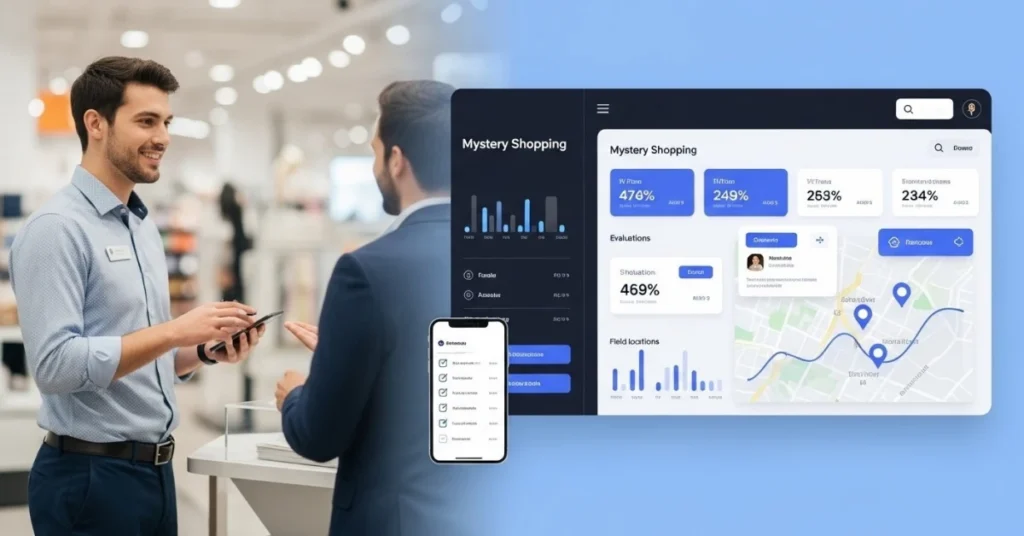
A field team consists of employees who operate outside the office, directly interacting with customers, assets, or physical locations. From sales and service to inspections and installations, field teams play a critical role in executing business operations where it matters most—on the ground.
As competition increases and customer expectations rise, companies that effectively manage their field teams gain a significant advantage in efficiency, visibility, and customer satisfaction.
What Is a Field Team?
A field team is a group of professionals who perform tasks in external environments rather than within a centralized office. These teams are typically mobile and rely on digital tools to manage their daily activities.
Key characteristics of field teams include:
- Working outside the office in real-world environments
- Direct interaction with customers or physical assets
- Use of mobile devices and applications
- Real-time data collection and reporting
- Dependence on scheduling and route planning
What Do Field Teams Do?
Field team responsibilities vary depending on the industry, but they generally fall into the following categories:
1. Field Sales Activities
- Visiting customers and prospects
- Presenting products or services
- Taking orders and managing relationships
2. Technical Service and Support
- Installation and maintenance
- Troubleshooting and repairs
- On-site technical assistance
3. Inspections and Audits
- Store or site inspections
- Merchandising and planogram checks
- Compliance and quality control
4. Data Collection and Reporting
- Filling out digital forms and checklists
- Capturing photos or videos as proof
- Submitting real-time reports
Which Industries Use Field Teams?
Field teams are essential across many industries. Here are the most common ones:
1. Retail and FMCG
- Store visits and merchandising
- Shelf availability and stock tracking
- Promotion execution
2. Telecommunications
- Infrastructure installation
- Network maintenance
- On-site technical support
3. Healthcare and Medical
- Medical device setup
- Hospital and clinic visits
- Field sales representatives
4. Energy and Utilities
- Meter reading and inspections
- Maintenance of infrastructure
- Field operations management
5. Service-Based Industries
- HVAC (heating and cooling services)
- Cleaning and maintenance services
- Pest control operations
6. Logistics and Distribution
- Delivery and last-mile operations
- Route optimization
- Fleet and shipment tracking
Why Is Field Team Management Important?
Field teams are often the face of a company. Their performance directly impacts customer experience and operational success.
Here’s why effective field team management matters:
- Improves customer satisfaction through timely and reliable service
- Increases operational efficiency with better planning and execution
- Enables real-time decision-making with accurate field data
- Reduces errors and delays in field operations
- Boosts sales and service performance
Studies show that route optimization and better scheduling can improve field productivity by up to 20–25%, making management tools and processes even more critical.
Challenges in Managing Field Teams
Many organizations struggle with common field management challenges:
- Reliance on manual processes and spreadsheets
- Lack of real-time visibility
- Inefficient route and time planning
- Inconsistent audits and field execution
- Difficulty tracking performance
These issues often lead to missed opportunities, inefficiencies, and revenue loss.
How Digital Tools Improve Field Team Performance
Modern businesses are increasingly adopting digital solutions to manage their field operations more effectively.
With the right tools, companies can:
- Assign and track tasks automatically
- Plan and optimize routes
- Standardize workflows with digital checklists
- Capture location and photo proof
- Monitor performance through real-time dashboards
This digital transformation not only simplifies operations but also provides full visibility into field activities.
Conclusion
Field teams are the backbone of many industries, ensuring that operations run smoothly beyond the office walls. Whether it’s closing a sale, fixing a problem, or ensuring compliance, their work directly influences business outcomes.
Companies that invest in better field team management strategies and digital tools are better positioned to scale, compete, and deliver exceptional customer experiences.