



This article focuses on how hotel mystery audits improve real guest experience in 2026 — not on how to run audits step by step.
Hotel leaders often believe they understand the guest experience. Dashboards look fine, reviews seem positive, and procedures are clearly documented. Yet many service breakdowns happen quietly — during busy shifts, handovers, or routine interactions guests never formally complain about.
Hotel mystery audits focus on exactly these moments. Rather than explaining how to run an audit step by step, this article explores what mystery audits reveal about real guest experience and how hotels use these insights to improve service consistency and operational quality.
What Mystery Audits Reveal About the Real Guest Experience
In 2026, a hotel mystery audit goes beyond checking service steps. A trained evaluator experiences the hotel exactly as a real guest would — without staff awareness — capturing how service truly unfolds under everyday operational conditions. The real value lies not in the checklist, but in the unfiltered view of guest experience during real-world pressure points.
Mystery audits reveal:
- How service policies are actually applied during peak occupancy and staff turnover
- Where guest experience breaks down under operational pressure, not theory
- Whether brand standards remain consistent across shifts, teams, and busy periods
Because visits are unannounced, findings reflect how hotels really perform in daily operations — not how they perform during scheduled inspections, internal reviews, or management walkthroughs.
What Guests Experience vs. What Management Assumes
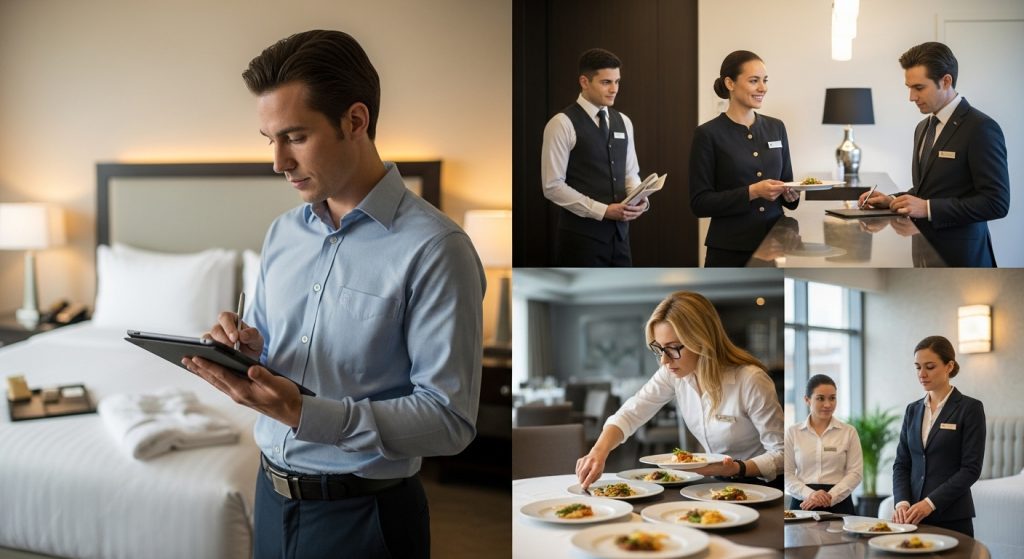
The gap between internal assumptions and real guest experience continues to widen as hotel operations become more complex. While management may believe processes function as designed, guests often encounter friction at key moments — especially during busy periods, staff rotation, or operational pressure. As guest journeys grow more connected and less linear, even small inconsistencies can quickly shape overall perception.
In practice, guests encounter issues such as:
- Slow or inconsistent check-in greetings during peak hours
- Miscommunication around reservations, upgrades, or special requests
- Service quality that varies depending on staff member or shift
Mystery audits make these gaps visible. They reveal where guest experience depends on who is working rather than how the hotel is designed to operate — an increasing risk for service consistency and brand trust.
Why Traditional Guest Feedback Misses Critical Service Gaps
Online reviews and post-stay surveys remain valuable signals, but they no longer provide a complete picture of guest experience. Most feedback highlights visible outcomes, while many operational service gaps occur quietly during everyday interactions and therefore go unreported.
In practice, guest feedback typically focuses on:
- Extreme positive or negative moments, rather than everyday service consistency
- Major failures, instead of small but recurring irritations
- Outcomes, without revealing underlying operational root causes
Mystery audits fill this gap by capturing behavioral detail — tone of voice, response time, body language, and procedural accuracy. These signals explain why service issues occur, not just that they occurred, making mystery audits essential for diagnosing experience breakdowns and protecting service quality.
How Mystery Audits Protect Brand Consistency Across Shifts and Locations
For hotel groups and multi-property brands, consistency is the real challenge.
Mystery audits help answer questions like:
- Does the night shift deliver the same experience as the morning shift?
- Are brand standards applied uniformly across properties?
- Do new staff members follow service protocols under real conditions?
By applying the same evaluation criteria across visits, hotels can benchmark locations, identify variance, and reinforce brand standards with evidence rather than assumptions.
Operational Signals Hidden Inside Mystery Audit Results
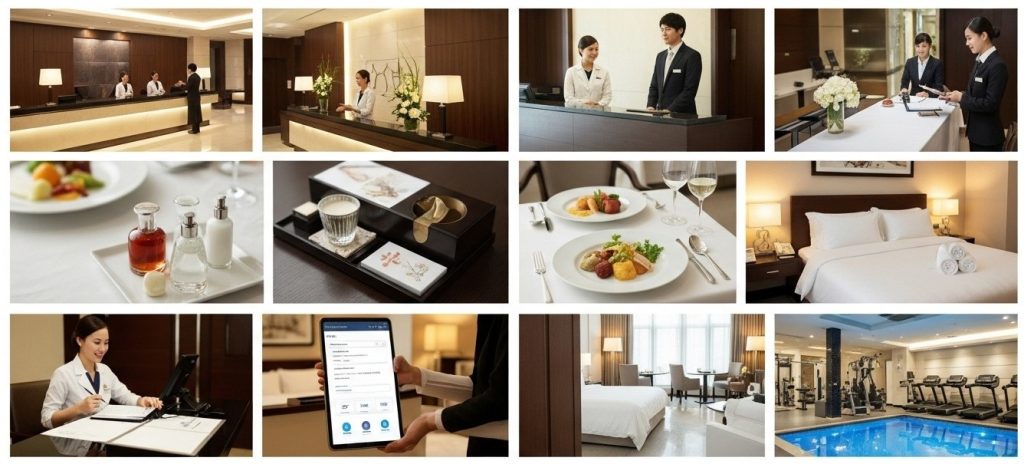
Beyond service quality, mystery audits surface operational insights such as:
- Bottlenecks at reception during peak hours
- Training gaps revealed through repeated staff errors
- Process inefficiencies that frustrate guests but go unnoticed internally
These findings turn audits into operational intelligence tools, not just quality checks.
From Audit Findings to Measurable Guest Experience Improvements
The real value of a mystery audit begins after the visit.
High-performing hotels use audit results to:
- Refine SOPs where procedures break down
- Design targeted, role-specific training
- Address recurring issues before they impact reviews
- Track improvements over time using consistent benchmarks
When audit insights lead directly to action, hotels see measurable gains in guest satisfaction, service consistency, and staff performance.
How Digital Tools Simplify Hotel Audits
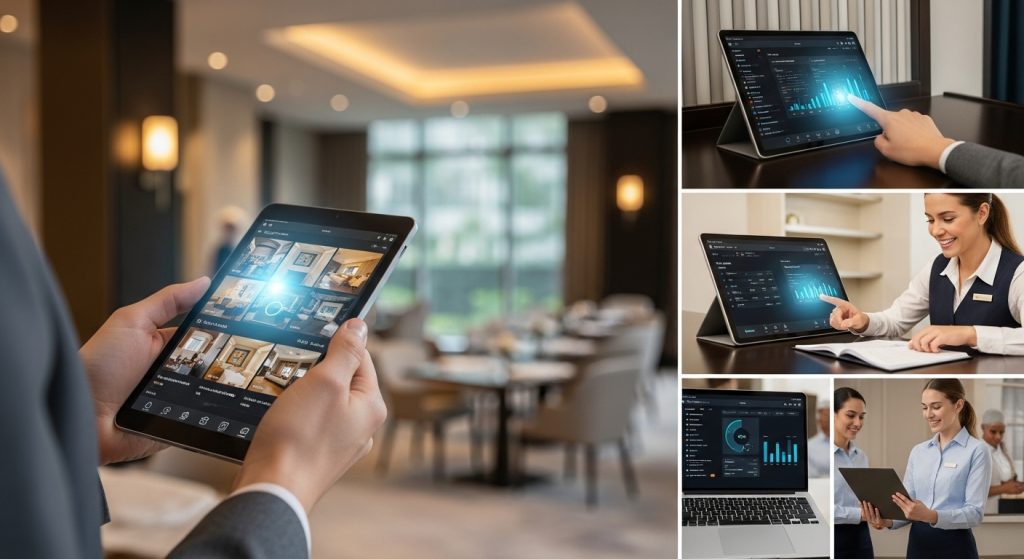
Hotels increasingly use digital tools to run mystery audits faster and more effectively. Instead of paper checklists and delayed reports, auditors capture findings directly on mobile — turning observations into real-time insight.
Modern audit platforms enable:
- Real-Time Data Capture: Photos, scores, and notes are recorded on-site and synced instantly.
- Instant Dashboards: Results are visualized across locations, making patterns and gaps easy to spot.
- Action Tracking: Issues become assigned tasks, ensuring audit findings lead to follow-up.
- Consistent Analytics: Data is aggregated over time to benchmark performance and track improvement.
Platforms like FieldPie bring these capabilities together in one system, helping hotels move from audit results to corrective action without manual work or reporting delays — and improve guest experience with confidence.
When to Run Mystery Audits for Maximum Insight
Rather than fixed schedules alone, effective hotels time mystery audits strategically:
- During peak occupancy to stress-test service
- After onboarding new staff
- Following process or brand updates
- When performance metrics fluctuate unexpectedly
This approach ensures audits reflect real operating conditions, not ideal scenarios.
Conclusion
Hotel mystery audits are not simply quality checks — they are experience diagnostics. By revealing how guests truly experience service, these audits help hotels identify blind spots, protect brand standards, and improve operations where it matters most.
When supported by digital platforms like FieldPie, mystery audits become easier to manage and faster to act on. Results are centralized, insights are clear, and improvements are measurable.
Hidden insights already exist inside your daily operations. The question is whether you’re capturing them.
Discover how FieldPie enables hospitality teams to turn mystery audit insights into consistent, measurable guest experience improvements.