


Operational excellence in retail is the discipline of consistently delivering superior customer value by streamlining every store process, aligning teams around measurable performance goals, and eliminating waste across the supply chain, workforce, and digital infrastructure — all while sustaining profitability.
What Is Operational Excellence in Retail — and Why Does It Define Winners in 2026?
Retail has never been more unforgiving. Margins are compressed, consumer expectations reset daily, and the gap between top-performing stores and laggards is widening at a pace that research from The Boston Consulting Group confirms — best-practice organizations consistently outperform peers by 20+ percentage points on return metrics, even in turbulent markets.
The retailers that survive aren’t simply working harder. They’re executing smarter: standardizing processes, equipping teams with real-time data, and building a culture where every associate understands how their daily actions connect to brand-level outcomes.
For brands operating dozens or hundreds of stores, the operational stakes are even higher. A 2% improvement in labor efficiency across 500 locations doesn’t just look good in a quarterly report — it compounds into a structural competitive advantage.
What Are the Core Pillars of Operational Excellence in Retail?
Operational excellence in retail rests on four interdependent pillars. Weakness in any single pillar creates drag across the entire system.
| Pillar | What It Covers | Key Performance Indicator |
|---|---|---|
| Process Standardization | SOPs, task execution, compliance | Task completion rate (%) |
| People & Teams | Training, accountability, scheduling | Labor productivity per hour |
| Inventory Management | Stock accuracy, replenishment cycles | Shrinkage rate, out-of-stock % |
| Digital Enablement | POS, analytics, mobile tools | Real-time data adoption rate |
How Does Process Standardization Drive Store Performance?
Inconsistent execution is the silent margin killer. When stores operate without standardized procedures, every location reinvents the wheel — wasting time, creating compliance gaps, and degrading the customer experience.
Leading retailers build SOPs that are:
- Specific: Each task has a defined owner, duration, and expected output.
- Measurable: Completion is logged, not assumed.
- Scalable: The same process works whether you operate 10 stores or 1,000.
According to Kaizen Institute’s analysis of store productivity, retailers that implement structured daily management routines — including visual performance boards and short-cycle improvement meetings — see measurable gains in both execution speed and staff engagement within 90 days.
How Do High-Performing Teams Fuel Operational Efficiency?
No process survives contact with a disengaged workforce. Teams are the execution layer of every operational strategy, and their performance directly determines whether standards translate from policy documents into daily store reality.
The highest-performing retailers invest in three team-level practices:
- Role clarity: Every associate knows exactly what they’re responsible for and how their performance is measured.
- Micro-training loops: Short, frequent training sessions (10–15 minutes) embedded into shift schedules outperform annual classroom formats.
- Real-time feedback: Managers who receive same-day performance data can coach in the moment, not weeks after the fact.

What Are the Biggest Operational Challenges Retailers Face Today?
Before you can fix a system, you have to diagnose it honestly. The following challenges were consistently identified across retail operations best-practice research as the highest-impact friction points:
Challenge 1: Inventory Accuracy Gaps
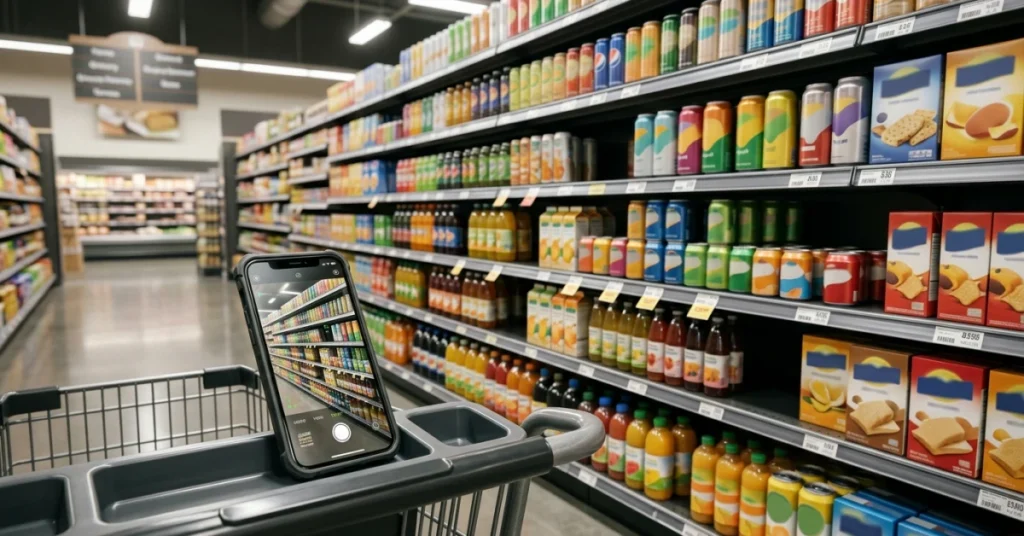
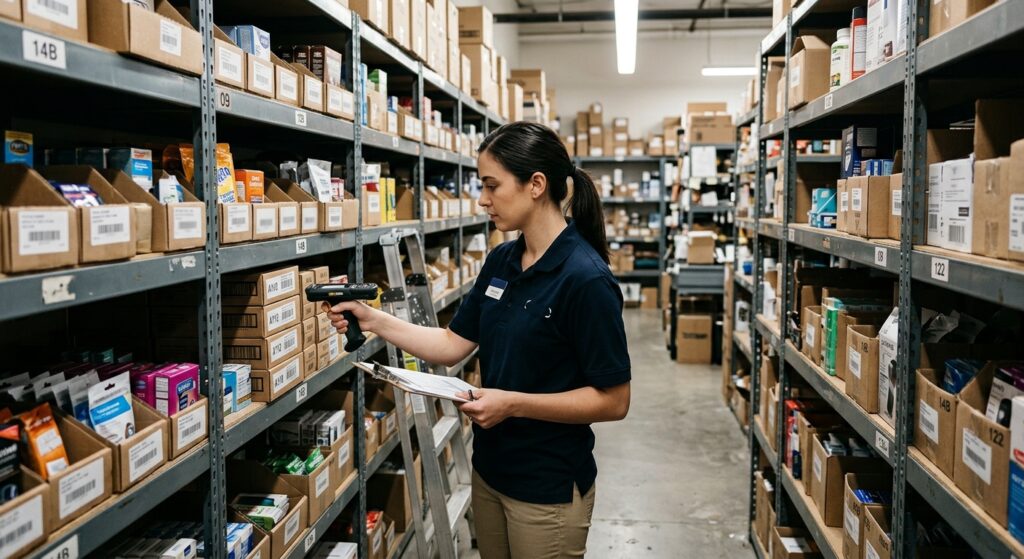
Inventory discrepancies between systems and physical stock are no longer a minor nuisance — they’re a revenue event. When inventory data is wrong, stores either overstock (tying up capital) or run out of high-demand SKUs (losing sales and loyalty).
The retail industry average for inventory accuracy hovers around 65–70%, meaning roughly one in three items is miscounted or mislocated. Retailers with best-in-class inventory management achieve 95%+ accuracy through:
- RFID-enabled cycle counting
- Automated replenishment triggers
- Real-time shrinkage tracking
Challenge 2: Inconsistent Brand Execution Across Stores
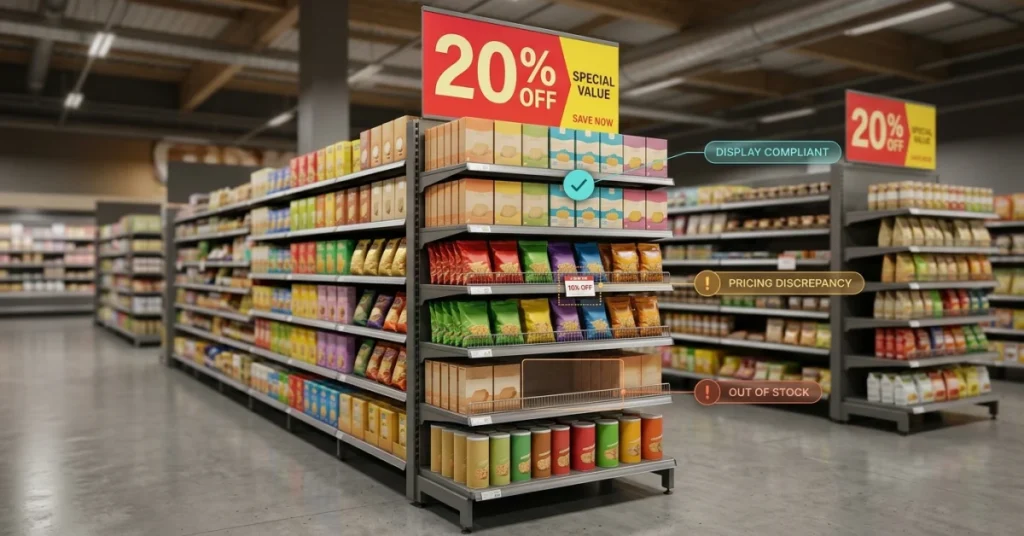
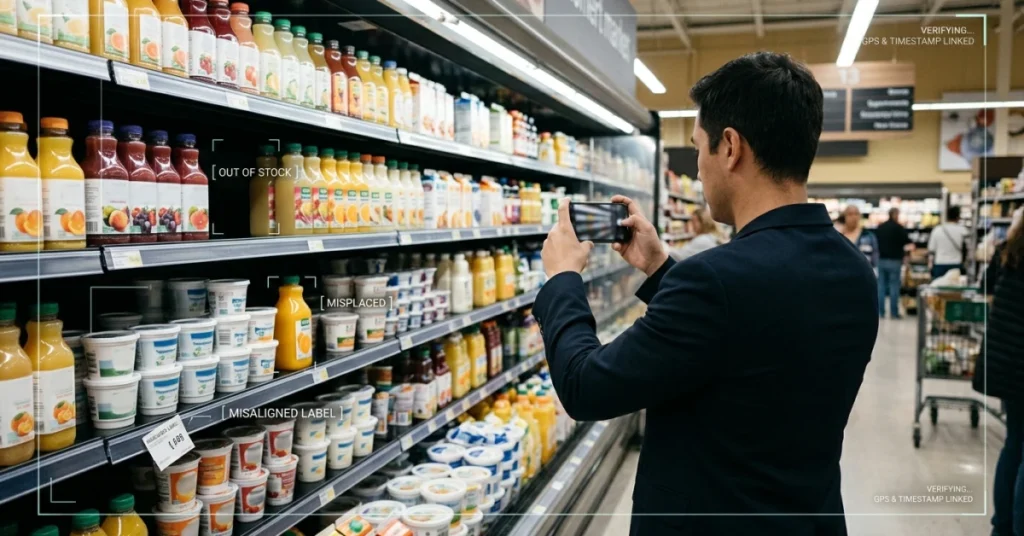
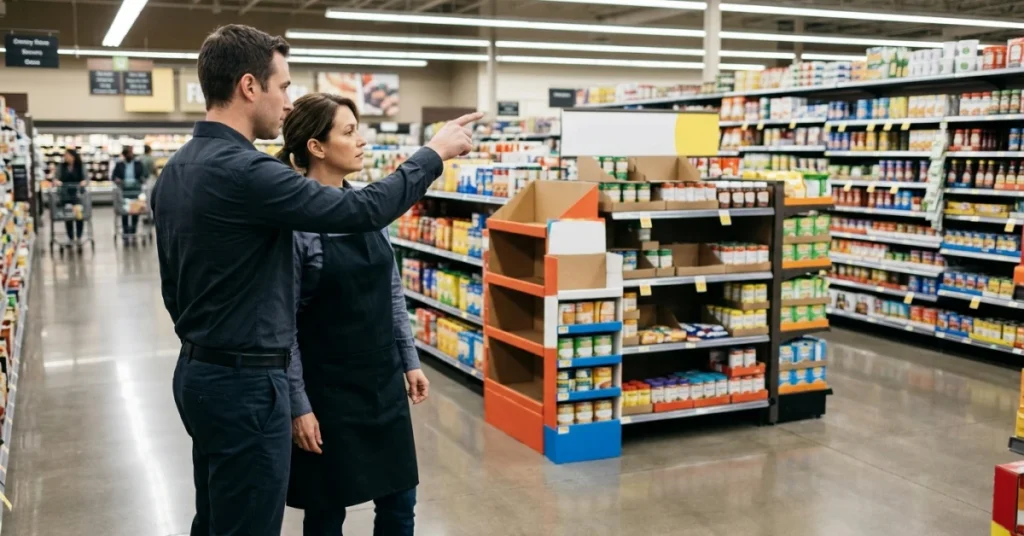
This is the execution gap: the distance between what headquarters designs and what customers actually experience in stores. Planogram compliance, promotional display setup, and pricing accuracy all suffer when there’s no closed-loop verification system in place.
As Orisha Commerce notes in its retail operations framework, the stores that achieve the highest consistency are those with digital task management systems that capture photographic proof of execution — not just checkbox confirmations.
Challenge 3: Reactive — Not Proactive — Performance Management
Most retail managers spend their time reacting: fixing what broke last week, responding to complaints, chasing missing reports. This reactive posture is expensive. It means problems compound before they’re caught.
The shift to proactive management requires:
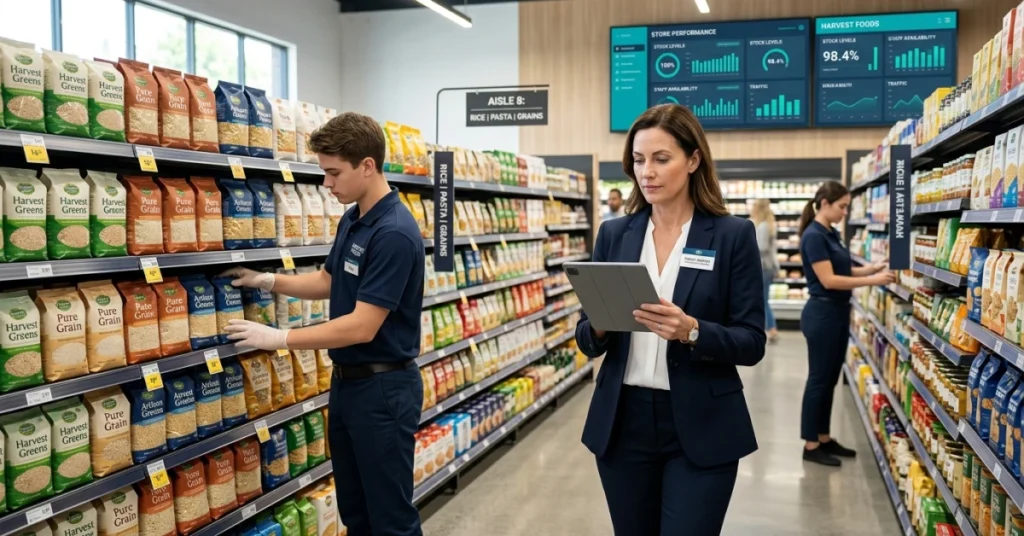
- Daily KPI dashboards visible at the store level
- Automated alerts when performance thresholds are breached
- Structured weekly review cadences between field teams and regional managers
How Can Retailers Build a Practical Operational Excellence Strategy?
Strategy without execution is fantasy. The following framework translates high-level operational goals into daily store actions.
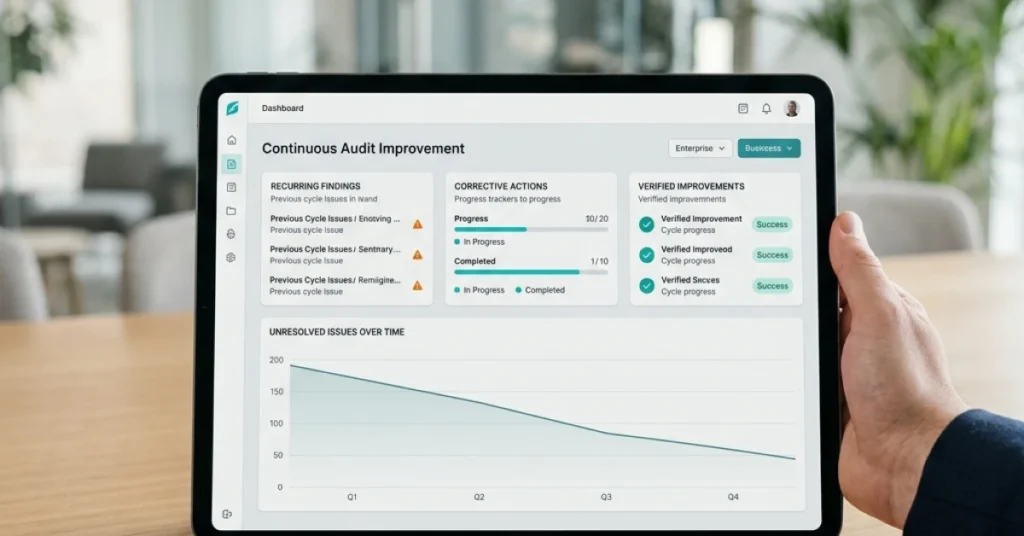
Step 1: Audit Your Current State
You cannot improve what you cannot measure. Begin with a full operational audit across all stores, covering:
- Task completion rates by department
- Inventory accuracy by category
- Planogram compliance scores
- Customer satisfaction scores by location
Benchmark each store against your top 10% performers. The gap analysis reveals your highest-ROI improvement areas.
Step 2: Standardize Your Core Processes
Document every repeatable task as a standard operating procedure. Prioritize the processes that have the highest customer-facing impact: opening and closing routines, replenishment workflows, and promotional setup execution.
Retailers serious about process discipline treat their SOPs as living documents — reviewed quarterly and updated as conditions change. If you’re building out your store audit framework, a structured retail audit checklist can accelerate standardization across locations.
Step 3: Equip Teams With the Right Digital Tools
Paper-based task management is a performance ceiling. Digital tools — particularly mobile-first platforms — give store teams and field managers a shared operational language. They enable:
- Real-time task assignment and completion tracking
- Photo-verified compliance evidence
- Instant communication between stores and HQ
Step 4: Measure, Analyze, and Iterate
Set a cadence for performance review. Weekly at the store level. Monthly at the regional level. Quarterly at the brand level. Each review should produce specific actions — not just observations.
The retailers that achieve sustained operational excellence are those that treat performance data as a management asset, not a reporting obligation.
How Does Technology Accelerate Retail Operational Excellence?
Digital transformation isn’t a future-state aspiration for retailers — it’s a present-day competitive requirement. The retailers that were early adopters of mobile-first field management tools have built a measurable execution advantage over peers who still rely on spreadsheets and email chains.
What Role Does Real-Time Data Play in Store Efficiency?
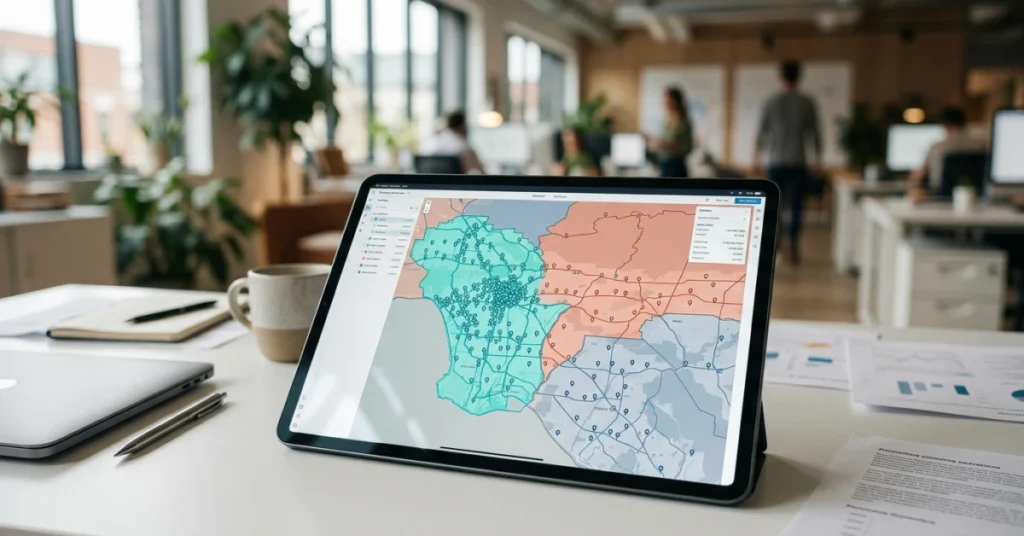
Real-time data changes the management equation. Instead of reviewing last week’s numbers in a Monday morning report, store managers and regional directors can see exactly what’s happening across their estate — right now.
This visibility enables:
- Faster intervention: When an inventory variance or compliance gap appears, managers can act within hours, not days.
- Better resource allocation: Teams can be deployed to the highest-need stores based on live performance data, not assumptions.
- Accountability without micromanagement: When performance is visible, teams self-correct more readily.
How Are Leading Brands Using Technology to Close the Execution Gap?
The most sophisticated retailers no longer treat their stores as isolated units. They operate them as a connected network — sharing performance data, best practices, and operational learnings in real time.
This network model requires:
- A centralized operations platform that aggregates data from all stores
- Mobile tools that give field teams visibility without requiring desktop access
- Automated reporting that surfaces exceptions, not just averages
Brands that have adopted this model report significant gains in both efficiency and execution consistency. According to TimeSkipper’s analysis of operational improvement levers in retail, the three factors with the highest impact on store performance are time allocation visibility, task prioritization systems, and real-time manager feedback loops — all of which require a digital backbone to function at scale.
What KPIs Should Retailers Track to Measure Operational Excellence?
Measurement without the right metrics is noise. The following KPIs are the industry standard for tracking operational performance across retail store networks:
| KPI | What It Measures | Target Benchmark |
|---|---|---|
| Task Completion Rate | % of assigned tasks completed on time | ≥95% |
| Inventory Accuracy | Physical vs. system stock match | ≥92% |
| Planogram Compliance | % of displays matching standard | ≥90% |
| Out-of-Stock Rate | % of SKUs unavailable at point of sale | ≤2% |
| Labor Productivity | Revenue per labor hour | Category-specific |
| Customer Satisfaction Score | NPS or CSAT by store | Top-quartile target |
| Audit Score | Average score across all store audits | ≥85% |
Teams that track these KPIs weekly — and connect them to individual store action plans — consistently outperform those that review performance monthly or quarterly. To understand how these metrics connect to broader brand health, review the full framework for retail brand execution standards.
Frequently Asked Questions (FAQ)
What is operational excellence in retail, and how is it different from standard store management?
Operational excellence in retail is a systematic, data-driven approach to running stores at peak efficiency and consistency — across every location, every day. Standard store management focuses on keeping individual stores running. Operational excellence focuses on building the systems, processes, and performance culture that make excellence repeatable and scalable across an entire retail network.
How long does it take to achieve operational excellence in retail?
There is no finish line — operational excellence is a continuous improvement discipline. However, retailers that implement structured task management, digital audit tools, and weekly performance reviews typically see measurable gains in execution consistency within 60–90 days. Sustained, compounding improvement emerges over 12–18 months of consistent practice.
What is the biggest barrier to operational excellence in multi-location retail?
The execution gap: the distance between what headquarters designs and what stores actually deliver. This gap grows with scale. Retailers with 50+ stores who rely on manual reporting and email-based communication almost always have significant, invisible execution inconsistencies. Closing this gap requires digital tools that provide real-time visibility into store-level performance — not quarterly audit snapshots.
Conclusion
Operational excellence in retail is not a program you launch — it’s a standard you build into the operating DNA of your organization. The retailers that will define the category in 2026 and beyond are those investing now in process standardization, team performance infrastructure, inventory precision, and digital execution tools.
The checklist above gives you a clear diagnostic starting point. The framework gives you a roadmap. What moves the needle is consistent, disciplined execution — every shift, every store, every day.