


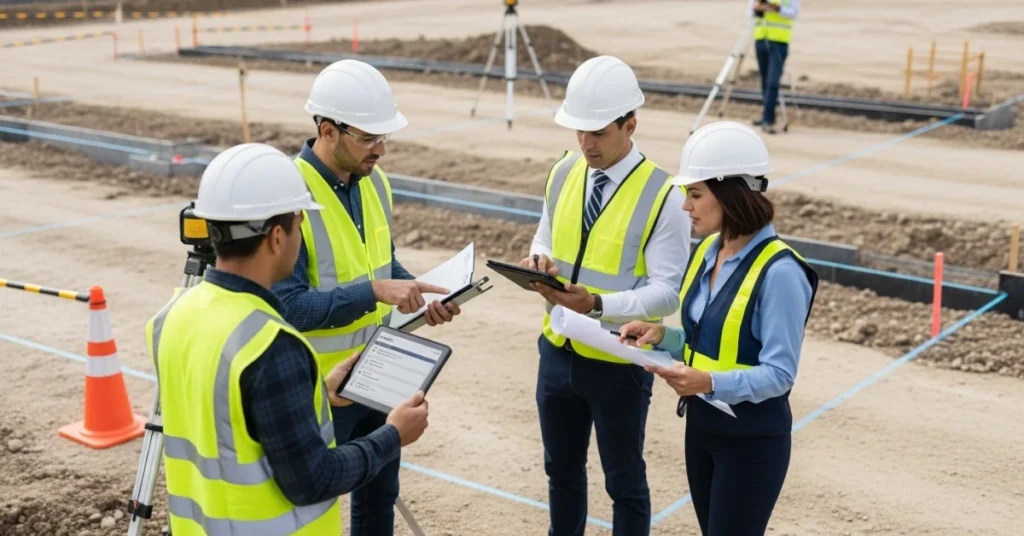
What Is a Pre-Construction Inspection?
A pre-construction inspection is a structured evaluation conducted before any physical work begins on a construction project. Its primary goal is to verify that the site, plans, permits, materials, and safety conditions are fully aligned with project requirements.
Unlike routine site inspections during construction, a pre-construction inspection focuses on preventing issues before they occur, rather than detecting them later.
Why Is Pre-Construction Inspection Important?
Skipping or rushing this phase can lead to delays, rework, and costly compliance issues.
A well-executed pre-construction inspection helps teams:
- Identify risks before construction starts
- Ensure compliance with local regulations and permits
- Align all stakeholders on project scope and expectations
- Reduce rework and unexpected costs
- Improve overall project efficiency
👉 In short: It sets the foundation for a successful project.

What Happens If You Skip It?
Projects that ignore pre-construction inspection often face:
- Permit issues and legal delays
- Design mismatches between plans and site conditions
- Safety risks due to unverified environments
- Budget overruns caused by unexpected corrections
Key Components of a Pre-Construction Inspection
A comprehensive pre-construction inspection should cover the following areas:
🏗️ Site Conditions
- Soil condition and grading readiness
- Accessibility for equipment and materials
- Environmental constraints
📐 Plans & Documentation
- Approved drawings and specifications
- Scope clarity and alignment
- Change order history
📋 Permits & Compliance
- Building permits
- Zoning approvals
- Safety and environmental regulations
🦺 Safety Readiness
- Hazard identification
- PPE requirements
- Emergency procedures
🔧 Materials & Equipment
- Availability of required materials
- Equipment readiness
- Storage and logistics planning
Step-by-Step Pre-Construction Inspection Process
1. Review Project Documentation
Ensure all plans, permits, and specifications are complete and approved.
2. Conduct Site Walkthrough
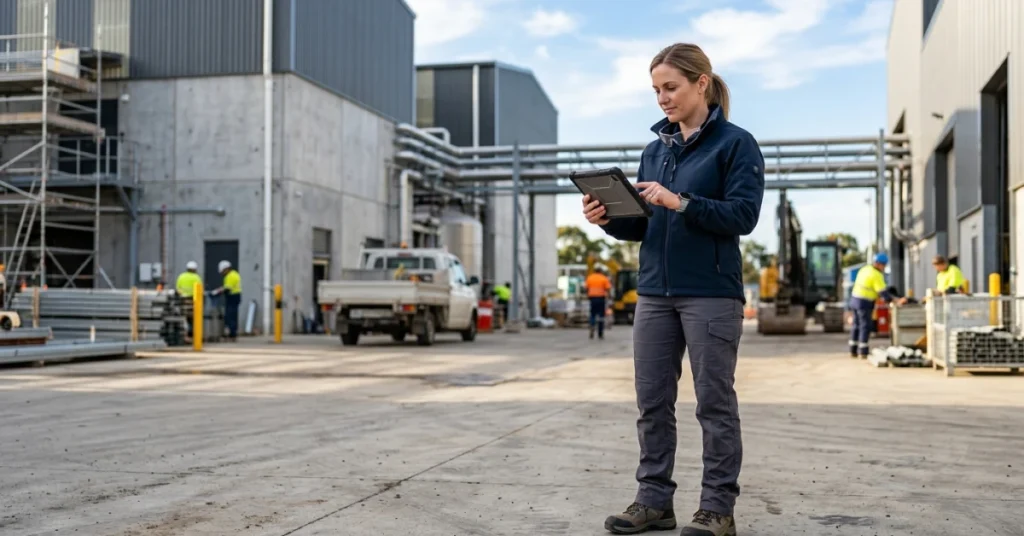
Visit the site with key stakeholders to identify physical constraints and risks.
3. Verify Compliance Requirements
Check that all legal and regulatory conditions are met before starting work.
4. Identify Risks and Gaps
Use risk assessment techniques to detect potential issues early.
5. Document Findings
Record observations clearly with photos, notes, and assigned responsibilities.
6. Align Stakeholders
Ensure contractors, engineers, and owners are aligned on next steps.
Pre-Construction Inspection Checklist (Quick View)
- Site ready for construction
- Permits approved and valid
- Drawings reviewed and aligned
- Safety measures defined
- Materials and equipment confirmed
- Risks identified and documented
Best Practices for Pre-Construction Inspection
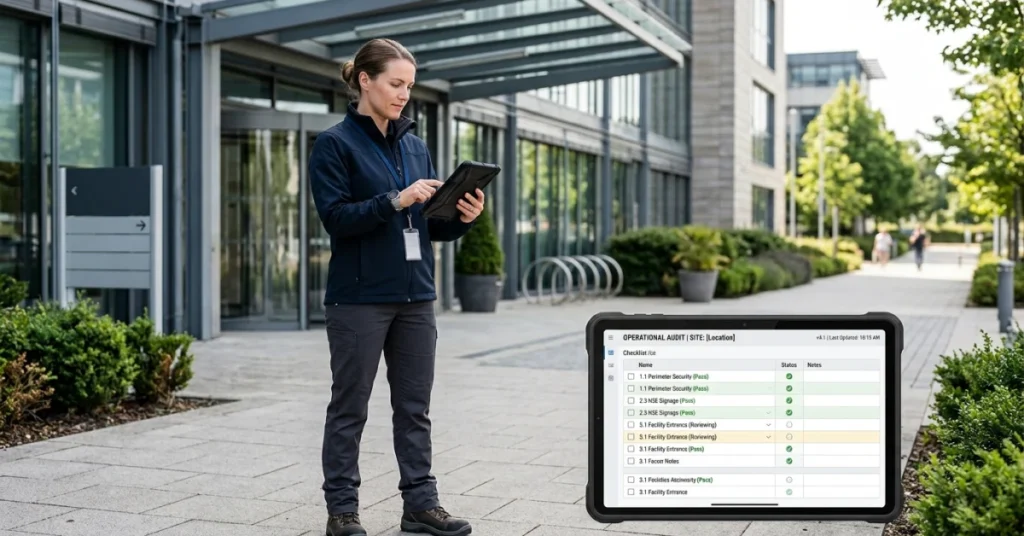
- Use digital inspection tools instead of paper
- Standardize your inspection checklist across projects
- Involve all key stakeholders early
- Capture visual evidence (photos/videos)
- Track issues and actions in real time

Pre-Construction Inspection vs. Site Inspection
| Aspect | Pre-Construction Inspection | Site Inspection |
|---|---|---|
| Timing | Before work starts | During construction |
| Focus | Planning & readiness | Execution & quality |
| Goal | Prevent issues | Detect issues |
Final Thoughts
A strong pre-construction inspection process is not just a formality—it is a strategic step that directly impacts project success.
By identifying risks early, aligning teams, and ensuring compliance from day one, construction teams can avoid delays, reduce costs, and deliver higher-quality outcomes.
👉 The earlier you detect problems, the cheaper they are to fix—and pre-construction inspection is where that advantage begins.