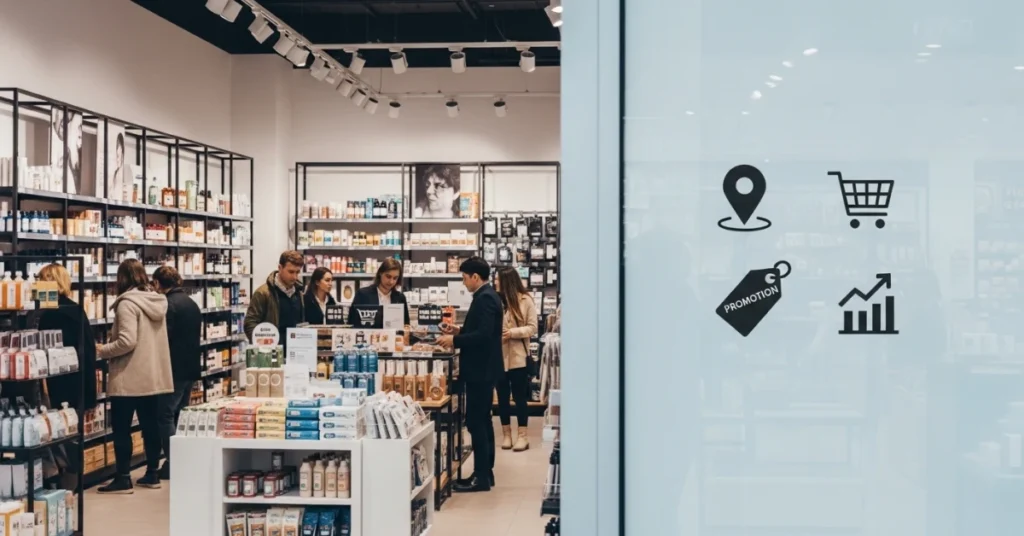
Retail store marketing strategy focuses on attracting nearby customers, converting store visits into purchases, and building long-term loyalty across physical and digital channels.
To succeed, retailers must design the full customer journey — Awareness → Visit → Experience → Purchase → Loyalty — and optimize each step for conversion and repeat business.
Retailers must connect digital visibility with in-store execution. By 2026, 70% of retail media spending will shift to off-site advertising, making this integration critical.
Modern stores now act as experience centers that increase basket size and customer loyalty.
What Is a Retail Store Marketing Strategy?
At its core, a retail store marketing strategy defines how your store positions itself, communicates with target audiences, and motivates buying decisions. It covers everything from window displays and email campaigns to social media advertising and loyalty programs. Executed well, it turns one-time buyers into repeat consumers.
According to Salesforce’s retail marketing guide, the primary goals are to attract new customers, retain existing ones, and increase average transaction value — simultaneously.
Why Do Retailers Need a Formal Marketing Strategy in 2026?
Consumers today are omnichannel by default. They research products on social media, compare prices on mobile, and still expect a compelling in-store experience. Without a cohesive plan, retailers risk losing shoppers at every touchpoint.
Consider these realities heading into 2026:
- Over 70% of consumers check a brand’s social presence before visiting a physical store.
- Email marketing delivers an average ROI of $36 for every $1 spent, making it one of the best channels available.
- Retailers that personalize the shopping journey report 10–15% revenue lifts compared to those that do not.
The gap between stores with a documented strategy and those operating on instinct is widening. Retailers who invest in structured planning outperform peers on foot traffic, basket size, and customer lifetime value.
How Do You Build a Retail Store Marketing Strategy From Scratch?
Step 1: Define Your Target Customer
Everything starts with knowing who you are selling to. Build a specific customer profile — not just demographics, but psychographics. What problems do your consumers need solved? What social platforms do they use daily? What events bring them into a shopping mindset?
Use point-of-sale data, email sign-up behavior, and social media analytics to validate assumptions. Avoid building personas on gut instinct alone.
Step 2: Audit Your Current Channels
Map every touchpoint where consumers encounter your brand:
- Physical store (signage, layout, staff interactions)
- Website and e-commerce
- Email and SMS
- Social media profiles
- Paid digital advertising
- Local media and press
Rate each channel on reach, engagement, and conversion. Kill what doesn’t perform. Double down on what does.
Step 3: Set Measurable Goals
Vague goals produce vague results. Use the SMART framework:
- Specific: Increase email list by 2,000 subscribers in Q1.
- Measurable: Track weekly sign-up rates via your CRM.
- Achievable: Based on current traffic, 50 new sign-ups per week is realistic.
- Relevant: Email is our best-converting channel.
- Time-bound: Deadline is March 31.
Step 4: Allocate Budget by Channel ROI
Distribute budget based on historical performance data, not habit. Digital channels like paid social and email typically deliver faster, more measurable returns than traditional media. However, local events and in-store activations remain powerful for community-based retailers.
A practical starting split for independent retailers:
| Channel | Recommended Budget Share | Primary Goal |
|---|---|---|
| Social media (paid + organic) | 25–30% | Brand awareness + traffic |
| Email marketing | 15–20% | Retention + repeat purchase |
| In-store experience & displays | 20–25% | Conversion + basket size |
| Local events & partnerships | 10–15% | Community engagement |
| Digital advertising (search/display) | 10–15% | Acquisition |
| Local media & PR | 5–10% | Credibility + reach |
Step 5: Execute, Measure, Iterate
Launch campaigns in 90-day sprints. Review KPIs at the end of each sprint and reallocate budget toward what’s working. The best retailers treat their strategy as a living document, not a one-time exercise.
What Are the Most Effective Retail Marketing Tactics in 2026?
Retail marketing today requires more than running campaigns across different channels. It involves understanding how each tactic contributes to attracting customers, driving store visits, and supporting purchasing decisions.
Below are the most effective retail marketing tactics in 2026 and how they function in practice.

1. Social Media and In-Store Sales
Social media is no longer just a brand awareness tool — it is a direct driver of foot traffic and purchase intent. Platforms like Instagram, TikTok, and Facebook allow retailers to target consumers with laser precision based on location, interests, and past purchase behavior.
Effective social tactics for retailers include:
- Location-based ads targeting consumers within a 5-mile radius of your store.
- User-generated content (UGC) campaigns that encourage shoppers to post in-store photos.
- Social-exclusive flash sales that create urgency and reward followers.
- Instagram Shopping tags linking directly to product pages.
Retailers using consistent social media posting schedules — at least four to five times per week — report 30% higher engagement than those posting sporadically. Our analysis of top-performing retailers confirms that social content tied to local events consistently outperforms generic promotional posts.
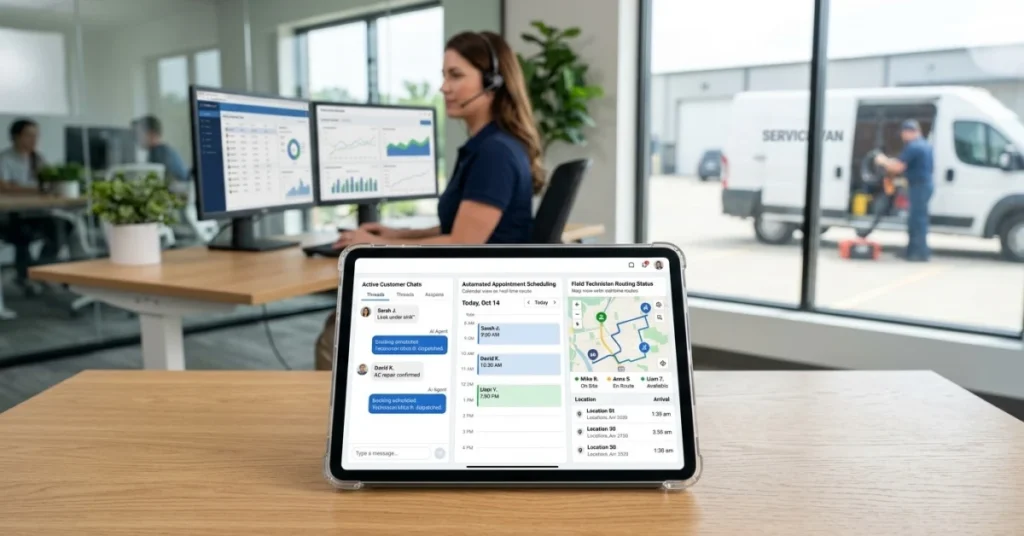
For retailers managing multiple locations, a centralized field operations platform can synchronize social campaigns across stores to ensure brand consistency without sacrificing local relevance.
2. Email Marketing for Customer Loyalty
Email remains the single highest-ROI digital channel available to retailers. Unlike social media, you own your email list — no algorithm can cut your reach overnight.
Best practices for retail email marketing:
- Welcome sequences: Send a three-email onboarding series to new subscribers. Introduce your brand, share your best-sellers, and offer a time-limited incentive.
- Segmentation: Divide your list by purchase history, location, and engagement level. Consumers who bought once need different messaging than loyal repeat buyers.
- Abandoned cart emails: Recover 5–15% of lost sales with a two-step abandoned cart sequence sent within one and 24 hours of cart abandonment.
- Post-purchase follow-ups: Use email to request reviews, offer complementary products, and invite customers to upcoming events.
Retailers who segment their email lists see 14% higher open rates and 100% higher click rates than those sending broadcast messages, according to industry benchmarks.
3. In-Store Events in Retail Marketing
In-store events are one of the most underused tactics in retail. Events create urgency, generate social media buzz, and give consumers a reason to visit that goes beyond transaction.
High-performing event formats for retailers:
- Product launch parties with exclusive early access for loyalty members.
- Workshops and classes tied to your product category (a kitchenware store hosting cooking demos, for example).
- Seasonal events aligned with local community calendars.
- Charity partnerships that attract media coverage and goodwill.
As Square’s retail marketing research highlights, events that combine a social media component — like a branded hashtag or live-stream — multiply their reach well beyond the in-store attendee count.
Promoting events through email, social media, and local media in the two weeks prior is essential. Our experience shows that retailers who use all three channels for event promotion see 2–3x higher attendance than those relying on a single channel.
4. Loyalty Programs and Customer Value
Loyalty programs are a cornerstone tactic for any serious retail store marketing strategy. They incentivize repeat purchases, increase average basket size, and generate first-party data that powers smarter targeting.
Key design principles for retail loyalty programs:
- Make earning simple. Points per dollar spent is the most intuitive structure for consumers.
- Offer tiered rewards. Bronze, Silver, and Gold tiers create aspiration and increase engagement at every spend level.
- Integrate with email and social. Notify members of their point balance, expiring rewards, and exclusive tier events via email and social media.
- Use the data. Purchase history from your loyalty program should feed your email segmentation, paid social targeting, and in-store merchandising decisions.
Retailers with structured loyalty programs retain up to 5x more customers than those without, and retained customers spend 67% more than new ones.
5. Digital Advertising for Retail Stores
Paid digital advertising gives retailers immediate, scalable reach. The best-performing formats in 2026 include:
- Google Shopping ads for high-intent product searches.
- Meta (Facebook/Instagram) dynamic ads that retarget website visitors with the exact products they viewed.
- Local awareness ads on Facebook that drive foot traffic using store visit optimization.
- YouTube pre-roll ads for brand storytelling and new product launches.
Retailers need to align their digital ad creative with their in-store merchandising. When a consumer sees the same product featured online and prominently displayed in-store, conversion rates increase significantly.
6. Visual Merchandising as a Sales Driver
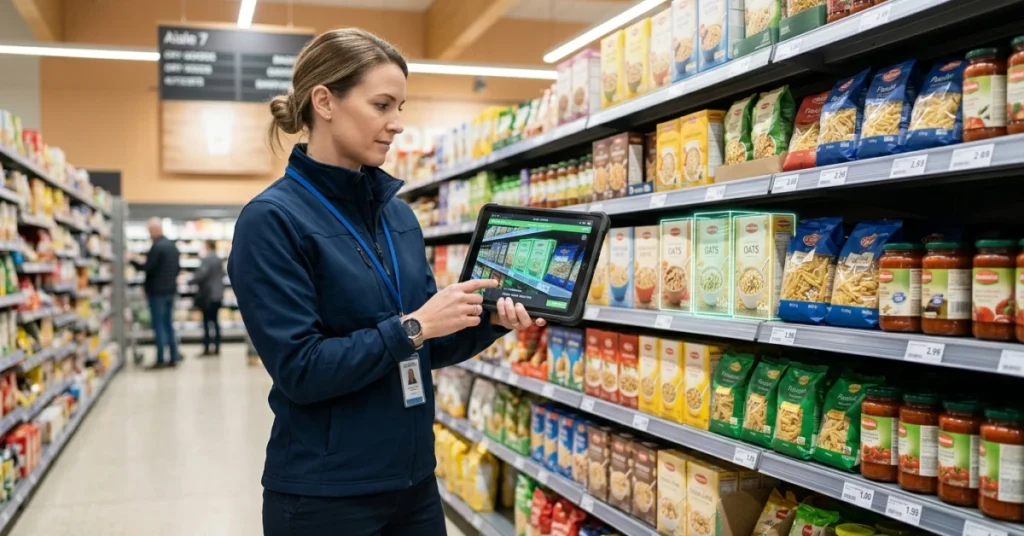
Your store layout is a silent salesperson. Strategic visual merchandising guides consumers through the store, maximizes exposure to high-margin products, and creates an emotional environment that encourages purchase.
Proven visual merchandising principles:
- Place high-margin items at eye level and at the end of aisles (endcaps).
- Use the “decompression zone” — the first 5–10 feet inside the entrance — for branding, not product placement.
- Create themed vignettes that show products in use, inspiring consumers to buy entire solutions rather than individual items.
- Refresh window displays every two to three weeks to give repeat passersby a new reason to enter.
TC Group Solutions notes that ambient factors like music tempo, scent, and lighting are also part of the retail marketing toolkit — slower music increases dwell time, while signature scents improve brand recall.
How Do You Execute an Omnichannel Retail Marketing Strategy?
Omnichannel is not about being everywhere — it is about being consistent everywhere your target consumers choose to engage. The goal is a seamless experience whether a shopper discovers your store through social media, an email campaign, a Google search, or simply walking past.
The four pillars of omnichannel execution:
- Unified customer data: A single customer record that captures online and in-store behavior.
- Consistent branding: The same visual identity, tone, and messaging across all channels.
- Cross-channel promotions: An offer promoted via email should be redeemable in-store and online.
- Closed-loop measurement: Track which channels drove each sale, not just last-click attribution.
Retailers that implement omnichannel strategies retain an average of 89% of their customers, compared to 33% for those with weak cross-channel integration, according to research cited by MarcomCentral.
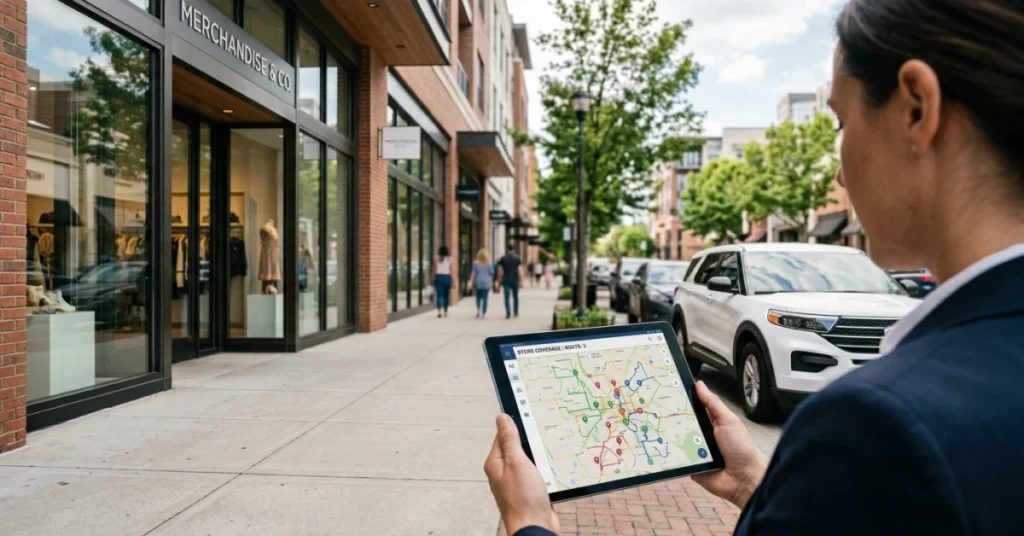
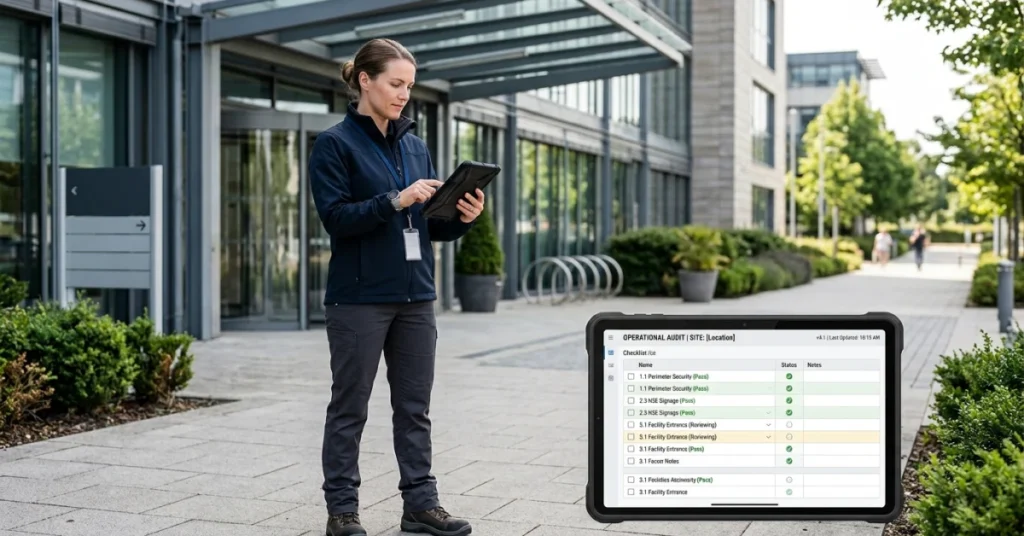
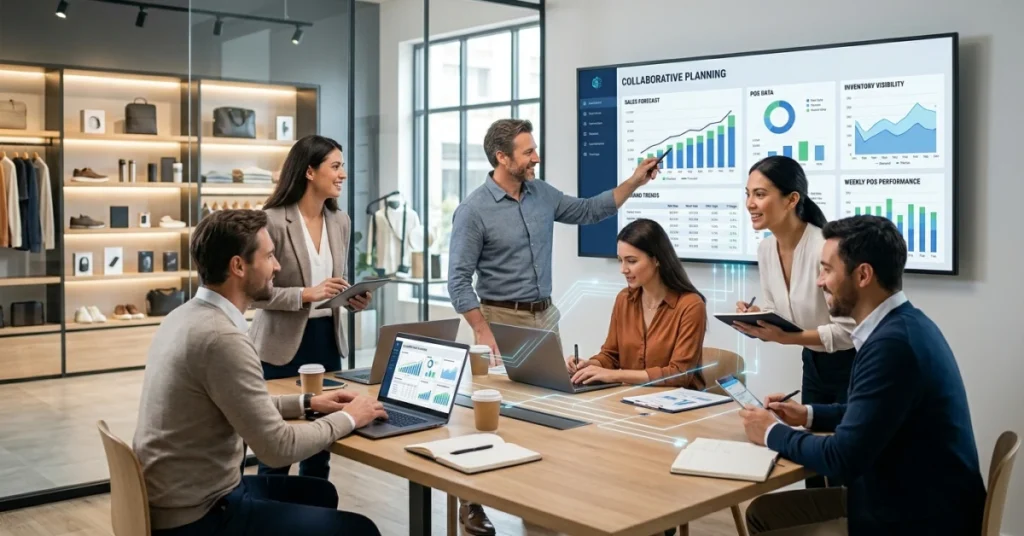
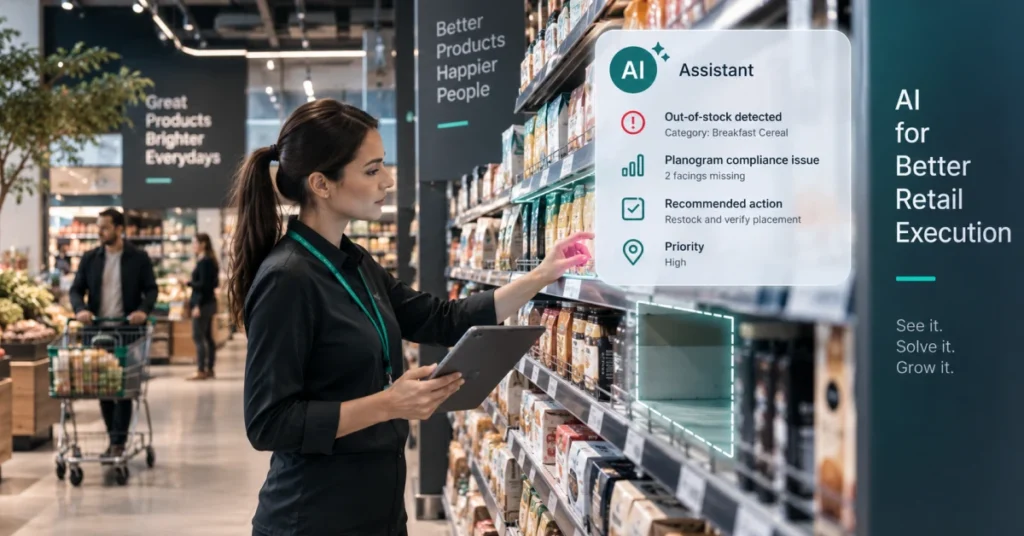
For teams managing field operations across multiple retail locations, a real-time store performance dashboard eliminates the guesswork from omnichannel execution by surfacing which stores are meeting campaign standards and which need support.

What Common Mistakes Do Retailers Make With Their Marketing Strategy?
Even experienced retailers fall into predictable traps. Awareness is the first line of defense.
Mistake 1: Targeting everyone. When you target everyone, you reach no one effectively. Consumers respond to messaging that feels personally relevant. Narrow your target audience and speak directly to their specific needs.
Mistake 2: Ignoring email in favor of social media. Social media reach is rented. Email reach is owned. Retailers who build email lists aggressively have a resilient marketing asset that no platform algorithm can diminish. Use both, but prioritize email list growth.
Mistake 3: Treating online and in-store as separate businesses. Consumers do not think in channels. They expect a unified experience. A promotion running on social media must be executable in-store. An email campaign promoting an event must match the in-store signage they see on arrival.
Mistake 4: Skipping measurement. Without data, you are guessing. Even basic metrics — email open rates, social engagement, weekly foot traffic, conversion rate — tell you what is working and what needs adjustment. Retailers who review KPIs monthly make better budget decisions than those who review quarterly or never.
Mistake 5: Underinvesting in events. According to Voucherify’s research on retail marketing tactics, experiential tactics consistently rank among the best-performing strategies for driving both new customer acquisition and loyalty. Yet most independent retailers hold fewer than two events per year.
For retailers scaling their operations, understanding how field team performance connects to marketing outcomes is a critical capability that separates high-growth stores from stagnant ones.
Conclusion
Retail store marketing is no longer about isolated campaigns or single-channel tactics. It is about creating a connected system where digital visibility, in-store execution, and customer experience work together seamlessly.
Retailers who invest in structured strategies, leverage data-driven decision-making, and execute consistently across locations will outperform competitors in foot traffic, conversion rates, and customer lifetime value. In an increasingly competitive market, the brands that win are those that treat every store visit as an opportunity to build lasting customer relationships.
Do you want to boost your retail store performance?
Turn every store visit into measurable results with better execution and real-time visibility.
See how FieldPie helps you make it happen. Book a demo.