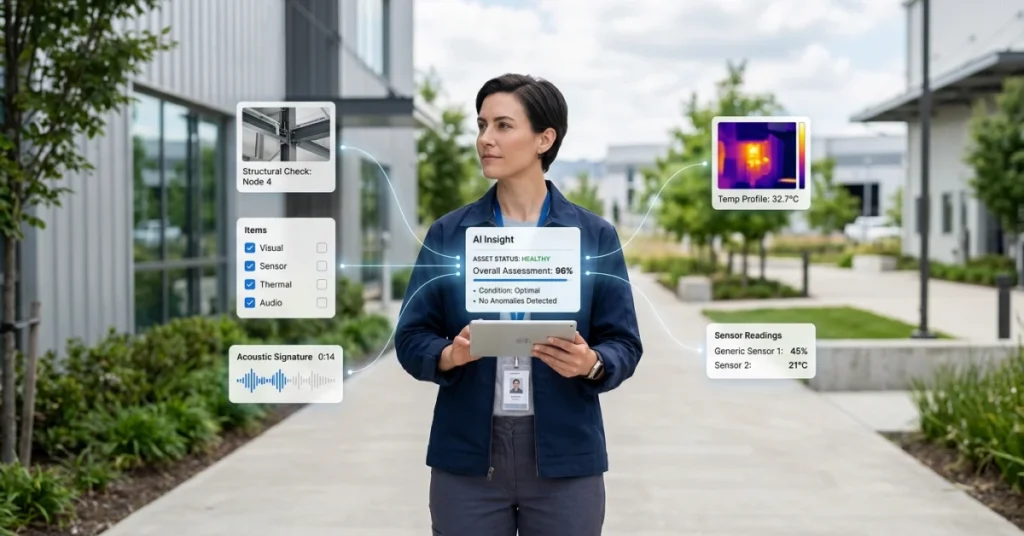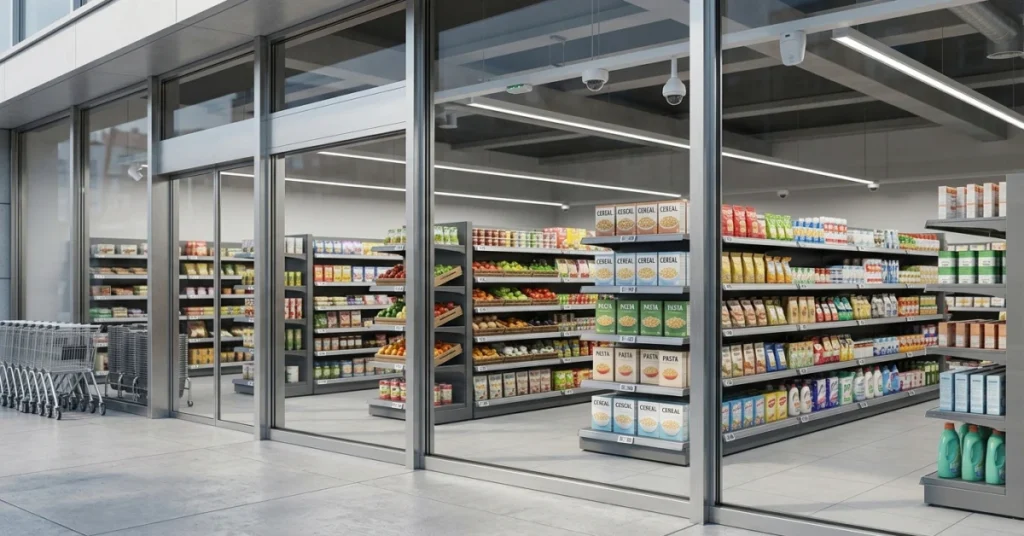
Shelf Intelligence is the practice of using AI-powered vision, scanning technology, and real-time data capture to monitor, analyze, and optimize what happens on physical and digital retail shelves — enabling brands and retailers to detect out-of-stocks, compliance gaps, and execution failures before they cost revenue.
What Is Shelf Intelligence, and Why Does It Matter Now?
Retail execution has always been a visibility problem. Store managers, category managers, and field teams make decisions based on data that is hours — sometimes days — old. By the time a report surfaces an out-of-stock or a misplaced product, the sale is already lost.
Shelf Intelligence changes that equation entirely. By combining computer vision, ai-powered image recognition, and automated scanning, these systems see what is actually on the shelf — not what the system thinks is there. The result is a live, accurate picture of every product, every facing, and every gap across every store in a retailer’s network.
According to SymphonyAI’s store intelligence research, retailers who deploy AI-powered store intelligence solutions report an average 5% lift in sales, alongside measurable improvements in planogram compliance and labor optimization. Those are not marginal gains — for a mid-size grocery chain, 5% translates to tens of millions of dollars annually.
The urgency is real. Consumer packaged goods brands face mounting pressure from private-label competition, shrinking shelf space, and tighter retailer compliance standards. Meanwhile, digital-native shoppers expect the same product availability and accuracy online that they demand in-store. Shelf intelligence closes both gaps simultaneously.
How Does Shelf Intelligence Technology Actually Work?
Understanding the mechanics helps you evaluate solutions more critically. Most enterprise-grade platforms combine three core capture methods.
Computer Vision and AI Image Recognition
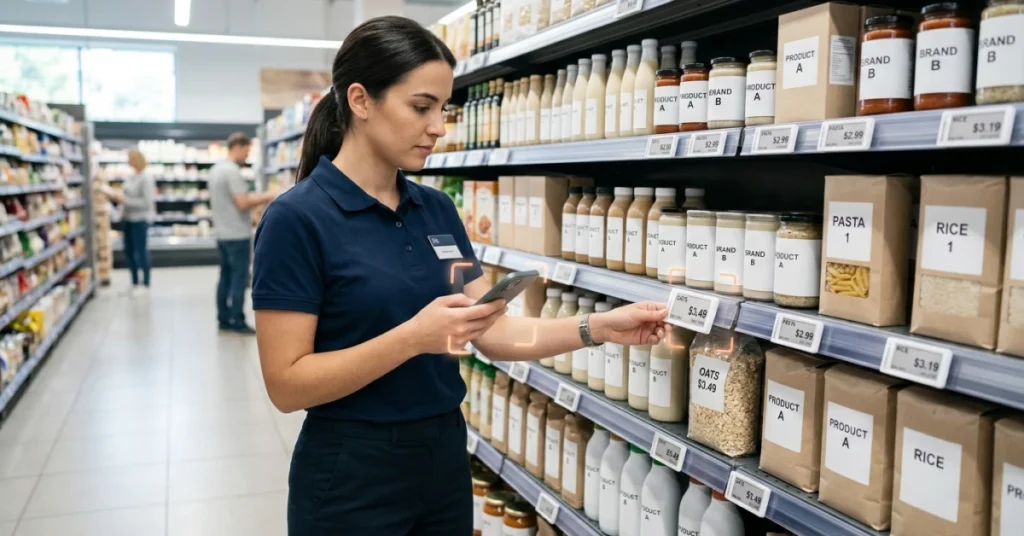
Cameras — mounted on store ceilings, shelf edges, or handheld devices — continuously capture shelf images. AI models trained on millions of product images then analyze every frame in real time. The system can identify each SKU by its packaging, detect empty facings, flag misplaced items, and verify price tag accuracy — all without a human physically scanning a single barcode.
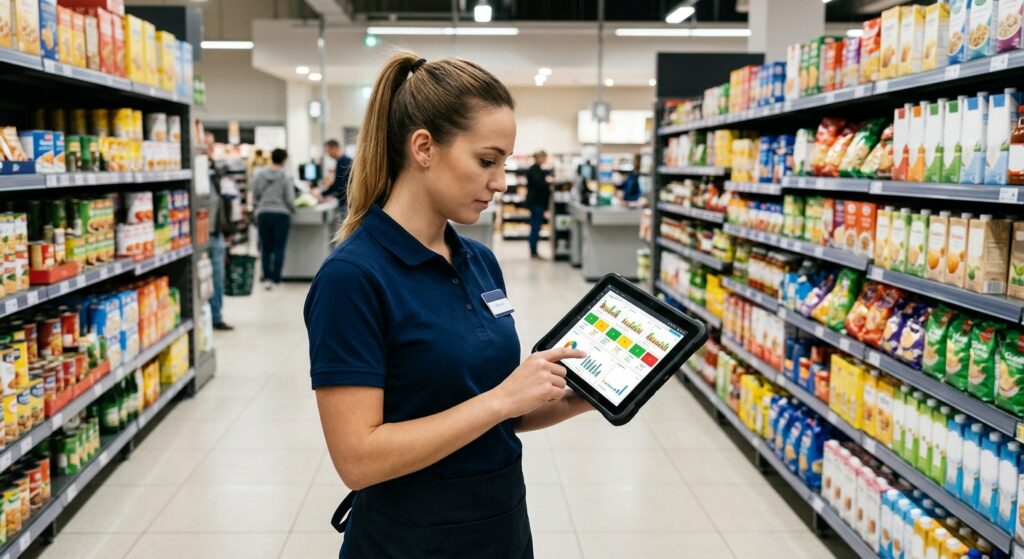
Focal Systems describes this architecture as a closed-loop system: the vision layer captures shelf state, the AI layer interprets it, and an action tool layer delivers prioritized task lists to store associates. Every step is automated, and every alert is ranked by financial impact so teams address the highest-value fixes first.
Barcode Scanning and Hybrid Data Capture
Not every store environment supports ceiling-mounted cameras. For these locations, hybrid approaches combine traditional barcode scanning with AI-assisted image analysis. Associates use smart devices to scan product barcodes while the camera on the same device captures shelf context. Scandit’s ShelfView platform, for example, delivers hybrid data capture for shelf analytics that works on standard smartphones — no specialized hardware required.
This approach is particularly valuable for brands that need availability data from thousands of independent retail locations where infrastructure investment is impractical.
Robotic and Autonomous Scanning
For high-volume formats like supercenters and warehouse clubs, autonomous robots now patrol aisles on scheduled routes, scanning every shelf barcode and capturing shelf images without any labor input. Brain Corp’s ShelfOptix service — described in their shelf intelligence white paper — is the first fully managed, robot-powered shelf intelligence service, delivering consistent capture frequency at a scale that human teams cannot match.
Why Are Brands and Retailers Investing in Shelf Intelligence in 2026?
Three structural forces are driving adoption to record levels this year.
Out-of-Stocks Remain a Persistent Revenue Drain
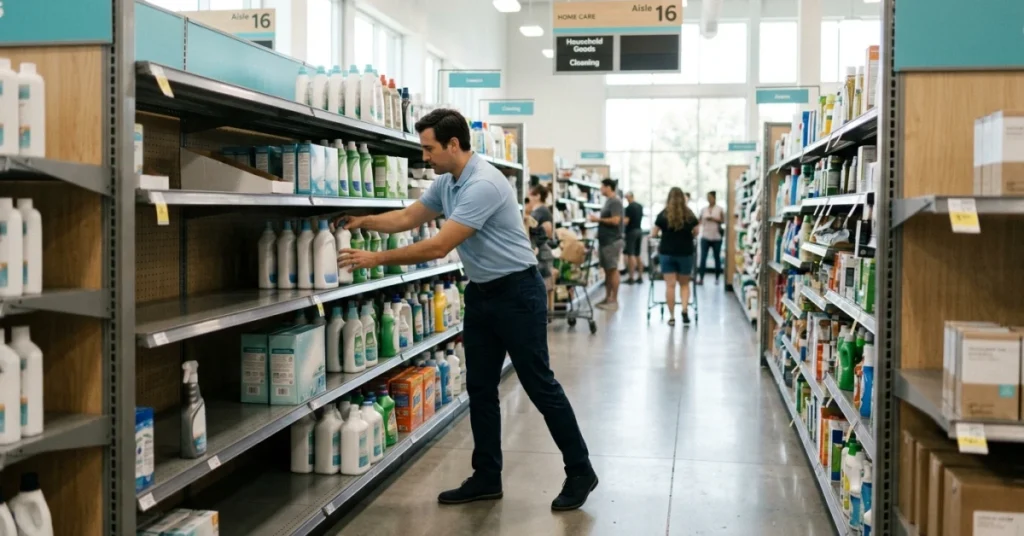
Industry estimates consistently place lost sales from out-of-stocks at 4–8% of total retail revenue. For a $1 billion brand, that is $40–$80 million walking out the door every year. Traditional inventory management systems track what should be on the shelf based on purchase orders and scan data. They do not see what is actually there. Shelf intelligence closes that gap by providing ground-truth availability data at the shelf level.
Planogram Compliance Is Harder to Enforce at Scale
Brands spend significant resources negotiating shelf placement, securing secondary displays, and building planograms that maximize visibility. But execution at the store level is inconsistent. A Vision Group Retail analysis found that planogram compliance issues — including wrong product placement, incorrect facings, and missing price tags — are among the top three root causes of in-store revenue loss for CPG brands. Without a system that can see every shelf in every store, enforcement depends entirely on infrequent field visits.
Digital Shelf Convergence Is Accelerating
Retailers increasingly use shelf scan data to populate digital product listings, click-and-collect availability displays, and online inventory systems. When physical shelf data is inaccurate, the digital shelf suffers too. Brands that invest in shelf intelligence today are building the data infrastructure that powers both channels simultaneously — a critical advantage as omnichannel execution becomes the baseline expectation, not a differentiator.
What Are the Core Components of a Shelf Intelligence Platform?
A mature shelf intelligence platform is not a single tool. It is an integrated stack of capabilities that together deliver end-to-end shelf visibility and execution management.
| Component | Function | Business Outcome |
|---|---|---|
| Image Capture Layer | Cameras, robots, or mobile devices capture shelf images | Raw visual data at shelf level |
| AI Recognition Engine | Identifies SKUs, detects gaps, flags compliance issues | Accurate shelf state in real time |
| Availability Monitoring | Tracks in-stock status by SKU and location | Reduces out-of-stocks and lost sales |
| Planogram Compliance | Compares actual shelf to approved layout | Enforces brand and retailer standards |
| Execution Management | Generates prioritized task lists for store teams | Faster, higher-value fixes |
| Digital Shelf Integration | Syncs physical data to online listings and inventory | Consistent omnichannel availability |
| Reporting & Analytics | Aggregates data across stores for trend analysis | Strategic category management decisions |
Each layer depends on the quality of the capture layer beneath it. Garbage-in, garbage-out applies here as much as anywhere in data science.
How Does Shelf Intelligence Differ From Traditional Inventory Management?
This is the question most retail and CPG leaders ask first, and the answer is more important than it might seem.
Traditional inventory management systems — whether standalone ERPs or integrated retail platforms — track inventory through point-of-sale transactions, purchase orders, and manual cycle counts. They answer the question: How many units do we have on hand?
Shelf intelligence answers a fundamentally different question: Is the right product, in the right place, facing the right direction, priced correctly, right now?
These are not the same question. A store can show 12 units of a product in its inventory system while every single facing on the shelf is empty because stock is sitting in the back room, misplaced in another aisle, or hidden behind a competing product. Traditional management systems see none of this. Vision-based shelf intelligence sees all of it.
How Do CPG Brands Use Shelf Intelligence Differently Than Retailers?
The technology is the same. The use case is fundamentally different, and understanding this distinction helps both sides get more value from their investment.
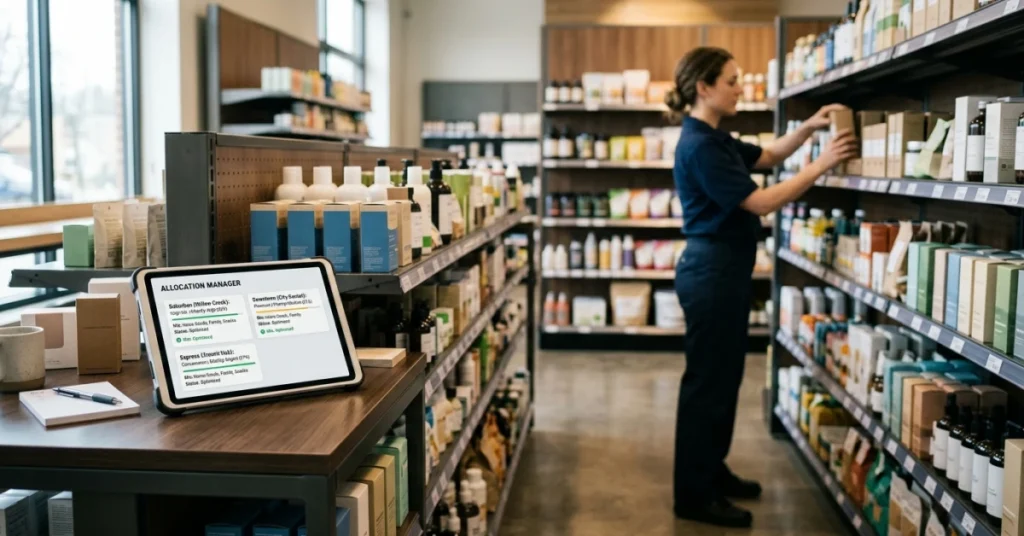
Retailers use shelf intelligence primarily for operational efficiency. Their focus is on reducing the labor cost of manual shelf audits, improving associate productivity, and ensuring that every shelf in every store meets planogram standards. The management priority is store operations — reducing waste, improving availability, and protecting margin.
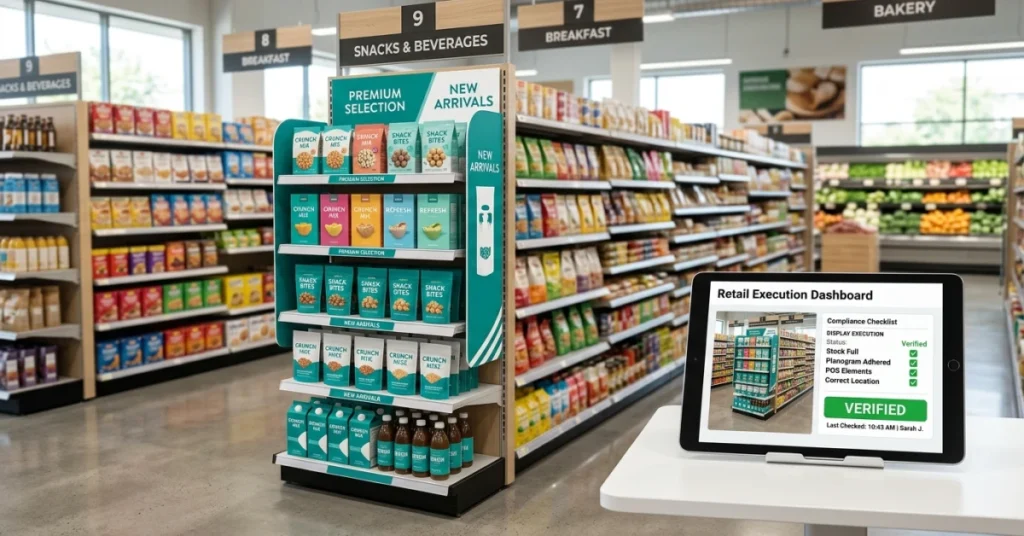
CPG brands, by contrast, use shelf intelligence as a competitive weapon. They want to know whether their products are getting the shelf space they paid for, whether competitors are gaining facings at their expense, and whether their promotional displays are actually being executed as agreed. For brands, the management priority is share of shelf — ensuring that every contracted placement is delivered and that every promotion drives the visibility it was designed to create.
Platforms like Wiser Solutions are specifically built to serve CPG brands seeking in-store execution visibility across retail banners they do not own or operate — a fundamentally different challenge than what a retailer faces managing its own stores.
To see how field teams can be held accountable for these execution standards, explore how route-based field management tools support CPG brand execution.
Shelf Intelligence and the Digital Shelf: Why Both Matter
The conversation about shelf intelligence increasingly spans two distinct environments: the physical shelf in brick-and-mortar stores and the digital shelf on e-commerce platforms, retailer websites, and marketplace listings.
Digital shelf intelligence — as outlined in SmartScout’s comprehensive digital shelf guide — focuses on product availability, search ranking, content accuracy, and pricing consistency across online retail channels. Brands use these tools to ensure that every product listing has accurate imagery, complete attributes, and competitive pricing at every digital touchpoint.
The convergence of physical and digital shelf data is the defining trend of 2026. Retailers now use physical shelf scan data to update online inventory displays in near real time. When a product goes out of stock in-store, the digital shelf should reflect that immediately — preventing customers from placing click-and-collect orders for items that are not available. Brands that have invested in physical shelf intelligence are now well-positioned to extend that data infrastructure to the digital channel, creating a unified availability picture across both environments.
Conclusion
Shelf intelligence is becoming essential for modern retail operations. By combining AI-powered image recognition, automated scanning, and real-time shelf visibility, retailers and CPG brands can detect out-of-stocks, improve planogram compliance, and respond to execution issues faster.
As retail becomes more data-driven and omnichannel-focused, businesses that treat shelf data as a real-time operational signal — rather than delayed reporting — will be better positioned to improve availability, protect revenue, and maintain consistent execution across every store.