



A successful franchise combines a replicable business model, strong brand equity, rigorous franchisee selection, and ongoing operational support into a single, scalable system. Owners who follow proven frameworks and adapt to market shifts consistently outperform those who rely on brand recognition alone.
What Are the Core Pillars of a Successful Franchise?

1. A Proven, Replicable System
The entire value proposition of franchising is the ability to duplicate success. A proven business model eliminates the guesswork that kills most independent startups. Franchisors must document every operational process — from opening procedures to customer service scripts — in a format that any qualified franchisee can follow.
Key components of a replicable system include:
- A comprehensive Operations Manual updated at least annually
- Standardized training programs (both initial and ongoing)
- Defined KPIs tied to unit-level profitability
- Technology platforms that enforce consistency across locations
MIT Sloan Management Review research on new franchise success factors confirms that franchises with tightly documented systems generate higher unit survival rates in their first five years compared to those with loosely defined processes.
2. Franchisee Selection: The Right Owners Matter
Franchisors who treat franchisee recruitment as a sales process — rather than a selection process — consistently underperform. The most successful franchise networks are selective. They screen for coachability, financial fitness, and cultural alignment, not just net worth.
Forbes analysis of high-performing franchisees identifies eight consistent traits among top operators: resilience, process orientation, community engagement, financial literacy, leadership ability, communication skills, customer focus, and a willingness to follow the system rather than reinvent it.
Franchisors should use a multi-step validation process:
- Initial application screening (financial qualifications, background check)
- Discovery Day at corporate headquarters
- Franchisee validation calls with existing owners
- Legal review of the Franchise Disclosure Document (FDD)
- Final approval by the franchisor’s development team
3. Brand Standards and Operational Consistency
A customer who walks into any location — whether in Dallas or Denver — should receive an identical experience. That consistency is not accidental; it is engineered through brand standards enforcement, mystery shopping programs, and regular field audits.
Franchises that allow individual owners to deviate from brand standards erode the very asset that justified the franchise fee in the first place: trust in the brand. The key is building a culture where standards are seen as a competitive advantage, not a constraint.
For operators managing multiple locations, tracking field team performance in real time is essential to catching compliance gaps before they become systemic problems.
4. Ongoing Support and Training Infrastructure
The franchisor’s obligation does not end at the grand opening. Successful franchise systems invest heavily in post-launch support, including:
- Regional support managers with defined franchisee-to-manager ratios
- Annual or semi-annual conferences for knowledge sharing
- A dedicated technology helpdesk
- Marketing co-op funds managed transparently
The IFA notes that franchisors who maintain active field support teams see measurably higher franchisee satisfaction scores — a leading indicator of system-wide renewal rates.
What Financial Metrics Define a Successful Franchise Unit?
Financial discipline separates hobby operators from serious business owners. Every successful franchise owner tracks a short list of non-negotiable metrics on a weekly basis.
| Metric | Why It Matters | Benchmark Target |
|---|---|---|
| Unit-Level EBITDA | Core profitability indicator | 15–20% of gross revenue |
| Average Ticket / Transaction Value | Revenue efficiency | Varies by segment |
| Labor Cost as % of Revenue | Largest controllable expense | 28–35% (food/service) |
| Customer Acquisition Cost (CAC) | Marketing efficiency | <10% of LTV |
| Net Promoter Score (NPS) | Brand health proxy | 50+ |
| Royalty-to-Revenue Ratio | Franchisor relationship health | Per FDD disclosure |
Owners who review these numbers weekly — not monthly — respond to problems in real time rather than discovering them at quarter-end.

How Does Technology Separate High-Performing Franchises From the Rest?
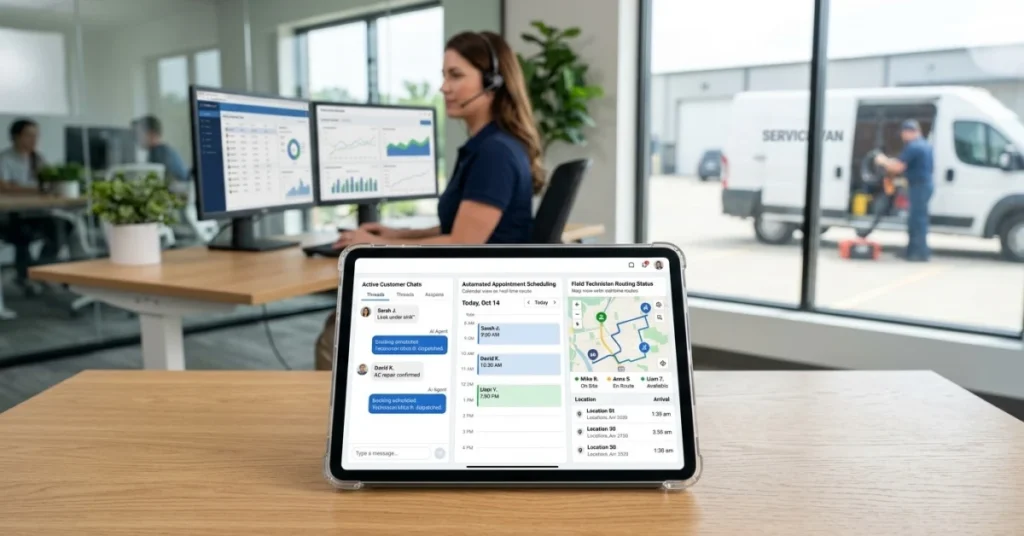
The most competitive franchise networks in 2026 are not just adopting technology — they are building connected, data-driven operational systems that scale effortlessly across locations. As franchise operations grow, success depends on visibility, standardization, and execution — not just strategy.
This is where platforms like FieldPie create a clear advantage.
Three technology pillars now define operational excellence:
1. Smart Scheduling and Operational Planning
High-performing franchises don’t rely on static plans or manual coordination. They use dynamic scheduling systems that adapt to real-world conditions.
With FieldPie, franchise operators can:
- Create and manage recurring or one-time plans across multiple locations
- Assign tasks based on location, priority, and team availability
- Standardize workflows for consistent execution
- Adjust plans instantly when conditions change
This eliminates planning chaos and ensures every location operates with the same level of precision.
2. Real-Time Field Execution and Visibility
As franchise networks scale, the biggest challenge is not planning — it’s execution.
FieldPie enables full real-time visibility across all locations by allowing operators to:
- Track where field teams are and what they are doing
- Verify that visits actually happen (not just marked as done)
- Monitor task completion, service quality, and compliance instantly
- Collect structured data, photos, and signatures directly from the field
- Work offline and sync automatically when back online
Instead of waiting for reports, management teams see operations as they happen — turning activity into accountability.
3. Structured Data Collection and Actionable Insights
Franchise success depends on consistent, reliable data — not scattered notes or disconnected tools.
With FieldPie, every field interaction becomes structured, usable data:
- Custom digital forms enforce standardized processes across all locations
- Automated workflows trigger actions, approvals, or escalations instantly
- Real-time dashboards provide performance insights at unit, region, and network level
- Reporting is centralized, eliminating manual consolidation
This allows franchise operators to move from reactive decision-making to proactive operational control.
What Traits Do the Most Successful Franchise Owners Share?
Ownership traits are as important as the system itself. The franchise opportunity only delivers its full value when the right person operates it. Research consistently surfaces the same profile.
Top characteristics of high-performing franchise owners:
- Process discipline: They follow the system precisely, especially in years one and two, before making any modifications.
- Team-building instincts: They hire for attitude and train for skill. Their team reflects their leadership values.
- Financial fluency: They read their P&L weekly and understand the difference between cash flow and profit.
- Community investment: They treat their location as a local business, not a corporate outpost. Local marketing, sponsorships, and relationships drive new customer acquisition.
- Coachability: They engage actively with the franchisor’s support team and attend every training event offered.
- Resilience: Every new franchise location faces unexpected challenges in the first 12 months. Owners who persist through the learning curve almost always reach profitability.
Franchisees who invest time in understanding the legal and financial obligations outlined in the FDD from day one are far better positioned to avoid costly compliance issues down the road.
How Do You Evaluate Whether a Franchise Opportunity Is Worth Pursuing?
Not every franchise is created equal. Due diligence before signing any agreement is non-negotiable. The proven framework below applies to any sector — food service, home services, fitness, or retail.
Step 1: Validate the Item 19 Financial Performance Representation The FDD’s Item 19 is the only place where a franchisor can legally disclose financial performance data. Scrutinize average unit volumes (AUV), median revenues, and the percentage of units that achieve profitability within 24 months.
Step 2: Call Existing Franchisees Item 20 of the FDD lists all current and former franchisees. Call at least 10–15 of them. Ask about support quality, communication from corporate, and whether they would make the same investment again.
Step 3: Analyze the Franchise Agreement Term and Renewal Conditions Most agreements run 10 years. Understand renewal fees, territory protections, and transfer rights before signing.
Step 4: Review the Franchisor’s Litigation History (Item 3) A pattern of franchisee-initiated litigation is a serious red flag. One or two disputes over 10 years in a large system is normal; a consistent pattern is not.
Step 5: Assess Market Saturation in Your Territory Confirm that your designated territory has sufficient population density and demographic alignment with the brand’s proven customer profile.
As Dentons’ franchise legal team notes in their analysis of key franchise ingredients, the legal structure of the franchise agreement is as important as the brand’s market position — and many prospective owners underinvest in legal review before signing.
The 2026 Franchise Success Checklist
Use this checklist before investing in any franchise and during the first 90 days of operations.
Pre-Investment Due Diligence
- Reviewed the complete FDD (all 23 items) with a franchise attorney
- Analyzed Item 19 financial performance data for at least 3 years
- Completed validation calls with a minimum of 10 existing franchisees
- Verified territory exclusivity and population data
- Confirmed franchisor’s litigation history (Item 3) is clean
- Attended Discovery Day and met the leadership team
- Secured financing with a buffer of at least 6 months of operating capital
First 90 Days of Operations
- Completed all required initial training programs
- Hired and onboarded the full team per brand standards
- Activated the franchisor’s local marketing launch program
- Set up weekly financial reporting cadence (P&L, labor %, sales vs. forecast)
- Established a communication rhythm with your regional support manager
- Installed any required technology platforms (POS, scheduling, field ops)
- Reviewed customer feedback channels and NPS baseline
Ongoing Management (Quarterly)
- Attended all required franchisor training and conference events
- Completed internal brand standards audit
- Reviewed team performance against KPIs with management team
- Assessed new local marketing opportunities
- Evaluated any new technology tools — including ai-driven platforms — recommended by the franchisor
- Confirmed compliance with all FDD renewal and reporting obligations
For franchise networks that operate field service teams, automating your compliance audit workflows can reduce manual reporting time by up to 40% while improving accuracy.
How Does the Franchisor-Franchisee Relationship Drive Long-Term Success?
High-performing franchise systems are built on partnership — not control. Franchisors that share data transparently, invest in ongoing training, and align incentives with franchisee profitability create stronger, more scalable networks.
But alignment alone is not enough. Without operational visibility, even the best relationships break down.
That’s why leading franchise systems rely on real-time workforce visibility and structured data to ensure:
- Consistent execution across locations
- Clear accountability at the unit level
- Faster response to operational issues
When relationship and visibility work together, franchise systems scale more efficiently — and more sustainably.
What Role Does Culture Play in Franchise Success?
Culture is not a soft concept in franchising — it is a measurable driver of staff retention, customer satisfaction, and brand consistency. Franchise systems with strong cultures share several observable traits:
- Low frontline turnover (below 60% annually in food service, where the industry average exceeds 100%)
- High franchisee engagement in system-wide initiatives
- Consistent customer reviews across locations
- A team that understands and articulates the brand’s mission
Building culture starts with the franchisor’s hiring criteria and training content, but it is sustained at the unit level by the franchise owner. Owners who invest in their team — through recognition programs, career development pathways, and transparent communication — consistently outperform those who treat staff as interchangeable.
For franchise systems expanding into new markets, understanding how to build a high-retention field team from the ground up is one of the highest-leverage investments an owner can make in years one and two.

Frequently Asked Questions (FAQ)
What is the most important factor in franchise success?
System adherence is the most critical factor. Franchisees who follow the proven operational model — especially in the first two years — consistently outperform those who deviate early.
How long does it typically take for a new franchise to become profitable?
Most franchise systems reach break-even within 12–18 months and profitability within 24–36 months. The timeline depends on the sector, investment level, and how effectively the business is executed.
How does the IFA define a successful franchise system?
The IFA evaluates success based on franchisee satisfaction, financial performance, growth, and renewal rates. High renewal rates are a strong indicator of long-term system health.
Conclusion
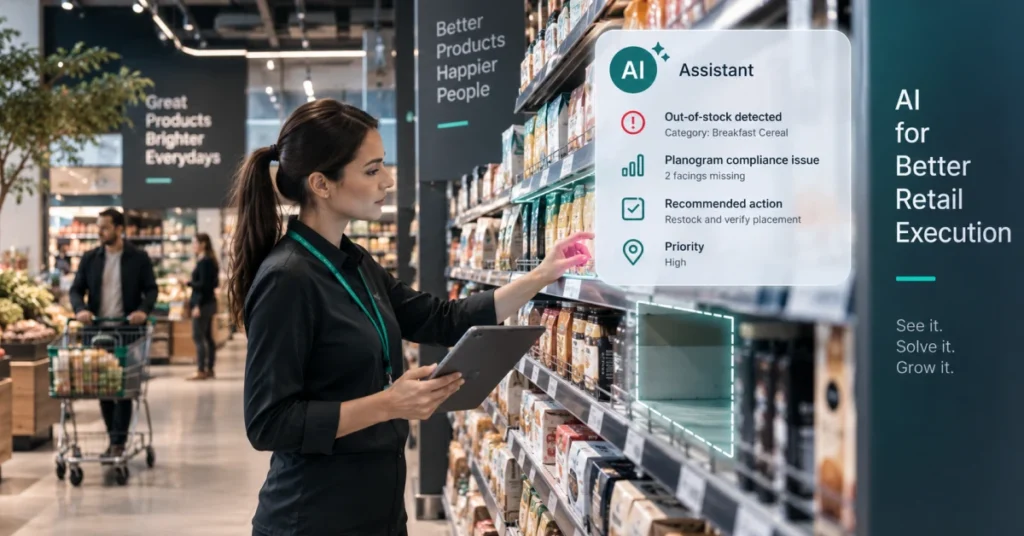
What makes a franchise successful is not a single variable — it is the disciplined alignment of a proven system, selective franchisee recruitment, rigorous financial management, and a culture of continuous improvement. Owners who treat the franchise agreement as a partnership rather than a purchase, invest in their team, leverage technology to scale oversight, and maintain brand standards across every customer interaction build businesses that last.
The opportunity in franchising remains significant. With more than 750,000 active franchise units in the U.S. and AI-driven tools reshaping how owners manage operations, the gap between high performers and average operators will continue to widen in 2026 and beyond.