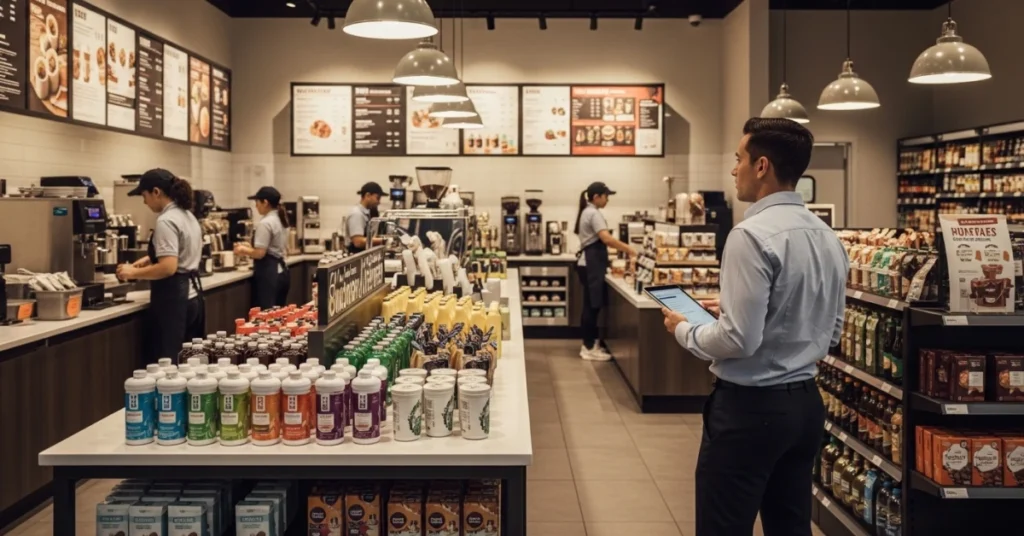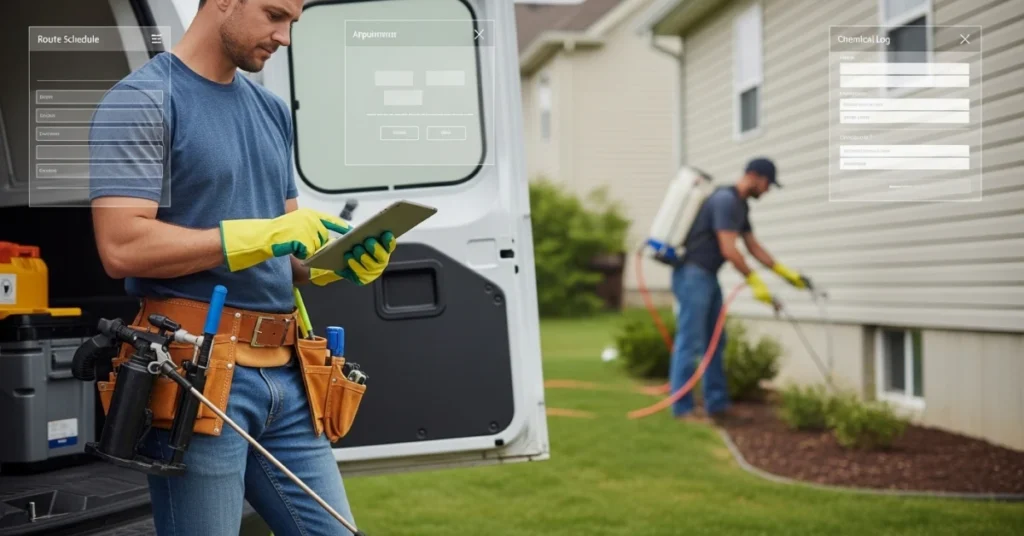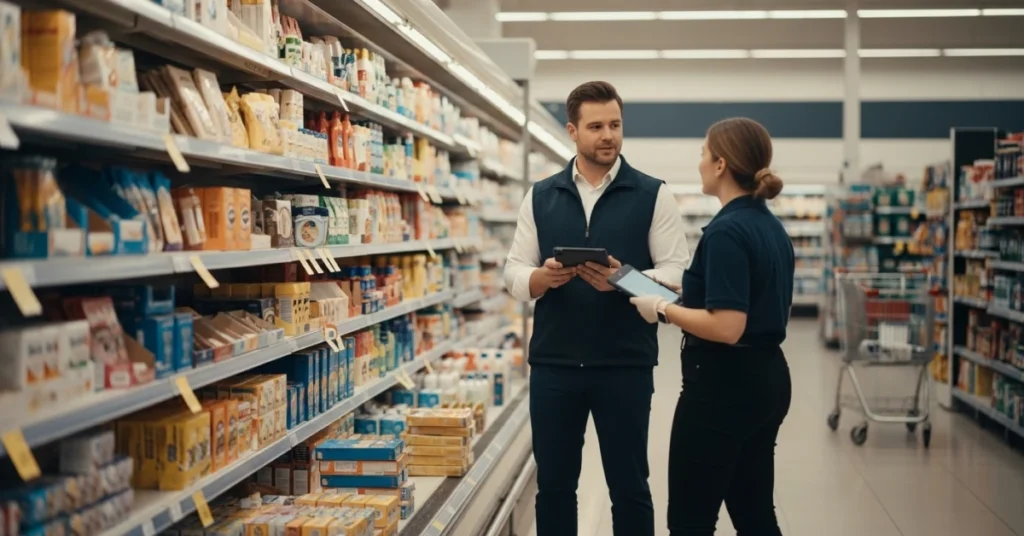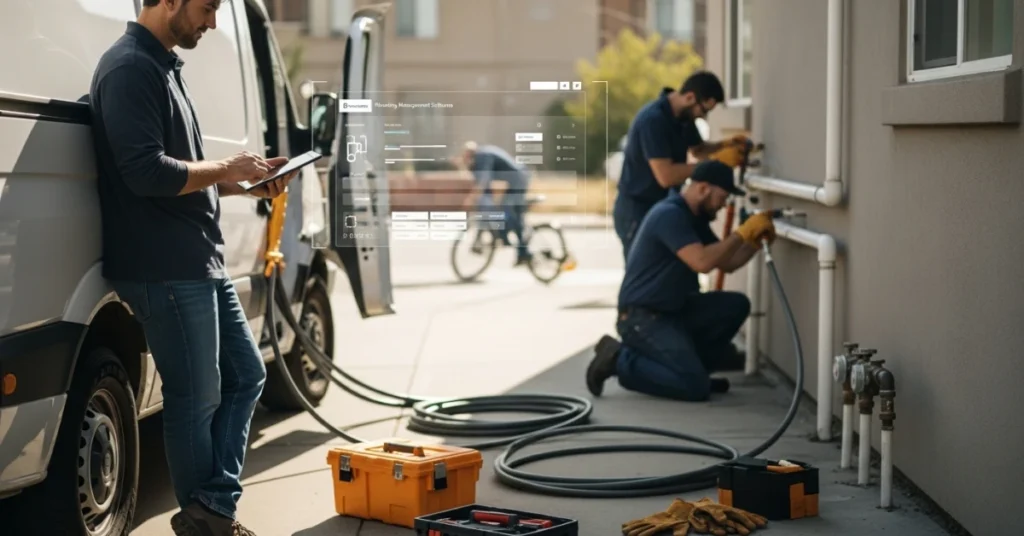



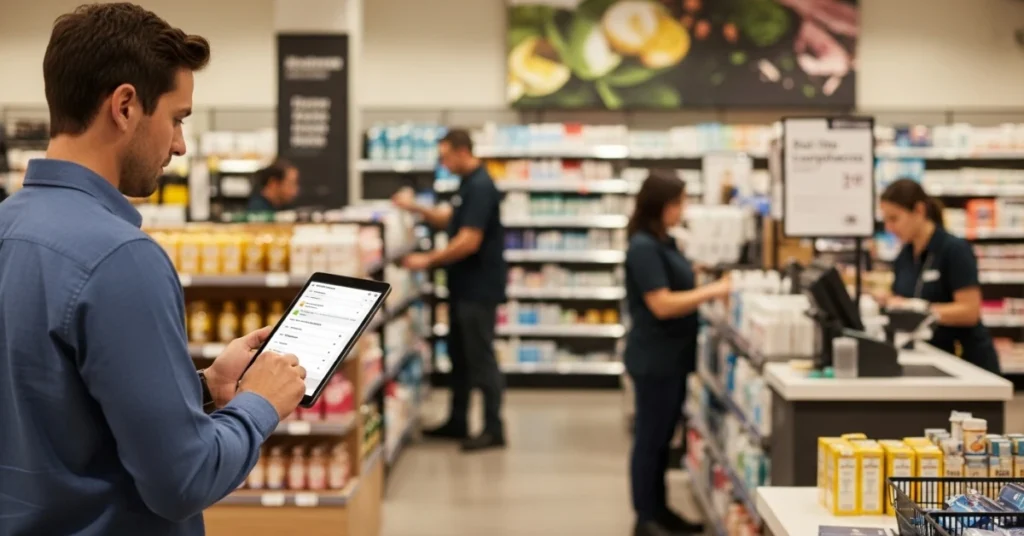
The gap between corporate strategy and in-store execution is still significant. Research shows that only 48% of consumer goods leaders believe their plans are properly executed at the store level. Manual tools like paper checklists and email chains don’t scale, and by the time issues are noticed, sales opportunities are often already lost.
Retail compliance software bridges this gap by digitizing audits, tasks, and corrective actions, bringing real-time visibility to operations. With mobile checklists, photo and signature capture, live dashboards, and automated workflows, issues are identified instantly, actions are assigned, and processes are tracked end-to-end. This ensures consistent execution, reduces operational risks, and frees field teams from manual workload.
Why Your Retail Business Needs Compliance Software
Retail chains increasingly depend on software to stay compliant, consistent and scalable. Investing in a retail compliance platform delivers several benefits:
- Manual tools cause missed audits and inconsistent execution. Without software, multi‑location managers juggle paper checklists, spreadsheets and email threads. This leads to incomplete audits, delayed follow‑ups and a lack of accountability. Digital inspection apps replace clipboards with mobile checklists, geo‑verified check‑ins and multimedia evidence, ensuring every procedure is documented and verified.
- Centralised software brings visibility, control and scalability. Unified platforms combine audits, task management, corrective actions and communication. Instant reporting and central dashboards give head office real‑time visibility into store performance and non‑compliance. A single system also streamlines SOP updates, policy changes and product launches across all locations.
- Real‑time tools reduce errors and rework. Mobile apps allow field teams to capture photos and comments on site. Automated workflows assign tasks and follow‑ups as soon as issues are detected, preventing bottlenecks and ensuring problems are fixed before they affect customers.
- Software improves compliance and reporting. Digital forms enforce mandatory steps and require photographic evidence, creating an audit trail that regulators and insurers trust. Role‑based dashboards and analytics highlight recurring compliance gaps and benchmark store performance.
What These Retail Compliance Software Solutions Have in Common
Retail compliance platforms vary in focus and features, yet the tools in this list share common goals. They generally:
- Replace manual tools. Paper checklists, spreadsheets and ad‑hoc communication are replaced with mobile audit apps and automated workflows.
- Centralise audits and execution. Scheduling, checklist completion, corrective actions, task management and reporting are managed in one system.
- Connect headquarters and stores. Real‑time updates, role‑based dashboards and mobile apps keep head office, regional managers and store teams aligned.
- Support configurable checklists, tasks and reporting. Most platforms let users build custom templates, attach photos and signatures, assign corrective actions and generate reports.
- Improve operational visibility. Dashboards surface completion rates, performance trends and root causes of non‑compliance, helping brands scale standards without added complexity.
Together, these capabilities replace fragmented tools with a single operational system. This unified foundation helps retailers handle more stores, manage larger teams and scale operations without added complexity.
Top Retail Compliance Software Solutions
This list highlights leading retail compliance software solutions built for modern store operations. The platforms below support retailers by combining audits, task management, reporting and communication to help teams manage multiple locations and scale efficiently. Each solution supports different business sizes, from small franchises to enterprise‑level chains.
1. FieldPie
The Best Retail Compliance Software for Field Operations at Any Scale

FieldPie is a modern field execution platform designed for real-world operations. It serves both small teams and large, multi-location retail compliance organizations—delivering advanced capabilities without sacrificing ease of use.
Instead of juggling multiple tools, FieldPie brings planning, field execution, forms, reporting, customer data, GPS tracking, and store visit history into a single unified system. Teams can get started quickly, while managers maintain real-time control as operations scale.
Core capabilities include:
- End-to-end field execution — manage visit planning, store audits, and work orders in one seamless flow
- Smart planning and routing — mobile-first workflows that optimize team movement
- Offline capability — capture photos, signatures, forms, and data without signal, with automatic sync when reconnected
- Customizable forms and audits — fully configurable structures tailored to retail compliance workflows
- Real-time visibility — monitor job status, field locations, and team performance from a single dashboard
- Flexible roles and permissions — customized access for field teams, supervisors, and managers
- Scalable reporting — powerful operational insights without enterprise-level complexity
Where FieldPie stands out:
FieldPie is built as a long-term platform, not a temporary solution. It scales seamlessly from small teams to large distributed operations—without forcing you to switch tools or deal with hidden complexity. For retail compliance teams, everything from visit planning to audit completion and photo-based reporting runs within a single platform.
Things to consider:
FieldPie prioritizes deep operational execution over niche add-ons—often eliminating the need for multiple separate systems.
2. Repsly
Repsly is a field management platform focused on retail execution and rep management. It is widely used by CPG brands and retail teams to track and improve in-store execution.
Core capabilities include:
- Store visit planning and route management
- Shelf compliance and POP display audits
- Form and survey builder
- Sales activity tracking and order management
- Reporting and field performance analytics
- Mobile apps (iOS and Android)
Where Repsly stands out:
Repsly makes it easy for CPG and retail teams to centralize and analyze in-store execution data. Its reporting and data visualization tools tailored for retail workflows are key strengths.
Things to consider:
The platform is primarily designed for CPG and rep management use cases. It may offer limited flexibility for broader field service operations or mixed business models.
3. Trax Retail
Trax Retail is a retail execution platform that uses image recognition and AI to analyze shelf compliance and product availability in stores. It relies on computer vision to automatically process and report data.
Core capabilities include:
- AI-powered shelf image analysis and product recognition
- Shelf share and product availability measurement
- Planogram compliance tracking
- Real-time in-store data reporting
- Field team task management and guidance
- Integrations with retail chains and distributors
Where Trax Retail stands out:
Trax’s key differentiator is its ability to capture in-store shelf data at scale with minimal human input. It is a strong option for large CPG brands and retailers focused on visual shelf compliance.
Things to consider:
The platform is heavily dependent on image-based analysis, which can increase infrastructure requirements and make adoption more complex. Pricing and implementation are typically geared toward enterprise-scale operations.
4. FORM (GoSpotCheck)
FORM, the evolution of GoSpotCheck, is a platform focused on task execution and audit management for field teams. It is used across retail, CPG, and manufacturing sectors for compliance operations.
Core capabilities include:
- Dynamic form and audit builder
- Task assignment and progress tracking
- Photo capture and visual verification
- Real-time reporting and dashboards
- Field team coordination tools
- Third-party system integrations
Where FORM stands out:
FORM excels in audit and task-based workflows with flexible form configuration and real-time task assignment for field teams. It offers an accessible structure for teams looking to standardize compliance processes.
Things to consider:
Its coverage of broader field operations (such as planning, routing, and service history) may be more limited compared to platforms specialized in end-to-end field execution.
5. Movista
Movista is a field execution platform designed to manage distributed workforces in the retail sector. It focuses on coordinating large teams of reps and auditors across extensive retail networks.
Core capabilities include:
- Workforce planning and shift management
- Task assignment and store visit tracking
- Audit forms and photo verification
- Real-time team location and status tracking
- Reporting and compliance analytics
- Mobile apps (iOS and Android)
Where Movista stands out:
Movista is specialized in managing large, distributed workforces in enterprise retail environments. It is well-suited for organizations that want to combine workforce planning with field execution in a single platform.
Things to consider:
The platform is primarily designed for large enterprise retail scenarios. It may offer limited flexibility and customization depth for smaller teams or non-retail service operations.
Your Strategic Roadmap: How to Choose the Right Retail Compliance Software
Choosing the right retail compliance platform starts with understanding your operations, growth goals and daily store needs. As chains scale, visibility into store data, brand standards, audit schedules and corrective actions becomes as important as merchandising and marketing.
Must‑Have Features for Retail Compliance Software
Based on industry insights, a strong retail compliance platform should include:
- Digital checklists and SOPs. Configurable templates ensure every procedure—from merchandising displays to safety checks—is documented and enforced.
- Mobile audits with offline mode. Field teams need to complete audits in areas with poor connectivity; offline capture and auto‑sync ensure no data is lost.
- Real‑time reporting and dashboards. Centralised dashboards and role‑based analytics highlight compliance gaps and trends.
- Automated task management. Issues flagged during audits should automatically generate tasks with owners, due dates and escalation paths.
- Flexible pricing and ease of use. Software should be intuitive for store managers and priced to scale, with reliable support and training.
How to Choose the Right Platform
- Define your core needs. Assess the size of your network, the types of audits you perform and the frequency of inspections. Identify whether you need advanced features like IoT sensors, AI image recognition or just solid checklists and tasks.
- Assess ease of use. Choose a platform with intuitive mobile apps and drag‑and‑drop form builders. A simple interface ensures rapid adoption by store staff and auditors.
- Consider support and training. Strong onboarding, documentation and responsive support make a real difference when rolling out new compliance processes.
- Pilot and test. Always trial the software with a few locations to ensure it meets your operational needs before committing.
Conclusion: Choosing Software for Retail Compliance
The right retail compliance software should fit your operations today and scale as you grow. While many tools cover basics like checklists and audits, FieldPie stands out with its ease of use and strong field execution capabilities. With offline support, flexible forms, real-time reporting, and multi-location management, it helps brands maintain consistent standards and grow without changing systems.
Transform your retail operations into a data-driven, fully controlled system with FieldPie—book a demo today.