Products and prices matter, but retail success ultimately depends on how well inventory, staffing, and customer service are executed in daily operations. As the lines between physical and digital retail continue to blur, strong store operations turn strategy into consistent execution.
This guide explains how effective retail operations drive customer loyalty and profitability, focusing on the processes, structures, and best practices required for scalable, customer-focused efficiency.
What Are Retail Store Operations?
Retail store operations encompass the daily activities that ensure smooth store performance, shaping procurement, customer interactions, and the success of products and marketing.
In 2024, retail sales hit $30.19 trillion, with 80.1% from physical stores. Despite e-commerce growth, effective store operations are key to maintaining brand promises and driving trust and growth.
How Store Operations Drive Profitability and Loyalty
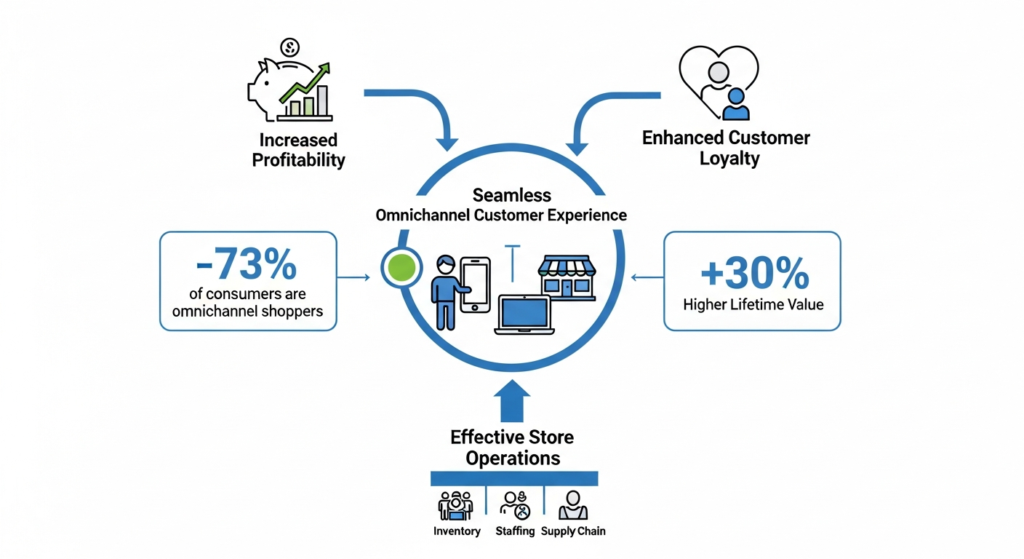
Good store operations are essential for delivering a seamless omnichannel experience that increases customer value and profitability. Statistically, 73% of consumers engage in omnichannel shopping, and these consumers generate 30% higher lifetime value. Efficient operations reduce costs and waste, strengthen customer loyalty, and improve overall financial performance.

Wondering how things actually run in your stores?
See it clearly by scheduling a FieldPie demo.
Core Store Processes in Retail Operations
Retail store operations are built on a set of core processes that ensure products, people, and systems work together to deliver a seamless in-store experience.
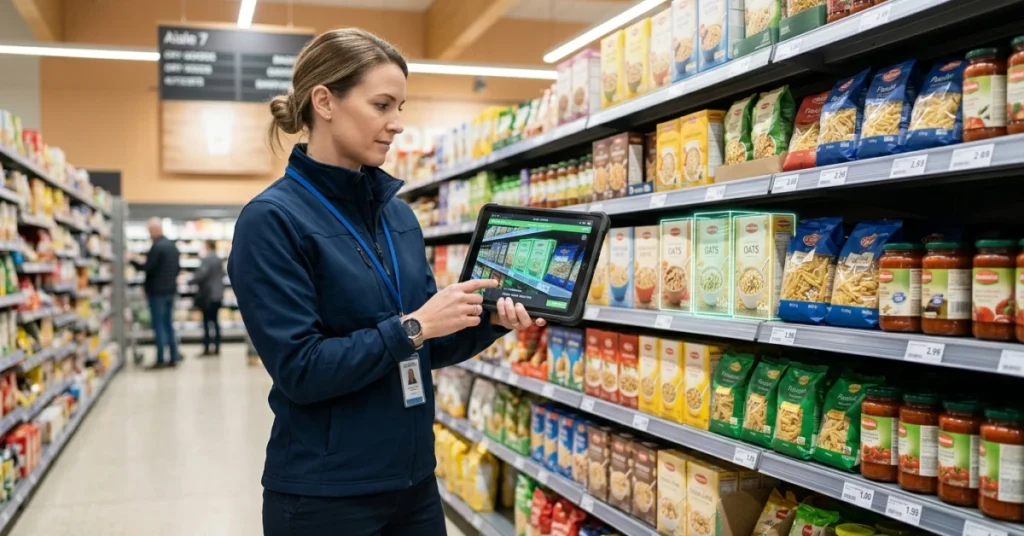
- Inventory Management
- Procedures for ordering, storing, tracking, and managing stock.
- Tools: Inventory software, stocktake schedules.
- Merchandising
- Planning and presentation of products to maximize sales.
- Includes product placement, pricing strategy, and display design.
- Sales Transactions
- Handling customer purchases efficiently through POS systems.
- Focus on speed, accuracy, and customer satisfaction.
- Customer Service
- Encompasses all activities related to assisting customers, handling inquiries, and resolving complaints.
- Order Fulfillment
- Process of receiving, processing, and delivering orders to customers.
- Involves coordination between warehousing, logistics, and customer communication.
- Store Layout and Design
- Optimal organization of shelves, aisles, and displays for product accessibility and customer flow.
- Security and Loss Prevention
- Implementing measures to prevent theft and ensure safety.
- Tools: Surveillance cameras, anti-theft tags, and security personnel.
- Promotions and Marketing
- Planning and executing campaigns to attract customers and boost sales.
- Includes advertising, special offers, and loyalty programs.
- Staff Management
- Recruiting, training, and scheduling employees to ensure optimal store operations.
- Focus on staff performance and development.
- Financial Management
- Budgeting, accounting, and reporting to ensure financial health.
- Includes sales tracking, expense management, and financial forecasting.
5S of Retail Store Operations
The 5S framework offers a practical model. It helps structure daily retail store operations. Instead of listing operational tasks, it defines how stores should be organized and managed. This ensures consistency, compliance, and a reliable customer experience across locations.
- System
- Establishes clear SOPs for daily store activities
- Standardizes workflows to reduce errors and operational variability
- Creates a shared operating model across teams and stores
- Staff
- Focuses on hiring, onboarding, and continuous training
- Ensures role clarity, accountability, and performance ownership
- Supports consistent service delivery through empowered employees
- Shoppers
- Keeps customer experience at the center of store execution
- Uses feedback and in-store observations to understand behavior
- Aligns daily operations with customer expectations and brand promise
- Space
- Organizes physical store layout for navigation, safety, and visibility
- Supports visual merchandising and store standard compliance
- Ensures a clean, accessible, and efficient selling environment
- Stock
- Maintains the right products in the right quantities
- Prevents stockouts and overstock through accurate tracking
- Enables efficient replenishment across locations
In summary, 5S defines the organizational discipline required to run retail stores consistently and at scale.
The Core Pillars of Retail Store Operations
The core pillars represent the main execution areas where retail operations are actively managed and measured. These pillars translate strategy and structure into day-to-day performance.
Inventory Management
- Ensures product availability through demand forecasting and replenishment
- Reduces costs by preventing stockouts, overstock, and shrinkage
- Enables informed decisions with real-time inventory data
Customer Experience & Service
- Builds loyalty through consistent, positive in-store experiences
- Covers all touchpoints from store atmosphere to issue resolution
- Increases retention by meeting customer expectations
Store Management & Visual Merchandising
- Shapes the physical customer journey through layout and ambiance
- Improves product discovery with clear navigation and displays
- Influences purchasing decisions through visual execution
Team & Staff Management
- Empowers frontline teams with training and role clarity
- Improves service quality through accountability and motivation
- Boosts productivity while reducing turnover
Technology & Digitalization
- Streamlines operations via POS, inventory, and analytics systems
- Provides actionable insights through integrated, real-time data
- Supports omnichannel execution and data-driven decisions
Supply Chain & Logistics
- Ensures smooth product flow from suppliers to shelves
- Improves resilience against disruptions and delays
- Supports consistent availability and fulfillment
Financial Health & Compliance
- Protects profitability through accurate reporting and loss prevention
- Ensures compliance with regulations and internal controls
- Sustains long-term operational discipline
Holistic Best Practices for Optimal Retail Operations
A holistic retail operations approach aligns people, processes, and technology. This improves efficiency, resilience, and customer experience across the store network.
Continuous Improvement
- Drives efficiency through feedback, benchmarking, and ongoing optimization
- Keeps operations agile in changing retail environments
Data-Driven Decisions
- Turns operational data into actionable insights
- Improves forecasting, planning, and performance tracking
Omnichannel Execution
- Aligns online and in-store operations
- Ensures consistent customer experiences across channels
SOPs & Checklists
- Standardize workflows and reduce errors
- Ensure compliance and scalable execution
Sustainability & Ethics
- Supports responsible sourcing and waste reduction
- Strengthens brand trust and long-term viability
Supply Chain Resilience
- Improves visibility and responsiveness
- Protects product availability against disruptions
People & Productivity
- Reduces turnover through engagement and development
- Improves service quality with clear roles and expectations
Digitalization
- Enhances store execution with technology
- Enables smarter, more personalized operations
Sales Optimization
- Uses data to improve pricing, layout, and promotions
- Maximizes revenue per store and per square foot

Final Thoughts: Retail Operations as a Growth Driver
Strong retail operations link strategy with action. This connection helps create consistent customer experiences. It also supports operational strength and steady profits. In today’s retail environment, operational excellence is a key driver of long-term success.
Bring Operational Clarity with FieldPie
FieldPie helps retailers manage store operations with clarity, consistency, and real-time visibility—ensuring standardized execution and measurable results across all locations.
👉 See how FieldPie supports retail excellence — book a demo.