



Retail store operation management is the systematic coordination of all daily activities within a retail environment — including inventory control, staff scheduling, customer service, loss prevention, and visual merchandising — to maximize efficiency, profitability, and customer satisfaction across every touchpoint.
What Is Retail Store Operation Management?
Retail store operation management refers to the end-to-end oversight of a store’s daily functions — from opening procedures and inventory replenishment to employee performance and compliance audits. It integrates people, processes, and technology to ensure every customer interaction is consistent, efficient, and profitable.
What Are the Core Components of Retail Store Operations?
Effective retail store operation management relies on six key pillars. Weakness in any area can ripple across the entire business.
- Inventory Management
- Real-time stock tracking and replenishment
- Shrinkage prevention and cycle counting
- Dead stock identification and markdowns
- Supplier coordination and purchase order management
Efficient supplier quality management helps retailers minimize stock issues, improve product consistency, and strengthen supplier relationships. It also plays a critical role in maintaining inventory accuracy and operational continuity.
- Staff and Workforce Management
- Shift scheduling and labor cost control
- Onboarding, training, and performance reviews
- Clear roles and accountability
- Employee engagement and retention
- Customer Experience Management
- In-store service standards and complaint handling
- Queue and checkout efficiency
- Loyalty program execution
- Returns and exchanges
- Visual Merchandising & Store Layout
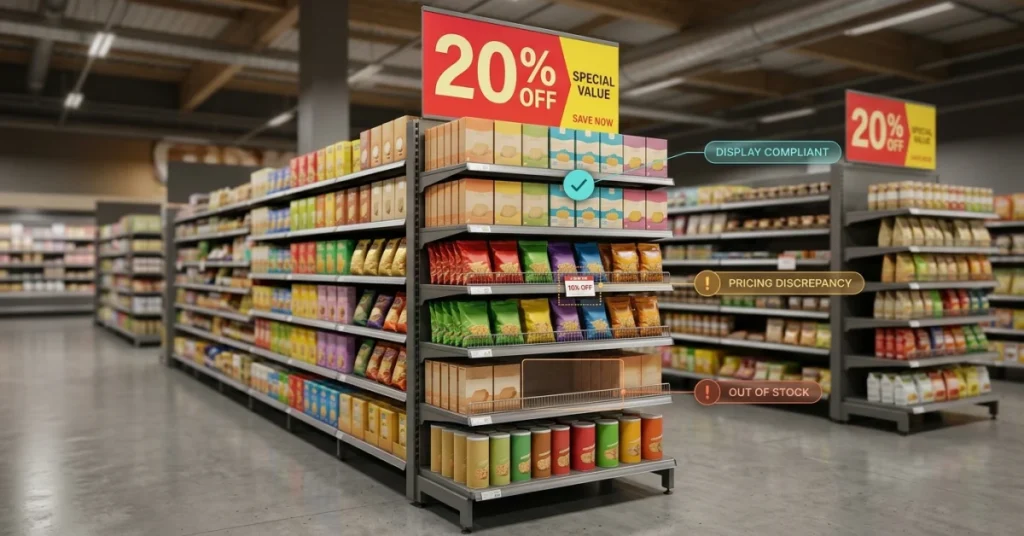
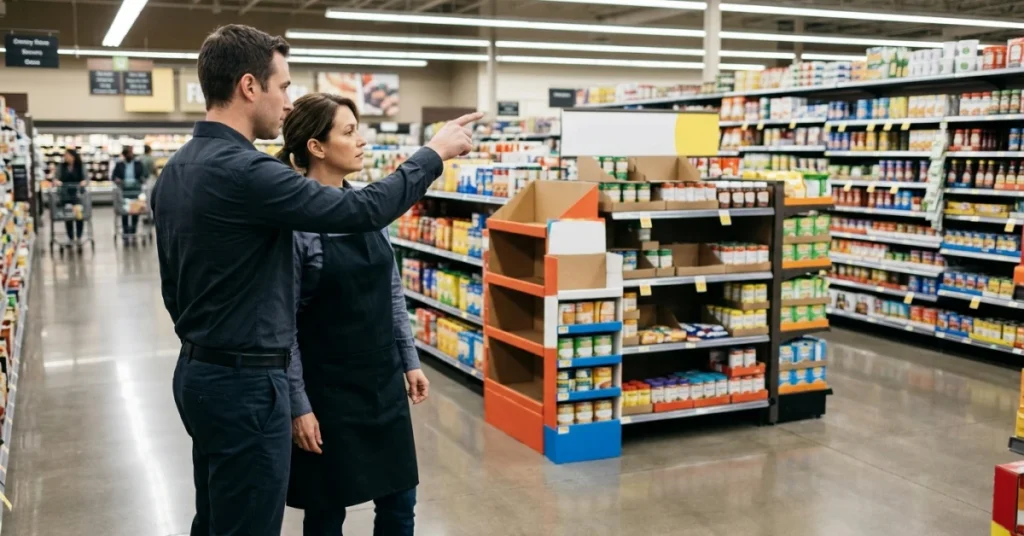
- Planogram compliance and seasonal updates
- Promotional display setup and end-cap execution
- Signage accuracy and brand consistency
- Space productivity analysis
- Loss Prevention & Compliance
- Theft prevention and CCTV monitoring
- Cash handling and audit processes
- Health, safety, and regulatory checks
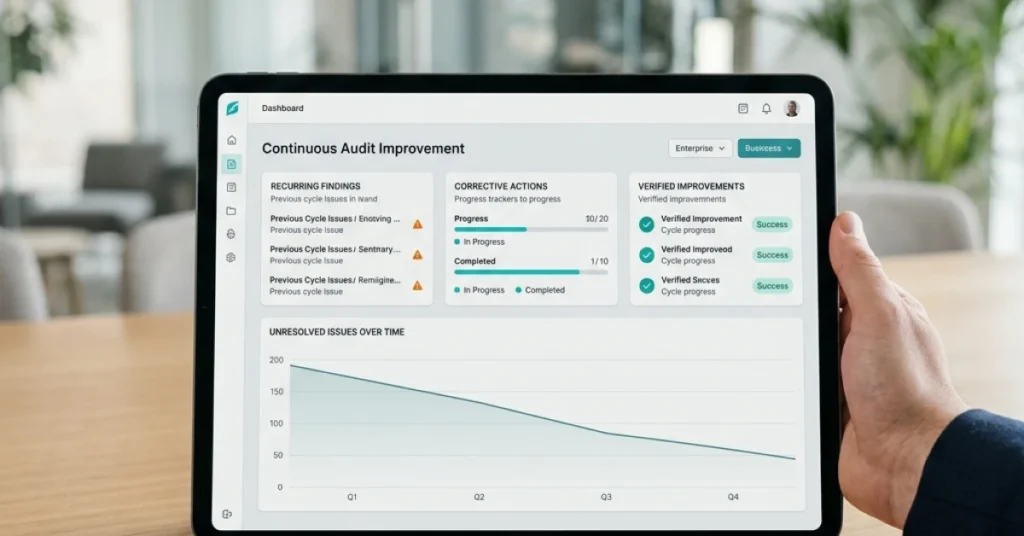
- Internal audits and corrective actions
- Financial & Reporting Operations
- Daily sales reconciliation and cash management
- Expense tracking and budget adherence
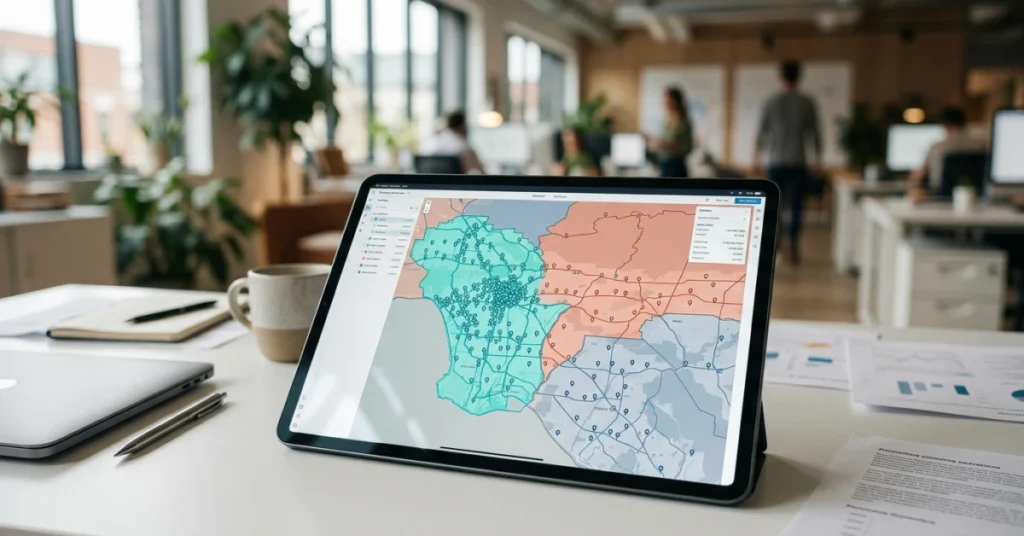
- KPI dashboards and performance reporting
- Shrink and variance analysis

What Are the Biggest Challenges in Retail Store Operations?
Even seasoned retail operators face persistent friction points. Understanding these challenges is the first step toward solving them.
| Challenge | Root Cause | Business Impact |
|---|---|---|
| Inventory inaccuracies | Manual counting, poor system integration | Stockouts, overstock, lost sales |
| High staff turnover | Inadequate training, poor scheduling | Inconsistent service, high hiring costs |
| Inconsistent brand standards | Lack of SOPs, no audit mechanism | Damaged brand reputation |
| Shrinkage and theft | Weak loss prevention protocols | Direct margin erosion |
| Poor communication | Siloed teams, no centralized platform | Missed tasks, compliance failures |
| Data overload | Too many disconnected systems | Slow, uninformed decision-making |
| Compliance gaps | Manual checklists, infrequent audits | Legal exposure, fines |
| Omnichannel fulfillment pressure | Legacy systems, siloed inventory | Customer dissatisfaction, returns |
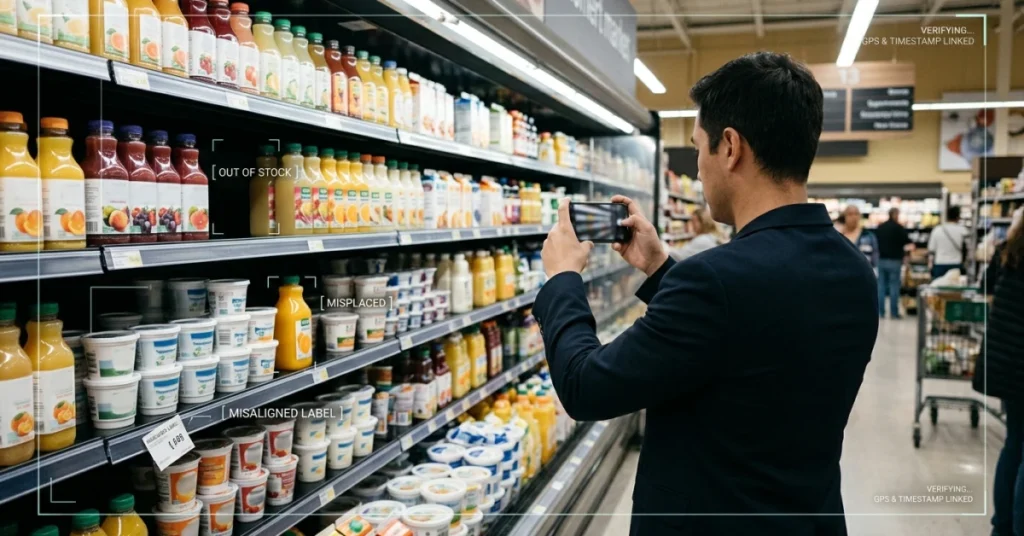
Maintaining consistent retail standards across every store is essential for delivering a unified customer experience and protecting brand reputation. Regular audits and clear SOPs help teams enforce retail standards more effectively.
How to Build a Winning Retail Operations Strategy
Step 1: Conduct a Full Operations Audit
Establish a clear baseline by auditing all key areas: inventory accuracy, staff productivity, compliance, and customer satisfaction. Identify what’s working and what needs improvement.
Step 2: Define Standard Operating Procedures (SOPs)
Well-documented Retail Store Standard Operating Procedures (SOPs) help teams execute daily tasks consistently, reduce operational errors, and improve accountability across all store locations.
Document all repeatable tasks, including:
- Store opening and closing procedures
- Inventory receiving and stocking
- Cash handling and reconciliation
- Customer complaint escalation
- Planogram execution
Step 3: Set Clear KPIs
Assign measurable KPIs to each role. Focus on metrics that directly impact profitability and customer experience, avoiding vanity numbers.
Step 4: Leverage the Right Technology
Adopt tools that streamline operations and reduce manual work:
- POS integration
- Inventory management software
- Workforce scheduling tools
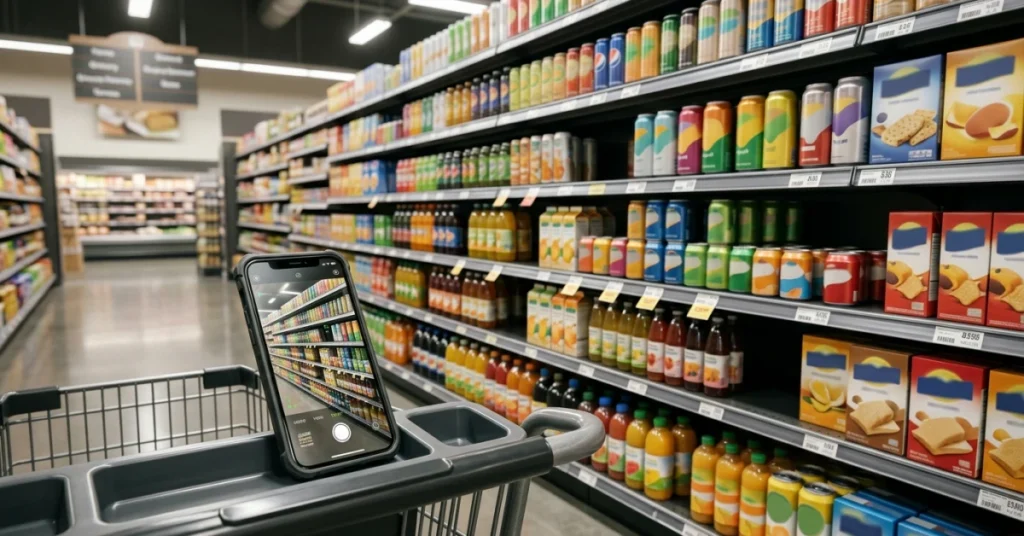
- Mobile audit and inspection platforms
- Real-time communication apps
Step 5: Train Continuously
Foster ongoing learning through micro-training, role-plays, and performance feedback. Training should be continuous, not limited to onboarding.
Step 6: Review and Improve
Conduct monthly reviews using KPI dashboards to identify trends, address bottlenecks, and reward high performers. Adjust strategies based on insights.
Retail Store Operations KPIs: What to Track
Tracking the right metrics helps move from reactive management to proactive leadership. Key KPIs to monitor:
- Sales Performance
- Sales per square foot → Measures space productivity
- Average transaction value (ATV) → Indicates upsell effectiveness
- Inventory
- Inventory turnover rate → Shows stock efficiency
- Shrinkage rate (%) → Directly impacts gross margin
- Stockout frequency → Tracks lost sales opportunities
- Workforce
- Labor cost as % of revenue → Controls largest variable cost
- Staff turnover rate → Signals culture and management health
- Customer Experience
- Net Promoter Score (NPS) → Measures customer loyalty
- Customer satisfaction score (CSAT) → Tracks service quality
- Compliance
- Audit pass rate (%) → Ensures brand and regulatory standards
- Corrective action resolution time → Measures operational responsiveness
- Financial
- Gross margin by location → Identifies underperforming stores
What Are the Best Practices from Industry Leaders?
The most operationally excellent retailers in the world share a common playbook. Here are the practices that separate top performers from the rest.
Many of the strategies above align with the 7 Principles of Retail, including consistency, customer experience, operational efficiency, accountability, merchandising, communication, and continuous improvement. Retailers that successfully apply these principles often achieve stronger operational performance and customer loyalty.
1. Standardize Everything, Then Personalize
Build a non-negotiable operational baseline through SOPs and checklists. Once standards are consistent, empower store managers to adapt locally within defined parameters.
2. Hire for Attitude, Train for Skill
Operational excellence starts with your people. The best retail operators prioritize cultural fit and customer-centricity in hiring, then invest heavily in structured training programs.
3. Make Data Visible at Every Level
Don’t hoard data at the HQ level. Give store managers access to their own performance dashboards. When frontline teams can see their own metrics, accountability and performance improve naturally.
4. Conduct Regular, Unannounced Audits
Research on retail operations best practices shows that consistent auditing — including surprise inspections — is one of the most effective ways to maintain brand standards across all locations.”
5. Build a Communication Cadence
Weekly store manager calls, monthly regional reviews, and quarterly strategy sessions create alignment from the frontline to the boardroom. Communication gaps are operational gaps.
6. Treat Loss Prevention as a Strategic Priority
Shrinkage is a silent margin killer. According to Multidev’s retail operations management research, robust loss prevention protocols — including cash handling audits, CCTV monitoring, and inventory cycle counts — are essential best practices for any serious retail operation.
7. Embrace Continuous Improvement
The best operators never declare victory. They build a culture of kaizen — continuous, incremental improvement — where every team member is empowered to identify and surface operational inefficiencies.
8. Align Operations with the Customer Journey
Every operational decision should be evaluated through the lens of the customer experience. Faster replenishment means fewer stockouts. Better scheduling means shorter wait times. Cleaner stores mean higher basket sizes.
Frequently Asked Questions (FAQ)
1. What is the difference between retail operations and retail store operation management?
Retail operations covers all activities that keep a retail business running — from supply chain to e-commerce fulfillment. Retail store operation management is more specific: it focuses on the daily in-store execution, including staff, processes, inventory, and customer experience. In short, retail operations is the strategy, while store operation management is the tactical execution.
2. What does a retail store operations manager do daily?
A retail store operations manager oversees all in-store activities. Typical responsibilities include:
- Monitoring sales performance against targets
- Conducting or reviewing compliance audits
- Managing staff schedules and coverage gaps
- Handling customer escalations
- Coordinating vendor deliveries
- Ensuring visual merchandising standards
They act as the bridge between corporate strategy and frontline execution.
3. How can small and mid-sized retailers improve store operations on a budget?
Focus on three high-impact, low-cost actions:
- Document SOPs: Standardize repeatable tasks like opening/closing procedures, inventory handling, and customer complaints.
- Use mobile-first tools: Implement affordable checklist and audit software to replace paper processes.
- Establish a review rhythm: Conduct weekly performance reviews using POS or basic operational data.
Consistency and disciplined execution often deliver better results than expensive technology without clear processes.
Conclusion
Efficient retail store operation management is the key to maximizing profitability, enhancing customer satisfaction, and maintaining consistent brand standards across every location. By unifying inventory, workforce, technology, and operational processes, retailers can reduce inefficiencies, prevent losses, and empower teams to deliver exceptional experiences that drive loyalty and growth.
Take control of your retail operations today — Request a FieldPie demo and see how our platform can streamline your stores, boost compliance, and enhance performance.