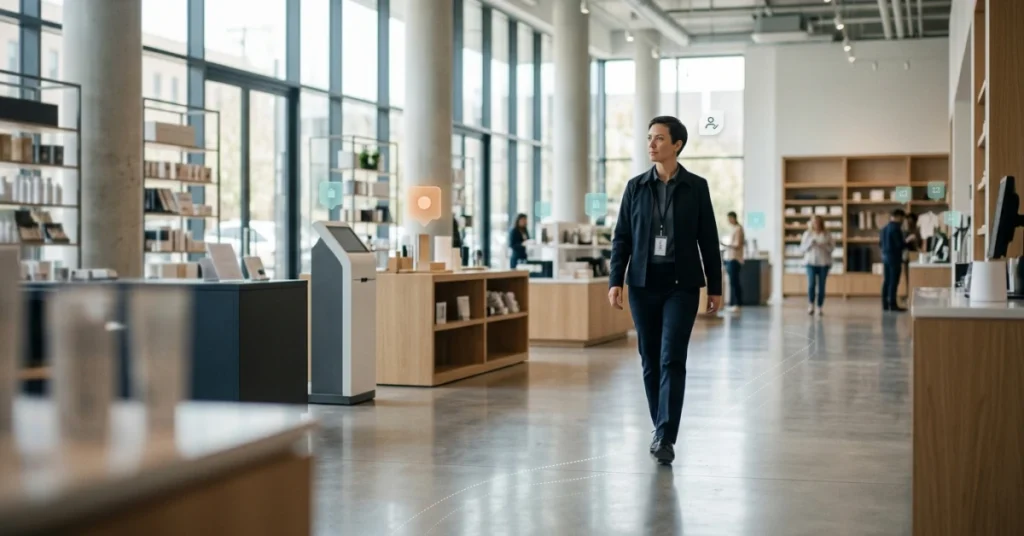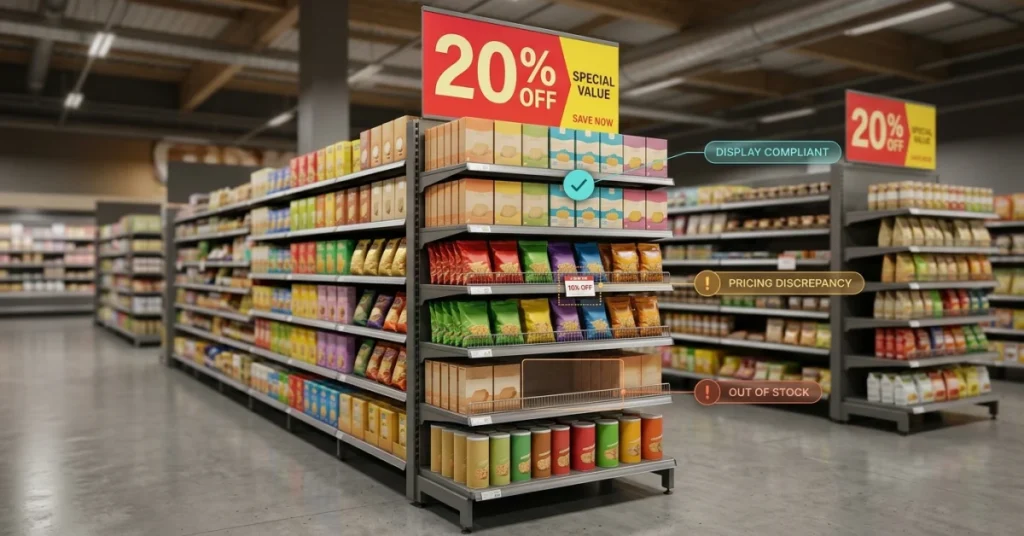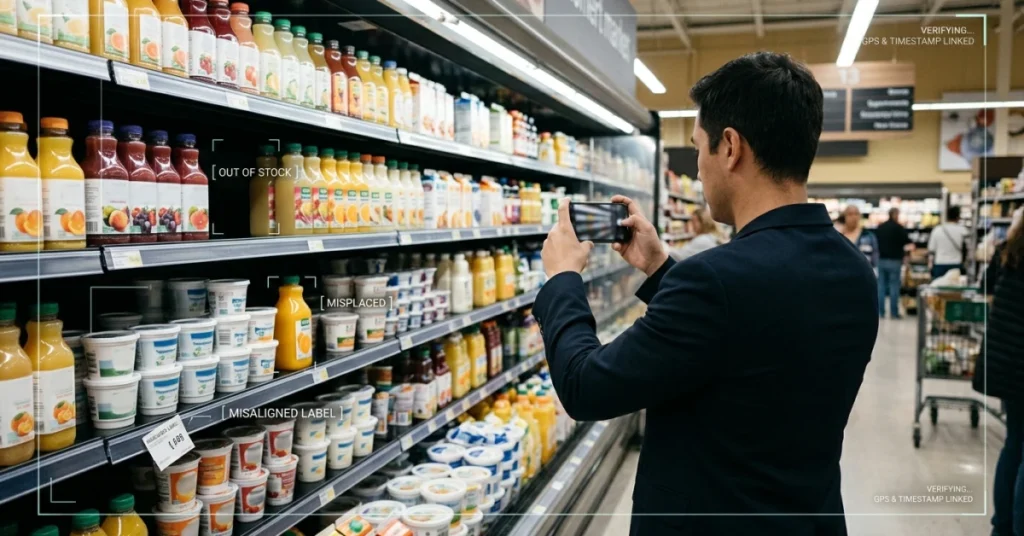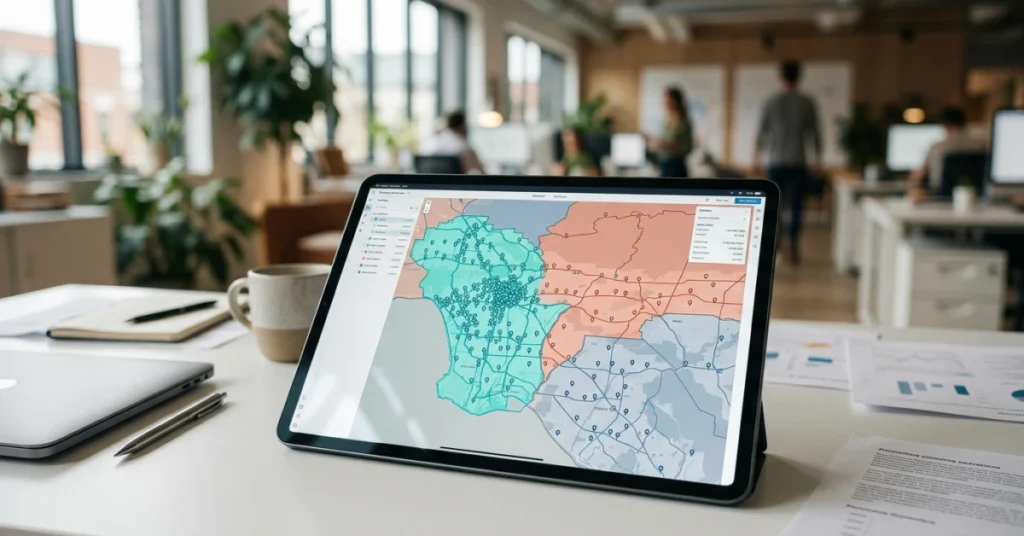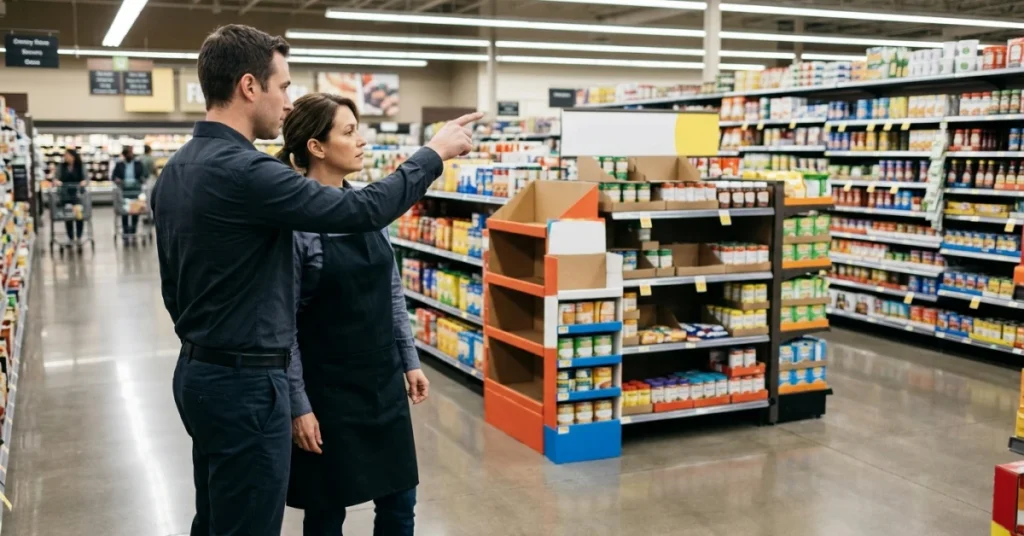



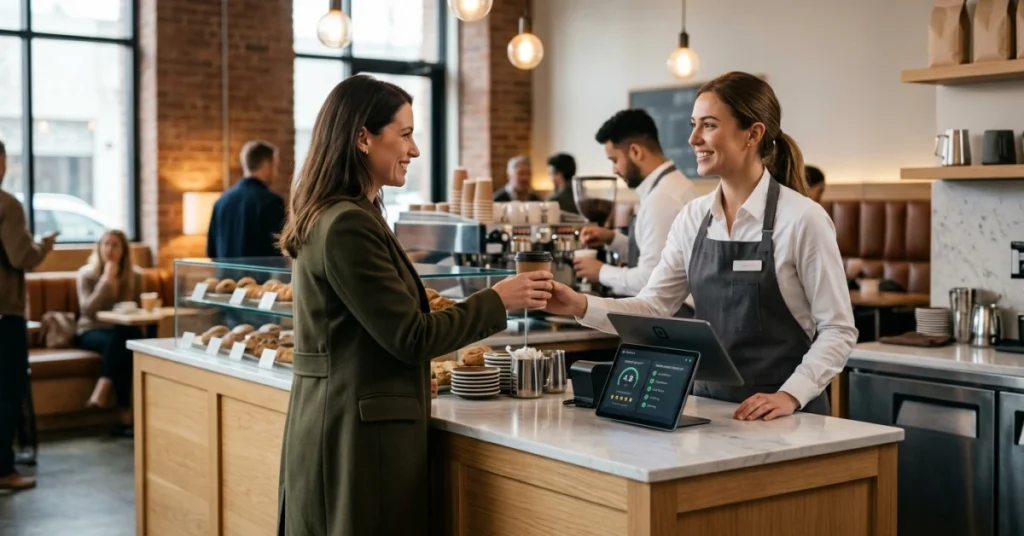
Franchise mystery shopping is the practice of deploying trained anonymous evaluators—called mystery shoppers—to visit, call, or digitally interact with franchise locations to assess customer service quality, brand compliance, and operational consistency across all units. It gives franchisors an unfiltered, ground-level view of what customers actually experience.
What Is Franchise Mystery Shopping and Why Does It Matter?
In franchising, your brand is only as strong as its weakest location. A single underperforming unit can damage the reputation you’ve built across every other outlet in your system. That’s exactly why franchise mystery shopping has become a non-negotiable quality assurance tool for serious multi-location operators.
The core problem is visibility. Franchisors can review sales reports and read customer reviews, but those data points are lagging indicators. By the time a negative pattern surfaces in the numbers, the damage is already done. A structured mystery shopping program delivers real-time, objective feedback before problems compound.
According to research published by Drive Research, a well-executed program gives franchise leadership actionable data on customer service, staff behavior, and brand standard adherence—insights that surveys and review platforms simply cannot replicate.
Franchising operates on a promise: that a customer in Dallas gets the same experience as a customer in Denver. Mystery shopping is the mechanism that verifies whether that promise is being kept.
How Does a Franchise Mystery Shopping Program Work?
A mystery shopping program follows a deliberate sequence. Each phase builds on the last to ensure the data you collect is reliable, comparable, and actionable.
Step 1: Define Objectives and Evaluation Criteria
Before deploying a single shopper, leadership must decide what the program is measuring. Common objectives include:
- Customer service greeting and engagement standards
- Sales process adherence and upsell compliance
- Cleanliness, presentation, and brand signage standards
- Phone and digital lead response times
- Food safety or health and safety protocol compliance
The evaluation criteria should map directly to your franchise operations manual. If a standard isn’t documented, it can’t be fairly evaluated.
Step 2: Design Custom Scorecards
Generic scorecards produce generic insights. Effective programs use scorecards built around your specific brand standards. As Customerwise notes, evaluation forms should be tailored to each franchise brand so the feedback you receive is immediately usable by your operations team.
Each scorecard item should be binary (pass/fail) or scored on a defined scale—not subjective. Ambiguity in scoring creates inconsistency across locations.
Step 3: Select and Brief Mystery Shoppers
Shoppers must match the demographic profile of your actual customer base. A mystery shopper who looks out of place at a senior care franchise or a quick-service restaurant will produce biased results. Briefing materials should cover the scenario, the evaluation criteria, and the required documentation—without coaching the shopper on what to find.
Step 4: Execute Evaluations Across Locations
Evaluations should be conducted across multiple locations simultaneously or on a rolling schedule. The visit types vary by business model:
- In-person location visits
- Phone call evaluations
- Website lead form testing
- Appointment booking tests
- Competitive comparison shops
Step 5: Compile Reports and Deliver Feedback
Raw shopper data is only valuable when it’s synthesized into clear reporting. Executive summaries, location scorecards, trend analyses, and ranking comparisons across locations give leadership the full picture.
Step 6: Act on the Data
The research is worthless without follow-through. Findings should feed directly into:
- Targeted retraining for underperforming locations
- Recognition programs for top-performing operators
- Updates to the franchise operations manual
- Accountability conversations between franchisors and franchisees

Why Do Franchisors Run Mystery Shopping Programs?
The business case for a shopping program is straightforward: it protects brand equity and drives revenue. Here’s a breakdown of the most compelling reasons franchisors invest in ongoing evaluation.
Brand Consistency Across All Locations
The single greatest risk in franchising is inconsistency. A customer who has a poor experience at one unit will attribute that failure to the entire brand—not just that franchisee. Regular mystery shopping creates a consistent feedback loop that holds every location to the same standard, whether you operate 10 locations or 1,000.
Early Detection of Compliance Failures
As Acceler8Success Cafe reports, mystery shopping exposes compliance issues—health and safety protocol violations, poor sanitation practices, food handling problems—before they escalate into liability events or public relations crises. Early detection is exponentially less costly than crisis management.
Validating Training Effectiveness
Staff turnover is endemic across industries. New hires who haven’t fully internalized brand standards create service gaps that don’t show up in internal audits. A mystery shopper program reveals whether your training investments are actually sticking at the unit level—or whether the knowledge stops at the classroom door.
Creating Accountability and Rewarding Excellence
Uniform evaluations across all locations establish objective benchmarks. When every franchisee is measured by the same criteria, top performers can be recognized and rewarded. Underperformers receive structured feedback rather than vague directives. This data-driven accountability culture strengthens the entire franchise system.
Protecting Lead Conversion and Revenue
Mystery shopping isn’t limited to in-store experiences. Phone and digital evaluations test how quickly and effectively your locations respond to new leads. A franchisee who fails to follow up on a web inquiry within 24 hours is leaving revenue on the table—and a shopping program is the only reliable way to catch that gap systematically.
Which Industries Use Franchise Mystery Shopping Most?
A mystery shopping program is relevant across virtually all consumer-facing industries where franchising is common. The table below outlines the most active sectors and what they typically evaluate.
| Industry | Primary Evaluation Focus |
|---|---|
| Quick-Service Restaurants | Food quality, speed of service, cleanliness, order accuracy |
| Fitness & Wellness | Membership sales process, facility cleanliness, staff engagement |
| Home Services | Technician professionalism, quote accuracy, punctuality |
| Healthcare & Senior Care | Intake process, staff empathy, safety compliance |
| Retail | Product knowledge, customer greeting, checkout experience |
| Beauty & Personal Care | Service consistency, upsell adherence, sanitation |
| Pet Services | Animal handling protocols, facility standards, customer communication |
| Education | Enrollment process, staff responsiveness, facility presentation |
These industries share a common challenge: delivering a consistent customer service experience across dozens or hundreds of geographically dispersed locations. Mystery shopping is the research tool that makes consistency measurable.
How to Choose the Right Mystery Shopping Provider for Your Franchise
Not all mystery shopping companies are equipped to serve multi-location franchise systems. When evaluating providers, prioritize these criteria:
- Franchise-specific experience: The provider should have a documented track record across multiple franchise brands, not just retail or hospitality.
- Scalability: Can they cover all your locations across multiple geographies, or are they limited to specific markets?
- Reporting quality: Executive-level summaries, location rankings, and trend analysis should be standard deliverables—not add-ons.
- Turnaround time: Reports should be delivered within 48–72 hours of an evaluation to remain operationally relevant.
- Customization: The provider must build scorecards around your franchise operations manual, not adapt your brand to their template.
- Pilot program availability: A reputable provider will offer a structured pilot covering select locations before you commit to a full program.
As franchising.eu notes, the advantages of mystery shopping are only realized when the program is designed with the specific operational context of franchising in mind—not adapted from a generic retail evaluation model.
When evaluating potential partners, ask whether they can support multi-location compliance auditing alongside mystery shopping evaluations. The two functions are complementary, and combining them reduces administrative overhead while increasing data richness.
Franchise Mystery Shopping vs. Traditional Customer Surveys: What’s the Difference?
Both tools generate customer feedback, but they serve fundamentally different purposes.
| Dimension | Mystery Shopping | Customer Surveys |
|---|---|---|
| Data Source | Trained anonymous evaluator | Self-selected customer respondents |
| Objectivity | High — structured scorecard criteria | Variable — influenced by recency bias |
| Breadth of Coverage | Specific touchpoints, process steps | General satisfaction impressions |
| Actionability | Immediate — tied to specific behaviors | Delayed — requires aggregation |
| Compliance Measurement | Yes — directly tests protocol adherence | No — customers don’t evaluate compliance |
| Frequency | Scheduled, controlled | Continuous, uncontrolled |
The two tools complement each other. Customer surveys capture broad sentiment across a large sample. Mystery shopping delivers granular, behavioral data tied to specific interactions. Franchisors who use both in parallel get a complete picture of performance—sentiment and specifics.
For franchisors managing customer feedback programs across multiple locations, integrating both data streams into a single reporting environment is the most efficient path to actionable insight.

Frequently Asked Questions (FAQ)
How much does a franchise mystery shopping program cost?
Costs vary significantly based on program scope, number of locations, evaluation frequency, and provider. A pilot program covering 10–20 locations typically ranges from $1,500 to $5,000. Full-scale national programs with monthly evaluations across hundreds of locations can exceed $50,000 annually. Most reputable providers offer tiered pricing based on volume.
How often should franchisors conduct mystery shopping evaluations?
Industry best practice calls for quarterly evaluations at minimum across all locations. High-volume units, locations with known compliance issues, or outlets in competitive markets benefit from monthly evaluations. Seasonal businesses should align evaluation frequency with peak trading periods to capture the customer experience under maximum operational stress.
Conclusion
Franchise mystery shopping is more than a customer service evaluation tool — it is a system for protecting brand consistency, operational standards, and long-term franchise growth. In multi-location franchise networks, even small execution gaps can quickly turn into reputation and revenue problems if they go unnoticed.
A structured mystery shopping program gives franchisors realtime visibility into what customers actually experience across every location. When paired with clear reporting, accountability processes, and corrective action workflows, it becomes a powerful operational advantage rather than just another audit activity.