


Retail Portfolio Visibility is the real-time ability of brands and retailers to monitor, measure, and manage how their entire product portfolio is represented across every physical and digital point of sale — from shelf placement and planogram compliance to stock availability and promotional execution.
What Is Retail Portfolio Visibility — and Why Does It Define Competitive Advantage in 2026?
In today’s hyper-competitive retail environment, knowing what is on the shelf and how it performs is no longer optional. Retail Portfolio Visibility gives brands and field teams a unified, data-driven view of their entire product lineup across every retail channel. Without it, manufacturers and retailers operate blind — making pricing, promotion, and replenishment decisions based on stale data or gut instinct.
According to research published by Retail Dive, a persistent “retail visibility gap” costs brands millions in unverified trade spend annually — spend that cannot be attributed to actual shelf execution or customer conversion. Closing that gap is the single most high-leverage move available to any CPG or FMCG brand in 2026.
How Does Poor Retail Visibility Damage Your Portfolio Performance?
Brands that lack structured retail visibility consistently face four core failure modes. Each one directly erodes revenue, customer trust, and market share.
1. Out-of-Stock Events Go Undetected
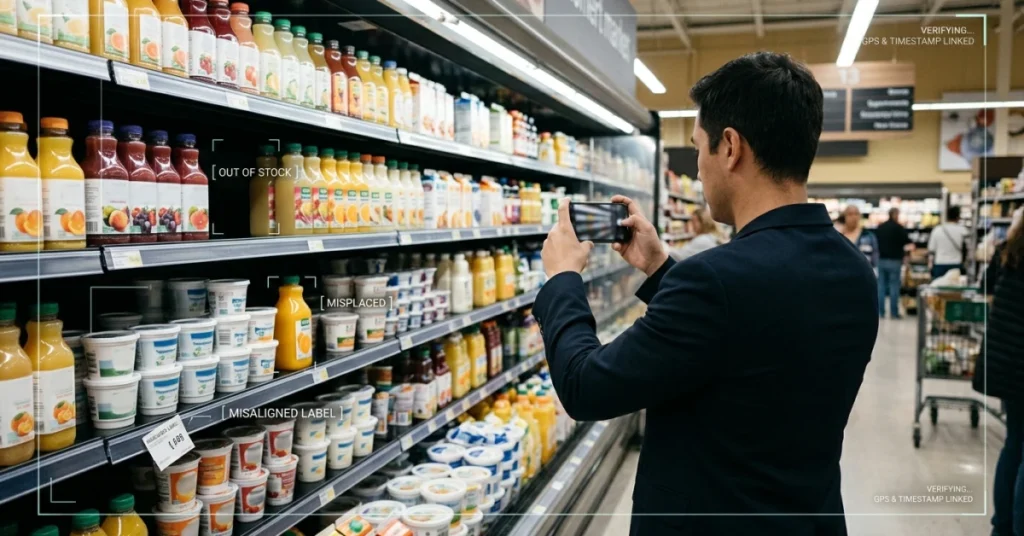
When field teams report shelf conditions manually or on a delayed schedule, out-of-stock events can persist for hours — sometimes days. For fast-moving consumer goods, a single day of zero availability at a high-traffic retailer can translate to a 4–8% revenue loss per SKU, per store.
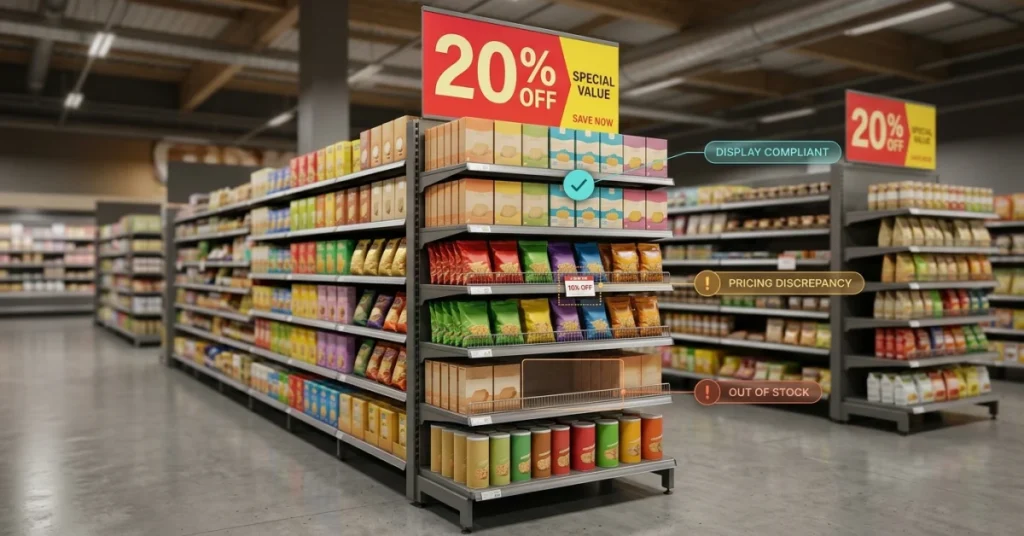
2. Planogram Non-Compliance Silently Drains Sales
Retailers agree to specific product placement, facings, and shelf sequencing. When brands cannot verify compliance in realtime, they lose the premium shelf positions they paid for. As Locus.sh’s industry analysis on retail visibility confirms, planogram non-compliance is one of the most underreported causes of underperformance in distributed retail networks.
3. Promotional Execution Fails at the Store Level
Trade promotions represent 15–25% of gross revenue for most CPG companies. Yet without granular portfolio visibility, brands cannot confirm whether a display is actually up, whether the correct price point is in place, or whether the promotional stock reached the shelf before the campaign window closed.
4. Competitor Intelligence Gaps Widen
Without consistent retail visibility data, your field teams cannot track competitor shelf share, pricing shifts, or new product introductions in realtime. That intelligence gap compounds over time, leaving brands reactive rather than strategic.
What Are the Core Components of a Retail Portfolio Visibility Strategy?
A robust retail visibility framework rests on five interconnected pillars. Each pillar feeds data into a central management layer that enables both tactical response and strategic planning.
| Pillar | Function | Key Metric |
|---|---|---|
| Shelf Monitoring | Tracks product placement and facings per planogram | Planogram compliance rate (%) |
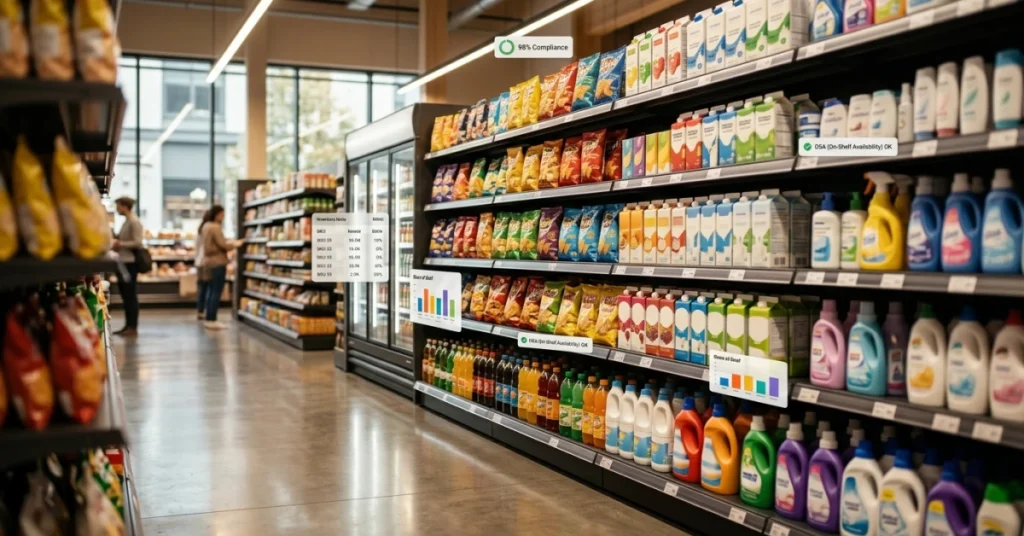
| Stock Availability | Detects out-of-stocks and near-zero inventory | OSA (On-Shelf Availability) % |
| Promotional Compliance | Verifies display setup and price execution | Promo execution rate (%) |
| Competitor Benchmarking | Captures competitor SKU placement and pricing | Share of shelf (%) |
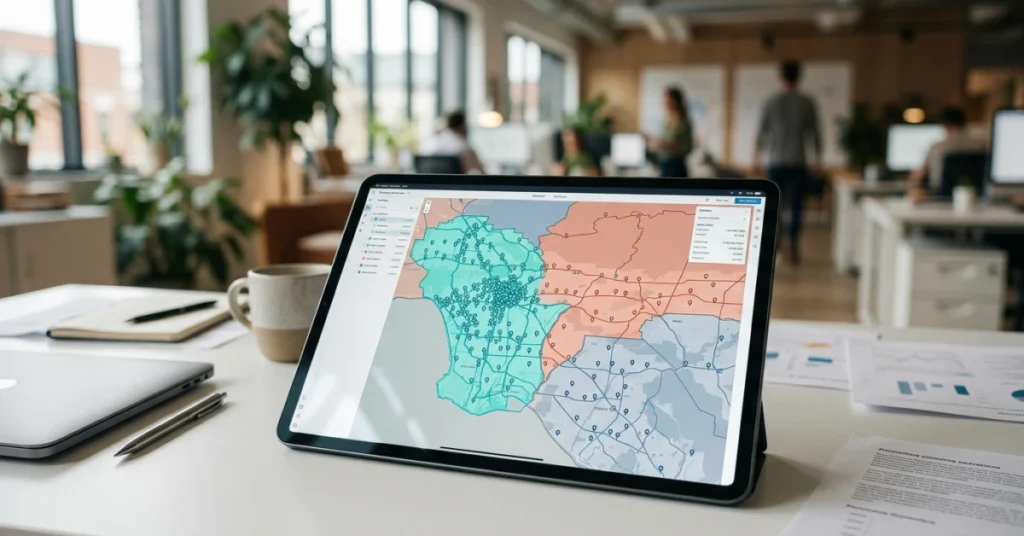
| Realtime Reporting | Aggregates field data into actionable dashboards | Time-to-insight (hours) |
How Does Planogram Compliance Fit Into Portfolio Management?
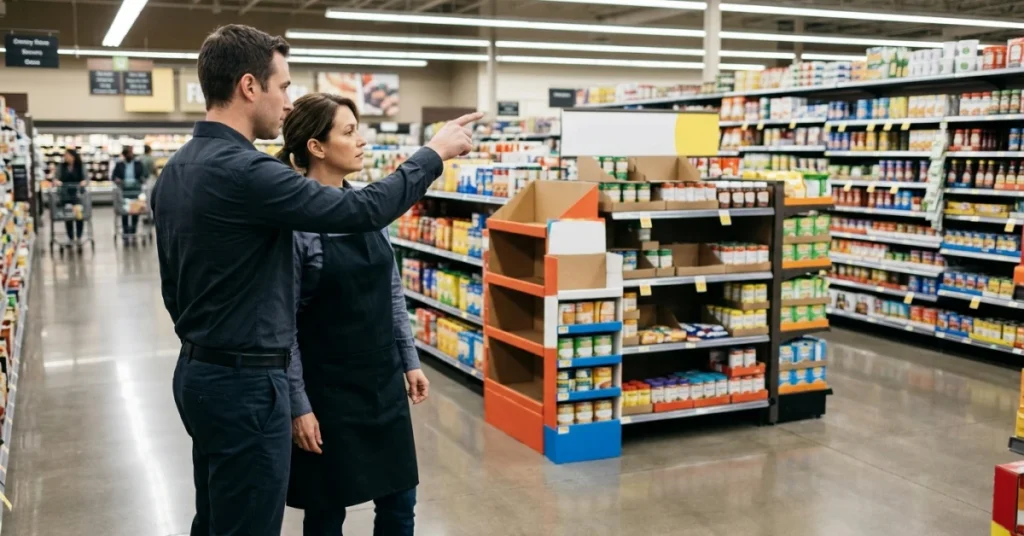
Planogram compliance is the backbone of portfolio management at the store level. A brand may have a perfectly designed go-to-market strategy, but if shelf execution deviates from the agreed planogram by even one or two facings, the visual impact — and the sales lift — collapses. Retailers like Primark have demonstrated that centralizing portfolio project data and governance processes dramatically improves execution consistency, as documented in Planisware’s case study.
How Do Retailers and Brands Actually Measure Retail Visibility Today?
Measurement frameworks vary by maturity level. Here is how brands typically progress from reactive to predictive retail visibility management:
Stage 1 — Manual Auditing: Field reps visit stores on a set schedule and log observations via paper or basic spreadsheets. Data latency is measured in days or weeks. This approach provides zero realtime insight and creates significant storage and reconciliation overhead.
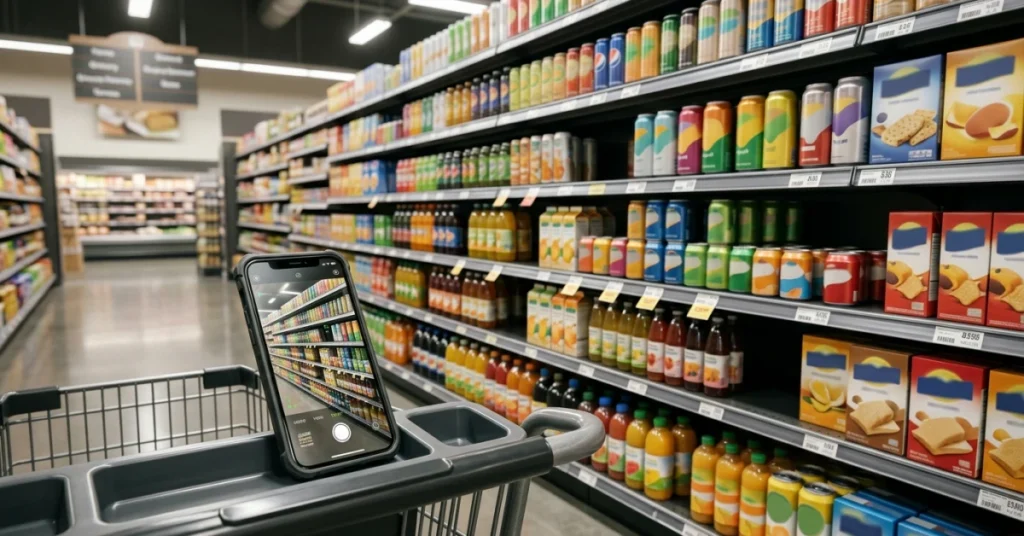
Stage 2 — Mobile-First Data Collection: Field teams use mobile apps to capture image data, complete structured audits, and submit reports from the store floor. Data reaches management dashboards within hours. This is the current baseline for most mid-market retailers and their suppliers.
Stage 3 — AI-Powered Image Recognition: Cameras or field rep smartphones capture shelf image data that AI engines analyze automatically. The system identifies out-of-stocks, misplaced SKUs, and competitor encroachment without manual data entry. This approach reduces audit time by up to 70% and dramatically improves data quality.
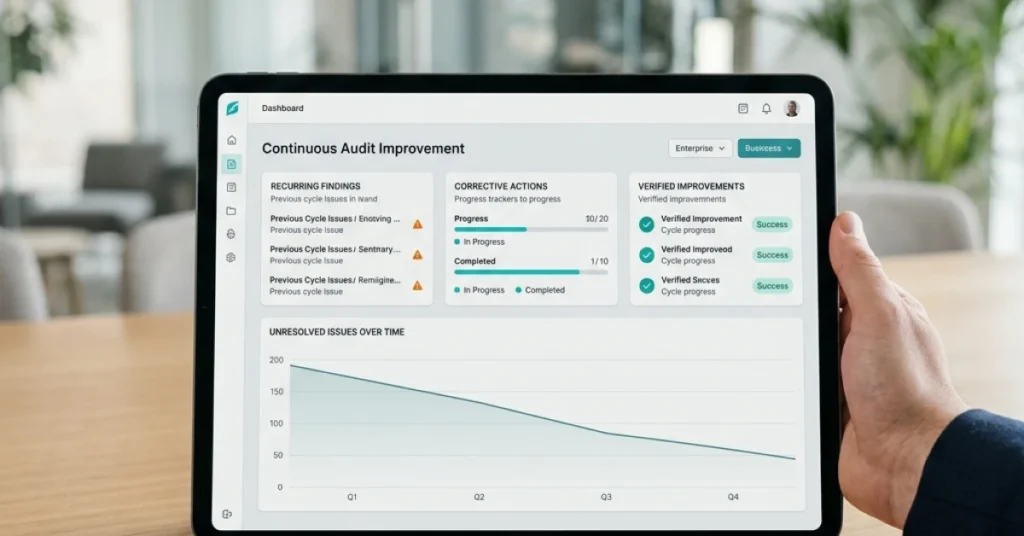
Stage 4 — Integrated Realtime Intelligence: All shelf data, delivery confirmations, inventory signals, and customer purchase patterns feed into a single platform. Alerts trigger automatically when compliance thresholds are breached. This is where leading retailers and CPG brands operate in 2026.
How Does Technology Close the Retail Visibility Gap?
The most significant shift in retail visibility management over the past three years is the move from periodic reporting to continuous, realtime intelligence. This shift is driven by three converging technologies:
AI-Powered Image Recognition: Systems that analyze shelf image data can now identify compliance issues with greater than 95% accuracy. Brands no longer need to rely on subjective field rep assessments — the image itself becomes the audit record, stored with full metadata for dispute resolution and trend analysis.
Mobile-First Field Execution Platforms: Modern field management platforms give reps a guided workflow: select the store, complete the audit, capture image evidence, and submit — all within a single session. The data flows directly into management dashboards without manual reconciliation.
Integrated Delivery and Inventory Signals: When delivery data connects with shelf audit data, brands can answer the question that matters most: “Did the product arrive and make it to the shelf?” Without that integration, a confirmed delivery does not necessarily translate into customer-facing availability.
How Do Leading Retailers Use Realtime Data to Outperform Competitors?
The brands that lead on retail visibility share three operational disciplines that separate them from the field:
Daily Compliance Reviews: Instead of monthly or quarterly portfolio reviews, leading brands conduct daily or weekly compliance reviews using realtime dashboard data. This cadence allows them to catch and correct execution failures before they compound into sustained revenue loss.
Closed-Loop Promotional Execution: For every trade promotion, leading brands verify delivery, confirm display setup via image evidence, and track customer sell-through data. This closed-loop approach enables them to calculate true promotional ROI — not just spend — and to select the most effective formats for future campaigns.
Proactive Competitor Monitoring: Field teams at top-performing brands do not just audit their own portfolio. They select a standard set of competitor data points — share of shelf, new SKU introductions, pricing — and collect that data on every store visit. This intelligence feeds directly into portfolio design and promotional strategy decisions.
Frequently Asked Questions (FAQ)
What is the difference between retail visibility and supply chain visibility?
Supply chain visibility tracks the movement of goods from manufacturer to distribution center to store — covering logistics, delivery timelines, and inventory levels in transit. Retail visibility begins where supply chain visibility ends: at the store shelf. It measures whether the right product is in the right place, at the right price, with the right promotional execution — and whether the customer can actually find and purchase it.
How often should field teams conduct retail visibility audits?
Audit frequency should reflect store tier and promotional calendar. A-tier stores — your highest-volume retail accounts — warrant weekly or even daily audits during active promotional periods. B-tier stores typically require biweekly coverage. C-tier stores can be audited monthly, with exception-based alerts covering the intervals between scheduled visits. A clearly defined audit frequency policy, documented and communicated to all field reps, is the foundation of consistent retail visibility management.
Can small and mid-sized brands afford a retail portfolio visibility program?
Yes. The entry cost for mobile-first retail visibility tools has dropped significantly. Many platforms — including FieldPie — offer modular pricing that allows smaller brands to start with core digital audit and realtime reporting capabilities and scale into AI-powered image recognition and integrated analytics as their portfolio and field team grow. The cost of not having visibility — lost promotional ROI, undetected out-of-stocks, planogram non-compliance — consistently exceeds the cost of the technology required to address it.
Conclusion
Retail Portfolio Visibility is not a technology project — it is a management discipline. The brands that win at shelf level in 2026 are those that combine the right data collection tools with clear governance policies, defined response workflows, and a culture of realtime accountability across every layer of the field organization.
The checklist in this guide gives you a concrete starting point. The technology exists. The frameworks are proven. The only variable is execution.